
How to Extend the Life of Your Garage Floor Coating
Understanding Garage Floor Coatings
Garage floor coatings serve multiple purposes. They not only enhance the aesthetic appeal of your garage but also provide a durable layer against spills and stains. Also, the added protection comes with numerous benefits that include ease of cleaning, improved brightness, and resistance to wear and tear. Consider high-quality coatings as an investment in longevity and functionality.
When exploring the diverse selection of garage floor coatings, it’s important to comprehend the differences. Epoxy is one of the most popular choices due to its affordability and durability. On the other hand, Polyurea, although slightly more expensive, provide quick curing times and high resistance to temperature fluctuations. Contentment with the final result hinges on a thorough understanding of your garage’s unique needs and how various coatings cater to them.
The Importance of Quality Garage Floor Coatings
Quality garage floor coatings play an undeniable role in prolonging the life of floors, enhancing aesthetic appeal, and creating a conducive and safe work environment. They provide a protective barrier that safeguards floors from oil spills, grease, dust, and automotive fluids. Regular wear and tear are also substantially reduced if the floor received a quality coating application. This results in cost-effectiveness in long term maintenance.
Quality coatings provide a cleaner and more polished look to the garage floors. The value of your property may even increase because of the improved appearance and condition of the garage floor. The coating’s reflective surface enables better lighting, which makes the garage appear brighter. This improved visibility reduces the risk of accidents and helps create an overall safe environment. Quality garage floor coatings also offer a variety of other benefits. These include:
• Resistance to Chemicals: Quality coatings are designed to resist harmful chemicals that can damage the concrete over time. This resistance prevents staining and degradation, maintaining the integrity of your garage floor.
• Durability: High-quality garage floor coatings are incredibly durable. They can withstand heavy traffic, dropped tools, and harsh weather conditions without chipping or cracking.
• Easy Maintenance: Once applied, quality coatings make cleaning your garage much easier. Dust and dirt do not stick to coated surfaces as easily; therefore it’s simpler to sweep or mop them clean.
• Versatility in Design: Garage floor coatings come in a variety of colors and finishes allowing homeowners to choose one that best matches their home’s décor or personal style.
• Environmentally Friendly Options: Many companies now offer eco-friendly coating options which have less impact on the environment during production and disposal stages while still providing excellent protection for your floors.
In conclusion, investing in quality garage floor coating is beneficial for any homeowner looking forward to enhancing their property value while ensuring longevity and safety within their garages. It’s an investment worth considering due its multitude of advantages ranging from aesthetic appeal enhancement through improved durability all the way up towards environmental friendliness.
Choosing the Right Coating for Your Garage Floor
Selecting the right coating for your garage floor is crucial. There are several types of garage floor coatings available in the market, each with its set of advantages and disadvantages. Epoxy coatings are highly durable and resistant to impacts, chemicals, and stains. They offer a glossy finish that can enhance the aesthetics of your garage. Polyurethane coatings, on the other hand, are known for their ability to resist UV exposure and chemicals without the color changing or fading.
When scouting for the best garage floor coating, it is essential to consider the use of the garage. Do you use it simply for parking your car, or do you use it as a workshop? For general use, such as parking and minor repairs, a basic epoxy or latex paint might suffice. However, if your garage doubles up as a workshop or sees heavy-duty use, then you need a stronger, more durable coating such as polyurethane. The climate and temperature of your region also play an important role in the type of coating you choose.
Pre-Installation Preparation for Long Lasting Results
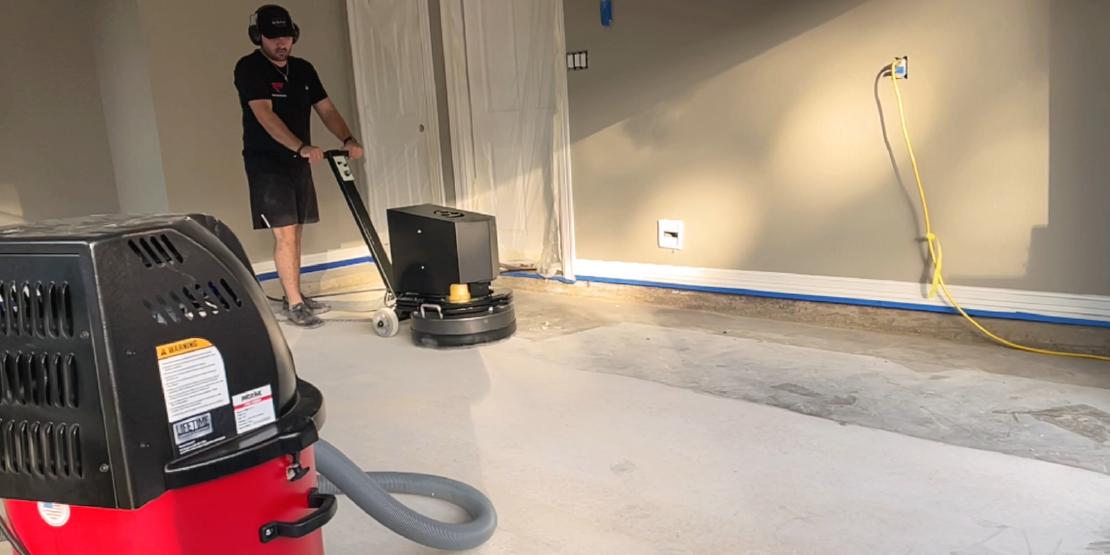
To ensure the longevity of your garage floor coating, meticulous pre-installation preparation is paramount. This involves a thorough cleaning of the floor to rid it of any dust, dirt, or grease that could potentially impair the coating’s adhesion to the surface. Attention should also be given to the repair of any existing cracks or chipping on the floor using high-quality concrete repair mix to ensure a sleek and even surface for the coating.
Once the floor is clean and smooth, an etching solution is applied if required. Etching helps open up the pores of the concrete floor, increase surface area and promote greater adhesion of the coating. It is crucial to follow the manufacturer’s instructions when it comes to the application process of the etching solution. This preparation stage sets the foundation for an effective and long-lasting garage floor coating.
Proper Installation Process for Garage Floor Coatings
The first step in the installation process of garage floor coatings is the preparation of the floor. It involves thorough cleaning and roughening of the surface to ensure the coating adheres properly. This can be achieved through power washing, acid etching, or grinding, followed by cleaning any oil stains or contaminants off the floor. The floor should then be left to dry completely before any coating application process begins.
After the floor has completely dried, the coating should be mixed as per manufacturer’s instructions, ensuring a uniform consistency. This mixture is then uniformly spread on the garage floor with a squeegee or roller, beginning from the back and moving towards the exit. It’s essential to apply an evenly distributed coat without any puddling or pooling. Curing time varies depending on the type of coating used - epoxy coatings, for instance, might require several days. Once completely cured, a final inspection is necessary to guarantee the coating’s flawless condition.
Maintaining Your Garage Floor Post-Installation
After the installation of your garage floor coating, it is essential to provide regular maintenance to ensure its longevity and keep it looking great. Basic maintenance not only helps to sustain the aesthetic appeal of your sparkling new floor but also extends the lifespan of the coating considerably. This involves simple practices like routine cleaning and immediate response to spills and stains to prevent permanent damage.
On a day-to-day basis, a soft broom or dust mop does an efficient job of removing dust and dirt, keeping the surface clean. For a more thorough cleaning, a gentle scrub with a soft brush and mild detergent is highly recommended. This mild cleaning, when done on a regular basis, helps to maintain the pristine condition of your floor. Moreover, harsh chemicals on the floor should be avoided as they might erode and damage the floor coating.
Cleaning Techniques for a Durable Garage Floor
Maintaining a garage floor coating involves regular cleaning, which significantly prolongs its life and preserves the aesthetic appeal. Regular cleaning does not mean daily sweeping and mopping but rather an in-depth clean perhaps once a month or after significant use. This involves using a lightly damp mop or cloth, combined with a mild detergent suitable for your specific type of garage floor coating. Household soaps or dishwashing liquids can often suffice, but ensure that they don’t contain harsh chemicals that might eat away at the coating.
It is pivotal to wipe off any spill immediately, as certain chemicals can cause rapid degradation of the coating, or even discolor it. For tougher stains, a soft brush and some elbow grease should do the trick. Never use metal brushes or abrasive scrubbing pads, as they can scratch the coating and create areas for dirt and chemicals to accumulate. Always remember, in cleaning a durable garage floor coating, less is more and gentle cleaning methods extends its extra longevity. When in doubt, it’s wise to consult the manufacturer guidance on cleaning your specific coating. Regular cleaning is the key to a durable garage floor.
Preventing Damage to Your Coated Garage Floor
Proper maintenance is essential to keep your garage floor coating intact and damage-free. Abrasive materials such as sand, dirt, and gravel can cause scratches and wear on the floor’s surface, compromising its aesthetic appeal and functionality. It’s crucial to regularly sweep or vacuum these materials off your garage floor to prevent them from causing damage. Use a soft-bristle broom or a shop vac designed for delicate surfaces to ensure no harm comes to your beautifully coated garage floor.
Heavy objects can inflict significant harm on your garage floor if not handled correctly. Therefore, the careful movement of such items is vital. Objects with sharp edges or rough surfaces can cause chips, cracks, or scratches to the coating. When moving heavy equipment, furniture, or vehicles on the coated floor, it’s advisable to use plywood or mats to distribute the weight evenly and mitigate potential damage. Adhering to these simple precautionary measures can immensely enhance the lifespan and aesthetics of your garage floor coating.
Dealing with Stains and Spills on Your Coated Garage Floor
No matter how careful you are, there are instances when stains and spills are unavoidable in your garage. Oil, grease, coolants, or even paint could leave a mark on your floor, but there’s no need to panic. Most high-quality garage floor coatings are designed to resist such intrusions. The key is to act swiftly for the ease of cleanup and minimize the potential harm to the coating.
To start tackling the issue, it’s important to determine the nature of the spill. For oil-based stains, use a degreasing agent and follow the instructions provided. Remember, never scrub aggressively as it might damage the coating. On the other hand, for paint or chemical spills, it’s suitable to use absorbent materials like cat litter or sawdust. Once the majority has been absorbed, a mild detergent can be used to clean the remainder without affecting the coated garage floor. Undertaking a thorough process will ensure the stain is dealt with effectively while maintaining the integrity of the floor’s coating.
Regular Inspection and Quick Repairs Ensure Longevity
Thorough, regular inspection of the garage floor coating is vital. It allows homeowners to identify any minor damage that may have occurred and take the necessary corrective action before the damage escalates. Small chips, cracks, or areas of discoloration may initially seem insignificant, but these imperfections can eventually propagate into more significant damage affecting the integrity of the coating.
Quick repair action following the detection of minor damages can significantly extend the life of the garage floor coating. Timely repair minimizes the chance of extreme damage and helps to maintain the aesthetic appeal of the floor. It involves filling any minor chips or cracks, restoring discolored sections, and ensuring the coating is continually providing the protection it was installed to provide. This, in turn, serves to save money in the long run by delaying the need for a complete recoat.
Temperature and Weather Effects on Garage Floor Coatings
Different climatic conditions, particularly temperature and humidity, play a vital role in the application, functionality, and longevity of garage floor coatings. In general, epoxy-based coatings are particularly sensitive to these factors. High temperatures tend to speed up the curing process of the epoxy, sometimes excessively, leading to an improperly cured surface which can result in premature peeling or chipping. Conversely, below the optimal temperature range, the curing process may be hindered, leaving your floor with a soft coating that lacks durability.
The amount of humidity in the air can also profoundly impact the result of your garage floor coating project. High humidity levels could cause condensation on the surface, leading to poor adherence of the coating to the concrete. The coating might appear milky or cloudy, an occurrence known as blushing. Weather changes can also affect already installed coatings. Rising temperatures can cause expansion while falling temperatures may bring about contraction of the material, both of which could potentially lead to cracking and damage of the coating over time.
Recoating: Know When It’s Time for a Touch-Up
It’s crucial to recognize not only the signs of needing a recoat but also the importance of timing. Recoating does more than simply refresh the look of your garage floor. It helps to prolong the lifespan of the coating by adding a fresh layer of protective material. Elements such as wear, light scratches or dullness indicate that it’s time for a touch-up. High traffic areas or spots with heavy machinery or tools are likely to need recoating sooner.
The right timing for recoating depends on the specific type of coating used and the condition of your garage, although most manufacturers recommend a touch-up every 2-3 years. Always resort to professional advice before making any decisions to ensure the recoating process is done properly. This extends the life of your garage floor dramatically, saving both time and money in the long term.
Key Takeaways for a Long-Lasting Garage Floor Coating
Investing in prime-quality garage floor coatings is critical. It not only enhances the appearance of your garage but also serves as a crucial layer of protection against wear, spills, and chemical damage. Opting for high-quality materials and a reliable installation contractor will ensure your coating is robust, long-lasting, and easy to maintain. Additionally, considering factors like your region’s temperature and weather conditions in your choice of coating will yield better results.
Post-installation, it’s essential to prioritize regular maintenance. A well-maintained garage floor coating can withstand heavy usage and harsh conditions. This involves routine cleaning, prompt stain, and spill management, and periodic inspections for potential damages. Major emphasis should be given to early detection of issues and swift rectification—providing for a more cost-effective solution that extends your coating’s life. In addition, understanding signs of wear or damage and knowing when to recoat can save potentially hefty repair costs down the line. Hence, knowledge and proactive care are the cornerstones of a resilient garage floor coating.
What are the different types of garage floor coatings?
The article discusses various types of garage floor coatings. These typically include epoxy, polyurethane, and acrylic sealer.
Why is the quality of a garage floor coating important?
A quality garage floor coating is crucial for durability and longevity. It ensures the coating can withstand vehicle traffic, chemical spills, and harsh weather conditions while maintaining its appearance.
How do I choose the right coating for my garage floor?
This depends on several factors including the type of use your garage gets (heavy machinery, vehicles, etc.), the condition of your current floor, and your personal aesthetic preferences.
What is the proper installation process for a garage floor coating?
A thorough cleaning and preparation of the surface is followed by the application of the coating. It should be applied evenly and allowed to dry completely before use.
How can I maintain my garage floor post-installation?
Regular cleaning, prompt handling of spills and stains, and periodic inspections for damage are key to maintaining your coated garage floor.
How can weather and temperature affect my garage floor coating?
Extreme temperatures and humidity can cause the coating to crack or peel. It’s important to choose a coating suitable for your local climate and consider temperature fluctuations when installing and maintaining your garage floor.
When should I consider recoating my garage floor?
If you notice peeling, cracking, or extensive staining that can’t be cleaned, it might be time for a touch-up or full recoat.
How can I prevent damage to my coated garage floor?
Avoid dragging heavy items across the floor, clean up spills promptly, and use floor mats or rugs in high traffic areas to help prevent damage.
How should I clean my coated garage floor for longevity?
Use a mild detergent and soft brush for regular cleaning. For tougher stains, use a non-abrasive cleaner and avoid harsh chemicals that can damage the coating.
What should I do if my coated garage floor has stains or spills?
Clean up spills immediately to prevent them from seeping into the coating. For tough stains, consider using a professional-grade cleaner designed for coated garage floors.
What does regular inspection and quick repairs ensure in the longevity of a coated garage floor?
Regular inspections can help identify potential problems early before they become major issues. Quick repairs, like patching small cracks or recoating worn areas, can extend the life of your garage floor coating.