
Identifying Common Issues with Coated Floors
Understanding Coated Floors
Floor coating is a process that involves application of a decorative and protective finish to a floor surface. It’s commonly used across homes, offices, warehouses, manufacturing plants, and more as a means to prolong the lifespan of the floor, enhance its aesthetics, or make it resistant to certain types of damage. This technique plays a major role in protecting the integrity of the base material, whether it be concrete, wood, or any other substrate. It’s integral in creating durable and visually pleasing surfaces that are vital for modern living and working spaces.
Different varieties of floor coatings are available on the market, each with its own set of properties tailored to various uses. Factors such as the base material of the floor, the purpose of the space, the expected foot traffic, and environmental factors such as moisture, temperature fluctuations, and chemical exposure, all contribute to the selection of the ideal floor coating. Thus, gaining a comprehensive understanding of how floor coatings work, can empower homeowners and facility managers to make informed decisions about floor care to avoid common pitfalls and problems.
Types of Coatings for Floors
Floor coatings come in a variety of forms, essentially dependent on their composition and the desired outcome. One popular type is epoxy, renowned for its durability and resistance to wear and tear. It presents an array of design options making it a suitable choice for both commercial and residential settings. Polyurethane is another diverse coating type, offering top-notch resistance to scratches and extreme temperature changes. Despite seeming similar to epoxy, its finish is more flexible, thus more resistant to impacts and thermal shock.
Concrete sealers, on the other hand, present a more cost-effective option. They can be both clear or tinted, and are appreciated for their capability to protect the concrete floor from dust and stains. Acrylic coatings are sought after for their fast curing times and UV resistance, suitable for both interior and exterior surfaces. Each of these coatings have their strengths and are carefully chosen based on factors such as the floor condition, usage, desired appearance, and the budget at hand.
Recognizing the Signs of Floor Coating Problems
Floor coatings are usually robust, but timely detection of problems is crucial to prevent irreversible damage. There are several symptoms which could indicate an issue with your floor coating. Discoloration is often a clear sign of floor coating problems. This could be the pigments fading under excessive sunlight exposure or discoloration due to chemical reaction with toxins and pollutants. Additionally, formation of blisters or bubbles on the floor is another sign of coating failure that can be caused by poor adhesion, contamination, or extreme temperature changes.
Cracking and peeling are further indicators of floor coating issues. If the coating is not properly adhered to the surface, it may begin to crack under pressure. This could be due to a poor initial application, or inadequate surface preparation before the coating was applied. Similarly, peeling often occurs when the coating fails to adhere to the floor surface correctly. Peeling can be further compounded by external factors such as moisture or humidity. • Bubbling and blistering: This is a common sign of floor coating problems. These issues can be caused by several factors, including poor adhesion during application, contamination on the surface before or after application, extreme temperature changes that affect the curing process, or even exposure to certain chemicals.
• Discoloration: Another clear indication of potential floor coating issues is discoloration. This can occur due to excessive sunlight exposure causing pigments in the coating to fade over time. It may also result from chemical reactions with toxins and pollutants present in the environment around your flooring.
• Cracking: If you notice cracks appearing on your coated floors, it’s likely an issue with the adherence of the coat itself. Poor initial application or inadequate surface preparation prior to applying could lead to this problem.
• Peeling: Similar to cracking, peeling often happens when there’s a failure in adhering properly between the coat and floor surface. External factors like moisture or humidity levels can further exacerbate this issue.
In order for these problems not become severe enough leading towards irreversible damage, early detection and immediate solutions are key components.
By being aware of these signs and acting promptly when they appear, you’ll be able to maintain your floor coatings effectively - ensuring longevity while keeping them looking their best for longer periods.
Issues Related to Poor Coating Application
The application of floor coatings is a precise process requiring a careful approach. One of the primary issues associated with this is the inconsistent spread of the coating, which results in irregular surface reflection and defective aesthetics. This can often be attributed to the hurried or inexperienced application, leading to the layering of inequitable amounts of coating. Consequently, it can cause haphazard thickness across the floor, leaving it prone to premature wear and tear.
External contaminants, including dust or liquids, present another issue during coating application. If the floor isn’t thoroughly clean before the application, these contaminants can get sealed within the coating. This could result in unsightly spots, bubbles, and shifts in floor color. Additionally, the trapped contaminants can distort the floor’s chemical structure and compromise its strength over time, making it vulnerable to additional damage.
Problems Associated with Inappropriate Coating Selection
Selecting the wrong type of coating for a particular floor can lead to a multitude of issues. The primary problem with inappropriate coating selection is poor adhesion, often resulting in peeling or flaking. This can severely undermine the purpose of the coating, which is to provide protection and increase longevity. When the wrong coating is applied, it may not bond properly with the floor material, causing it to lift off prematurely and leaving the surface unprotected and prone to damage.
Another major issue with inappropriate coating selection involves aesthetics and functionality of the floor. The choice of coating can greatly impact the color, sheen, and texture of the floor. For example, using a high-gloss coating on a surface that requires anti-slip properties, such as outdoor walkways or busy commercial kitchens, may cause safety hazards. Similarly, choosing a color or finish that is inappropriate for a particular décor can create unappealing visual effects. Therefore, careful consideration must be given to the type of coating selected to avoid these potential problems.
Impacts of Environmental Factors on Floor Coatings
Environmental factors can play a critical role in the performance of floor coatings, these factors include but are not limited to temperature, humidity and sunlight exposure. Heat and cold can significantly affect the application, curing process, and durability of a floor coating. For example, unseasonably high temperatures can make the coating cure too rapidly, leading to improper bonding with the surface. On the other hand, cold temperatures can hinder proper curing, which may result in a weak finish that is susceptible to premature wear and damage.
High levels of humidity are also detrimental to floor coatings, as moisture can interfere with the bond between the coating material and the floor surface, leading to problems like peeling, blistering, and bubbling. Similarly, direct exposure to sunlight, especially in outdoor settings, can cause discoloration and loss of gloss. Apart from ultraviolet light, harsh weather conditions such as heavy rainfall and snow can also degrade the coating surface over time. Therefore, understanding the impact of these environmental conditions can help in making appropriate coating decisions keeping in mind the ambient environment.
Complications from Inadequate Floor Preparation
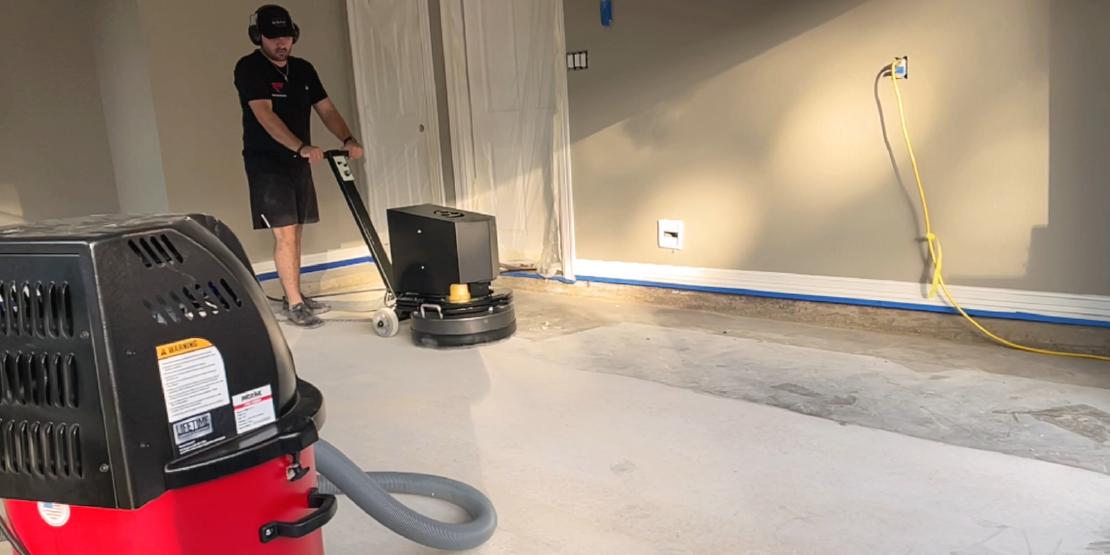
The foundation of a perfectly coated floor fundamentally lies in its accurate preparation. Missteps during this critical phase can lead to a multitude of complications that can significantly impact the adherence, appearance, and durability of the applied coating. Uneven surfaces, residual debris, or existing old paint can interfere with the surface’s absorption properties, leading to patchy application, lack of adhesion, and premature peeling of the new coating. Shortcomings in the preparation can also mask underlying issues with the floor, such as water damage or structural inconsistencies, which can exacerbate over time causing further damage to the floor and the coating applied atop it.
As a direct consequence of inadequate floor preparation, future repair and restoration work can become more frequent and more costly. The residual effects of inappropriate surface preparation can cause flaking, blisters, and bubbles, causing uneven wear and tear on floors. These post-coating complications can also significantly affect the aesthetic quality of the floor, leading to unsightly surfaces that can diminish the overall appeal of the space. Moreover, if the floor is intended for specific uses such as manufacturing or food processing, improper floor preparation may lead to safety hazards due to uneven surfaces or potential contamination issues.
Issues Stemming from Moisture and Humidity
Moisture and humidity pose significant challenges to the durability and effectiveness of floor coatings. They create an environment conducive to peeling, bubbling, and discoloration of the applied surface. Moisture intrusions, especially on concrete substrates, can lead to a myriad of issues. These include the development of efflorescence, an unsightly white powdery substance that forms on the surface, and osmotic blistering, a condition characterized by the formation of bubbles in the coating due to excessive hydrostatic pressure.
Furthermore, high levels of humidity can accelerate the corrosion process of metal substrates, leading to early coating failure. It can also contribute to the increase in microbial growth such as mold, mildew, and fungi on the surface, resulting in discoloration and a whole host of structural problems. The porous nature of certain flooring materials makes them particularly susceptible to these issues, hindering the longevity and aesthetic appeal of the overall floor coating.
Damage Caused by Chemical Exposure to Coatings
Chemical exposure can bring about significant damage to coated floors. This usually occurs when the floor coating comes into contact with strong chemicals, leading to a breakdown in the coat’s surface. Unfortunate mishaps like frequent spills and continuous industrial contact with harmful substances can exert considerable harm to the coating. Materials such as acids, alkalis, and solvents, if continuously spilled, can lead to a reaction, causing the surface coating to discolor, crack, become brittle, or peel off
This degradation process is not limited to externally introduced substances. Certain cleaning materials, when used excessively or inappropriately, can also threaten the integrity of the floor coating. Over time, the continuous use of such harsh cleaning supplies can degrade the protective layer of the coating, exposing the underlying floor material to further damage. This ultimately results in an untidy appearance and compromised functionality of the floor.
Troubles with Wear and Tear on Coated Floors
Over the passage of time, it is almost inevitable that coated floors will experience some level of wear and tear. The material’s constant exposure to traffic, whether from people or equipment, can lead to scratches, scuffs, or even more significant damage. This degeneration can be further accelerated if the floor is subjected to heavy loads or abrasive materials. In some cases, the integrity of the coating can be compromised, allowing dirt and contaminants to infiltrate, affecting both the aesthetic appeal and functionality of the floor.
Factors such as the quality of the coating, the frequency and type of use, as well as maintenance practices, play a crucial role in determining how a floor coating withstands wear and tear. High-quality coatings provide a more resilient surface offering better resistance against physical damage. Regular and appropriate maintenance can also significantly extend the lifespan of the floor coating, preserving its protective properties. Hence, paying attention to these aspects can help mitigate troubles arising from the wear and tear of coated floors.
Preventative Measures for Common Coated Floor Problems
Preventing common floor coating problems begins with a thorough understanding of the coating process. This includes selecting an appropriate coating material, ensuring the floor’s surface is properly prepared, and applying the coating skillfully and correctly. Maintenance practices can also play a significant role in preventing issues.
Choosing the right type of coating that is compatible with your floor and its environmental conditions is vital. High-quality products may come with a higher price tag, but they offer protection, durability and long-term cost-effectiveness. Adequate surface preparation is also key, including cleaning, dust removal, and checking for moisture levels. For effective prevention of wear and tear, routine cleanings and regular inspections should be part of your maintenance plan. This allows early identification of potential issues, ensuring prompt and cost-effective solutions are implemented.
Solutions and Remedies for Coating Issues
When coating issues emerge, a wide variety of remedies can be implemented. For minor issues such as worn surfaces and minimal chipping, a simple touch-up may suffice. This involves cleaning the affected area and applying a fresh coat of the same material. Correct matching of the flooring type and coatings to be applied is essential to ensure a smooth blending with the overall aesthetics and avoiding noticeable patching.
For major problems like extensive cracking, bubbling, or peeled areas, the situation demands more drastic measures. Such cases often require professional assessment followed by a complete reapplication or replacement of the coating. Professionals ensure the nature and extent of the damage is thoroughly evaluated first. Then, the old coating is eliminated, the floor is appropriately prepared and finally, new coating material is applied. This not only rectifies the present issues but also extends the lifespan of the coated floor.
Maintaining the Longevity of Your Coated Floors
To ensure a lasting performance of coated floors, regular and diligent maintenance is a necessity. This emphasizes more than just spot cleaning spills and debris; it also involves adopting an effective routine cleaning regimen. Proactive cleaning includes dry mopping to collect dust and debris, as well as damp mopping with a pH-neutral cleaner designated for coated floors. Swiftly addressing spills is key, particularly for epoxy-coated floors which can be susceptible to staining if a caustic substance is left on the surface.
If a coating becomes compromised, such as through scratches, it must be addressed immediately. A minor problem left unattended can evolve into a major complication, potentially causing harm to the overall structure of the coated floor. Coated floors may also benefit from periodic topcoats to enhance their serviceable life. By pairing a dedicated maintenance routine with a careful response to any signs of damage, the longevity of coated floors can be efficiently maintained.
What are coated floors?
Coated floors are floors that have been treated with a protective layer or coating to enhance their durability, aesthetic appeal, and resistance to environmental factors.
What are the different types of coatings for floors?
There are several types of coatings for floors including epoxy, polyurethane, acrylic, and polyaspartic coatings. Each has its own unique properties and is suitable for different types of flooring.
How can I recognize signs of floor coating problems?
Signs of floor coating problems can include peeling or flaking, discolouration, dullness, cracks or bubbling, and an uneven finish.
How does poor application affect floor coatings?
Poor application can result in an uneven coating, bubbles, or cracks in the coating. It can also lead to premature wear and tear and can affect the overall longevity and durability of the floor.
What problems can arise from inappropriate coating selection?
Inappropriate coating selection can lead to various issues such as discoloration, premature wear and tear, and inadequate protection against environmental factors.
How do environmental factors affect floor coatings?
Environmental factors such as sunlight, temperature, and humidity can cause discolouration, peeling, and cracking in floor coatings.
Why is proper floor preparation necessary for coating?
Proper floor preparation ensures that the coating adheres properly to the floor, preventing problems like peeling, bubbling, and early wear and tear.
How does moisture and humidity affect floor coatings?
Moisture and humidity can cause floor coatings to peel, bubble, or discolor. It can also lead to issues with mold and mildew, especially in areas with high humidity.
How can chemical exposure damage floor coatings?
Certain chemicals can cause discoloration, peeling, or even dissolving of the floor coating.
What issues can wear and tear cause on coated floors?
Wear and tear can lead to scratches, dullness, and eventual wearing away of the floor coating, exposing the underlying floor to damage.
What preventative measures can I take to avoid common coated floor problems?
Regular cleaning, using appropriate cleaning products, avoiding harsh chemicals, and regular maintenance checks can help prevent common coated floor problems.
What are some solutions for coating issues?
Solutions for coating issues can include repairing the damaged area, reapplying the coating, or in severe cases, completely stripping and recoating the floor.
How can I maintain the longevity of my coated floors?
Regular cleaning and maintenance, using appropriate cleaning products, protecting your floors from harsh chemicals, avoiding excessive moisture, and regular inspections can help maintain the longevity of your coated floors.