
Industrial Flooring Solutions: Before and After
Understanding the Basics of Industrial Flooring
Industrial flooring bears a crucial role in industries such as food processing, manufacturing, and warehousing. It provides a solid foundation for smooth operations, enabling efficient logistics and reducing safety hazards. These floors are inherently designed to withstand heavy loads, constant traffic, chemical spills, and even the impact of falling objects. Bearing the brunt of such harsh conditions, these floors must not only be durable but also exhibit properties such as resistance to wear and tear, easy maintenance, and hygienic conditions.
The type of industrial flooring installed, be it epoxy, polyurethane, or concrete, largely depends on the specific demands of the industry. Epoxy flooring, for instance, is popular for its high durability, chemical resistance, and aesthetic versatility. On the other hand, polyurethane flooring is known for its strong wear resistance and ability to withstand heavy machinery and high temperatures. Concrete floors, albeit traditional, are commonly favored for their durability and cost-efficiency. Selecting the right kind of flooring can significantly contribute to the productivity and efficiency of industrial operations.
Identifying the Need for a Flooring Solution
Industrial facilities often struggle with flooring issues ranging from general wear and tear to advanced decay due to chemical exposure or heavy usage. Many even face safety risks, such as trips and falls caused by cracks or uneven surfaces, while some suffer from poor aesthetic appeal affecting the overall environment of the premises. These alerts signify the need for a new flooring solution.
Before rushing into opting for a flooring system, it is paramount to assess the intensity of the issue at hand. Factors such as immediate safety risks, resilience to specific industrial operations, and the durability of the flooring system play a crucial role in this evaluation. Only after a detailed assessment can the suitable flooring solution be implemented to cater to the distinctive requirements of the industrial environment.
Assessing the Current State of Your Industrial Floor
Before initiating any kind of flooring intervention, it’s instrumental to evaluate the present condition of your existing industrial floor. This initial evaluation will provide critical insights regarding the existing flooring structure, material composition, surface condition, and any underlying issues. This holistic assessment will serve a critical role in formulating the most accurate and efficient solution for your flooring needs. Assessment of current industrial flooring is not just about spotting obvious problems. It is, rather, a thorough, encompassing evaluation that feeds into subsequent steps of flooring implementation.
To commence the assessment, look for visible signs of damage on the surface, such as cracks, splits, stains, or any irregularities. Depending on the type of industry, floors may have specific problems like chemical stains in a chemical plant or excessive wear and tear in a cargo handling area. Flooring deformities like uneven surfaces, poor-quality concrete, or even outdated flooring materials greatly impact the overall functionality of the industrial floor. Such nascent issues need to be identified accurately during the run-up to the industrial floor refurbishment or replacement.
Components of an Ideal Industrial Flooring System
Investing in an optimal industrial flooring system requires understanding the vital components which contribute to its overall performance. Firstly, the material of the floor should be given high priority. Materials such as epoxy, polyurethane, or resin are commonly used given their high resistance to wear and tear, chemical spills and heavy machinery. Similarly, the material should be non-slippery to prevent accidental falls, providing a safe workspace for employees.
Secondly, an efficient drainage system is a must-have in creating an ideal industrial flooring system. A well-designed drainage ensures any water or liquid spillage gets drained quickly, minimizing any risks of slip and fall accidents or material damages. Lastly, proper insulation plays a crucial role in controlling temperatures, especially in industries such as food processing or pharmaceuticals. Specifying these core components while designing an industrial flooring system ensures a durable, low-maintenance floor that can withstand the rigorous conditions of an industrial environment.
The Process of Selecting Suitable Flooring Materials
While embarking on the journey to select flooring materials for an industrial setup, there are certain key factors that must be taken into consideration in a systematic way. The nature of the industry, the type of machinery used, the volume of foot traffic, and potential risks like exposure to extreme temperatures, moisture, or corrosive chemicals all influence the choice of flooring material. Unique needs, such as the need for anti-static floors in an electronics manufacturing plant or heavy-duty floors in a heavy machinery plant, further complicate the selection process.
Coupled with these primary factors, secondary considerations, like the budget for the project, desired aesthetics, and the maintenance requirements, also play an integral role in the selection of suitable flooring materials for industrial premises. Industrial owners and managers often rely on flooring experts and engage in detailed research and consultation to make an informed choice. Hence, the process requires a comprehensive understanding of the materials available and how they match up with the specific needs of the industry.
Initial Preparation Steps for Industrial Flooring Installation
Before delving into the actual process of industrial floor installation, a fundamental first step is the preparation phase. Groundwork is critical and often requires a meticulous approach given that floors form the basis of most industrial operations. The goal is to achieve a clean and completely level surface, which is devoid of any cracks, dust or grease. This typically involves steps such as assessment, cleaning, and repairing or resurfacing the current floor.
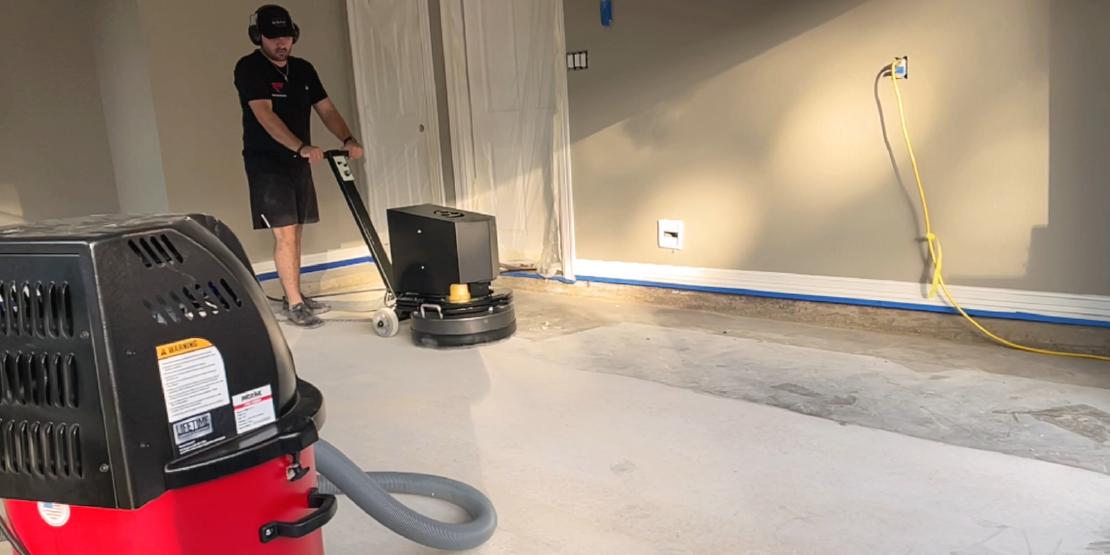
The use of advanced tools and machinery can be highly beneficial during the preparation phase. The surface is often treated with a grinder or shot blaster to ensure all contaminants are eliminated – a step crucial for the longevity of the flooring. Once cleaned, repairs might be required to fill in any cracks or to resurface uneven portions. Transparent communication with the selected installation team can lead to both accurate planning and seamless execution of these essential initial tasks.
Steps Involved in the Installation Process
Industrial flooring installation demands a systematic and meticulous process to ensure its long-term durability and functionality. The first crucial step is surface preparation, which includes thorough cleaning of the existing floor to make it free from debris, old paint or coatings, oils, and grease. This step also involves fixing any existent defects on the surface such as cracks or potholes. Surface leveling becomes imperative in this phase to assure an even floor surface for the subsequent stages.
Once the surface preparation is complete, the application of a primer is the next step. This enhances the bonding of the flooring material to the substrate, offering a robust and resistant floor surface. The application of the chosen flooring system, which could be epoxy, polyurethane, or any specialized material, follows this. It may consist of one or more layers depending upon the material specifications and functional requirements of the floor. Lastly, the finishing involves curing the floor to attain the desired hardness and other physical properties and applying top coats for added protection and aesthetic enhancement.
The Transformation: Comparing the Old and New Floors
Before embarking on the journey of industrial flooring transformation, it’s common to have a worn-out floor often marred by cracks, stains, and uneven surfaces. Such state of disrepair not only looks unappealing, but it dramatically impedes the efficiency of operations due to safety threats and constant need for makeshift reparations. The worn-out quality also sends a subtle, yet potent message about the values of the business, with shabby floors subconsciously signalling a lack of attention to detail and commitment to quality.
Post-transformation, the industrial floor emerges with a rejuvenated identity, boasting of resilience, durability, and aesthetic appeal. Enhanced with hard-wearing materials and innovative technology, the new floor withstands the harsh rigours of industrial activities while maintaining the pristine quality. Beyond mere functionality, a polished, well-maintained floor also reflects positively on the business image, suggesting professionalism and commitment to standards. Thus, the transformation from the old to new floor does more than a facelift, it revolutionizes the way the space functions and feels.
Maintenance Practices for Industrial Floors
Regular maintenance is a crucial aspect when it comes to preserving the lifespan and overall aesthetic of industrial floors. With high foot and machine traffic, these surfaces are typically exposed to significant wear and tear, inevitably impacting their durability and appearance. The type of material used, be it epoxy, rubber or concrete, each has unique maintenance requirements. Chemical spills, oil leaks, and heavy machinery movement are some of the common factors contributing to the deterioration of these floors.
Adopting a well-structured maintenance plan can go a long way in ensuring the integrity of the surfaces. This could include regular sweeping and cleaning to remove dust and debris, which can cause abrasion over time. Additionally, using industrial-grade cleaning products that match the floor material can help maintain the finish and resilience of the floor. For more complex issues or in the case of visible damage, engaging professional floor repair services can prevent further deterioration. Regular inspections and timely repairs, thus, form an integral part of an effective maintenance strategy for industrial floors.
The Long-Term Benefits of Quality Industrial Flooring
A well-executed industrial flooring system provides much more than just a layer to walk on; it offers multifaceted, long-term benefits that thrive far beyond the initial investment. High-performance industrial flooring solutions are designed to endure heavy traffic and harsh conditions. Their longevity directly impacts cost-effectiveness, significantly reducing the need for continuous restorations and replacements.
Moreover, the right kind of flooring could boost the overall productivity of the workforce. Enhanced resistance to wear and tear, chemicals, stains, and damages contribute to safer working conditions, reducing the chance of workplace accidents. Consequently, a seamless and durable flooring surface facilitates efficient material handling and movement, leading to increased operational efficiency. Therefore, quality industrial flooring is not just an aesthetic upgrade but an integral component to the long-term success of an industrial facility.
Potential Issues and Solutions with Industrial Floors
One of the most common issues with industrial floors lies in their susceptibility to damage. Harsh chemical substances, heavy machinery, and acute thermal shocks can lead to visible damages like cracking, peeling, or erosion, affecting not just the aesthetic appeal but also the functionality. Furthermore, improper flooring installations can result in an unstable base and uneven surface, posing risks of accidents within the industrial space. Something as seemingly trivial as dust can accumulate over time and compromise the durability of these floors.
Now, onto the solutions. For chemical-induced damages, epoxy-based floor coatings are an excellent solution. They have a high resistance to chemicals, and can help extend the overall durability of the floors. To combat dust accumulation, industrial flooring should have proper finishes such as polish or a sealant. These finishes encapsulate the dust particles and make it easier to clean. For uneven surfaces, self-leveling concrete proves to be a reliable solution. With advanced technology, installation professionals can correct uneven industrial floors, making them more stable and safe. The best way to prevent these issues is by investing in quality flooring materials and securing skilled installation services. Regular maintenance and inspections can further help in the quick detection and resolution of any emerging issues.
Case Studies of Successful Industrial Flooring Implementations
In the sprawling industrial complex of Kennet Manufacturing Group, poor flooring had long been an issue. Daily wear and tear, coupled with the harsh chemicals used in their production process, had caused the original concrete floor to crumble and erode over time. This led to safety hazards and frequent, expensive repairs. The company made a strategic move to overhaul their industrial flooring system by employing superior grade epoxy flooring. The impact was immediate and profound; efficiency improved due to its easy-to-clean surface and reduced maintenance. The bold difference led to improvement in safety standards, an crucial aspect in the manufacturing industry.
Another successful implementation of industrial flooring was witnessed at the Jenkins Logistics warehouse. Here, the old concrete floor failed to endure under the constant weight of heavy machinery and shipping crates. Furthermore, the lack of proper marking for pathways was leading to frequent operational confusions. Installing polyurethane flooring with clearly demarcated pathways transformed the logistical nightmare into a well-orchestrated operation zone. The new flooring was able to withstand heavy weights without cracking, while the demarcated zones led to untangling of operational complexities. Both these cases highlight the indispensability of suitable industrial flooring in preserving structural integrity while enhancing functionality and safety.
The Future of Industrial Flooring: Trends and Innovations
Industrial flooring has come a long way from simple grey concrete surfaces. Today, with technological advancements, several innovative trends are shaping the future of industrial flooring. Self-leveling floor systems, for instance, have become the vogue in modern times. These cutting-edge epoxy and polyurethane compounds hold the potential to create ultra-flat surfaces, mitigating performance issues caused by uneven floors. Not to mention green and sustainable flooring solutions which are gaining immense popularity. These eco-friendly options not only reduce the carbon footprint but also ensure superior durability and toughness, a key industry requirement.
Incorporating digital technology in flooring solutions is another noteworthy trend. Be it in the form of conductive floors that can minimize the risk of static electricity or advanced monitoring systems able to detect any potential defects or damage. Such intelligent solutions optimize maintenance efforts, ensuring the long-term health of the floors. On top of these, the advent of 3D printing technology in flooring systems paves the way for a revolution. 3D printed floors can offer myriad design possibilities with increased precision, thereby opening the door for customization like never before. The accelerating adoption of these innovations promises a transformative future for industrial flooring.
What are the basics of industrial flooring?
The basics of industrial flooring involve understanding the different types of materials used, the suitability of each type depending on the industrial needs, and how the flooring system is installed and maintained.
What factors should be considered when identifying the need for a flooring solution?
Factors such as the nature of the industrial work, safety requirements, durability needs, aesthetic preferences, and budget constraints all play a role in identifying the need for a specific industrial flooring solution.
How can one assess the current state of an industrial floor?
The current state of an industrial floor can be assessed by examining its physical condition, age, level of wear and tear, and any existing damages or issues.
What are the components of an ideal industrial flooring system?
An ideal industrial flooring system should be durable, resistant to wear and tear, easy to maintain, safe for workers, and aesthetically pleasing.
How is the process of selecting suitable flooring materials conducted?
The process involves assessing the industrial needs, researching various flooring options, comparing prices, and consulting with experts or professionals in the field.
What are the initial preparation steps for industrial flooring installation?
Initial preparation steps may include cleaning and leveling the existing floor, removing any old flooring, and preparing the base for the new flooring system.
How does the installation process occur for industrial floors?
The installation process involves applying the chosen flooring material to the prepared base, letting it set, and then finishing it with any necessary treatments or coatings.
What changes can be observed when comparing the old and new floors?
Changes can include improved durability, safety, aesthetics, and ease of maintenance.
What are some maintenance practices for industrial floors?
Maintenance practices can include regular cleaning, repairing any damages promptly, and reapplying coatings or treatments as needed.
What are the long-term benefits of quality industrial flooring?
Long-term benefits can include increased safety, improved productivity due to fewer disruptions from floor repairs, and reduced maintenance costs.
What potential issues can arise with industrial floors and how can they be resolved?
Potential issues can include wear and tear, damage from heavy machinery, and staining from industrial processes. These can be resolved through regular maintenance, prompt repairs, and using suitable flooring materials.
Are there any case studies of successful industrial flooring implementations?
Yes, there are numerous case studies that showcase how effective flooring solutions can transform industrial spaces.
What are some trends and innovations in the future of industrial flooring?
Future trends and innovations may include eco-friendly materials, advanced durability features, and smart flooring technologies.