
Innovations in Safe Floor Coating Technologies
Emerging Trends in Floor Safety Solutions
The industrial sector is witnessing a significant transformation in terms of floor safety solutions. A greater consequence of technological enhancements, the evolving trends in this sector accentuate on ensuring the utmost safety and efficiency. Be it the escalating popularity of non-slip floor coatings or the impressive strides in anti-microbial floor coatings; modern-day safety solutions serve a dual purpose of safeguarding individuals and enhancing the longevity of the industrial floorings.
Advancements in technology have led to the introduction of new, eco-friendly floor coating processes which can withstand high heat and rough usage, thus protecting the surface beneath from damage. The advent of nanotechnology in floor coating safety is notable, playing a key role in developing smart coatings. These coatings not only provide resistance against wear and tear, but also possess self-healing properties, ensuring long-lasting protection. These breakthroughs have potentially enormous implications for a range of industries, redefining the provisions for floor safety.
Understanding the Need for Safer Floor Coatings
As communities have become hyper-aware of safety protocols, the demand for enhanced floor coatings has grown significantly. Safer floor coatings not only speak to consumer desire to reduce slip and fall accidents but also incorporate components that meet stringent environmental guidelines. Reinventing floor coatings is no longer just about aesthetics or durability - it’s also about integrating safety into every component of building design.
One of the primary purposes of safer floor coatings is to prevent slip-related accidents. Residential, commercial, and industrial settings have recognized the importance of this feature, leading to its increased demand. Moreover, innovative floor coatings minimize the spread of environmentally risky substances, contributing to a safer and healthier living and working environment.
The Increasing Demand for Non-Slip Floor Coatings
The rise in industrial accidents due to slips and falls has been a stark reminder for businesses about the importance of floor safety. In this wake, non-slip floor coatings have gained substantial traction, favored for their efficacy in reducing workplace mishaps. Their ability to significantly decrease the risk of accidents, combined with mandates from occupational safety agencies, has resulted in heightened demand for these specialized coatings.
Cutting-edge non-slip floor coatings are not just protective but are also aesthetically pleasing, offering both functionality and style. Companies are seeking these coatings not only for their factories and warehouses but also for their office spaces and commercial outlets. Their durability, resistance to wear, and easy maintenance make these floor coatings a preferred choice for many. Each new advancement reinforces the increasing preference for non-slip floor coatings in today’s safety-conscious society.
Evolving Technology in Anti-Microbial Floor Coatings
Boldly pushing the boundaries of innovation, advancements in the field of anti-microbial floor coatings are providing a much-needed impetus to industries across the globe. These cutting-edge coating solutions harness powerful elements and deliver enhanced protection against harmful microbes, contributing to safer, healthier environments. From hospitals to food processing units, the versatility of tailored anti-microbial floor coatings is increasingly recognized, appreciated, and implemented in spaces where hygiene cannot be compromised.
At the forefront of these advancements stands nanotechnology, emerging as a potent tool to augment the effectiveness of anti-microbial floor coatings. Pomising breakthroughs are achieved by incorporating nanoparticles of silver, copper, and other antimicrobial agents directly into the floor coating matrix. This smart integration not only ensures prolonged antimicrobial action but also signifies a promising leap towards more robust, contamination-resistant interior surfaces. Developments in this area have evolved from a generic application approach to a more targeted, efficient coating method that maximises antimicrobial effect while minimising environmental impact.
Breakthroughs in Eco-friendly Floor Coating Processes
In the global flooring industry, constantly evolving technological advancements pave the way for the development of greener alternatives. The eco-friendly floor coating processes have seen significant breakthroughs in recent years, combining durability with sustainable production practices. These improvements go beyond limiting harmful emissions and reducing energy consumption. Manufacturers are now creating eco-friendly floor coatings that are not only safe but also contribute to the overall wellness of indoor environments.
Several new materials and technologies have emerged, aiming to limit the environmental burden of traditional products. Bio-based floor coatings, for instance, use renewable resources as raw materials, reducing reliance on petroleum-based products. Spoonflower, for one, has developed a biodegradable, non-toxic floor coating enhancing safety while considering environmental sustainability. Meanwhile, UV-curable floor coatings offer another green alternative. They cure instantly under UV-light exposure, reducing the harmful volatile organic compounds (VOCs) typically associated with traditional curing processes. These advancements underscore an appealing and highly demanded facet of modern floor safety solutions - vitality with responsibility.
Benefits of Heat-Resistant Floor Coating Technologies
Heat-resistant floor coatings have the potential to revolutionize a variety of industries, particularly those exposed to high temperatures or frequent temperature fluctuations such as foundries, bakeries, kiln rooms, and chemical processing plants. These coatings are specifically designed to withstand extreme heat while maintaining their structural integrity. This resistance to thermal stress significantly reduces the risk of cracking, peeling, and other forms of wear and tear that often lead to costly maintenance and repairs.
Employing heat-resistant technologies in floor coatings provides an extra layer of protection for workers in industries where heat exposure is a major safety concern. By significantly reducing the risk of burns from hot surfaces and minimising the likelihood of slip and fall accidents due to compromised floor surfaces, these coatings contribute to a safer work environment. Furthermore, this heat-resistant property allows for closer proximity to heat sources, improving workflow efficiency without sacrificing safety. Such practical benefits underline the importance and increasing demand for heat-resistant floor coating technologies across various industrial settings.
Efficient Application Techniques for Safer Floor Coatings
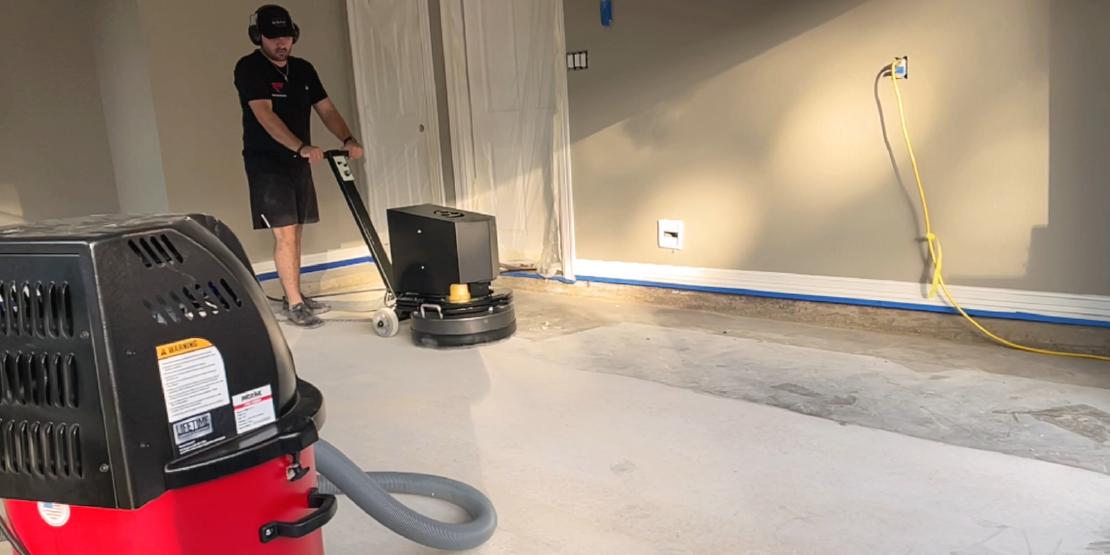
The application techniques used for safer floor coatings have evolved significantly over the years. This can largely be attributed to the progress in material science and a greater understanding of the properties and behaviors of various coating compounds. Effective application techniques ensure that the coats are evenly spread, adhesion is optimal, and the layers are of consistent thickness, thereby maximizing the performance and longevity of the safer floor coatings.
Among the numerous techniques, spraying has proven to be highly efficient when it comes to applying safer floor coatings. The process employs the use of specialized equipment that disperses the coating material in a controlled and uniform manner. This technique not only ensures even application but also minimizes wastage, making it a cost-efficient method. The advancements in technology have also introduced robotics in the application process that allows for greater precision and less human error. Another notable approach involves the use of rollers or trowels for manual application, particularly beneficial in smaller spaces and intricate areas where precision is paramount.
The Role of Nanotechnology in Floor Coating Safety
Nanotechnology has firmly set foot into the realm of floor coating safety, awakening unprecedented possibilities. This rapidly evolving discipline employs the manipulation of matter at an atomic and molecular level to develop nano-structured materials. These materials, with their specifically engineered properties, have opened new vistas in advancing floor coating safety. A key protagonist in this nanotech narrative is the development of anti-slip, anti-bacterial, and self-healing floor coatings.
The efficacy of nanotechnology is evident in the creation of floor coatings providing superior protection from slips and falls, thus serving a substantial role in preventing accidents. The Nano-sized particles embedded within the coating increase traction and grip, making the floor safer. In addition, antimicrobial nano-coatings have a significant role in healthcare facilities, restraining the growth of harmful bacteria and fungi on floors, thereby reinforcing hygiene and cleanliness. Furthermore, the groundbreaking concept of “self-healing” floor coatings, another magnificent product of nanotechnology, ensures longevity, reducing the need for frequent repairs and replacements. With their ability to automatically refill scratches and other minor damage, they can maintain their aesthetics and functionality for an extended period. This role of nanotechnology presents a tantalizing glimpse into the future of floor coating safety.
How Smart Coatings Contribute to Floor Safety
Investing in floor safety has taken a more innovative direction with the introduction of smart coatings. These cutting-edge materials have certainly revolutionized the perception of floor safety, thanks to their unique, intelligent responses to different environmental changes. Designed to offer a high level of adaptability, smart coatings have an inherent ability to change their properties when exposed to external stimuli such as heat, light, or humidity. With their dynamic features, these coatings drastically decrease the risks of slip-related accidents by maintaining optimal traction, even in changing conditions.
The safety implications of smart coatings extend beyond slip-resistance. For instance, some formulations incorporate bacteria-killing components that counter the growth and spread of detrimental microorganisms, promoting a cleaner and more hygienic environment. Others demonstrate properties such as self-healing, viscosity changes, and improved resilience, offering not just effective but also long-lasting protection. This protective nature of smart coatings serves as a testament to the interdisciplinary contributions of chemical and material engineering in enhancing the safety attributes of floor surfaces.
The Future of Self-Healing Floor Coatings
Self-Healing floor coatings represent one of the most promising advancements within the field of floor safety solutions. They draw inspiration from biological healing processes, wherein the coating can restore itself after being subjected to surface damage. This is achieved through the embedding of microcapsules filled with healing agents into the floor coating material. When damage occurs, these capsules rupture, releasing the healing agents which then react with catalysts incorporated within the coating, effectively sealing and mending the damage.
From a safety perspective, these innovative coatings continuously maintain their integrity, reducing the risk of accidents caused by deteriorated and compromised surfaces. Durability is significantly enhanced, minimizing the cost and frequency of repair or replacement. Despite the higher initial investment compared to traditional floor coatings, self-healing ones recoup their costs through their extended longevity. Notably, with developments in nanotechnology, the efficiency and responsiveness of this self-healing mechanism continually improve, foreseeing an age of virtually indestructible and safe flooring solutions. • The technology behind self-healing floor coatings is inspired by biological healing processes, which allows the coating to repair itself after sustaining surface damage.
• This self-repair mechanism involves embedding microcapsules filled with healing agents into the floor coating material. Upon experiencing damage, these capsules rupture and release their contents.
• The released healing agents then react with catalysts present within the coating, effectively sealing and mending any inflicted damage.
• From a safety standpoint, this innovative approach ensures that the integrity of coated surfaces is continuously maintained, thereby reducing potential accidents caused by deteriorated or compromised flooring.
• Not only does this result in enhanced durability but it also leads to significant cost savings in terms of reduced repair or replacement frequency.
• Despite requiring a higher initial investment compared to conventional floor coatings, self-healing alternatives justify their costs through extended longevity and improved performance over time.
• Developments in nanotechnology are further improving the efficiency and responsiveness of these self-healing mechanisms. As such advancements continue to be made, we can foresee an age where virtually indestructible and safe flooring solutions become commonplace.
In conclusion, the future of self-healing floor coatings looks promising as they offer numerous benefits including improved safety standards, increased durability and cost-effectiveness over time. With continuous improvements being made in related fields like nanotechnology, we can expect even more efficient and resilient flooring solutions on our horizon.
Case Studies: Successful Implementations of Safe Floor Coatings
One exemplary case is that of an industrial warehouse in Houston, Texas. The warehouse, which was plagued with numerous slip and fall incidents, took the initiative to revamp its safety protocols and invested in non-slip floor coatings. This innovative decision had a twofold success: firstly, it significantly reduced worker injuries, resulting in fewer lost work hours, and secondly, it enhanced the operational efficiency as the high traction floor coating allowed for smoother handling of equipment and machinery. This case stands as a testament to the tangible benefits that safe floor coatings cater to in the industrial environment.
Another equally impressive application of safe floor coatings was carried out in a reputed hospital in London. The facility, after conducting thorough research, adopted anti-microbial floor coatings in its premises. These technologically advanced coatings played a pivotal role in controlling the spread of bacteria and other pathogens, thereby creating a safer and healthier setting for patients and healthcare workers. The London hospital’s use of these coatings demonstrates the critical role that novel floor safety solutions can play in nurturing cleaner and more secure spaces in healthcare settings.
Challenges and Solutions in Safe Floor Coating Development
Safe floor coating development comes with intricate challenges, primarily due to the array of variables that need to be considered in industrial and commercial settings. The diversity in the type of flooring materials used, ranging from concrete, wood, to ceramic tiles, necessitates the development of versatile coatings that can effectively adhere and enhance safety on all surfaces. Add to this, environmental stresses such as varying temperatures, moisture levels, and exposure to chemicals further complicate the coating formulation process. Durability remains a key issue, as coatings are subject to intense wear and tear, demanding frequent repairs or reapplications. Furthermore, from a health perspective, the deleterious effects of potentially harmful volatile organic compounds (VOCs) used in coatings pose a significant challenge.
In addressing these obstacles, coating manufacturers are progressively turning to technology and innovative materials for solutions. The integration of nanotechnology in coating formulation has led to the development of coatings with enhanced durability and adaptability to varying environmental conditions. Heat-resistant and non-slip coatings, formulated with unique blends of materials, offer improved workplace safety across diverse industries. Companies are also developing self-healing coatings, capable of repairing minor abrasions or damages autonomously, potentially reducing the cost and downtime associated with reapplications. To address health concerns related to VOC exposure, manufacturers are shifting their focus towards the development of eco-friendly coatings using plant-based materials or water-based formulations. These advancements are transforming floor safety solutions, making them more efficient, environmentally conscious, and effective in preventing accidents.
The Impact of Safe Floor Coating Technologies on Industries
As the industrial sector shifts towards sustainability and safety, floor coating technologies play an integral role. Modern protective materials transform traditionally hazardous areas into spaces that minimize the risk of accidents, enhancing overall workplace safety. Industries such as manufacturing, food processing, and healthcare drastically benefit from safe floor coatings, as they help minimize slips, falls, and other workplace injuries.
In the realm of efficiency, heat-resistant and anti-microbial coatings have proven revolutionary. Heat-resistant coatings protect floors in areas of extreme temperatures, critical in manufacturing and processing plants. Meanwhile, anti-microbial coatings help maintain hygienic conditions in healthcare and food processing facilities, curbing the spread of bacteria and other pathogens. Lastly, nanotech-enabled coatings present a novel approach towards durability and maintenance, with potential to reduce the costs associated with floor upkeep in the long run. These advancements demonstrate just a portion of the transformative impacts that safe floor coating technologies have on varied industries.
What are some emerging trends in floor safety solutions?
Emerging trends in floor safety solutions include the use of smart coatings, heat-resistant technologies, and the application of nanotechnology. These innovations contribute to safer, more durable, and practical surfaces in various industries.
Why is there a growing need for safer floor coatings?
Safer floor coatings are needed to prevent accidents caused by slips and falls, especially in work environments that are prone to spills or wet conditions. They also help in maintaining hygiene in areas like hospitals and food processing plants, where microbial growth can be a concern.
What is the significance of non-slip floor coatings in industries?
Non-slip floor coatings are crucial in industries like food processing, healthcare, and manufacturing where surfaces can become slick due to spills or moisture. These coatings contribute to the safety of workers and help prevent accidents that can lead to injury and downtime.
How does evolving technology contribute to antimicrobial floor coatings?
Evolving technology has led to the development of antimicrobial floor coatings that combat the growth of bacteria, fungi, and other harmful microbes. These coatings are especially valuable in healthcare settings, where hygiene is critical.
What are some breakthroughs in eco-friendly floor coating processes?
Recent breakthroughs in eco-friendly floor coatings include the use of water-based solutions, low VOC coatings, and the development of coatings derived from renewable resources. These innovations reduce the environmental impact of floor coating processes.
What are the benefits of heat-resistant floor coating technologies?
Heat-resistant floor coatings can withstand high temperatures, making them ideal for industries like manufacturing and engineering. These coatings protect the surface from damage, increase the lifespan of floors, and contribute to a safer working environment.
How has nanotechnology influenced floor coating safety?
Nanotechnology has allowed for the creation of floor coatings with enhanced durability, scratch resistance, and antimicrobial properties. This has improved safety by making floors less prone to wear and tear and more resistant to bacterial growth.
Can you explain how smart coatings contribute to floor safety?
Smart coatings can respond to environmental changes, such as temperature or moisture, and change their properties accordingly. This can include becoming more slip-resistant in wet conditions, thereby enhancing floor safety.
What is the future of self-healing floor coatings?
The future of self-healing floor coatings is promising. These coatings can repair themselves when damaged, reducing the need for frequent maintenance and prolonging their lifespan. This technology is still emerging and continuous research is being done to improve its efficiency and applicability.
What are some challenges in safe floor coating development?
Challenges in safe floor coating development include finding materials that are both durable and safe, creating coatings that are resistant to a range of environmental conditions, and developing eco-friendly solutions that do not compromise on performance.
What impact do safe floor coating technologies have on industries?
Safe floor coating technologies have a significant impact on industries. They enhance safety, help in maintaining hygiene, increase the life of the floors, and can contribute to the overall efficiency and productivity of an industry by reducing accidents and maintenance needs.