
Innovative Design Options with Metallic Coatings
Understanding Metallic Coatings
Metallic coatings serve a pivotal role in various aspects of design, from aesthetics to durability and sustainability. These innovative additions prove indispensable in multiple fields, including automobile design, architecture, and even product packaging. Their unique attributes bestow a blend of visual appeal and functional utility that few other materials can match.
The essence of metallic coatings lies in their composition. Diverse metals or metal alloys form the base of these coatings, each offering distinct qualities, from the captivating shimmer of gold and silver to the robust endurance of zinc and aluminum. The application process further enhances these attributes, infusing the coated surfaces with increased resistance against corrosion, extreme temperatures, and physical wear. Altogether, the resulting metallic surface offers both style and substance, marking a significant evolution in design materials.
The Importance of Metallic Coatings in Design
Metallic coatings play a pivotal role in both architectural and interior design. Their unique attributes enhance aesthetic appeal while also serving important functional purposes. High reflectivity, corrosion resistance, and versatility in usage are among the key factors that make them indispensable in today’s design industry.
Not only do these coatings provide a sophisticated and contemporary look, but they also boast superior longevity and durability. This dual nature of both functionality and appeal is what sets metallic coatings apart. From bold structures to subtle accents, the application of metallic coatings is a prime method for designers to visually express their creative perspectives.
Types of Metallic Coatings Used in Design
There are numerous types of metallic coatings utilized in design, each offering a unique aesthetic and functional properties. Prominent examples include zinc, nickel, chromium and bronze coatings. Zinc is a commonly used metal, recognized for its exceptional corrosion resistance and durability. This makes it a preferred choice for applications that require long-term protection.
On the other hand, nickel and chromium coatings offer a polished, high-shine finish to the design materials. They are best known for providing an enhanced aesthetic appeal, while also upholding durability. Bronze, popular for its antique-like appeal, graces historic structures and statuary with its unique color and finish. Thus, the choice of metallic coating hinges on both functional requirements and the envisioned aesthetic outcome.
Exploring the Versatility of Metallic Coatings
Within the realm of design, metallic coatings stand out for their exceptional versatility. They offer a broad spectrum of visual effects and textures, ranging from smooth high gloss finishes to matt or textured surfaces. This vast range elevates the design possibilities, making them an adaptable choice for both interior and exterior settings. Additionally, their physical properties can be tweaked to serve multiple purposes, including enhanced durability, corrosion resistance, and heat reflectivity.
Their adaptability extends to a variety of base materials as well. Metallic coatings can be applied on surfaces such as metals, wood, ceramics, and even plastic. This allows designers to infuse a cohesive aesthetic into spaces with disparate elements. Upon application, the surface takes on the characteristics and benefits of the coating, providing an effective way to augment the functionality and aesthetics of any design.
How Metallic Coatings Enhance Aesthetics
One critical aspect that metallic coatings bring to design is their ability to significantly enhance the overall aesthetics. These coatings are much more than simple protective layers; they are artistic tools, capable of transforming ordinary objects into striking pieces of design. The shimmer and shine of metallic coatings instantly command attention and exude a sense of luxury, regardless of where or how they are applied. For example, a piece of art with carefully applied metallic coating can illuminate a specific area, creating a focal point that draws the eyes in.
The aesthetic impact of these coatings does not stop there. They are incredibly versatile, able to evoke a range of feelings based on their color, texture, and sheen. Gold and silver coatings, for example, project an air of elegance and sophistication, while a coated surface with a worn, distressed look might lend to a rustic, vintage ambiance. Therefore, these coatings open up a vast array of design possibilities, permitting artists and designers to explore new realms of creativity and innovation. The use of metallic coatings thus magnifies both tangible and perceived beauty.
The Durability Factor of Metallic Coatings
Arguably, one of the most compelling characteristics of metallic coatings is their incredible durability. These coatings are inherently resistant to a host of adverse conditions including abrasion, exposure to harsh weather, and heavy mechanical loads. This characteristic longevity lends itself perfectly to both functional and aesthetic applications where enduring performance is of utmost priority.
In places with high foot-traffic, for instance, the challenge of wear and tear is a constant issue. However, with metallic coatings, the lifetime of surfaces can be greatly enhanced, saving both time and money for maintenance costs. Their resilience in the face of environmental elements also means that they can be a weapon of choice for outdoor structures. From bridges to building exteriors, metallic coatings protect against corrosion, adding valuable years to the lifespan of infrastructures. Such resistance to degradation, in addition to their lustrous visual appeal, underlines the allure of metallic coatings in contemporary design practice.
The Role of Metallic Coatings in Sustainable Design
As our understanding of environmental impact grows, the importance of maintaining sustainable design practices in all sectors cannot be overstated. Metallic coatings, with their unique properties, play a vital role in fostering sustainability. These coatings extend the lifespan of buildings, thus reducing the need for frequent construction and renovation, leading to significant conservation of resources. Moreover, certain metal coatings, such as zinc or aluminum, have the ability to reflect solar heat, improving energy efficiency and reducing carbon footprints.
Metallic coatings also reduce the need for harmful chemical treatments since they inherently resist corrosion and wear. Copper coatings are even known to have antimicrobial properties, keeping surfaces sanitary without the use of potentially harmful disinfectants. Meanwhile, advancements in coating technology allow for the recapture and recycling of overspray during application, eliminating wastefulness and mitigating environmental harm. Undeniably, metallic coatings have grown to become an essential cog in the machine of sustainable design.
Benefits of Using Metallic Coatings in Interior Design
Metallic coatings undeniably contribute to the overall quality of an interior design project. They offer a unique aesthetic appeal that cannot be duplicated with any other materials. The reflective nature of metal can dramatically enhance lighting conditions, even in darker spaces. It increases visual interest by creating a unique interplay of light and shadow, thus adding depth and texture to a space. The metallic gleam adds a touch of elegance and sophistication, thereby elevating the atmosphere of a room, whether it’s a homely living room or a formal corporate boardroom.
Moreover, these coatings also have functional benefits apart from their striking visual appeal. They are incredibly durable and long-lasting, which means they do not need to be replaced frequently, reducing maintenance costs. Thanks to their toughness, they can withstand wear and tear better than many conventional materials. Additionally, they offer excellent resistance to heat, which is extremely beneficial in certain spaces like kitchens and near fireplaces. In terms of hygiene, metallic coatings are relatively easy to clean and disinfect, making them a practical choice for spaces like hospitals, kitchens, and bathrooms. • Metallic coatings can dramatically enhance lighting conditions: The reflective nature of metal can significantly improve the lighting in darker spaces. This is achieved through a unique interplay of light and shadow that adds depth and texture to a room.
• They add an element of sophistication: The metallic gleam from these coatings brings an air of elegance and refinement to any space, be it a cozy living room or a formal corporate boardroom.
• Durability ensures long-lasting appeal: These coatings are incredibly durable, which means they do not need frequent replacement. This reduces maintenance costs over time.
• Superior resistance to wear and tear: Thanks to their toughness, metallic coatings stand up better than many traditional materials when subjected to daily use.
• Excellent heat resistance: Metallic coatings offer excellent resistance against heat. This makes them particularly beneficial in spaces like kitchens or near fireplaces where temperatures tend to rise significantly.
• Hygienic choice for various spaces: In terms of cleanliness, metallic surfaces are relatively easy to clean and disinfect. This makes them especially practical for places such as hospitals, kitchens, and bathrooms where hygiene is paramount.
In conclusion, using metallic coating in interior design not only contributes aesthetically but also functionally by providing durability, heat resistance along with maintaining hygiene making it an ideal choice for both residential & commercial interiors.
Exterior Design Possibilities with Metallic Coatings
Metallic coatings have revolutionized the realm of exterior design with their rich hues and countless aesthetic possibilities. These coatings offer an appealing sheen that can blend into any background or stand out as a focal point, all while providing sturdy resistance to environmental damage such as moisture, corrosion, and UV radiation. Architects, designers, and artists around the globe have adopted the use of metallic coatings for exterior designing. They impart a contemporary, sleek look while adding depth and dimension to structures.
Architectural elements like facades, walls, roofs, doors, windows, and even sculptures can be enhanced manifold by these coatings. Moreover, outdoor furniture and decor benefit immensely from the application of metallic coatings as well. Owing to their durability and versatility, these coatings ensure that exterior design objects withstand the test of time. Thus, metallic coatings are not just an aesthetic choice, they signify practicality and longevity in exterior design.
Case Studies: Successful Use of Metallic Coatings
One remarkable case study highlighting the success of metallic coatings is the revamp of the iconic Eiffel Tower in Paris. In order to preserve the tower and protect it from the inevitable weathering, a specialized metallic coating was applied to its intricate iron lattice. This coating was able to drastically extend the landmark’s longevity, creating a protective barrier against harsh environmental elements. Besides providing durable protection, the coating also revived the tower’s aesthetics with a sleek, shimmering finish that captures and reflects the Parisian sunlight in a stunning spectacle that has become inextricably linked with the city’s identity.
Another instance where metallic coatings were significantly utilized is the Burj Khalifa in Dubai. To achieve its shimmering facade, architects opted for a high-performance metallic coating that lends it a breathtaking brilliance, particularly when illuminated at night. This choice not only achieved an imposing aesthetic impact but also ensured the building’s resilience against the harsh Middle Eastern sun. Despite scorching summer temperatures, the exterior remains in impeccable condition, showcasing the extraordinary durability and protective capacity of metallic coatings. The Burj Khalifa stands as a testament to the incredible potential of metallic coatings in modern design.
Challenges in Applying Metallic Coatings
Metallic coatings, despite their many benefits, do present a number of challenges during the application process. For one, they tend to be quite sensitive to environmental factors such as temperature, ambient humidity, and substrate conditions. The presence of dust, moisture, or oily surfaces can interfere with the adhesion of the coating, resulting in inferior finish quality. Even small fluctuations in temperature and humidity can affect the drying and curing of the coating, potentially leading to cracking, blistering, or peeling.
Other challenges lie in the skill and expertise required for application. The application process often requires precise control and consistency. For instance, metallic coatings need to be applied in uniform layers to ensure optimal appearance and performance. Yet, achieving this level of consistency can be quite arduous, especially on complex surfaces or large-scale projects. Furthermore, safety precautions must be strictly adhered to, considering the potentially harmful fumes and particles that may be emitted during the application process.
Tips for Working with Metallic Coatings
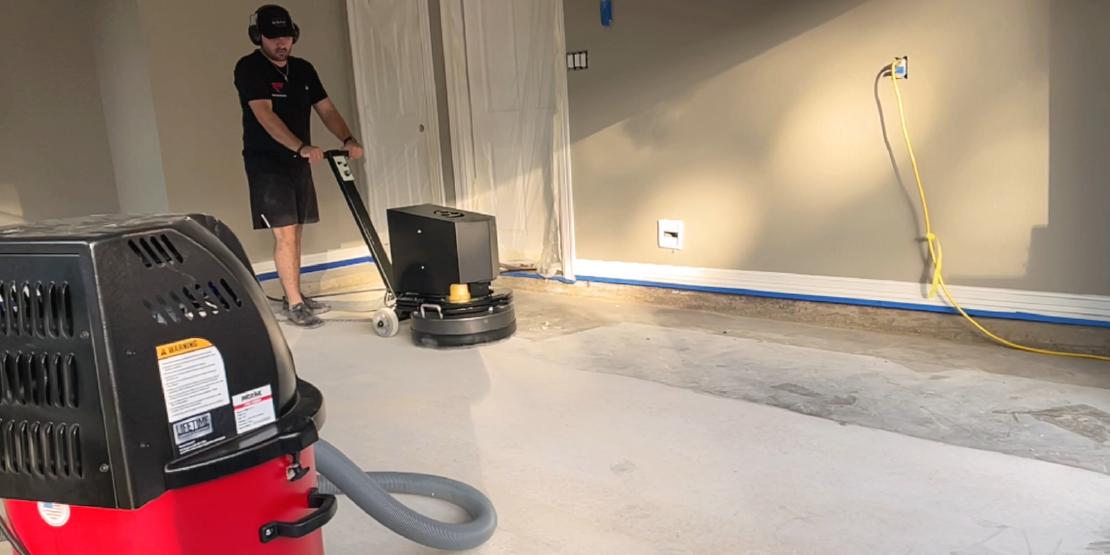
While applying metallic coatings, it’s crucial to have a proper cleaning and surface preparation regimen. Care should be taken to ensure the surface is free of any debris or rust that could compromise the adhesion of the coating. A common mistake made by many individuals is skipping this vital step. Metallic coatings bond with the material surface on the microscopic level, so presenting a clean, smooth surface for the application is a fundamental acting point.
Choosing the right type of coating for your project is equally vital. Each type of coating offers different benefits, from enhanced aesthetics to added durability. Research and understanding the nature of each type of metallic coating will help you select the most suitable option for your design project. This selection process is not just about the visual effect; considerations like the project environment, the wear and tear the object will undergo, and the desired lifespan of the coating should be factored in as well. After all, getting acquainted with these aspects can help in maximising the potential of metallic coatings.
Future Trends in Metallic Coatings and Design.
Emerging technological advancements and continuous innovation are expected to play a significant role in the future of metallic coatings. A leading trend to follow is “smart coatings,” intelligent substances designed to interact with their environment and respond in predetermined ways. These self-repairing coatings can detect and respond to damage by releasing a healing agent to repair cracks or scratches, thereby enhancing the durability and lifespan of the coated product.
Another exciting trend is the increase in eco-friendly coatings, in line with the global emphasis on sustainable design. These coatings use materials that are less harmful to the environment, without compromising on quality or aesthetics. In addition, there is ongoing research for coatings that can actively contribute to the environment, like photo-catalytic coatings that can break down airborne pollutants. These developments hint at an exciting, sustainable future for the world of metallic coatings in design.
What are metallic coatings?
Metallic coatings are a type of coating that contains metallic elements. They serve to protect the underlying material from corrosion, enhance aesthetic appeal, and contribute to the overall design element.
Why are metallic coatings important in design?
Metallic coatings play a crucial role in design due to their versatility, durability, and aesthetic appeal. They can significantly enhance the overall look and feel of a design project, offering a range of finishes from shiny and glossy to matte and textured.
What are the types of metallic coatings commonly used in design?
The types of metallic coatings often used in design include zinc, nickel, copper, gold, and silver. Each type offers unique properties and aesthetic variations.
How do metallic coatings contribute to the versatility of design?
Metallic coatings offer a wide range of finishes and colors, allowing for a high degree of customization in design. They can be applied to various materials and surfaces, and can also be manipulated to create different textures and visual effects.
How do metallic coatings enhance aesthetics?
Metallic coatings can add a luxurious and sophisticated touch to design. They can create visually interesting contrasts, add depth and dimension, and reflect light in appealing ways.
How durable are metallic coatings?
Metallic coatings are highly durable and can withstand a lot of wear and tear. They are resistant to corrosion, scratches, and dents, making them ideal for high-traffic areas.
What role do metallic coatings play in sustainable design?
Metallic coatings can contribute to sustainability by protecting materials from corrosion, thus extending their lifespan. Some metallic coatings are also recyclable, reducing the need for new material production.
What are the benefits of using metallic coatings in interior design?
Metallic coatings can add a unique and stylish touch to interior designs. They can be used to accentuate details, create focal points, and introduce a sense of luxury and sophistication.
Are there specific challenges in applying metallic coatings?
Applying metallic coatings can be challenging due to factors like surface preparation, coating selection, and application technique. It requires expertise to ensure a smooth, even, and durable finish.
Can you provide some tips for working with metallic coatings?
Some tips for working with metallic coatings include choosing the right type of coating for your project, properly preparing the surface, applying the coating evenly, and allowing sufficient drying time.
What are the future trends in metallic coatings and design?
Future trends in metallic coatings and design may include the increased use of eco-friendly materials, innovative application techniques, and new finishes and colors. Sustainability and aesthetics will remain key considerations in the development of new metallic coatings.