
Innovative Garage Floor Coating Materials and Techniques
Understanding the Need for Garage Floor Coatings
The garage, often an overlooked area, plays a significant role in protecting vehicles, storing essential tools, and sometimes, even doubling as a workspace. However, the regular wear and tear from vehicles, the stains from oil spills, and the damaging impact of chemical substances can leave the otherwise sturdy concrete floor looking unkempt. Hence arises the pivotal requirement for garage floor coatings. These coatings not only beautify the floor but also extend its durability, resistivity, and longevity.
In an age where design aesthetics and home improvement are slowly transcending to include every inch of the house, proper garage floor coatings become no less than a necessity. Apart from enhancing your garage’s visual appeal, they serve the crucial function of safeguarding it against potential damages. The right coating can prevent the penetration of water and other substances, reduce dust, provide a degree of soundproofing, and create a safer, non-slip surface. On account of these benefits, garage floor coatings are certainly worth considering.
Exploring the Different Types of Garage Floor Coatings
Garage floors bear the brunt of various activities, from vehicle storage and repair work, to rough and tumble playdates or home gym workouts. Hence, it’s critical to use floor coatings that protect them from damage. There are several types of coatings, each with its unique features and benefits. Understanding the various garage floor coatings can help homeowners make informed decisions, ensuring longevity and functionality of the area.
Among the most common types, epoxy resin coatings stand out for their durability and appealing finish. They offer resistance to a plethora of substances such as oil, petrol, bleach, and more. Another popular choice is polyurethane, noted for its protective qualities against abrasion and chemical damage. Acrylic sealers, though less durable than epoxy and polyurethane, offer a cost-effective solution and are easier to apply. On the other hand, polyaspartic coatings, renowned for their fast-curing time, are the go-to choices for professional garage businesses. Each coating type caters to different needs and budgets; hence, it’s pivotal to assess your garage’s requirements before making a decision. • Epoxy Resin Coatings: Known for their robustness and aesthetic appeal, epoxy resin coatings stand tall among the most common types of garage floor coatings. They provide a sturdy shield against various substances such as oil, petrol, bleach etc. This makes them an ideal choice for garages that are frequently used or exposed to harsh elements.
• Polyurethane Coatings: Praised for their protective properties against abrasion and chemical damage, polyurethane coatings offer another excellent option for safeguarding your garage floors. While they might be slightly pricier than other options, their superior durability ensures long-lasting protection.
• Acrylic Sealers: If you’re looking for a cost-effective solution to protect your garage floors without breaking the bank, acrylic sealers could be the right fit. Although not as durable as epoxy or polyurethane coatings, they’re relatively easier to apply and can still offer decent protection against everyday wear and tear.
• Polyaspartic Coatings: Renowned in professional garage businesses due to their fast-curing time, polyaspartic coatings allow quick turnaround times without compromising on quality or durability. These are perfect if you need your garage back in operation quickly after application.
Remember that each coating type is designed with different needs and budgets in mind; it’s therefore crucial to assess your specific requirements before making a decision about which type of coating would best suit your garage floor.
The Advantages of Epoxy Resin for Garage Floors
Garage floors demand a resilient and durable material due to the daily foot and vehicular traffic, heavy loads, exposure to harsh chemicals, and potential spills of oil or hot tires. Among various coatings, epoxy resin offers standout characteristics known for their high degree of durability, longevity, and aesthetics. This high-performance material creates a shiny high-gloss surface, improving the lighting in the garage by reflecting light. This upgrade affects the overall look and feel of the space, transforming a mundane garage into a polished and inviting space.
Moreover, epoxy resin surfaces are oil, water, and chemical-resistant, which ensures easier cleanup and maintenance in the long run. This coating also offers optimal safety features, including slip, heat, and fire resistance, reducing the risk of unfortunate accidents. Combined with its durability, this makes it an ideal choice for high-traffic environments like garages. Despite daily wear and tear, epoxy resin ensures that your garage floor maintains its look for years without peeling or cracking. Besides, with a vast array of colours and textures, epoxy coatings give you the flexibility to customize the garage floor to best suit your style preference.
Polyurethane Coatings: A Durable Choice for Garage Floors
When it comes to durability and resilience, polyurethane coatings make an excellent choice for garage floors. This type of floor coating can endure heavy machinery, high foot traffic, and chemical spills without cracking or fading, making them perfect for highly utilitarian spaces like garages. With remarkable scratch and abrasion resistance, polyurethane coatings offer a tough surface that is able to withstand even the harshest environments.
Apart from their durability, polyurethane coatings also have aesthetic appeal. They come in a variety of finishes: glossy, satin, or matte, allowing homeowners to match their garage floor with the rest of their home decor. Coupled with their inherent resistance to yellowing and their capacity to cover minor imperfections on the floor surface, polyurethane coatings provide both performance and aesthetics, transforming the once dull and unimpressive garage floor into a functional and visually pleasing space.
The Rise of Acrylic Sealers in Garage Floor Coating
Once a lesser-known option, acrylic sealers have grown in popularity for use on garage floors. They are water-based formulations, meaning they offer a more eco-friendly solution compared to other garage floor coatings. These sealers are capable of penetrating deep into the concrete to create a robust protective layer. Moreover, they provide a glossy finish that greatly enhances the aesthetic appeal of an otherwise drab garage floor.
The major selling point of acrylic sealers is their quick-drying feature. Most of them can dry to touch within just a couple of hours, unlike other coatings which could take up to a day or more. Furthermore, they offer UV resistance, so the color of your garage floor doesn’t fade over time due to sunlight exposure. Not only do they protect against oil and grease stains, but their ability to resist hot tire pick up catapults them into a favored position among homeowners.
Polyaspartic Garage Floor Coatings: A Closer Look
Polyaspartic coatings for garage floors are increasingly gaining popularity due to their myriad of benefits. This type of coating is a subclass of polyurea, characterized by its superior durability, quick curing time, and resistance to a variety of damaging elements. It is particularly known for its rapid application process, which significantly reduces operational downtime, making it a preferred choice among homeowners and businesses alike.
Despite the relatively higher upfront cost, polyaspartic coatings offer long-term value thanks to their hard-wearing surface that withstands heavy foot and vehicle traffic. Remarkably, this coating is capable of withstanding a variety of chemical spills without staining, making it ideal for garages housing motorcycles and cars. Furthermore, its UV stability allows for vibrant, unfading colors and patterns, even when exposed to direct sunlight. Such aspects contribute to the versatile appeal of polyaspartic garage floor coatings, transforming the once drab, utilitarian garage space into a functional and aesthetically pleasing part of the property.
How to Choose the Right Material for Your Garage Floor Coating
When it comes to selecting the correct material for garage floor coating, the primary factors to consider are the specific needs of each garage. These may include moisture control needs, level of traffic, durability requirements, aesthetic preferences, as well as budget constraints. Factors such as whether the garage is used only for parking cars, or also used for other purposes like a workshop or sports area, can also influence the type of coating to choose from. Durability and resistance to chemical spills and stains are important considerations to protect the garage floor from damage and ensure it looks good for years.
Among the popular materials, epoxy resin and polyurethane coatings rule the roost, offering superior resistance against chemical spills and heavy traffic. While acrylic sealers cater to budget-conscious consumers looking for a quick-fix solution, they may not provide long-lasting protection. Polyaspartic coatings, though a relatively newer offering in the market, promise quick curing times and extreme temperature tolerances. It’s crucial to understand each of these materials’ pros and cons to make an informed choice that perfectly meets your garage floor coating needs.
The Step-by-Step Guide to Applying Garage Floor Coatings
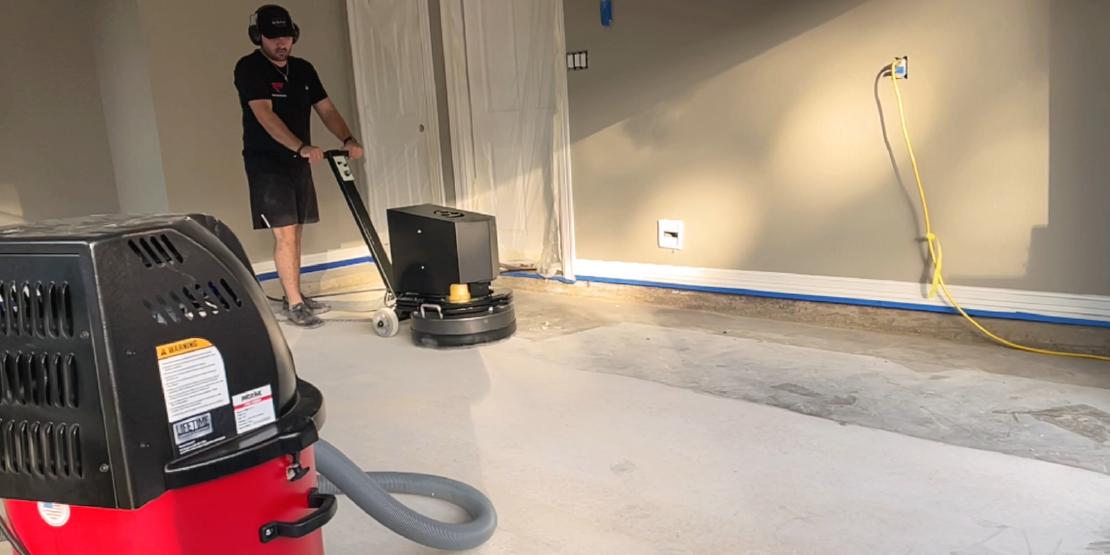
Applying garage floor coatings is a detailed process that requires precise execution for optimal results. The process begins with a comprehensive cleaning of the garage floor to remove any dust, dirt, oil, or grease that can interfere with the adhesion of the coating. The cleaning involves scrubbing and a thorough rinse, then the floor should be allowed to dry completely before moving on to the next step.
Preparation of the coating mixture follows, which requires exact measurement and careful mixing of components. Epoxy coatings, for instance, typically involve a hardener and a resin that must be combined according to manufacturer instructions for ideal consistency and performance. Once the mixture is ready, application begins, typically with use of a roller for even distribution. Care must also be taken to ensure ‘feathering’ of the edges, which involves the application of less product at the boundaries to avoid the creation of lines. After application, the new coating needs adequate time to cure before the garage can be put back into use.
Maintaining the Shine: Garage Floor Coating Care Tips
While a properly installed garage floor coating is designed to resist harsh conditions, its performance and longevity can be extended through regular care and maintenance. Following a few key guidelines, such as avoiding shock impacts, heavy falls, and sliding heavy items across the floor, can make a significant difference. In case any spills or leaks occur, prompt removal will prevent potential staining or damage to the protective layer. It’s also important to keep your coated garage floor free from debris and dust, as these can ruin the finish and make the surface appear dull.
Routine cleaning and sweeping usually suffice to keep your garage floor coating looking its best, but for heavier grime, a light mopping with a non-abrasive detergent might be necessary. Avoid harsh cleaners or solvents that can damage the coating, and refrain from power washing, as it can cause the coating to lift from the concrete. When cleaning your garage floor, the use of soft bristle brooms or foam mops is recommended, as rough or hard-bristled tools may potentially scratch the coating. Utilizing these tips will help maintain the shine and prolong the life of your garage floor coating.
Troubleshooting Common Issues with Garage Floor Coatings
Garage floor coatings often exude aesthetic elegance and practicality simultaneously. However, homeowners might sometimes encounter problems with their expensive and vibrant coatings. One such prevalent problem is hot tire pick-up, where softened coating is inclined to stick to hot tires and gradually peel off when the car is repositioned. This issue can be traced back to the coating’s improper installation or an incorrect product type.
Another common challenge for garage floor coatings is blushing or whitening. This is typically visible in epoxy-based coatings and arises due to the formation of moisture during the curing process. Blushing can greatly dim the shine and vibrancy of a perfectly good floor finish. The most effective solution lies in using a high-quality vapor barrier before application or opting for blushing-resistant products. These troubleshooting measures can ensure your garage floor coatings continue to radiate their desired appeal.
Exploring the Latest Trends in Garage Floor Coating Technology
In the ever-evolving world of garage floor coating technology, several trends have proven to be quite popular among homeowners and professionals alike. One such trend is the use of metallic epoxy coatings. These coatings feature a unique blend of colorful mica pigments mixed with epoxy, resulting in floors that exude a dazzling 3D visual effect. The finished result is not only durable but also eye-catching, infusing an element of modern aesthetic appeal into standard garage spaces.
Also gaining momentum is the shift towards more eco-friendly coatings. Technological advancements have paved the way for low Volatile Organic Compound (VOC) coatings to come to the fore. These coatings are known for their low environmental impact, while not compromising on durability and resilience. Chip systems, another trend in the rise, have been appreciated for the vibrant color options and uniform texture they provide, transforming regular garages into visually pleasing spaces.
The Future of Garage Floor Coatings: What to Expect
In the realm of garage floor coatings, exciting developments are forecasted. Experts anticipate the evolution of more durable, longer-lasting materials that can resist chemicals, stains and other adversarial elements. This is chiefly due to increased research and advancements in polymer technologies. Experts also envisage the rise of faster-curing coatings, which would drastically reduce the downtime currently associated with the application process.
Furthermore, environmental consciousness is influencing the future of garage floor coatings. Manufacturers are expected to lean increasingly towards low volatile organic compound (VOC) products, given the mounting regulatory pressures and the growing demand for green products. There is also a likely surge in demand for garage floor coatings with antibacterial and antiviral properties, triggered by increased health and safety concerns worldwide. All these factors contribute to the rapidly changing and dynamic nature of the garage floor coatings landscape.
Garage Floor Coating Case Studies: Real World Applications and Results
In a recent case study, a homeowner in Florida upgraded his three-car garage with a polyurethane coating. This coating is selected for its high durability and resistance to heat, ideal for the Florida climate. The homeowner reported that the coating maintained its new-like aesthetic and structural integrity even a year after application. Moreover, simple sweeping was sufficient to keep the coating clean, eliminating any need for intensive maintenance or professional cleaning services. The longevity and sturdiness of the polyurethane can be attributed to its unique physical properties; it forms a hard, dense surface that can withstand high traffic and resists chipping or peeling.
Another case study focused on a professional mechanic’s shop in New York that used epoxy resin for their garage floor. The mechanic praised this type of coating for being resistant to oil stains and chemical spills, a typical occurrence in such settings. Even spillage of high-impact substances such as brake fluid and battery acid could not damage the glossy finish of the epoxy coating. Further, the floor reflected the overhead lighting, improving visibility considerably while working on vehicles. The epoxy coating’s deep gloss and seamless look completely transformed the aesthetics of the garage, communicating professionalism and attention to detail. These real-world applications underline the effectiveness and utility of specialized garage floor coatings in diverse settings.
Why do we need garage floor coatings?
Garage floor coverings are essential for protecting the concrete from oil, grease, chemicals, and other substances that can seep into the pores and cause deterioration. They also enhance the aesthetic appeal of the floor.
What are the different types of garage floor coatings?
The different types of garage floor coatings include epoxy resin, polyurethane, acrylic sealers, and polyaspartic coatings. They all have their unique properties and benefits.
Why is epoxy resin a good choice for garage floors?
Epoxy resin is a popular choice for garage floors due to its excellent durability, resistance to chemicals, and ease of maintenance. It also gives the floor a high-gloss finish that can enhance its aesthetic appeal.
How does a polyurethane coating help a garage floor?
Polyurethane coatings are known for their durability and resistance to abrasion and chemicals. They also provide a smooth, easy-to-clean surface, making them a practical choice for garage floors.
What are the benefits of acrylic sealers in garage floor coating?
Acrylic sealers are fast-drying and provide good protection against water and chloride intrusion. They also enhance the color and texture of the floor.
Can you provide some insights on polyaspartic garage floor coatings?
Polyaspartic coatings offer quick curing times, allowing for faster installation. They are also highly resistant to abrasion, UV rays, and chemicals, making them a robust option for garage floors.
How do I choose the right material for my garage floor coating?
Consider factors like your budget, the current condition of your garage floor, the level of maintenance required, and the type of activities that will take place in the garage.
How do I apply garage floor coatings?
The general process involves cleaning the floor, repairing any cracks or damages, applying a primer, then applying the coating. However, the exact steps may vary depending on the type of coating you choose.
How can I maintain the shine of my garage floor coating?
Regular cleaning and avoiding harsh chemicals can help maintain the shine of your garage floor coating. Some coatings may also benefit from periodic resealing.
What are some common issues with garage floor coatings?
Common issues with garage floor coatings can include bubbles, peeling, or discoloration. These can be caused by factors such as improper application, moisture issues, or the use of low-quality materials.
What are the latest trends in garage floor coating technology?
The latest trends include eco-friendly coatings, coatings with antimicrobial properties, and coatings that can withstand extreme temperatures and heavy traffic.
What is the future of garage floor coatings?
The future of garage floor coatings may involve more environmentally friendly options, coatings that can self-repair, and the use of advanced materials for increased durability and resistance.
Can you provide some real world applications and results of garage floor coatings?
Garage floor coatings have been effectively used in residential garages, commercial garages, and industrial settings, resulting in increased durability, enhanced aesthetics, and easier maintenance. The exact results can vary depending on the type of coating used and the specific application.