
Innovative Use of Color in Floor Coatings
Exploring the Power of Color in Flooring Solutions
Color, when artfully deployed in flooring solutions, can bring a transformative leverage to any setting. It’s systematic application can help in influencing an onlookers perception, inducing a variety of psychological responses, create vivid mood inputs and even simulate spatial changes. The profound influence color carries, especially in the domain of interior decor, is partly attributed to inherent human psychology and partly to the science of optics. Understanding this unique interplay of color, perception, light, and space can aid homeowners, architects, and designers alike to create stunning visual experiences and hone their personal or professional styles.
The science behind choosing a floor color extends beyond simple aesthetics. It is more about tapping into the inherited attributes of visuals and color psychology that decide how color impacts humans on a subconscious level. Delving into trending hues in modern flooring designs, one would find the rapidly growing popularity of vibrant colors in floor coatings. These vivid tints, despite their stark departure from traditionally mild ones, are gaining favor due to their ability to add dynamism and vigor to any living or workspace. At the same time, floor color choices and combinations with wall paint have also become an intricate art, setting the stage for creating patterns and achieving color effects that were unthinkable a few decades ago. • The power of color in flooring solutions can be harnessed to create transformative changes in any setting. This is achieved through its ability to influence perception, induce psychological responses, set moods and simulate spatial shifts. • The impact of color on human psychology and the science of optics play a major role in interior decor. By understanding this unique interplay, homeowners, architects and designers can create visually stunning experiences that reflect their personal or professional styles. • Choosing a floor color goes beyond aesthetics; it involves tapping into the inherent attributes of visuals and color psychology. These factors determine how colors subconsciously affect humans. • Vibrant colors are increasingly being used in modern floor coatings due to their ability to add dynamism and vigor to living or workspaces. This represents a shift from traditional mild hues towards more striking ones. • Floor color choices combined with wall paint have evolved into an intricate art form that sets the stage for creating patterns and achieving previously unthinkable effects.
In conclusion: Color plays an integral role not only in enhancing visual appeal but also influencing mood, perception, space simulation etc., making it a powerful tool for interior design solutions including flooring. With growing trends towards vibrant hues coupled with innovative combinations with wall paints, there’s much room for exploration within this domain for homeowners as well as professionals like architects & designers alike who wish to make impactful statements through their spaces’ designs & decors.
Understanding the Impact of Color on Space Perception
Delving into the world of interior design, the impact of color on space perception forms a critical consideration. Floor color, as an integral part of a room’s color palette, can have a significant impact on how spacious or compact a room appears. Light colors, for instance, are renowned for their ability to make a room feel larger and more open. This is due to their high reflectivity, which maximizes natural light and creates a sense of spaciousness. With lighter flooring choices, enclosed spaces can seemingly expand, creating an illusion of increased roominess.
On the other side of the spectrum, darker floor colors can add depth and warmth to a room, fostering a more intimate and cozy atmosphere. They can subtly trim down wide spaces, offering a sense of containment. However, you must remember that dark hues, while offering elegance and depth, can make a room appear smaller if not balanced with lighter walls or furnishings. Therefore, the color choice for flooring should be made with careful consideration of the room’s size, natural lighting availability, and overall aesthetic goal.
How Color Choices Influence the Mood of a Room
The intrinsic relationship between one’s emotional state and the colors present in the surrounding environment has prompted both interior designers and psychologists to delve into deeper research. Color, specifically in floor coatings, is one of the most potent elements of interior decor that can manipulate the ambiance of any room significantly. For instance, neutral shades such as beige, cream, and subtle greys often evoke feelings of tranquility and simplicity, subtly adding a sense of space to the confines of the four walls.
On the other spectrum, vibrant and intense colors like red, orange, or deep blue bring out a dynamic and pulsating energy into the space. Red, commonly associated with passion and excitement, can actually stimulate physical senses, including appetite. Thus, it’s a popular color choice for dining areas. Blue, reflecting elements of calmness and serenity, fits perfectly into areas designed for relaxation. Hence, understanding the emotional response to different colors can veritably guide individuals to make informed color choices for their flooring solutions.
The Science Behind Choosing the Right Floor Color
Color selection for flooring is not merely an aesthetic decision; there’s an intricate science behind it. Different colors stimulate our brain in varied ways, influencing our feelings and behavior. Studies show that warmer colors like red, orange, or yellow make a space feel cozy and intimate, whereas cooler tones such as blues or greens can evoke a calm, serene vibe. Using bright colors can enlighten the mood and make a room feel vibrant and energetic, while neutral tones create a quiet and less stimulating atmosphere.
Lighting also plays an essential role in perceived color. Changes in lighting throughout the day can alter how our eyes interpret a color, offering different effects. Here, the science of color theory comes into play – colors and lighting interact, sometimes seemingly changing the color itself. For instance, direct sunlight can intensify colors while artificial light might soften them. Therefore, when choosing the perfect floor color, considering light sources and how they interact with the color is crucial for maintaining consistency in a room’s aesthetic.
Trending Colors in Modern Flooring Designs
In the evolving world of interior design, flooring is not exempt from the influence of color trends. A spotlight has been cast on neutrals with soft and serene hues acting as a powerful tool in creating a calm and relaxing environment. Neutrals, particularly in shades of gray and beige, have taken the forefront in modern flooring designs. The rise of these understated color schemes is a testament to their relaxing aesthetic and power to blend seamlessly with various interior styles and fixtures.
On the other end of the spectrum, vibrant colors are making their splash in the realm of floor coatings, subtly breaking the monotony of traditional flooring designs. Tempting hues of blues, greens, and even burnt oranges are being integrated into flooring for a pop of color. These trendy colors not only add a fresh and vibrant twist but also emerge as a unique element of surprise in any given space, stimulating visual interest and altering the perception of the room’s size and shape. The ever-changing landscape of today’s color trends reveals an invigorating blend of serene neutrals and bold hues, dotting modern flooring designs with innovation and style.
Why Vibrant Colors are Gaining Popularity in Floor Coatings
An eclectic shift in interior design trends is currently witnessing a remarkable embrace of vibrant colors. The transformative power of these vivid hues is luminously playing out in flooring solutions, leaving behind the once predominant earth tones and muted color options. The dominance of vibrant colors in floor coatings is not just a matter of aesthetic preference, it is also a profound expression of the homeowner’s personality and spirit.
Additionally, it has been discovered that vibrant colors create striking visual impacts, with limitless possibilities to rejuvenate and illuminate spaces. Researchers have associated vibrant floor colors with stimulating psychological responses, such as creating feelings of vitality, energetic ambiances, and driving motivation. Therefore, from neon greens in gyms to warm, ruby reds in lounges, vibrant floor coatings offer an innovative way to convey certain moods, stimulate desired responses, and ultimately redefine the space.
The Art of Matching Floor Colors with Wall Paint
Creating a harmonious living space often hinges upon effective color balance. This balance is especially significant in pairing floor colors with wall paint. When these two elements are in perfect sync, they bring out the beauty in household decor, furniture, and accessories. However, finding the ideal match requires a thoughtful understanding of how color tones complement each other. The psychology of color and personal preference heavily influence these choices, establishing a color palette that lends itself to a comfortable and inviting environment.
A warm hardwood floor, for example, pairs well with wall paint in the green or blue spectrum. This creates a natural, earthy feel, reminiscent of the outdoors. Similarly, cool-toned floors, such as slate gray or blue tile, can immensely benefit from the warmth of wall paint in shades of peach, cream, or soft yellows. On the other hand, a neutral flooring, like white marbles or beige tiles, allows for versatility with wall colors. Ultimately, the fundamental guide is achieving visual balance and comfort within the space.
How Different Lighting Affects the Appearance of Floor Colors
The influence of lighting on the appearance of floor colors is crucial in setting the aesthetic tone of a space. Natural light tends to illuminate the true colors and subtle variations of the flooring, bringing forth a sense of openness and freshness. It enhances light-colored floors, making the space seem larger and more inviting. Dark floors, on the other hand, absorb more natural light, which can darken the room but can also generate a cozy, intimate vibe.
Artificial lighting comes in many forms and each type impacts the perception of floor colors differently. Fluorescent lighting often washes out colors, making them appear blander, while incandescent lighting induces a warm, yellowish hue that can intensify the warmth of red, orange, or brown tones in a floor. LED lights, being versatile, can mimic both natural and varied forms of artificial lighting. Thus, the selection of appropriate lighting is tantamount to the chosen floor color and the overall effect intended for the room.
Floor Coating Techniques for Achieving Desired Color Effects
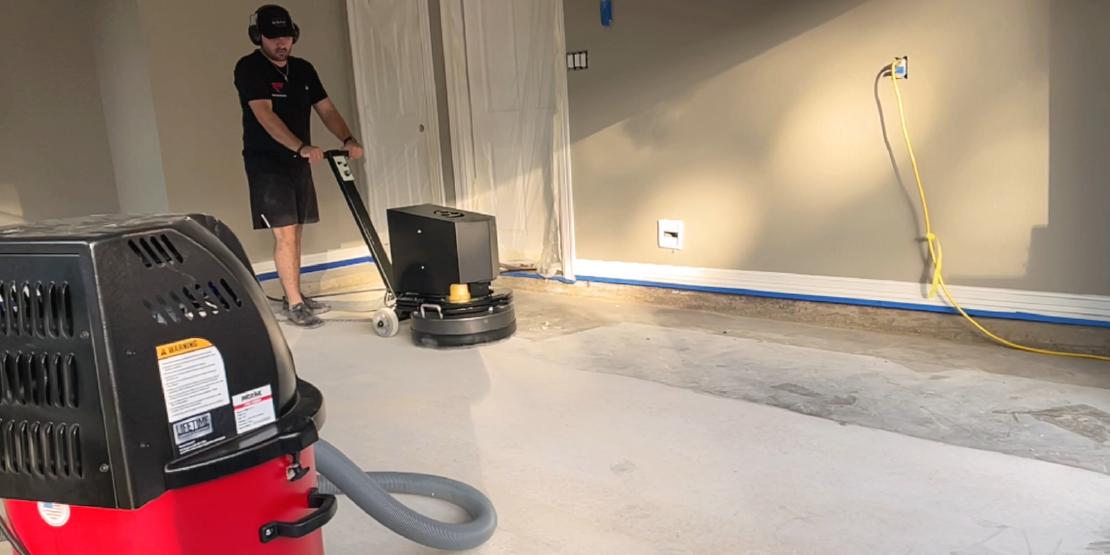
The process of crafting the perfect hue on your floors involves understanding the potential of various coating techniques. Each technique brings a unique benefit, influencing not only the color but also the texture and overall appearance of the floor. Coating techniques include but are not limited to staining, painting, epoxy coating, and acid etching. Staining represents an excellent way to impart rich, deep colors into your floor. On the contrary, painting opens up a wide spectrum of vibrant colors, ideal for creating bold and creative designs.
Epoxy floor coating has a twofold advantage: besides delivering an astonishing range of colors, it also provides durability, making it a popular choice for industrial and commercial spaces. Acid etching, while more typically employed for creating patterns and designs, can also be utilized to add subtle color effects to a concrete floor. In choosing a technique, it’s crucial to consider not only the desired color effect but also the long-term maintenance and wear of the floor. After all, a beautiful floor is only as good as its ability to retain that beauty over time.
Creating Patterns with Multiple Colors in Floor Coatings
The visually aesthetic quality of floor coatings can be substantially enhanced through creative use of patterns. Adopting multiple colors, when done with thoughtful planning, allows for unique designs that enhance the overall mood and vibe of a room. This approach to floor decoration not only adds an element of interest and appeal, but can also lend itself to custom personal expressions.
In creating these patterns, one may choose to alternate between two or more colors for a striking contrast or use several shades of the same color for a more subtle effect. Light and dark shades can be combined to add depth and create an illusion of space. Additionally, geometric designs, abstract scenes, or even imitations of natural elements, like cobblestone or wood grain, can be fascinating creative ventures. The captivating diversity made possible by this technique is redefining the norms of modern interior design.
Environmentally Friendly Color Choices for Floor Coatings
Taking into consideration the current state of our environment, many homeowners and builders are gravitating towards sustainable materials and eco-friendly options. One such opportunity to make an environmentally sound choice presents itself in the arena of floor coatings. With a multitude of offerings in the market today, it’s easier than ever to select options that not only respect the planet but also provide an aesthetically pleasing result. Consider coatings made from naturally occurring substances, tinted with mineral-based pigments or those produced and processed in a way that results in minimal environmental impact.
Moreover, the emergence of advanced technology in paint production has led to the advent of several low volatile organic compound (VOC) and zero-VOC paints and coatings. These offer numerous eco-friendly and health benefits, causing less harm to the atmosphere and reducing the risk of respiratory issues for inhabitants. Also, recycled coatings have grown in popularity, utilizing post-consumer material in their production. In essence, the perfect floor color no longer has to be a compromise between environmental responsibility and design sophistication.
The Future of Color Trends in Floor Coatings
Advancements in technology and shifting lifestyle trends point towards a more dynamic, expressive future in floor coating colors. Bold shades, ranging from fiery reds and rich blues, to calming greens and warm neutrals, have made dramatic entrances in architectural and interior design outlets. Moreover, the advent of eco-friendly coloring agents has brought in the trend of ‘green’ flooring solutions - not just in color but in essence. These allow homeowners and designers not just to create aesthetically pleasing spaces, but also to contribute positively to the environment.
Innovations in material science have also enabled the creation of floor coatings that mimic the natural textures of stone, wood, and even fabric, bringing a unique blend of color and texture to the flooring industry. Along with this, the popularity of customized, artisan-inspired floor coatings is on the rise, allowing individuals to truly express their personal style and create a uniquely personal space. Exceptional quality, durability, and improved color retention technologies ensure these trends will continue to gain momentum, leading us into a future of vibrant and varied floor coating colors.
Maintaining the Vibrancy of Colored Floor Coatings Over Time
Caring for your vibrant, colored floor coatings can seem like a daunting task. However, armed with the correct knowledge and tools, you can keep your flooring looking as bright and crisp as the day it was installed. Choosing a quality floor coating is the first step in this process. High-quality coatings are designed to resist fading and retain their initial vibrancy for many years. Coupled with adequate care and maintenance, these premium coatings can stay bright and attractive for a long time.
Another essential factor in maintaining the vibrancy of colored floor coatings is regular cleaning. Dirt, dust, and grime can wear down the surface of the coating over time, leading to a dull and faded appearance. Moreover, certain cleaning solutions can also cause discoloration or damage to the floor coating. Therefore, it is recommended to use cleaning products that are specifically designed for colored floor coatings. These products will not only clean the floor but also help protect and preserve the color. Overall, maintaining the vibrancy of your colored floor coatings is a manageable task with the right materials and maintenance routine.
What is the impact of color on space perception?
The color of a room can greatly impact how the size and space of the room are perceived. Lighter colors tend to make a room appear larger and more open, while darker colors can make a room feel smaller and cozier.
How can the color choice influence the mood of a room?
Colors can evoke specific moods and feelings. For instance, blues and greens are often associated with calmness and serenity, while reds and oranges might evoke energy and warmth.
What should be considered when choosing the right floor color?
When choosing a floor color, consider the size and natural lighting of the room, the color of your walls, your furniture, and your personal preference in terms of mood and style you want to achieve.
What are some trending colors in modern flooring designs?
Trending colors in modern flooring designs include neutrals like greys and whites, earthy tones like browns and beiges, and bold choices like blues and greens.
Why are vibrant colors becoming popular in floor coatings?
Vibrant colors are becoming popular in floor coatings as they offer a way to add personality and character to a space. They can make a bold statement and can also work to liven up a neutral decor scheme.
How can I match floor colors with wall paint?
When matching floor colors with wall paint, it’s important to consider the overall balance of the room. If your walls are a bold color, you might want to choose a neutral floor color, and vice versa.
How does different lighting affect the appearance of floor colors?
Different types of lighting can greatly affect how a floor color appears. Natural light tends to show the truest color, while artificial lights can cast various hues depending on the type of bulbs used.
What techniques can be used to achieve desired color effects in floor coatings?
Techniques such as applying multiple coats, using a primer, or using a tinted sealer can help achieve the desired color effects in floor coatings.
Can I create patterns with multiple colors in floor coatings?
Yes, using multiple colors in floor coatings can create unique and interesting patterns. This can be done by using different colored coatings or by using stencils.
Are there environmentally-friendly color choices for floor coatings?
Yes, many manufacturers offer eco-friendly floor coatings that use water-based or low-VOC (Volatile Organic Compounds) formulas. These are better for the environment and for indoor air quality.
What are the future trends in floor coating colors?
Future trends in floor coating colors are likely to include more custom options, a wider range of natural and earthy tones, and bold, vibrant colors.
How can I maintain the vibrancy of colored floor coatings over time?
To maintain the vibrancy of colored floor coatings over time, consider applying a protective sealant, clean the floor regularly with non-abrasive products, and try to prevent direct sunlight exposure which can fade colors.