
Introduction to Epoxy and Polyurethane Coatings
Understanding Epoxy Coatings
The scientific definition of an epoxy coating refers to the use of epoxy compounds as coatings or paints. It’s essentially a two-part system consisting of a resin and a hardener; the resin lends the coating its environmental resilience, while the hardener is the catalyst that gives the coating its strength and durability. The dominance of this two-ingredient combination enables the formation of a rigid plastic material that is robust, resistant to degradation, and bonds exceptionally well to its substrate.
Epoxy coatings are renowned for their excellent chemical resistance, robust mechanical properties, brilliant durability, and superior adhesion. They offer a high gloss, aesthetically pleasing finish that is not only easy to maintain but also stifles the growth of bacteria and molds. Moreover, they are incredibly resistant to high temperatures and extreme pressure, making them an ideal choice for challenging industrial applications. These systems provide strong, fast, and permanent adhesion, making them well-suited to protect various substrates.
Basics of Epoxy Formulation
Epoxy resins are thermosetting polymers that gain their impressive qualities from crosslinking reactions. These resins are typically produced using bisphenol A and epichlorohydrin. Bisphenol A provides hardness and resistance, while epichlorohydrin adds flexibility. The reaction process, known as polymerization, changes the entire molecular structure by curing, causing the resin to harden and form a durable, long-lasting plastic surface.
Formulation of epoxy coatings involves multiple ingredients, each contributing in a unique way to its characteristics. After resin, the second main input is a curing agent or hardener. The ratio of epoxy resin to curing agent vastly influences the final properties— too much hardener can make the coating brittle and crack-prone, while an insufficient amount can render it soft or tacky. Various additives and fillers may also be included to impart specific qualities such as improved adhesiveness, increased water resistance, or enhanced gloss.
Benefits of Epoxy Coatings
Epoxy coatings offer several compelling advantages that have made them a preferred choice in numerous industrial settings. One of the most notable features is the superior adhesion properties. This coating bonds incredibly well to surfaces, providing a durable layer of protection that can tolerate significant wear and tear. Its excellent bonding strength means it does not chip or peel easily, contributing to the longevity of the item or surface it covers.
In addition, epoxy coatings are renowned for their resistance to chemicals. They can withstand exposure to a variety of substances without degrading, making them perfect for environments where chemical spills or exposure is common. Given this strong resistance, epoxy coatings also find application in settings requiring sanitation, as they resist bacterial growth and can be easily cleaned. Thus, it’s no wonder that industries from food and beverage to pharmaceuticals widely utilize these coatings.
Common Uses of Epoxy Coatings
Epoxy coatings dominate a widespread array of applications, thanks to their robust coating integrity and versatility. One such prevalent application is in the maintenance and protection of industrial, commercial, and residential floors. Features such as extraordinary durability, resistance to heavy traffic, seamless finish, and chemical resistance account for epoxy paints becoming a top pick in areas, including warehouses, garages, aircraft hangars, hospitals, and food processing industries.
Moreover, epoxy coatings extend their utility to marine applications, acting as a bulwark against corrosion for commercial ships, submarines, and offshore platforms. They are also applied on steel or other metal structures in industries vulnerable to corrosive chemicals, such as oil and gas, power plants, and wastewater plants. Epoxy coating applications are manifold: anticorrosive layers for pipes and tanks, preventative layers in electronic devices, and even play pivotal roles in the artistic domain for creating attractive tabletops, jewelry, and other decorative items.
Potential Drawbacks of Epoxy Coatings
Despite its numerous strengths, epoxy coatings do come with a set of drawbacks that might make it less suitable for certain applications. For one, they are known for their rigidity once cured, which, while highly beneficial in many contexts, can potentially lead to cracking under significant impact. This rigid nature can also cause issues if applied to a surface prone to movement or flexing. Additionally, epoxy has a tendency to yellow or chalk when exposed to UV radiation, making it unsuitable for outdoor use without an additional UV protective layer.
Another common hurdle with epoxy coatings is the application process itself. These coatings require careful surface preparation and an accurate mix of resin and hardener to ensure a successful application. If improperly mixed, the coating may not harden correctly, leading to a range of problems including incomplete curing, compromised durability and an unsightly finish. Further, it is worth noting that epoxy coatings also come with a limited “pot life” - the time during which the mixed epoxy remains workable. Once this period elapses, the material becomes unworkable, potentially leading to wastage. In many cases, epoxy coatings also release volatile organic compounds (VOCs) during the curing process, raising concerns about environmental impact and indoor air quality.
Comprehending Polyurethane Coatings
Polyurethane coatings, often simply called “urethanes”, are a widely recognized and utilized type of coating material. They are popular for their incredible durability, versatility, and high-performance properties. The technological marvel of polyurethane is synthesized from the reaction of poly-isocyanate and polyol. It’s this combination that allows polyurethane to be versatile enough to meet a range of needs, solidifying their place in various industries.
Notably, polyurethane coatings have two important components: the base, or “part A”, and the hardener, or “part B.” The ratio of these components can greatly affect the properties of the final product. In general, changing the hardener’s type or quantity can modify the cured film’s durability, temperature resistance, and final film hardness. This innate ability to be heavily customizable is why polyurethane coatings are integral in multiple sectors, including automotive, industrial, marine, and architectural sectors, to name a few.
Essential Aspects of Polyurethane Formulation
Polyurethane coatings exhibit a remarkable range of properties due to their distinctive formulation. This class of coatings is created through a complex chemical process that involves the reaction of an isocyanate component with a polyol. The core ingredient, isocyanate, accounts for the durability and rigidity of the end product. The polyol, on the other hand, is primarily responsible for affecting factors such as flexibility, weather resistance, and gloss.
The formulation’s intricacy extends beyond the primary reactants. A cocktail of additives often complements these fundamental components to enhance certain properties or instill new ones. Additives may include catalysts to accelerate cure rates, pigments for colour, and flame retardants to improve safety. Moreover, the proportion of formulation components directly ties to the coating’s final characteristics, which lends flexibility to the production of polyurethane coatings with desired specifications and performance attributes.
Advantages of Polyurethane Coatings
Polyurethane coatings are hailed for their exceptional durability. They exhibit superior resistance against harsh weather conditions, abrasion, and chemicals, thereby increasing lifespan and reducing maintenance costs. This type of coating also offers excellent flexibility under fluctuating temperatures, a property which helps in preventing cracks and peels when applied on various surfaces.
Furthermore, the aesthetic appeal of polyurethane coatings cannot be overlooked. They offer bright glossy finishes that enhance the look of the coated object. Another significant feature is their ability to maintain color and gloss over time, regardless of continuous exposure to sunlight. These characteristic traits make polyurethane an excellent choice for both industrial and residential applications.
Typical Applications of Polyurethane Coatings
Polyurethane coatings exhibit a versatile range of characteristics, rendering them remarkably suitable for a diverse spectrum of applications. Notably hailed for their durability, resistance to abrasion, and weather-resilient properties, these coatings are often the go-to choice for both interior and exterior environments. Furthermore, their inherent flexibility plays a pivotal role in their ability to withstand impacts, making them a popular choice for surfaces prone to frequent, heavy use.
One encapsulating example lies in the automotive industry, where polyurethane coatings are widely deployed due to their high-gloss finish and remarkable resistance to harsh weather conditions and chemicals, a testament to their robust performance. In the domain of construction and architectural projects, these coatings are frequently utilized on various types of surfaces such as floors, buildings, and decorative elements, thanks to their ability to resist UV damage, provide longevity and maintain their aesthetic appeal over time.
Limitations of Polyurethane Coatings
While polyurethane coatings are hailed for their excellent finish and durability, they also come with a set of drawbacks that can’t be ignored. One such disadvantage is that they generally require a more labor-intensive application process. The surface needs to be thoroughly prepared and cleaned before application to avoid any defects in the final finish. Additionally, polyurethane coatings are quite sensitive to the presence of moisture during the application process, adding another layer of complexity to the task.
Another noteworthy limitation of polyurethane coatings is their reduced resistance to high temperatures compared to other types of coatings, such as epoxy coatings. Sustained exposure to elevated temperatures can cause the polyurethane coating to break down, altering its physical and chemical characteristics, and thus, diminishing its protective capabilities. Additionally, polyurethane coatings are comparatively more expensive, which may deter some from their use. Moreover, polyurethane coatings may not be the best choice for all types of surfaces. Certain materials like plastic or rubber can react negatively with these coatings, leading to an undesirable finish or even causing damage to the surface. This makes it crucial for users to consider the compatibility of their chosen substrate with a polyurethane coating before proceeding with its application.
The limitations of Polyurethane Coatings include:
• Labor-Intensive Application: The surface needs careful preparation and cleaning before applying a polyurethane coating. It is a time-consuming process that requires considerable effort.
• Sensitivity to Moisture: Polyurethane coatings are sensitive to moisture during application. Any presence of water can affect the final result and quality of finish.
• Reduced Heat Resistance: Compared to other types such as epoxy coatings, polyurethane has less resistance towards high temperatures which could lead to breakdowns over time.
• High Cost: These type of coatings are more expensive compared to other alternatives in the market which might make them less appealing for cost-conscious customers.
• Compatibility Issues: Not all surfaces are suitable for application. Materials like plastic or rubber may react adversely when coated with polyurethanes, resulting in potential damage or unsatisfactory finishes.
In conclusion, while polyurethane does offer certain advantages such as durability and excellent finishing qualities, there are also significant drawbacks that need consideration prior choosing this type of coating solution.
Comparing Epoxy and Polyurethane Coatings
Both epoxy and polyurethane coatings present unique aspects in terms of formulation, application, and performance. While epoxy coatings stand out for their exceptional adhesion to the substrate and superior chemical resistance, polyurethane coatings are preferred for their resistance to the harmful effects of UV radiation, color stability, and flexibility.
In essence, the choice between these two types of coatings significantly depends on the specific requirements of the project. For instance, epoxy coatings are often the go-to solution for industrial environments, garages, or basements, requiring high resistance to chemicals and heavy traffic. On the other hand, polyurethane coatings are typically used in outdoor applications or for projects requiring enhanced aesthetic appeal like automotive finishes or high-end furniture, due to their top-notch gloss and color retention capabilities.
Choosing Between Epoxy and Polyurethane Coatings
The decision between epoxy and polyurethane coatings largely hinges on the specific needs and demands of your project. Epoxy coatings are well-suited where durability against wear & tear and exposure to chemicals is needed. Often chosen for industrial environments,they offer solid resistance to weather conditions, strong adhesive properties, and come in a wide variety of colors making them a popular choice for many scenarios ranging from industrial to artistic applications.
On the other hand, polyurethane coatings provide a higher degree of flexibility and have superior resistance to UV radiation, making them a prime choice for applications exposed to sunlight. With an impressive gloss finish, these coatings are commonly used for outdoor furniture, automotive exteriors, and other areas where aesthetic appeal and protection from environmental elements combine. The lower volatile organic compound (VOC) content of polyurethane coatings also contributes to their growing popularity, as it aligns with sustainability goals. In the end, understanding your project’s specific requirements will determine the most suitable coating.
Tips for Applying Epoxy and Polyurethane Coatings
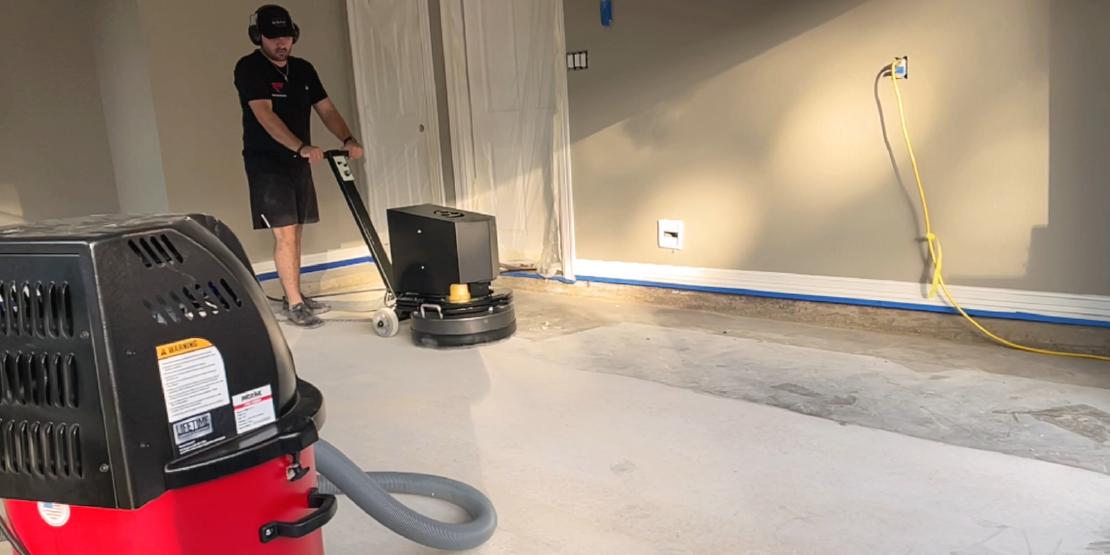
Whether you decide on an epoxy or polyurethane coating, proper application is crucial for optimal performance and longevity. The surface requiring the coating should be thoroughly cleaned and prepared. Accrued dirt, grime, oil, and any loose debris can adversely influence the adhesion of the coating. All surfaces, regardless of the material, must be dry and dust-free before application. As the preparation process may involve the usage of harsh chemicals, appropriate safety equipment such as gloves, goggles, and respirators is advisable.
For both epoxy and polyurethane coatings, maintaining ideal environmental conditions while applying is crucial. High humidity or extremely cold or hot temperatures can affect the curing process and overall finish. As a general rule, the temperature should range between 50 and 90 degrees Fahrenheit (10-30 Celsius) with a humidity level under 85%. These coatings are often applied in layers, making it necessary to cautiously adhere to the advised drying time before adding another layer. Following these guidelines can significantly increase the efficiency of both epoxy and polyurethane coatings. Remember, perfect results require patience and meticulous attention to detail.
What are Epoxy Coatings?
Epoxy coatings are a type of paint that provides a durable and resistant finish. They are typically used on concrete and metal to give resistance to water, alkali, and acids.
What are the basics of Epoxy Formulation?
Epoxy formulation involves the process of mixing epoxy resin with a hardener. The ratio of resin to hardener can vary depending on the application and the desired properties of the final product.
What are the benefits of Epoxy Coatings?
Epoxy coatings offer several benefits like high durability, resistance to chemicals, excellent adhesion, and high gloss finish. They are also easy to clean and maintain.
Where are Epoxy Coatings commonly used?
Epoxy coatings are commonly used in industrial and commercial settings. They are often used in areas like warehouses, commercial kitchens, showrooms, and garages.
Are there any drawbacks to using Epoxy Coatings?
While epoxy coatings offer several benefits, they may not be suitable for all applications. They can be prone to yellowing over time, especially when exposed to UV light.
What are Polyurethane Coatings?
Polyurethane coatings are a type of protective coating that offers excellent resistance to weather, abrasion, and impact. They create a hard, durable finish that is resistant to chipping and cracking.
What are the essential aspects of Polyurethane Formulation?
Polyurethane formulation involves the reaction between a polyol and a diisocyanate or a polymeric isocyanate under suitable conditions to create a urethane linkage.
What are the advantages of Polyurethane Coatings?
Polyurethane coatings offer excellent durability, resistance to UV light, and flexibility. They also provide a high-gloss finish and are available in a wide range of colors.
Where are Polyurethane Coatings typically used?
Polyurethane coatings are typically used in a variety of applications including automotive finishes, wood finishes, and high-performance industrial and marine applications.
What are the limitations of Polyurethane Coatings?
While polyurethane coatings are versatile and durable, they might have some limitations. They can be sensitive to moisture during application and can also have a stronger odor than other types of coatings.
How do Epoxy and Polyurethane Coatings compare?
While both epoxy and polyurethane coatings offer durability and a high-quality finish, the key difference lies in their resistance to UV light. Epoxy coatings can be prone to yellowing under UV light, while polyurethane coatings are more resistant.
How should I choose between Epoxy and Polyurethane Coatings?
The choice between epoxy and polyurethane coatings largely depends on the specific needs of your project. Factors such as exposure to UV light, the desired finish, and the application process should be considered when making your decision.
Do you have any tips for applying Epoxy and Polyurethane Coatings?
Yes, always ensure the surface to be coated is clean and dry. Follow the manufacturer’s instructions for mixing and application. Always use personal protective equipment, and allow ample time for the coating to dry between coats.