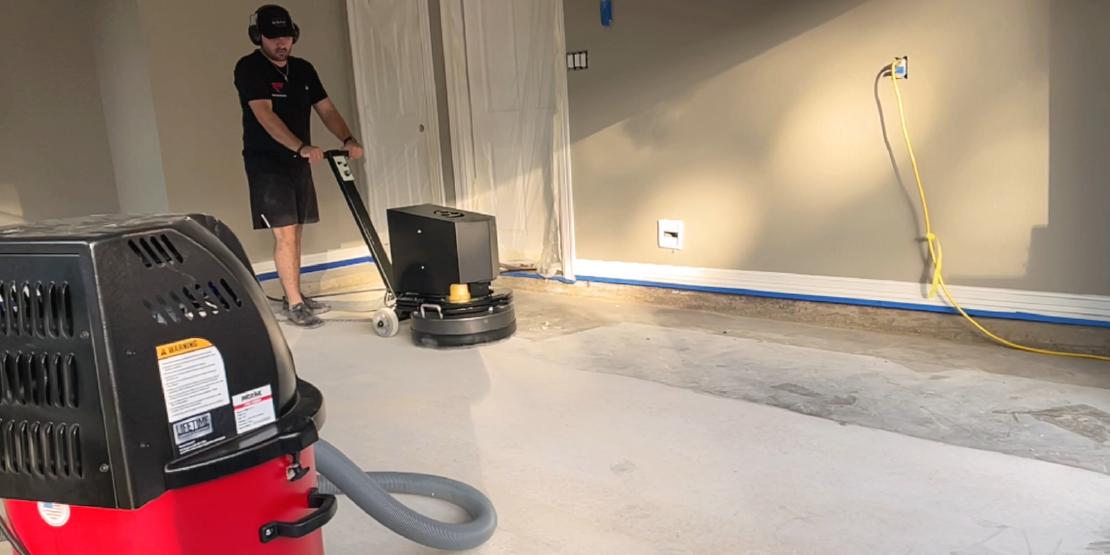

Maintaining Industrial Floor Coatings
Understanding the Importance of Industrial Floor Coatings
Industrial floor coatings serve as a critical element in a variety of settings, providing numerous benefits ranging from aesthetic appeal to practical functionality. They are typically used in commercial and industrial settings, including warehouses, factories, and manufacturing plants, where they offer enhanced durability and resistance against harsh conditions and heavy traffic.
Among the various features, preventing damage to the underlying concrete or substrate is a key role of these coatings. By sealing off the porous surface of the substrate, it aids in preventing the permeation of water, chemicals, oils and other potentially harmful substances, thus ensuring ongoing structural integrity. Likewise, they contribute to safety by eliminating the risk of slips and falls, thanks to their anti-skid properties.
Overview of Different Types of Industrial Floor Coatings
Industrial floor coatings come in a variety of types, each offering its unique benefits. Epoxy coatings represent one of the most popular options due to their durability and resistance to chemicals. They provide an attractive glossy finish with an array of colors to choose from, allowing companies to customize their floor’s appearance according to branding requirements. Epoxy coatings also form a non-porous surface that is easy to clean and maintain. Despite their favorable properties, they require a complex application process and are not efficient in resisting exposure to UV radiation.
Conversely, polyurethane coatings are renowned for their superior resistance to UV radiation, making them an ideal choice for industries requiring regular exposure to sunlight. They offer good chemical resistance and possess a greater flexibility than epoxy, aiding in impact resistance. Another advantageous category includes polyurea coatings, lauded for their quick cure times, which significantly reduce the downtime of the application area. However, polyurea coatings demand precise application conditions, thereby necessitating professional installation.
The Role of Industrial Floor Coatings in Safety and Efficiency
Industrial floor coatings serve a vital purpose in maintaining safety and enhancing efficiency within industries globally. Manufactured with the objective of sustaining high-traffic areas, these coatings provide durable and resilient surfaces under varying conditions. They are strategically engineered to resist damage from impact, abrasion, chemicals, and even flammable substances. This property greatly reduces the risk of accidents in workplaces, subsequently protecting employees and safeguarding machinery.
Additionally, these specialized coatings offer enhanced operational efficiency in a multitude of ways. Smoother and cleaner surfaces facilitate faster and safer movements, thereby promoting increased productivity. While some coatings offer improved visibility with bright colors promoting stark demarcation lines, others suppress dust thereby reducing slip hazards. Ultimately, industrial floor coatings stand as an indispensable tool in the successful functioning of industries.
Factors Affecting the Durability of Industrial Floor Coatings
The lifespan of industrial floor coatings can be influenced by a variety of elements. The nature of activities carried out on the floor is a significant determinant. If the floor is constantly exposed to high traffic, heavy machinery, or hazardous chemicals, the coating is bound to wear off quicker than in less strenuous conditions. Surfaces that are used infrequently or for light activities typically have a longer-lasting floor coating.
Equally vital is the quality of the original floor surface and the coating material itself. A robust floor can withstand pressure even when the coating layer wears thin, thereby mitigating damage. On the other hand, a substandard floor crumbles easily under stress even when the coating appears intact. The coating plays its role by providing a protective layer against friction and impact, but the quality choice of materials can mean the difference between a floor that deteriorates rapidly and one that stands the test of time. The environmental conditions under which the floor operates also play a significant role in determining the durability of industrial floor coatings. For instance, floors exposed to extreme temperatures, humidity or direct sunlight may experience accelerated wear and tear compared to those in more temperate environments.
In addition, improper installation can lead to premature failure of the coating system. This could be due to poor surface preparation, incorrect mixing ratios or application techniques.
Maintenance practices too have an impact on how long an industrial floor coating lasts. Regular cleaning using appropriate methods helps maintain the integrity of the coating while neglecting this aspect can shorten its lifespan significantly.
To summarize:
• The nature and intensity of activities carried out on the floor directly affect how long its coating lasts. ◦ High traffic areas ◦ Heavy machinery operations ◦ Exposure to hazardous chemicals
• The quality of both the original flooring material and that of the protective coating is crucial for longevity. ◦ Robust floors resist damage even when coatings wear thin. ◦ Substandard floors crumble easily under stress regardless of intact coatings.
• Environmental factors such as: ◦ Extreme temperature variations ◦ High levels of humidity ◦ Direct exposure to sunlight
• Installation-related aspects like: ◦ Poor surface preparation before applying coatings ◦ Incorrect mixing ratios during manufacturing process ◦ Inappropriate application techniques used during installation
• Maintenance practices including regular cleaning with suitable methods contribute positively towards extending a coat’s life span while negligence does exactly opposite.
Preventive Measures to Enhance the Lifespan of Industrial Floor Coatings
Regular maintenance is central to extending the lifespan of industrial floor coatings. By reducing the likelihood of scratches, dents, and other damages, these practices help preserve the surface’s integrity and aesthetics. Protective measures such as using suitable cleaning materials and methods, avoiding abrasive scrubbing techniques, and regularly inspecting for signs of wear can significantly prolong the useful life of these floor coatings. Cleaning materials, methods, and inspections are therefore integral parts of preventative care.
The choice of coating material also plays a role in its durability. Different materials respond differently to physical stressors and environmental conditions. Therefore, selecting a coating that can withstand the specific conditions of an industrial space is essential. For instance, epoxy-based coatings are incredibly durable and resistant to chemicals, making them suitable for factories dealing with harsh substances. Similarly, polyurethane coatings are known for their resilience against physical impacts, ideal for spaces with heavy machinery. Thus, the strategic selection of coating materials is another critical preventive measure to enhance the lifespan of industrial floor coatings.
Routine Cleaning and Care for Industrial Floor Coatings
Regular maintenance of industrial floor coatings is paramount for extending their lifespan and maintaining their visual appeal. Through daily cleaning, dirt, dust, and grime that could potentially cut the durability of the floor can be effectively removed. Adequate attention to cleaning helps prevent the penetration of these particles, thereby retaining the original lustre and smoothness of the floor coating. Regular sweeping with a broom or dry mop, followed by wet mopping using a gentle cleaner, is often recommended for the routine cleaning of these coatings.
Yet, the care for industrial floor coatings extends beyond basic cleaning. Microscopic dirt particles and hidden stains can be overlooked during routine cleaning, potentially causing damage over time. Therefore, the utilisation of sophisticated cleaning processes such as microfiber technology, steam cleaning, and industrial-grade vacuuming is advisable. These methods effectively expose and remove smaller, embedded particles, leading to a thorough and complete cleaning of the coating. Industrial floor coatings deserve procedural care, making these routine cleaning and care measures quintessential for preserving their functionality and aesthetics.
Dealing with Stains and Spills on Industrial Floor Coatings
The daily operation of an industrial facility comes with the risk of unexpected spills and stains on floor coatings. These can originate from various sources such as oil, chemicals, grease, or even coffee spills. These incidents, while seemingly small, can compromise the durability, appearance and function of the industrial floor coating. Therefore, quick and effective response to spills and stains is essential.
One of the primary steps when dealing with stains and spills includes blotting the spill with a clean cloth. Avoid rubbing, as it might spread the spill or push it further into the floor coating’s surface. For stubborn stains, professional grade cleaning solutions should be used, adhering to the manufacturer’s instructions to prevent damage to the floor coating. If the stains and spills are of a corrosive or hazardous nature, care must be taken with personal protective equipment and correct containment and removal procedures. Regular cleaning with proper materials can significantly help maintain the appearance and integrity of industrial floor coatings.
Methods to Repair Damages on Industrial Floor Coatings
Damages to industrial floor coatings can range from minor scratches, chips and stains to major cracks, holes and delaminations; each demanding a unique approach to repair. When dealing with minor issues, such as scratches or minor chips, a touch-up paint of the same color and type can often suffice. Stains generally respond well to appropriate cleaning solutions depending on the substance causing the stain. Applying a new topcoat can also enhance the appearance, concealing minor defects.
On the other hand, substantial damages require a more robust repair method. Major cracks, holes, or severe delaminations often necessitate complete removal and replacement of the coating in the affected area. This process involves mechanical, chemical, or thermal methods to strip the existing coating, followed by proper preparation of the floor surface, and subsequent re-application of the coating. It is imperative to ensure that the new coating matches the existing one in terms of color, texture, and performance qualities to maintain both functionality and aesthetic uniformity.
Periodic Inspections for Industrial Floor Coatings
The upkeep of industrial floor coatings often hinges on the efficacy of regular inspections. It’s through these checks that potential problems are identified before they escalate into costly repairs. A keen eye can spot early signs of wear and tear, or detect the emergence of stains and spills that, if left unattended, can detrimentally affect the integrity of the floor coating. It’s also through these inspections that the need for proactive maintenance becomes apparent.
Moreover, a comprehensive inspection will consider the alignment of the coating with the environmental conditions it’s subjected to. This ensures the coating is still sufficiently resisting factors such as heat, friction, and potential chemical exposure. Documenting these inspections helps maintain a record of the coating’s performance over time, essential in planning preemptive measures for its care.
Professional Services for Industrial Floor Coating Care
Leveraging professional services for the maintenance of industrial floor coatings remains an integral part to ensure longevity and peak performance. Commercial facilities, warehouses and manufacturing plants can greatly benefit from skilled specialists who have mastered the art of floor coating care. With in-depth knowledge about different types of floor coatings, these experts devise systems and procedures that perfectly line up with the specific needs and environment of an industrial workplace.
Professional care services revolve around a gamut of operations, like the routine cleaning, stain removal, repairing damages and performing periodic inspections. Their technical proficiency allows them to identify potential pitfalls and apply appropriate remedies much before a small wear-and-tear escalates to a larger issue. Counting on a professional service is a proactive approach that safeguards the durability of industrial floor coatings and ensures a safe, efficient workspace.
The Impact of Weather Conditions on Industrial Floor Coatings
Industrial floor coatings endure a significant amount of wear and tear due to varying weather conditions. Excessive heat can cause thermal expansion, resulting in possible cracks and damage to the protective layer. On the other hand, cold temperatures can result in contraction, creating gaps and fissures within the coating material itself. Other weather phenomena like rain, snow, and hail can cause water seepage, increasing the risk of rust and corroding the industrial flooring. Therefore, these weather conditions often impact the integrity and lifespan of the flooring.
Similarly, UV exposure is another weather-related challenge for industrial floor coatings. Regular and prolonged exposure to UV radiation can lead to premature ageing of the coating surface, causing fading and discoloration. Moreover, continuous UV exposure can make the floor coatings brittle, leading to cracks and other forms of physical damage. Thus, weather conditions significantly affect the durability and performance of industrial floor coatings, and should be a vital consideration in selecting and maintaining such flooring.
Sustainable Practices for Industrial Floor Coating Care
In the realm of industrial floor coating care, sustainability practices are increasingly significant. They encapsulate everything from the type of materials used to how they are maintained over time. For instance, water-based coatings have become a preferred choice due to their low Volatile Organic Compounds (VOCs) emissions. Such eco-friendly materials not only benefit the planet but also contribute to healthier workspaces. Moreover, the longevity of these coatings reduces the frequency of reapplications, inevitably leading to further conservation of resources.
In addition to choosing eco-friendly materials, adopting sustainable cleaning methods can greatly contribute to the preservation of the environment. The use of green cleaning products and techniques minimize harmful effects on the ecosystem. Another important approach is waste management. Proper disposal of used materials prevents hazardous substances from leaching into the ground. As we march towards a greener future, these sustainable practices will no doubt play an instrumental role in the preservation of our planet and the promotion of healthier work environments.
Future Trends in Industrial Floor Coating Maintenance
As technology continues to evolve, new advancements in industrial floor coating maintenance are on the horizon. More efficient and environment-friendly processes are expected to dominate the industry, leading to the increasing use of ‘smart’ coatings. These next-generation coatings integrate nanotechnology and specialty additives to exhibit self-healing capabilities, thereby decreasing the need for regular maintenance. The incorporation of these advanced materials can revolutionarily augment the longevity of industrial floors and minimize potential damage due to wear and tear.
Another predominant trend revolves around the use of data analytics and IoT for predictive maintenance. Intelligent systems equipped with sensors could monitor the condition of the floor coating in real-time, forecasting potential concerns before they actually manifest. This predictive approach can drastically streamline maintenance procedures, minimizing downtime and maintenance costs. Excellent moisture and heat endurance offered by future coatings will further equip industrial floorings to withstand adverse conditions, promoting enhanced durability.
Why are industrial floor coatings important?
Industrial floor coatings play a crucial role in protecting the floors from damages due to heavy traffic, impact, chemical spills, and environmental factors. They also contribute to the safety and efficiency of the workspace by providing a non-slip surface and clearly marked areas.
What types of industrial floor coatings are commonly used?
There are several types of industrial floor coatings available, including epoxy, polyurethane, acrylic, and rubber-based coatings. The choice of coating depends on several factors such as the nature of the industry, exposure to chemicals, wear and tear, and budget.
How does industrial floor coating contribute to safety and efficiency?
Industrial floor coatings provide a slip-resistant surface, which reduces the risk of accidents. They can also be used to clearly designate specific areas for different tasks, enhancing the efficiency of the workspace.
What factors affect the durability of industrial floor coatings?
The durability of industrial floor coatings can be affected by various factors such as the quality of the coating material, the preparation of the underlying surface, exposure to heavy traffic, impact, chemical spills, and environmental conditions.
How can one enhance the lifespan of industrial floor coatings?
Regular cleaning, prompt treatment of stains and spills, periodic inspections, and prompt repairs of any damages can significantly enhance the lifespan of industrial floor coatings.
How should one deal with stains and spills on industrial floor coatings?
Stains and spills should be cleaned up as soon as possible using appropriate cleaning agents and methods. If needed, professional cleaning services can be engaged.
How can damages to industrial floor coatings be repaired?
Smaller damages can often be repaired using a patch kit, while larger damages may require recoating of the entire area. Professional repair services can provide the best results in such cases.
What is the impact of weather conditions on industrial floor coatings?
Weather conditions like temperature fluctuations, humidity, and exposure to sunlight can affect the durability and appearance of industrial floor coatings. Proper maintenance can help mitigate such effects.
What are some sustainable practices for industrial floor coating care?
Sustainable practices can include using eco-friendly cleaning agents, minimizing waste during application and repair, and choosing coatings with a long lifespan to reduce the need for frequent recoating.
What are the future trends in industrial floor coating maintenance?
Future trends may include increased use of eco-friendly coatings and cleaning agents, integration of smart technology for monitoring and maintenance, and development of coatings that require less frequent maintenance.