
Maintaining Your Coated Floors: A Homeowner’s Guide
Understanding the Importance of Proper Floor Care
Proper floor care plays a critical role in home maintenance - not only does it enhance the physical appeal of our indoor spaces, but it also bolsters overall property valuation considerably. From coated floors to rebuffed hardwood, the array of flooring options in modern homes necessitates the need for diverse and effective care strategies. With quality care and maintenance, homeowners can ensure the longevity of their floors while significantly increasing their aesthetic appeal.
Coated floors particularly need regular and diligent maintenance, as they can tend to lose their sheen over time if not looked after well. Moreover, coated floors are susceptible to various types of damages such as scratches, discoloration, and staining, all of which result from faulty or inadequate care techniques. Ensuring a consistent cleaning schedule and leveraging the right cleaning products not only enhance the physical appearance of coated floors but also maintain their quality, reinforcing their durability and lifespan.
Types of Coated Floors in Homes
Coated floors, popular for their durability and aesthetic appeal, vary significantly in terms of materials used and their finishing aspects. The most common types include epoxy, polyurethane, and acrylic coatings, each with its unique characteristics and suitability for different household environments. Epoxy coating, crafted from two main parts, resin and hardener, is renowned for its high durability and resistance to chemicals. In contrast, Polyurethane coated floors, often used in high-traffic areas, are praised for their toughness and excellent resilience against scruffs and scratches.
Acrylic coatings, generally thinner than others, are applauded for their faster drying times and UV resistance. They are ideal for households located in sunnier climates. Moreover, these coatings are available in various hues, providing homeowners a multitude of design options to choose from. Another popular type is the polyaspartic coating, lauded for its quick curing times and resistance to extreme temperatures. Regardless of the type of coated floor, proper maintenance is paramount for prolonging their lifespan and maintaining their pristine condition.
Identifying the Right Cleaning Products for Coated Floors
The selection of appropriate cleaning products for coated floors is a crucial element in ensuring their longevity and maintaining their pristine condition. A myriad of products are available in the market, each tailored to meet the specific needs of different types of coated floors. On the one hand, products for hardwood-coated floors often consist of mild detergents or oil soaps which aid in removing dirt and grime without damaging the coating. On the other hand, laminate and vinyl coated floors might require special cleaners that can effectively remove residue without stripping the finish.
Before purchasing any cleaning product, it’s important to know the type of coating applied to your floors. Solvent-based coatings such as polyurethane may react negatively with harsh cleaners, tarnishing their glossy finish. Similarly, water-based coatings might be damaged by acidic or abrasive cleaning agents. Therefore, checking the product labels for compatibility and recommended usage is a prudent step. Always remember to conduct a spot-test on a small, inconspicuous area of the floor prior to embarking on a full-scale cleaning. This can safeguard against potential damage and ensure the product aligns with your specific flooring needs.
Effective Techniques to Clean Coated Floors
Regular cleaning is essential to maintain the beauty and longevity of coated floors. The cleaning process starts with dust mopping or vacuuming to remove loose dirt and grime. Ensure the mop or vacuum cleaner used is designed specifically for hard floors to avoid damaging the surface. Use light, smooth strokes that do not leave any part of the floor untouched. Avoid sharp, grinding motions which could scuff or scratch the coatings, thereby marring the appearance.
Once all loose particles have been cleared, a damp mop comes into play. Use warm water mixed with a pH-neutral floor cleaner, ideally one recommended by the flooring manufacturer. Glide the mop gently over the floor, taking care not to over-wet it as this could cause water to seep into the coatings, potentially causing them to lift or warp. After mopping, dry the floor immediately using a clean, dry mop or cloth to prevent water spots or streaks. This cleaning regimen, when done regularly, can help maintain the hue and sheen of your coated floors.
Protecting Coated Floors from Scratches and Scuffs
The meticulous preservation of coated floors often involves the strategic defense against common issues such as scratches and scuffs. These flooring detractors not just rob the floor of its visual appeal, they can also make the surface uncomfortable to walk on, thus detracting from the overall user experience of the living space. Some coated floor types are more susceptible to scratching and scuffing than others, necessitating customized protection plans. Homeowners need to first identify the specific floor type in their possession and thereafter adopt the appropriate protective measures designed for that floor type.
Having the right protective plan can greatly extend the beauty and lifespan of the coated floor. Some effective strategies involve using protective felt pads under furniture legs, avoiding dragging heavy objects across the floor, maintaining a routine cleaning to remove grit and dirt which can cause scratches, and using rugs in high traffic areas to reduce direct impact on the floor. These simple measures can reduce the likelihood of scratches and scuffs, ensuring that the floor remains smooth and appealing. In case of significant damage, seeking professional help in terms of repair or replacement should be considered.
Dealing with Stains on Coated Floors
Stains on coated floors can be a tough challenge for homeowners, often marring the beauty and elegance of the surface. However, it’s worth noting that the types of stains and the coated floor determine an effective remediation method. For instance, oil-based stains, fruit juices, food spills, or wine may each require a different approach on hardwood, vinyl, or tile coated floors. Therefore, it’s integral to identify the type of stain and the floor coating before embarking on the cleaning process.
For non-greasy stains on coated floors like wine or fruit juice, a mixture of warm water and mild detergent can be quite effective. Gently scrub the stain using a soft bristle brush, paying extra care to not scratch the coating. Oil-based or greasy stains, such as butter or sauces, may necessitate a specific degreasing agent. However, abrasive cleaners should never be used on coated floors, as these can cause severe damage to the coating. Always test the cleaning agent on a small, inconspicuous area of the floor before full application, to avoid any potential discoloration or damage.
The Role of Professional Cleaning in Floor Preservation
Professional cleaning services play an indispensable function in the maintenance and preservation of coated floors. These agencies have a deep understanding of the different kinds of floor coatings and their specific cleaning needs. Their expertise lies in assessing the current state of the floor, identifying areas that require special attention, and implementing appropriate cleaning protocols. They use specialized cleaning equipment and products that are often commercially inaccessible to homeowners, ensuring that the cleaning process is thorough and safe for the floor surface.
Among their many offerings, professional cleaners offer deep cleaning, polishing, and refinishing services that can dramatically enhance the appearance of coated floors. These procedures, when done on a regular schedule, can significantly extend the life of the floor coatings, and by extension, the floor itself. Moreover, such services are invaluable during restoration projects for damaged floors, often salvaging the floor without the need for costly and intrusive replacement. As such, engaging the services of professional cleaners is an investment in floor preservation.
Restoring Damaged Coated Floors
Coated floors bring an aesthetic charm to the residential and commercial spaces, but they are prone to degradation over time. Damage can occur due to heavy furniture movement, high foot traffic, chemical spills, or improper cleaning practices. As a result, it may lead to scratches, scuffs, stains, and even stubborn grime that changes the color and texture of the floor, thus impacting its overall appearance.
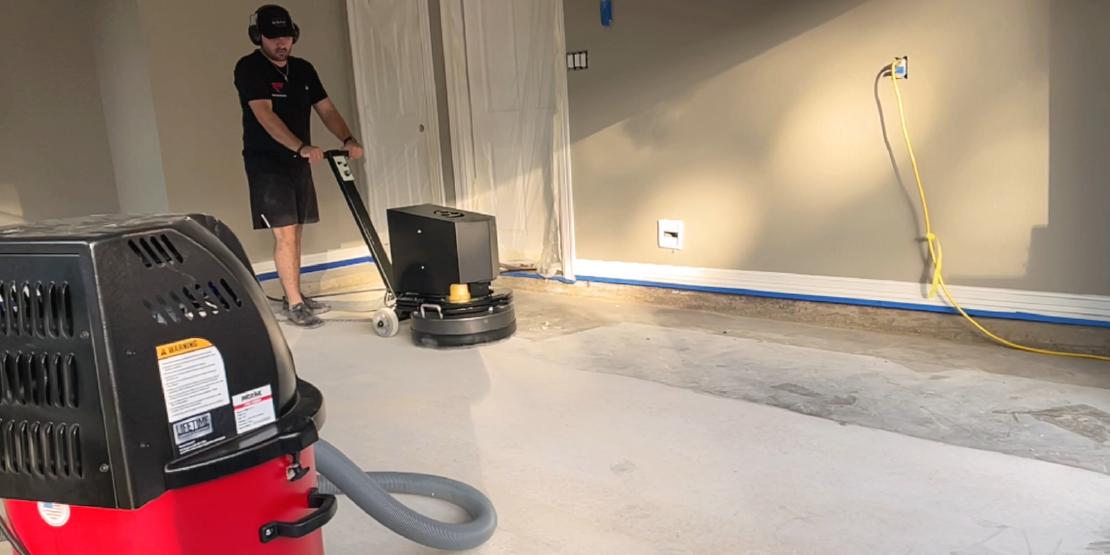
Restoration of these damaged floors largely involves techniques such as buffing, sanding, and re-coating. The severity of the damage determines the necessary approach. Re-coating is particularly effective if the underlying layer is still intact. Sanding, on the other hand, is required when the surface layer has significant damage or wear. It helps in removing the damaged layer before a new coat is applied. This process of restoring coated floors ensures that your floor retains its initial shine and elegance, maintaining the allure of your interior spaces.
Regular Maintenance Schedule for Coated Floors
To maintain the integrity and appearance of coated floors, regular cleaning routines are paramount. Sweeping or dry mopping daily helps remove dirt and debris that tend to scratch the coating. It is also crucial to wet mop your floor at least once a week using an appropriate cleaning solution. Be sure not to use any harsh chemicals which can potentially strip the floor’s coating or leave a residue.
Proactive measures like removing your shoes before walking on the floor can reduce the amount of dirt brought onto your floors. However, even with these precautions, periodic professional deep clean is recommended, typically once or twice a year depending on the level of traffic in your home. Regular inspection should also be done to check for any signs of wear or damage to enable early repair and prevent more extensive deterioration. A well-planned and executed maintenance schedule seamlessly combines these measures to ensure the longevity of your coated floors.
Benefits of Regular Floor Maintenance
Regular upkeep of coated floors not only enhances the visual appeal of a living space, but also adds to the longevity of the flooring. Every type of coated floor, be it laminated, water-based, oil-based, acid-cured or UV-cured, needs distinct maintenance practices to uphold its shine and durability. This regular regimen of cleaning and care keeps the build-up of dirt and dust at bay, reducing the chances of scratches and indentations that might damage the floor’s aesthetic and structural integrity.
Moreover, a well-maintained floor is less prone to harbor allergens, contributing to improving indoor air quality, and thus, promoting a healthier living environment. It’s an investment in the property’s value, too. Prospective buyers or renters often take into account the condition of the floor while making their choice. Routine floor maintenance ensures floors look their best, which certainly becomes a pivotal selling or renting point. In other words, the benefits of regular floor maintenance are not just about keeping your house clean and attractive, but also about assuring a healthier habitat and preserving long-term property value.
The Impact of Climate on Coated Floor Care
Climate has a significant impact on coated floors, particularly when it comes to their maintenance and care. Humidity levels, temperature fluctuations, and the presence of grit carried indoors are some of the environmental factors that can pose a threat to coated floors. High humidity can cause wood floors to expand and contract, leading to cracking or peeling of the coating. Simultaneously, temperature fluctuations can negatively affect the integrity of the floor.
Different climatic conditions require varied cleaning solutions and care approaches. In regions with high humidity, using a dehumidifier can help maintain the appropriate moisture levels to prevent damage to coated floors. Floor mats and rugs can aid in trapping exterior dirt, gravel, or grit that could potentially scratch or scuff coatings, primarily in regions experiencing repetitive snow or rain. Therefore, understanding the impact of climate on the coated floor can help homeowners to take adequate counter-measures and maintain the appearance and durability of their floors.
Using Floor Mats and Rugs for Additional Protection
In the realm of coated floor care, the strategic use of floor mats and rugs can provide significant benefits. These everyday items add an extra layer of protection, reducing the direct impact of foot traffic and the potential for scratches or scuffs. Floor mats, strategically placed at entrances and high-traffic areas, work to trap dust, dirt, and debris that may cause harm. This is particularly true for hard surface floors, where these elements can scratch or dull the finish over time.
Rugs, on the other hand, can serve a dual purpose. Aside from their decorative appeal, they shield larger floor areas, providing an effective barrier against furniture and other heavy items that may cause surface damage. Additionally, rugs offer a cushioning effect that alleviates stress on the floor coating which is especially vital for areas with heavy furniture. By using floor mats and rugs, homeowners can ensure their floor coating’s longevity, thereby safeguarding their investment. Here are some key points to consider when using floor mats and rugs for additional protection:
• Floor mats should be strategically placed at entrances and high-traffic areas. This is because they serve as a trap for dust, dirt, and debris that may cause harm to the flooring.
• Mats can significantly reduce the impact of foot traffic on hard surface floors. They prevent scratches or scuffs that could damage or dull the finish over time.
• Rugs provide an effective barrier against heavy furniture and other items that may cause surface damage. They shield larger floor areas from potential harm.
• Aside from their protective function, rugs also have a decorative appeal. They can enhance the aesthetic value of any room while providing necessary protection to your floors.
• Rugs offer a cushioning effect which alleviates stress on floor coatings. This is especially vital in areas with heavy furniture where pressure points can lead to wear and tear on your flooring material.
• The use of both floor mats and rugs contributes greatly towards ensuring the longevity of your floor coating. By protecting against daily wear-and-tear, you safeguard your investment in quality flooring materials.
In conclusion, by incorporating these simple yet effective strategies into your home care routine, you not only maintain but also extend the life expectancy of your coated floors - making them look new for longer periods!
Safety Measures When Cleaning Coated Floors
When it comes to cleaning coated floors, it is crucial to consider the safety aspects involved. Adequate measures can prevent potential accidents such as slips and falls, as well as mitigate the risk of damage to the floor surface. The use of non-slip footwear is an effective measure to increase personal safety during the cleaning process. Likewise, ensuring that the cleaning area is adequately ventilated is of paramount importance, particularly when using chemicals or cleaning solutions.
Ensuring that all electrical appliances are switched off and unplugged from outlets before initiating the cleaning process is another important safety measure. This helps to prevent any electrical mishaps, especially in wet conditions. In addition, it’s essential to read and follow the instructions provided on cleaning products. Using the right amount of cleaning solution and not mixing different types together will both protect the floor coating and reduce exposure to potentially hazardous chemicals.
Why is proper care of coated floors important?
Proper care of coated floors is essential to maintain their appearance, durability, and lifespan. Proper maintenance can also prevent costly repairs or replacements.
What types of coated floors are commonly found in homes?
Coated floors in homes can be made from a variety of materials including hardwood, vinyl, laminate, and tile. Each of these types may require different care and cleaning methods.
How can I identify the right cleaning products for my coated floors?
The type of coating on your floor will determine the suitable cleaning products. Always read the product labels to ensure they’re safe to use on your specific floor type. When in doubt, consult with a professional cleaner.
What are some effective techniques to clean coated floors?
Regular sweeping or vacuuming is recommended to remove loose dirt. For deeper cleaning, use a damp mop with a cleaner suitable for your floor type. Avoid using excessive water or harsh chemicals.
How can I protect my coated floors from scratches and scuffs?
Use protective pads under furniture legs, avoid dragging heavy items across the floor, and clean up spills promptly to prevent staining.
What should I do if there are stains on my coated floors?
For most stains, a damp cloth with a mild cleaner should be enough. However, for tougher stains, you may need a specialized stain remover or professional cleaning services.
How can a professional cleaning service help in floor preservation?
Professional cleaners have the expertise and equipment to deep clean your floors without causing damage. They can also provide tips for regular maintenance.
What can be done to restore damaged coated floors?
Depending on the type of damage, coated floors may be restored through buffing, re-coating, or refinishing. Some severe damages might require replacement of the affected area.
How often should I maintain my coated floors?
A regular maintenance schedule for coated floors would typically include daily sweeping or vacuuming, weekly mopping, and professional cleaning once or twice a year.
How does climate impact coated floor care?
Climate can affect the expansion and contraction of coated floors, especially hardwood. Humidity can also lead to moisture damage. It’s important to keep your home’s humidity levels controlled to protect your floors.
Can I use floor mats and rugs for additional protection?
Yes, floor mats and rugs can provide extra protection to high traffic areas, absorbing dirt and moisture that could damage your floors.
What safety measures should I take when cleaning coated floors?
Always use the correct cleaning products for your floor type to avoid damage. Also, be cautious of slippery surfaces when floors are wet. Ensure the area is well-ventilated if using strong cleaning chemicals.
What are the benefits of regular floor maintenance?
Regular maintenance keeps your floors clean, attractive and extends their lifespan. It can also prevent potential damage and reduce the amount of dirt and allergens in your home.