
Maintenance Tips for Coated Garage Floors
Understanding Coated Garage Floors
Coated garage floors offer numerous advantages over standard concrete floors. They are robust, attractive, and contribute towards maintaining a fresh and clean garage space. These distinctive coatings come in a variety of styles, hues, and finishes to cater to differing aesthetic preferences while greatly preserving the underlying concrete. Economical yet versatile, they are a prudent choice to enhance the garage’s durability and lift its visual appeal.
Factors such as the quality of materials used, the application process, and subsequent maintenance significantly influence the lifespan and performance of coated garage floors. Polyaspartic, epoxy, and polyurea are typical materials used for coating and each offers unique benefits in terms of resistance to stains, impacts, and wear. Recognizing the properties of these materials aids in making informed choices that align with user requirements for frequency of use, resource commitment, and climate.
The Importance of Preserving Your Coated Garage Floors
Choosing to coat your garage floor serves purposes beyond adding an aesthetically pleasing touch to your garage. The coating adds a level of durability which helps protect the floor against common problems like stains, grime, cracks, and oil spills. It also aids in providing an additional layer of resistance to wear and tear that the concrete floor has to regularly endure. This level of protection is particularly useful in work-intensive environments, promoting longevity and reducing maintenance costs.
Beyond these direct benefits, a well-preserved coated garage floor can have broader impacts. The overall value of a property can be improved with a pristine and maintained garage floor, making it an attractive detail for potential buyers. Additionally, the coated floor tends to be easier to clean and manage, saving owners valuable time and effort. Thus, ensuring the preservation of your coated garage floor is a worthwhile investment for both the present usage and potential future returns.
Key Factors Affecting the Lifespan of Coated Garage Floors
Understanding the lifespan of coated garage floors demands an examination of various influencing factors. The type of coating used plays a significant role. Epoxy coatings offer superior durability as compared to acrylics, chalk-based paint, or latex paints. The quality of these coatings dramatically impacts the floor’s longevity. High-quality epoxy and polyaspartic coatings usually provide better resistance to wear and tear, thus enhancing the floor’s life span.
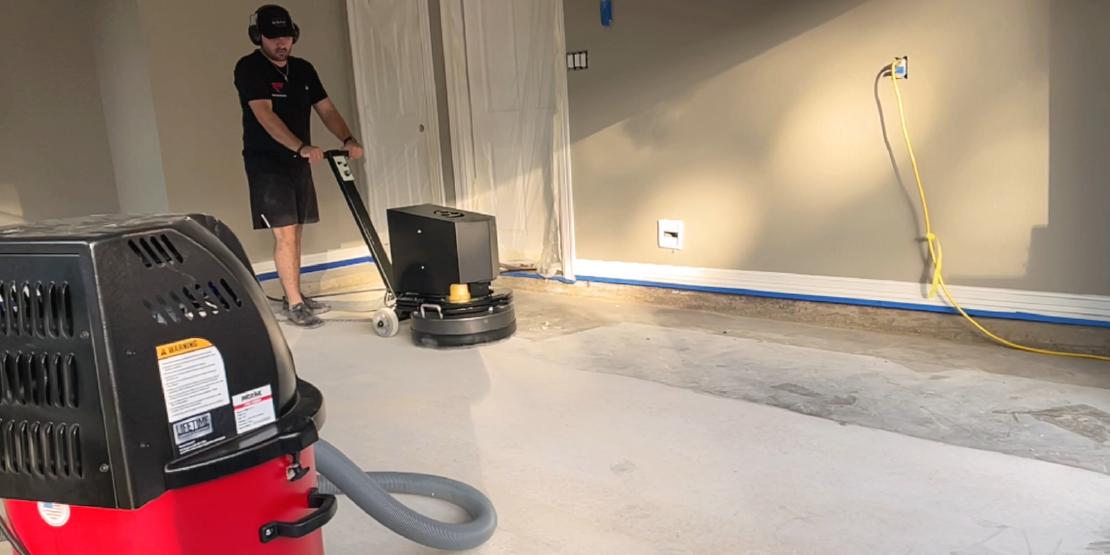
An equally crucial factor is the application process. Coating application done ineffectively can result in premature wear or peeling. Proper surface preparation, including spotless cleaning and concrete grinding if necessary, is essential to a durable, long-lasting coating. Additionally, traffic and usage patterns play a pivotal role. Heavy traffic and rough handling, both lead to accelerated wear while less frequented or carefully handled floors can last years without a single scratch.
Common Problems Associated with Coated Garage Floors
Coated garage floors are not immune to various difficulties, despite their enhanced durability and aesthetics. One of the most prevalent issues people encounter is the peeling or flaking of the coating. Over time, the bond between the coating and the concrete floor can degrade due to a variety of factors. This can include improper installation, unaddressed moisture issues, and even the use of harsh chemical cleaners. As the bond weakens, the coating can begin to peel or flake away, leaving the concrete beneath exposed.
Another common problem associated with coated garage floors is discolouration or fading. UV rays, chemical spills, and regular wear and tear can cause the vibrant colour of the original coating to fade or even change entirely. Discolouration can also be caused by stains from various sources such as oil spills, tire marks, and even rust from stored items. Needless to say, such issues can significantly detract from the overall appearance of your garage, breaking the seamless and polished look you initially aimed for.
How to Clean Coated Garage Floors Properly
Maintaining the shine and durability of coated garage floors often hinges on the right cleaning practices. Fundamentally, regular removal of dust and dirt is crucial. This can be achieved by using a soft, indoor broom or a microfiber mop specifically designed for coated surfaces. Light stains can often be removed simply with warm water and mild soap applied through a mop. It’s important to avoid soaps that have bleach or ammonia, as these substances can damage the coating.
For tougher stains, including grease and oil spills, a more specialized approach may be required. Utilizing a gentle but effective degreaser can often reduce these stains. Always test the degreaser on a small, inconspicuous area first to ensure it will not damage the floor’s coating. Severe spills should be addressed as quickly as possible to prevent permanent discoloration. It is important to remember not to use abrasive brushes or pads when cleaning, as these can scratch the protective surface of the floor. When it comes to cleaning coated garage floors, there are several steps and precautions that should be taken. Here’s a step-by-step guide on how to clean your coated garage floor:
• Start by removing any loose dirt or dust from the surface of the floor. This can be done using a soft indoor broom or a microfiber mop specifically designed for such surfaces.
• For light stains, warm water and mild soap can often do the trick. Simply apply this mixture with a mop and gently scrub away at the stain.
◦ Remember to avoid soaps containing bleach or ammonia as these substances can damage the coating.
• If you’re dealing with tougher stains like grease or oil spills, you may need to use a gentle but effective degreaser.
◦ Always test out your chosen degreaser on an inconspicuous area first before applying it all over your floor.
◦ It’s also important that severe spills are addressed quickly in order to prevent permanent discoloration.
• When cleaning your coated garage floor, never use abrasive brushes or pads as they could potentially scratch its protective surface.
In conclusion, maintaining the shine and durability of your coated garage floors is dependent upon regular cleaning practices. By following these simple steps and precautions, you’ll ensure that your garage flooring remains in top-notch condition for years to come.
Avoiding Damage: Do’s and Don’ts for Coated Garage Floors
To maintain the longevity and aesthetics of your coated garage floors, it is vital to observe key do’s and don’ts. First, it is recommended to regularly clean and sweep the surface to remove debris that can scratch the coating. Ample caution should be exercised when moving heavy objects across the floor, to lessen the likelihood of creating dents or chipping. Spills should be promptly cleaned to prevent staining and the potential erosion of the coating. Routine maintenance can also extend the life of the coating, hence, using cleaning products specifically intended for coated floors is recommended as they are gentle on the coating.
On the flip side, there are some actions that should be avoided to prevent unnecessary damage to your coated garage floors. Avoid using harsh chemicals, as they could corrode the coating and expose the underlying concrete. Also, remember not to use metal shovels or hard bristle brooms that can potentially scratch or gouge the surface. Abrasive cleaning tools should also be avoided. Never underestimate the effect of climatic conditions. During winter, take care not to let road salt sit on your garage floor as it can degrade the coat and stain the floor. Overall, proper awareness of these dos and don’ts can significantly contribute to maintaining the integrity and aesthetics of your coated garage floors.
How to Deal with Stains on Your Coated Garage Floor
Stains are an unavoidable aspect of a garage floor’s life. They can come from oil leaks, spilled chemicals, rust from metal objects, or simply from the regular grime of daily usage. These stains, though often stubborn, can dramatically affect the aesthetic and functional aspect of coated garage floors. Therefore, proper stain management is vital. This includes prompt action, correct cleaning agents, and the method of stain removal.
Taking quick action is a stellar way of dealing with stains on a coated garage floor. As soon as a spill or leak is noted, blotting up the liquid with an absorbent material like cat litter or cornmeal helps prevent it from penetrating into the coating. Similarly, rust stains from metallic tools can be promptly scrubbed off using concrete-friendly solutions. Choosing the correct cleaning agents is of paramount importance. Soap-based cleaners, concrete degreasers, or specially formulated garage floor cleaners usually do an excellent job without damaging the coating. The method involves swirling in the cleaning agent with a hard-bristle brush, allowing it to sit for some minutes and then rinsing off. Deciphering the type of stain and employing the most suitable method is a critical aspect of maintaining coated garage floors.
Applying Sealant: An Extra Layer of Protection for Your Coated Garage Floor
Sealant application plays a critical role in enhancing the durability of your coated garage floor. Acting as an impenetrable barrier, it wards off chemical spills, stains, and other types of abrasion, thereby extending the lifespan of your floor. Especially useful for high-traffic areas, the sealant provides a glossy, professional finish, enhancing the overall aesthetic appeal of your garage. Moreover, it aids in making your coated garage floor smoother and easier to clean, saving you valuable cleaning time and effort.
When applying the sealant, it is essential to ensure that the surface is completely clean and free of any dust particles. After cleaning, the sealant should be evenly spread across the floor using a long-handled roller. This task requires precision, and a haphazard job can lead to unappealing streaks or bubbles. The sealant typically takes about 24 to 48 hours to dry. It is advised to avoid any type of traffic on the floor during this period to prevent any imprints or disruptions in the sealant.
Weather Impact: Protecting Coated Garage Floors during Winter
Extreme weather conditions, particularly in winter, can have detrimental effects on coated garage floors. Freezing temperatures, ice, and snow can expose your garage flooring to a higher amount of moisture than it typically encounters. This elevated moisture can lead to several problems such as the development of cracks, flaking, discoloration, and eventually, complete coating failure. Additionally, salt that’s brought into the garage on vehicles during the winter months can force its way into the porous surface of your coated floor, resulting in peeling and other damage. It’s essential to understand the importance of maintaining and protecting your coated garage floors during the harsh winter months to extend their lifespan and preserve their aesthetic quality.
Contrary to popular belief, it is indeed possible to preserve your coated garage floors’ quality and integrity during the winter season. You must take a proactive role in minimizing, if not eliminating, the exposure of your garage flooring to harmful winter elements. Start by conducting regular cleaning duties, this not only helps in maintaining the cleanliness of the floors, it also aids in identifying possible trouble areas that can be addressed timely. Remember to clear any snow or ice from vehicles before driving into the garage, to reduce the risk of water seeping into any cracks. Also, ensure to promptly remove any visible salt deposits to prevent them from causing damage.
Preventing and Repairing Cracks on Coated Garage Floors
Cracks on the coated garage floors can compromise their visual appeal and durability. Despite their sturdy appearance, coated garage floors are not invincible and can suffer from significant wear and tear over time. Damage can be caused by various factors such as heavy vehicle traffic, sharp objects, chemical spills, and drastic temperature changes. Preventing these cracks involves taking several precautions such as avoiding dragging heavy objects across the surface and cleaning spills quickly. Regular check-ups are necessary to early detect the possible emergence of cracks.
When it comes to repairing cracks, a systematic approach is required. After cleaning the area surrounding the crack and removing any loose material, crack filler can be applied. Care must be taken to ensure the filler is smoothed out evenly across the crack. Proper drying time must be given before any further steps are taken. After the filler has completely dried, a coating of sealant can be applied to protect the repaired surface. Overall, this process can add years to the lifespan of your coated garage floors.
The Role of Professional Services in Coated Garage Floor Care
When it comes to maintaining the condition and appearance of your coated garage floors, hiring professionals can often prove to be a wise investment. For starters, professionals possess the required knowledge and experience in this field. They understand the intricacies of various garage floor coatings and are equipped with the necessary tools to effectively clean, repair, and preserve these surfaces, ensuring a longer lifespan for your investment. Be it handling stubborn stains, repairing small cracks, or applying a new layer of coating or sealant, these experts are adept at managing these tasks with efficiency and finesse.
Moreover, professional services could also save you a considerable amount of time and effort. Instead of spending your precious weekends scrubbing, cleaning, and repairing the garage floor yourself, hiring professional cleaners can do the job for you while you enjoy your day off stress-free. Furthermore, these services often offer periodic maintenance packages. These packages not only ensure regular upkeep of your coated garage floors but also help in early identification and resolution of prospective issues, thereby avoiding any major damage or repair in the future. Therefore, investing in professional garage floor care services could yield beneficial results in the long run.
DIY Versus Professional Coated Garage Floor Care: Making the Right Choice
When making decisions about coated garage floor care, homeowners often find themselves in a dilemma. The choice between do-it-yourself (DIY) approaches and hiring professional services is not always straightforward. Many factors come into play such as current floor condition, level of damage, and even the homeowners’ skill level and free time. DIY maintenance can certainly save funds but may not be the best approach for serious issues or for homeowners unfamiliar with the process.
On the other hand, professional services offer a level of expertise and efficiency that is hard to achieve without proper training. Professionals can identify underlying issues, recommend the best course of action, and ensure the job is done right the first time. However, their services can sometimes be costly, and it’s important to verify the credibility of the professionals hired. In short, the right choice depends on individual circumstances and owners must weigh the pros and cons of each option to make an informed decision.
Additional Resources for Coated Garage Floor Care
Maintaining coated garage floors can be a challenging task without proper guidance and resources. For homeowners interested in prolonging the lifespan of their coated floors and ensuring they look as good as new for as long as possible, various online resources offer invaluable tips and solutions. These include forums, home improvement websites, instructional videos, and more. They provide both basic and advanced knowledge about floor care, including DIY and professional options, which can greatly help homeowners who find this task daunting.
When facing particular issues resistant to DIY solutions, homeowners might find advice from professionals beneficial. Most floor coating manufacturers have a ‘Frequently Asked Questions’ section on their websites, which address common issues with coated garage floors. For others who prefer a more direct approach, calling or emailing customer service allows for inquiries to be answered directly from experts. Some manufacturers even offer home visits or consultancy services, which gives homeowners the opportunity to have their questions answered and problems solved in the most comprehensive way possible. Through these resources, garage floor maintenance becomes more manageable and less stressful.
What are coated garage floors?
Coated garage floors are garage floors that have been treated with a protective coating. This coating can be made of various materials, including epoxy, polyurethane, or acrylic, and it’s designed to resist staining, damage, and wear.
Why is it important to preserve coated garage floors?
Preserving coated garage floors is essential because it extends the lifespan of the floor, maintains its aesthetic appeal, and protects it from damage caused by chemicals, oils, and general wear and tear.
What are some factors that can affect the lifespan of a coated garage floor?
Some key factors include the quality of the initial coating, the amount and type of traffic it experiences, the regularity and thoroughness of cleaning, and exposure to harsh chemicals or extreme weather conditions.
How can I clean my coated garage floor properly?
Regular sweeping or vacuuming is necessary to remove dust and debris. For a deeper clean, you can use a mild detergent or a cleaner specifically designed for coated garage floors. Avoid using harsh or abrasive cleaners, which could damage the coating.
What are some ways to avoid damaging a coated garage floor?
Some ways to avoid damage include avoiding dragging heavy items across the floor, cleaning up spills immediately, not using harsh chemicals or abrasive cleaning tools, and applying a sealant for added protection.
What should I do if there are stains on my coated garage floor?
Most stains can be removed by using a gentle cleaner and a soft brush. For tougher stains, you may need to use a commercial stain remover specifically designed for coated garage floors.
Is it beneficial to apply a sealant to a coated garage floor?
Yes, applying a sealant can provide an extra layer of protection, enhancing the floor’s durability and resistance to stains and damage.
How can I protect my coated garage floor during winter?
During winter, it’s essential to avoid using salt or other corrosive materials to melt ice, as they can damage the coating. Instead, use sand or cat litter. Additionally, make sure to remove snow and ice promptly to avoid moisture damage.
What can I do if my coated garage floor has cracks?
Small cracks can be repaired with a patching compound. For larger cracks or extensive damage, it may be best to hire a professional.
Should I hire a professional to care for my coated garage floor?
While regular cleaning and maintenance can be done DIY, for major repairs, resealing, or coating application, it’s usually best to hire a professional to ensure the job is done correctly.
Where can I find additional resources for coated garage floor care?
Many resources are available online, including how-to videos, articles, and forums. Additionally, you can consult with professionals in your local home improvement stores or hire a professional garage floor coating service.