
Metallic Epoxy Coatings: A Guide to Luxurious Floors
Understanding the Basics of Luxurious Flooring
Luxurious flooring sets the foundation of any high-end, elegant space. Among the many different types of such flooring, glossy finishes have a unique appeal. They not only reflect light to brighten up the room, but also convey an image of opulence and style. Key players in this category include epoxy-based floor coatings, granite, marble, and hardwood.
Epoxy finishes, in particular, have become a popular choice in recent times owing to their high durability and resilience. They consist of a two-part system of epoxy resin and a hardening agent, which when combined, creates a chemical reaction leading to a robust and glossy finish. This type of flooring, renowned for its longevity, ease of maintenance, and lasting shine, is often the go-to option for those seeking high-end floor coatings.
An Overview of High-end Floor Coatings
High-end floors undoubtedly enhance the overall aesthetics of any interior. These luxurious coatings are available in a wide array of types and finishes, from hardwood flooring and natural stone to polished concrete and epoxy resins. Each coating material offers unique characteristics, inherent beauty, and varying degrees of durability, which garners immense attraction from homeowners and commercial property managers alike. The unbeatable blend of style, functionality, and durability these floor coatings proffer heightens their appeal for high-end architectural and interior designs.
Epoxy resins, in particular, have escalated in popularity in recent years. These coatings are known for their glossy finish, remarkable hardness, and excellent adhesion, making them a preferred choice for luxury commercial spaces and sophisticated residences. Additionally, polished concrete, another variety of high-end floor coating, is celebrated for its striking visual appeal and mechanical resilience. Its refining process accentuates the natural beauty of concrete, producing a high-gloss finish that impresses aesthetic admirers. Other alternatives in the luxurious realm of floor coatings include marble, hardwood, and ceramic tiles, each offering distinct stylistic benefits and functional advantages.
The Unique Appeal of Glossy Floor Finishes
Glossy floor finishes add an element of sophistication to any indoor area. They have an innate ability to accentuate the dimensions and aesthetics of a space, creating a vibrant and luxurious ambiance. The reflective properties of glossy finish not only provide a polished and smooth look, but also contribute to better illumination within the area. Gloss essentially transforms even the most simple floor designs into visually charming surfaces, enhancing their allure manifold.
Therein lies the intrinsic appeal of gloss. It ensures that the floor remains a centerpiece of attraction, not overshadowed by furniture or other decorative elements in the room. Moreover, high-gloss floor finishes offer an added advantage - they are easy to maintain. These finishes resist stains and dust, making cleaning up a breeze, thus keeping the glossy sheen intact over extensive time periods. As a result, these floor coatings are equally impressive for both their aesthetic charm and their prolonged longevity.
The Science Behind Epoxy Resin
There are two main components that make up the structure of epoxy resin: the resin and the hardener. The resin is a high-quality thermosetting compound that has the capacity to be molded or shaped under high temperatures. Conversely, the hardener is the catalyst that triggers the hardening process by reacting with the resin. When these two components are mixed at a specific ratio, a chemical reaction occurs, forming an exotherm that emits heat and results in a strong, durable, and heat-resistant substance known as epoxy resin.
One significant characteristic of epoxy resin is its cross-linked polymer structure. This structure is formed by the reaction between the epoxy group of the resin and the amine group of the hardener. Upon hardening, the cross-linked structure grants epoxy its notable durability and resistance to a multitude of elements, including weather, chemicals, and physical abrasions. The rigidity and robustness of epoxy resin make it an optimal choice for various applications such as coating luxury floors, where it provides an unparalleled blend of durability and aesthetic appeal.
The Durability of Epoxy-Based Floor Coatings
Renowned for its superior durability, epoxy-based floor coatings offer a long-lasting solution for both residential and commercial applications. This robustness can be attributed to the epoxy resin component, which forms a solid and hard-wearing finish upon curing. With its ability to withstand heavy traffic, abrasion, and chemical spills, these coatings continue to gain popularity in industries where resilience and longevity are paramount. Indeed, one can expect an epoxy-coated surface to serve its purpose for many years, with little necessity for repair or replacement.
Further bolstering the durability of epoxy-based floor coatings is their resistance to environmental harms. Nit only do these coatings hold up against daily wear and tear, but they can also tolerate extreme temperatures, UV exposure, and destructive substances such as oils or solvents. Subsequently, it minimizes the risk of surface degradation, cracking, or peeling. This resistance gives epoxy floors an edge over other types of floor finishes, offering users a viable and reliable option that combines style, practicality, and longevity.
Benefits of Choosing High-Gloss Floor Finishes
High-gloss floor finishes offer a myriad of advantages, adding an element of luxe and refinement to any space. This flooring decision is not just about aesthetic appeal, but also brings along substantial functional benefits. The gleam and reflectivity of the high-gloss finish can dramatically enhance the perception of space, making rooms seem larger and more expansive. Its capability to bounce light off the surface significantly increases the ambient light in the space, thus reducing the dependency on artificial lighting. As a result, this can contribute to energy savings in the long run.
Furthermore, the durability of epoxy-based, high-gloss floor coatings is unparalleled. Such coatings stand up remarkably well to heavy foot traffic and resist unsightly scratches, ensuring they stay looking pristine for longer. Additionally, they offer easy cleanup and maintenance. The glossy surface is highly resistant to stains and spills which can be wiped clean effortlessly. Moisture, a common culprit often causing damage to other types of flooring, has minimal impact on high-gloss floor finishes. This impervious nature, combined with a lack of grout lines where dirt and bacteria can accumulate, makes such coatings a surprisingly hygienic choice for both residential and commercial spaces.
The Process of Applying Epoxy on Floors
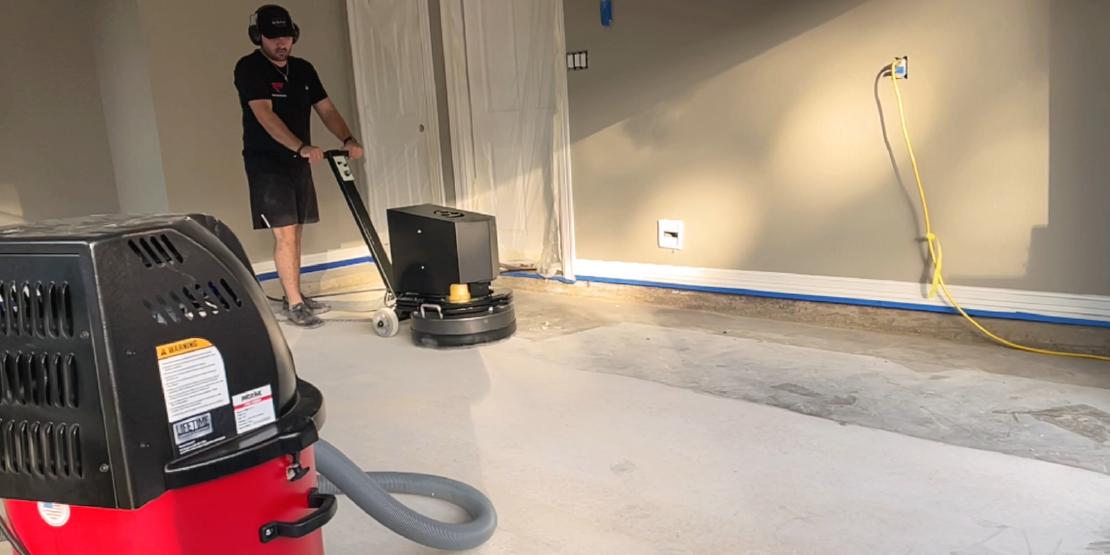
The process of applying epoxy on floors begins with the all-important step of preparatory work. The surface requires thorough cleaning and examination to ensure there are no cracks, pits, or other surface irregularities. This is critical as epoxy bonds best with a smooth, clean surface. Any existing coating or sealant needs to be stripped away, along with grease or dirt spots that may interfere with the adhesion of the epoxy. In some cases, a light sanding or grinding of the floor may be required to achieve that desired smoothness.
Once preparation is complete, the application stage commences. The epoxy resin is carefully mixed with a suitable hardener, a process that should adhere to the manufacturer’s instructions for optimal results. This mixture is then applied using specialized tools, brushes, or rollers, ensuring a consistent and even spread across the entire surface area. Typically, more than one coat is needed, with adequate drying time factored in between applications. The final stage involves a clear, high-gloss topcoat, creating that distinctive luxurious finish that epitomizes high-end flooring.
Maintaining the Shine and Elegance of High-Gloss Floors
High-gloss floors deliver an unrivaled elegance and stunning aesthetic, yet require adequate maintenance to preserve their shine and longevity. The key is regular cleaning, which can effectively keep dust, debris, and stains from lodging on the surface or seeping into the pores of your floor. However, it is essential to use cleaning solutions specifically designed for high-gloss finishes. These solutions not only clean the surface but also preserve the gloss, ensuring that your luxurious floor maintains its luster and appeal. Using inappropriate cleaning substances could harm the glossy finish and cause it to dull or quickly wear off.
Aside from regular cleaning, protective measures must be put into place to prevent scratches or dents that could damage these glossy surfaces. Any furniture on the floor should have protective pads underneath, particularly those moved frequently, like chairs or tables. The pads act as a buffer, preventing direct contact between the furniture’s hard surface and the glossy floor. Furthermore, placing stylish but functional area rugs at entrances can trap most of the dirt and debris, keeping the high-gloss finish intact and vibrant. Remember, a detailed maintenance plan is the secret to maintaining the sophisticated charm of any opulent high-gloss flooring solution.
Common Challenges and Solutions in Applying Epoxy
The application of epoxy, despite its vast benefits, comes with a few hurdles that every homeowner and contractor should anticipate. One common challenge is the formation of bubbles, due to the entrapment of air or gas. This usually occurs when epoxy is mixed at high speed, introducing lots of air into the mixture. Additionally, it might also be a result of outgassing, a process where trapped air or gas from the substrate is released due to changes in temperature.
To rectify this, mix the epoxy gently and meticulously to avoid trapping excessive air. As for outgassing, it’s best to apply the epoxy when there is minimal temperature fluctuation. In regards to adhesion issues, another challenge in epoxy application, the surface must be thoroughly cleaned and prepared. It’s recommended to use a grinder or shot blaster for surface prepping to achieve optimal bonding strength. Utilizing primers before applying the epoxy can also aid in enhancing the adhesion process. Another common challenge is the yellowing of epoxy over time. This can be due to exposure to UV light, which causes the epoxy resin to discolor and lose its shine.
• Solution: To prevent yellowing, it’s advisable to use an epoxy that has been formulated with a UV inhibitor. Alternatively, you can apply a clear coat with UV protection after applying the epoxy.
The curing process of epoxy might also pose as another hurdle for many homeowners and contractors. Epoxy requires specific temperature conditions for proper curing – too cold or too hot environments could potentially affect its hardening process.
• Solution: Always follow manufacturer guidelines regarding optimal temperatures for application and curing times. If necessary, adjust your working environment accordingly using heaters or fans.
Epoxy flooring may sometimes result in an uneven surface if not applied correctly - such irregularities are not only aesthetically unpleasing but may also cause tripping hazards.
• Solution: Use self-leveling epoxies that have been designed specifically to provide a smooth finish on floors. Additionally, ensure adequate preparation of the floor before application by removing any debris or dust particles.
Lastly, some people may experience health issues when exposed to uncured epoxy resins like skin irritation or allergic reactions from direct contact or inhalation of fumes during application.
• Solution: Always wear appropriate safety gear including gloves, goggles and respirators while handling and applying epoxies; work in well-ventilated areas whenever possible; avoid unnecessary skin contact with uncured resin; always clean up spills immediately using recommended methods.
In conclusion, understanding these challenges beforehand can help in ensuring successful applications of epoxies every time thereby enhancing their benefits manifoldly.
Cost Implications of High-End Floor Finishes
Investing in high-end floor finishes signifies not only a commitment to aesthetics but also an understanding of long-term durability and easy maintenance. Results will often showcase an impressive increase in property value, making it a savvy choice for homeowners and businesses alike. However, it is also essential to recognize that these advanced coatings come with a higher price tag. The costs depend on various factors, such as the type of luxury floor coating chosen, the size of area to be coated, and labor expenses.
The use of epoxy resin, one of the most popular high-end floor finishes, entails its unique set of cost considerations. Epoxy offers longevity and resistance to damage, translating into savings over time due to reduced repair and replacements. But the initial cost of epoxy flooring is higher than other traditional floor finishes. Also, its application requires skilled professionals, adding to the labor cost. Hence, a comprehensive financial analysis is crucial before making any final decision.
Comparing Epoxy with Other Luxurious Floor Coatings
When exploring luxurious floor coatings, epoxy invariably comes to the forefront due to its high-gloss finish, durability, and versatility. This resin-based coating is a popular choice among home and business owners alike for its aesthetic appeal and inherent resistance to wear and tear. However, other elite floor coatings such as natural stone, hardwood, and luxury vinyl tile (LVT) floor coatings also occupy a significant space in the market. They guarantee splendour, have their unique characteristics and offer a different set of advantages.
Epoxy floor coatings are often appreciated for their tough and long-lasting nature. They set to a hard, high-gloss finish capable of withstanding heavy equipment pressure and chemical spills, making them a top pick for garages, industrial environments, and commercial buildings. On the contrary, Hardwood flooring, while also sturdy, leans more towards artistry and tradition, offering a more warm and homely touch. Natural stone coverings like marble or granite, bring in an unprecedented sneak-peak to nature’s grandeur, with every pattern being unique, although requiring careful, regular maintenance. Similarly, LVT offers sound absorption and warmth underfoot, with an added advantage of mimicking natural materials such as hardwood or stone. Each of these coatings differs in cost, installation complexity, and upkeep requirements, necessitating careful consideration based on individual preference and usage needs.
Environmental Impact of Using Epoxy Floor Finishes
Like many products on the market, the production and use of epoxy floor finishes have both positive and negative environmental implications. On one hand, epoxy floor coatings are highly durable, reducing the need for frequent replacements and thereby ensuring less waste is produced over time. They also tend to require less cleaning and maintenance, saving on water and potential use of harsh chemical cleaning products. Moreover, advances in production techniques are steadily reducing the amount of volatile organic compounds (VOCs) in epoxy, significantly decreasing the toxic emissions into the environment.
On the contrary, the production process of epoxy resins does generate industrial waste and could contribute to greenhouse gas emissions. Furthermore, once applied and cured, epoxy flooring is not biodegradable and can take hundreds of years to break down if it ever ends up in a landfill. It’s also worth noting that, while the reduction in VOCs is a positive step, some epoxy products on the markets today still contain these harmful compounds. Thus, it’s crucial for consumers to carefully select their products and for manufacturers to continue making strides towards greener production processes.
Case Studies of Successful Epoxy Floor Installations
One notable instance of successful epoxy floor installation can be found in a luxury automobile showroom in downtown Manhattan. Prior to the renovation, the showroom featured traditional ceramic tiles, which were prone to cracking due to the heavy weight of the cars. The client opted for a high-gloss epoxy floor, considering its high durability and stunning aesthetic appeal. The application process was performed with utmost precision, resulting in an opulent floor finish that not only magnified the beauty of the displayed cars but also withstood the intense daily wear and tear.
Another exemplary case was an upscale restaurant located in Los Angeles. The original wooden floor, while exuding a classic charm, showed significant signs of wear over time. Conscious of the high foot traffic and the necessity for easy cleaning, the restaurant owners decided on a metallic epoxy floor installation. This sophisticated surface solution met all their needs, providing resistance to spills and scratches, while imparting an elevated dining experience through its unique, mirror-like finish. The successful installation of the epoxy floor drastically reduced maintenance costs and increased customer satisfaction.
What are some of the basics of luxurious flooring?
The basics of luxurious flooring involve choosing high-quality materials that offer durability, aesthetic appeal, and ease of maintenance. This could include materials such as hardwood, marble, or epoxy among others.
Can you provide an overview of high-end floor coatings?
High-end floor coatings are protective layers applied on the floor to enhance its durability, look and performance. They include materials like epoxy, polyurethane, and polyaspartic coatings. These coatings are known for their resistance to chemical spills, heavy traffic, and extreme temperatures.
What makes glossy floor finishes unique?
Glossy floor finishes offer a smooth and shiny surface that enhances the overall appearance of any room. They reflect light, which makes a space seem larger and more open. These finishes are also easy to clean and maintain.
How does epoxy resin contribute to flooring?
Epoxy resin is a key ingredient in epoxy flooring systems. When combined with a hardener, it forms a rigid plastic material that is strong, resistant to degradation, and bonds incredibly well to its substrate. These properties make epoxy resin ideal for flooring applications.
What are the benefits of choosing high-gloss floor finishes?
High-gloss finishes offer several benefits including enhancing the perceived size of a room due to light reflection, easy cleaning and maintenance, resistance to stains and scratches, and a luxurious, attractive appearance.
How is epoxy applied on floors?
The process involves preparing the floor, mixing the epoxy resin and hardener, applying the mixture on the floor, spreading it evenly, and then allowing it to cure fully before using the floor.
How can the shine and elegance of high-gloss floors be maintained?
Regular cleaning, using soft pads or mops, avoiding harsh chemicals, and occasional polishing can help maintain the shine and elegance of high-gloss floors.
What are common challenges in applying epoxy and how can they be resolved?
Some common challenges include bubbles forming in the epoxy, uneven application, and difficulty in mixing. These can be resolved by ensuring the floor is clean and dry before application, using the correct tools for application, and following the manufacturer’s mixing instructions.
What are the cost implications of high-end floor finishes?
High-end floor finishes may have higher initial cost due to the quality of materials and installation requirements. However, due to their durability and low maintenance needs, they can be more cost-effective in the long term.
How does epoxy compare with other luxurious floor coatings?
Epoxy offers superior durability, resistance to chemical spills, and a high-gloss finish that can enhance the aesthetic appeal of any space. While other luxurious floor coatings may offer similar features, epoxy is often more cost-effective and easier to maintain.
What is the environmental impact of using epoxy floor finishes?
Epoxy floor finishes are generally considered environmentally friendly as they reduce the need for frequent replacements. However, it’s always best to choose products with low volatile organic compound (VOC) emissions.
Could you share some case studies of successful epoxy floor installations?
Case studies of successful epoxy floor installations would provide real-life examples of how epoxy has been used effectively in a variety of settings, highlighting its benefits and showcasing its versatility. This would be detailed in the article.