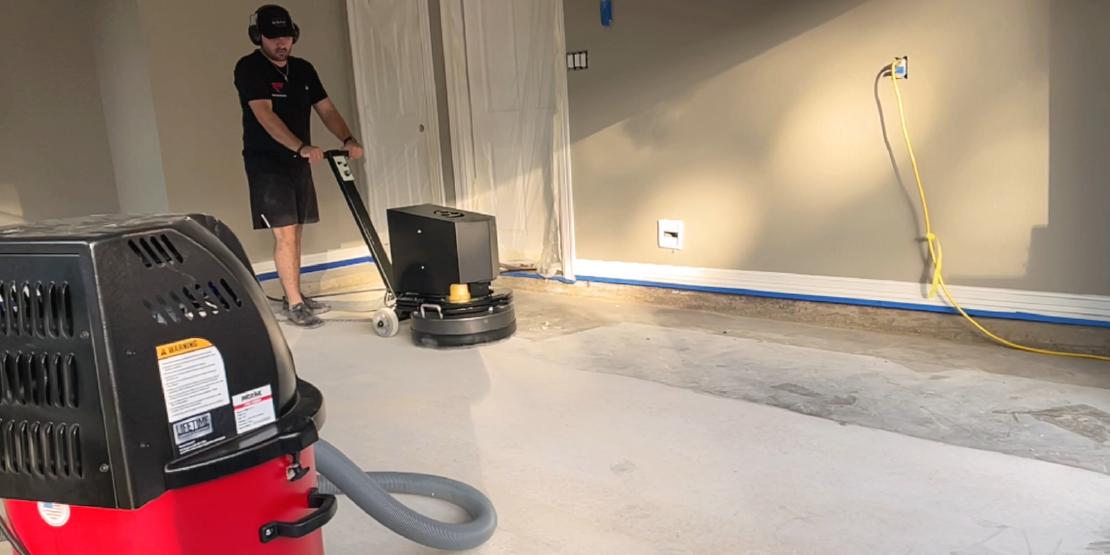

Moisture Control and Coated Floor Maintenance
Understanding the Importance of Proper Floor Care
Proper floor care is an often-underestimated aspect of both residential and commercial property maintenance. This process involves more than just visual aesthetics. It impacts the longevity and durability of the floor, contributes to the overall hygiene of the space, and even affects individuals’ safety. With various types of flooring options available, such as hardwood, laminate, ceramic tiles, or concrete, each comes with respective cleaning and maintenance protocols to retain its original look and extend its lifespan.
Humidity is a significant factor to consider in floor care, primarily because it can dramatically impact the floor’s structural integrity. High levels of moisture can lead to common issues, such as bacteria and mold growth, warping, and discoloration. Different types of floor coatings are used as a protective measure, but these, too, are affected by dampness. Hence, understanding humidity’s role in floor durability and learning ways to control it are vital parts of effective floor care. Regular cleaning, using suitable cleaning agents, and timely professional interventions also contribute to maintaining the floor’s overall health.
The Role of Humidity in Floor Durability
Humidity is a key factor that significantly affects the durability of floors. High moisture levels can lead to harmful effects on flooring materials, especially those that are porous in nature such as hardwood and concrete. The moisture can seep into the material, causing it to expand and contract with changing humidity levels. This constant flux can lead to warping, cracking, and even mold growth, all of which can severely compromise the structural integrity of the floor.
The protective floor coatings used in various commercial and residential settings are particularly susceptible to the adverse effects of humidity. When these coatings are exposed to excessive moisture, they tend to degrade faster, losing their aesthetic appeal and efficiency. Moreover, damp conditions can affect the bonding strength of the coatings, causing them to peel off or bubble up. Thus, controlling humidity is crucial to prolong the life of both the floor and its coating.
The Impact of Dampness on Different Floor Coatings
Floor coatings, while sturdy and advantageous in a variety of conditions, are not impervious to the effects of dampness. Specifically, moisture can penetrate through the coating layers, causing it to detach from the surface eventually. Different types of floor coatings are impacted by dampness to varying degrees. For example, epoxy and polyurethane coatings have excellent water resistance and, therefore, are less affected by moisture compared to their counterparts like acrylic or latex-based coatings.
Continuous exposure to moisture can trigger physical changes in the coating structure, leading to weaknesses such as peeling, cracking, and even aesthetic discolouration. Notably, areas with high humidity levels or prone to water accumulation can escalate the impact even more. On the other hand, well-ventilated spaces with controlled humidity levels considerably reduce these adverse effects. Therefore, it is clear that dampness can have detrimental effects on the durability and lifespan of different floor coatings.
Methods to Minimize Humidity for Floor Preservation
Reducing humidity levels is pivotal in maintaining the condition and prolonging the longevity of your floors. One of the primary methods to execute this is through the utilization of dehumidifiers. For areas with high humidity, these devices extract excessive moisture from the air, creating an environment conducive to floor preservation. Other options include exhaust fans, which not only lower moisture levels but also enhance air circulation, further aiding in maintaining optimum humidity levels.
Air conditioning systems are also beneficial in controlling humidity and thus, preserving floors. They actively remove moist air while simultaneously cooling the environment. Besides these measures, maintaining adequate ventilation is also crucial to prevent dampness and the build-up of moisture. Regularly opening windows, using vents, and considering sub-floor ventilation for buildings can effectively reduce humidity levels and thereby prolong the floor lifespan.
Different Types of Floor Coatings and Their Maintenance
Finding the perfect floor coating relies on understanding the different types available and how they function. There are several main categories, which include epoxy, polyurethane, acrylic, and polyaspartic coatings. Epoxy is well-known for its durability and longevity, often used in commercial and industrial settings. Polyurethane, on the other hand, is recognized for its impressive resistance to UV light and stains. Acrylic offers a balance between cost and performance, while polyaspartic coatings boast rapid curing speeds and robust resistance to wear and tear.
Maintaining these floor coatings comes with understanding their individual characteristics. Epoxy floors may require recoating after a few years depending on traffic levels, but only after a thorough cleaning and degreasing. Polyurethane can be retouched when necessary, with a focus on UV protection to combat its natural sensitivity. For Acrylic, periodic stripping and resealing are key, while polyaspartic floors may require professional reapplication every few years to maintain their resilience. Despite these individual requirements, all types benefit from regular sweeping and cleaning with pH-neutral cleaners to preserve their shine and functionality. When it comes to choosing the right floor coating for your space, understanding the various types available is crucial. Here’s a quick rundown of some popular choices:
• Epoxy: This type of floor coating is known for its durability and longevity. It is often used in commercial and industrial settings due to its ability to withstand high traffic levels. To maintain an epoxy-coated floor, you may need to recoat after a few years depending on traffic levels. Before recoating, ensure that the surface has been thoroughly cleaned and degreased.
• Polyurethane: Recognized for its impressive resistance to UV light and stains, polyurethane makes an excellent choice for areas exposed to sunlight or prone to spills. Maintenance involves retouching when necessary with a focus on UV protection due to its natural sensitivity.
• Acrylic: Offering a balance between cost and performance, acrylic coatings are another great option. The maintenance process includes periodic stripping and resealing which helps prolong their lifespan.
• Polyaspartic Coatings: Known for rapid curing speeds and robust resistance against wear-and-tear, these coatings are highly resilient but might require professional reapplication every few years.
Regardless of the type chosen, all floors benefit from regular sweeping and cleaning using pH-neutral cleaners as this helps preserve their shine while keeping them functional over time.
It’s important not only choose the right flooring material based on your needs but also understand how best maintain it so that it can continue serving you well into future without losing any of its initial appeal or functionality.
Effective Techniques for Prolonging the Life of Coated Floors
Maintaining the longevity of coated floors requires a methodical approach. Regular cleaning is one essential task that keeps the coating intact and optimizes its durability. Using the proper cleaning agents that are gentle yet effective can help prevent unnecessary wear and tear. It is advisable to avoid abrasive substances and opt for pH-neutral cleaning agents instead.
Another effective technique is thorough drying after cleaning. This is because various floor coatings, especially epoxy and polyurethane, can be sensitive to moisture. Hence, experts recommend wiping off the water promptly after mopping or any liquid spillage, thereby preventing dampness from seeping into the coating. Regular inspection for signs of wear or damage can also lead to timely repair, ensuring that the floor coating lasts longer. A consistent schedule of maintenance and care can greatly extend the life of coated floors.
The Connection Between Floor Coating and Dampness
Floor coatings act as a protective shield for various flooring types, playing a vital role against numerous elements, among which dampness is significant. The presence of excess moisture potentially penetrates through the coatings, causing a myriad of issues on the floor’s surface and its overall structural integrity. Water seepage, stain marks, discoloration, rot, mold growth, and even surface flaking are common challenges provoked by moisture and dampness.
Material selection becomes key when it comes to considering the connection between floor coatings and moisture. Every coating type exhibits a different level of resistance against dampness. Some coatings are highly resistant to water and humidity, making them suitable for more humid environments or spaces susceptible to spills and moisture. However, even the best-quality floor coating can fall prey to continual water exposure. Regular maintenance, suitable dehumidification measures, and prompt removal of standing water can significantly strengthen the defense provided by these coatings.
How to Properly Clean and Care for Coated Floors
A crucial aspect of coated floor maintenance is regular and thorough cleaning. Proper cleaning ensures that the floor coating’s lifespan is extended and its aesthetic appeal is preserved. Dust, dirt, or grit that accumulates on the floor surface can potentially scratch and damage the coating. Regular sweeping or vacuuming helps keep the floor free of these abrasive substances. Using a microfiber mop or cloth is advisable as they pick up and contain more particulates than regular mops or cloths.
When deeper cleaning is necessary, the type of floor coating significantly determines the choice of cleaning solution. For instance, while ammonia-based cleaners may work well on vinyl coatings, they might cause unwarranted damage to urethane-coated floors. Also, harsh or abrasive cleaning tools like steel wool can leave scratches on the surface and need to be avoided. Always, it is recommended to rely on the manufacturer’s guidelines for proper care and maintenance to ensure the longevity of the floor coating.
Solutions for Preventing Moisture Damage on Coated Floors
Moisture can be disastrous for any type of floor coating. Thus, implementing preventative strategies becomes paramount. One effective approach is proper ventilation as it tackles the root cause by reducing humidity levels. Adequate air flow can prevent condensation from forming, which in turn, greatly lessens the chances of moisture damage on coated floors.
Moreover, using moisture-resistant floor coatings provides another layer of protection for bigger structures like industrial buildings or commercial spaces. These moisture-barrier coatings are designed not just to withstand but also to repel water. They act as shields against unnecessary wetness that might eventually degrade the quality of the floors. Proper installation and daily inspection for any signs of crack or peel-off should also be conducted to ensure longevity.
In-depth Look at Floor Coating Materials and Their Resistance to Moisture
Recognizing each floor coating material’s unique wellness to resist moisture is vital for the effective maintenance and longevity of your floors. Materials such as epoxy, polyurethane, acrylic, and polyaspartic function differently under the influence of dampness. For instance, while epoxy coatings form a hard and resistant surface, they lack flexibility, which often results in cracks when exposed to prolonged dampness.
Epoxy coatings are largely used in commercial and industrial settings due to their ability to resist heavy foot traffic, staining, and dust. However, they have a high susceptibility to moisture damage. On the other hand, polyurethane coatings offer greater flexibility in comparison and can withstand temperature fluctuations, which makes them suitable for damp environments. Acrylic coatings, too, possess moderate resistance to moisture and offer easy maintenance. Lastly, Polyaspartic coatings, known for their quick curing time and UV resistance, handle moisture relatively well, particularly in outdoor environments.
Professional Advice on Preserving the Lifespan of Coated Floors
To enhance the lifespan of coated floors, it’s crucial to implement proper maintenance routines. Regular sweeping and mopping with suitable cleaning solutions not only keeps floors clean but also prevents the buildup of harsh particles that can severely affect the floor coating. A durable coated floor is less prone to nicks and scrapes, which significantly helps extend its life. Prioritizing regular cleaning can also prevent long-term damage caused by the continuous buildup of dirt and grime.
Furthermore, how you deal with spills makes a significant difference in preserving your coated floor’s lifespan. Immediate cleaning of spills reduces the chance of the liquid penetrating the coating and damaging the underlying floor material. Moreover, utilizing high-quality commercial floor sealing products boosts the floor’s resistance to liquid damage. Therefore, an appropriately sealed floor contributes significantly to the overall lifespan of coated floors. Remember, your coated floor’s lifespan relies heavily on your maintenance strategy and the quality of products used in its installation and care.
The Future of Floor Coating: Innovations and Developments
As we venture into the future, advancements in floor coating technology continue to evolve. The field is steadily steering towards increased usage of environmentally friendly, non-toxic solutions. Emphasis is being placed on reducing carbon footprint without compromising on the durability and functionality of the floor. Nano-technology, for instance, is making significant strides in the production of floor coatings. These coatings have distinct characteristics, offering exceptional resistance to scratches, high traffic, and, significantly, to humidity.
Moreover, it is quite promising to see developments in the area of “smart” floor coatings. This revolutionary technology aims to create floor surfaces that can adapt to varying levels of moisture, based on changing circumstantial requirements. These floor coatings are projected to provide superior longevity and minimal maintenance, thereby proving cost-effective in the long run. The spectrum of floor coating technology truly exhibits a wide range of potential and continues to be an exciting area of study and development.
Summarizing the Key Takeaways on Coated Floor Preservation and Dampness Management
Throughout this article, we’ve highlighted the significant role that humidity plays in floor durability and why correct floor maintenance is crucial. Both coated and uncoated floors are likely to deteriorate over time if left in perpetually damp environments, with different types of floor coatings demonstrating varied levels of resistance to moisture. Optimal care for these surfaces not only requires regular cleaning but also involves identifying the most effective techniques to prolong the life of coated floors.
Moreover, our in-depth look at floor coating materials enlightened us on their resistance to moisture and appropriate maintenance. It is essential to take professional advice into account while preserving the lifespan of coated floors, as expert knowledge can help avoid common pitfalls. The future of floor coating, interestingly, indicates a fascinating array of innovations and developments, aiming to tackle the ever-pressing issue of humidity-induced damage. Furthermore, effectively managing dampness and applying suitable preventative measures can dramatically increase the longevity of such floors, ensuring a pristine look and feel for years to come.
What is the significance of proper floor care?
Proper floor care is incredibly important for maintaining the durability, aesthetics, and safety of your flooring. Through regular cleaning and maintenance, the life-span of your floors can be drastically prolonged.
How does humidity affect the durability of the floor?
Humidity plays a significant role in floor durability. High levels of moisture can cause floor coatings to prematurely deteriorate, warp, or grow mold. Controlling humidity levels is key for preserving your flooring.
Does dampness impact different floor coatings in different ways?
Yes, dampness can have varying impacts on different types of floor coatings. For instance, wooden floors can warp or rot, while concrete can become more prone to cracking or flaking.
What methods can minimize humidity for floor preservation?
Humidity can be minimized by using dehumidifiers, ventilating the area properly, and using moisture-resistant floor coatings. Regular maintenance can also help identify and address dampness issues early.
How do I properly maintain different types of floor coatings?
Different floor coatings require different maintenance techniques. For example, wooden floors benefit from regular sweeping and mopping with a damp cloth, while concrete floors might need resealing periodically.
What techniques can prolong the life of coated floors?
Regular cleaning, controlling humidity, using suitable cleaning products, addressing dampness issues promptly, and reapplying the coating when necessary are some techniques that can prolong the life of coated floors.
How does floor coating connect with dampness?
Floor coating acts as a protective barrier between the floor material and moisture. Certain coatings are designed to resist dampness and can help prevent issues like warping, mold growth, and other moisture-related damage.
How can I properly clean and care for coated floors?
The first step is to use appropriate cleaning products that won’t damage the coating. It’s also important to clean spills quickly to prevent moisture absorption, and to regularly check for signs of dampness or water damage.
Are there any solutions to prevent moisture damage on coated floors?
Yes, using humidity controls, selecting moisture-resistant floor coatings, and regular maintenance can help prevent moisture damage. In damp areas, waterproofing solutions or sealants may also be beneficial.
What are some professional tips on preserving the lifespan of coated floors?
Regular cleaning, immediate treatment of spills, applying the right type of coating, and professional inspections can help preserve the lifespan of coated floors.
What are the future trends in floor coating and maintenance?
The future of floor coating includes the development of more durable, eco-friendly materials, advancements in moisture-resistant technologies, and the integration of smart sensors for early detection of dampness and damage.