
Outdoor and Patio Floor Coating Projects
Understanding the Benefits of Floor Coatings
To begin, the application of floor coatings can bring about a significant improvement in the aesthetic appeal of your patio. The coatings, available in a wide variety of colors and textures, can seamlessly blend with the overall decor of your outdoor space. Moreover, they provide a clean and polished appearance that instantly elevates the overall look, making your patio an inviting space for relaxation and social gatherings.
In addition to their aesthetic benefits, floor coatings offer a certain level of durability and protection to your patio floors. They form a protective layer over the surface that can withstand a high degree of wear and tear. This is particularly useful in high foot traffic areas or if you tend to move furniture around on your patio. By safeguarding the surface from scratches, scuffs and stains, floor coatings significantly prolong the lifespan of the flooring material underneath. Not to mention, they also make cleaning and maintenance much more manageable.
Choosing the Right Material for Your Patio Floor
The selection of patio floor material is an essential part of the construction or refurbishment process. It’s what sets the ambiance of your outdoor living space, but more than aesthetics, the right materials can ensure durability and easy maintenance. Concrete, bricks, stone, ceramic tiles, and wood are among the popular choices, each offering unique appeal and specific advantages.
Concrete provides raw yet versatile appeal; it’s highly durable and offers ample room for creativity, with choices ranging from stamped concrete designs to colored concrete options. Brick, on the other hand, exudes a timeless, classic charm and is available in numerous colors and patterns. Stone offers natural beauty and is incredibly sturdy, while ceramic tiles, often used for their decorative versatility, are easy to clean and maintain. Wood flooring, traditional and coveted for its natural warmth, require more upkeep but pay back with unmatched aesthetics. However, when evaluating these options, factors like climate, functionality, maintenance requirements, and budget should be considered.
The Importance of Surface Preparation in Coating
Surface preparation holds paramount importance in the application of floor coating. It plays an irreplaceable role in ensuring that the coating adheres effectively and creates a robust, long-lasting finish. More often than not, issues like peeling, bubbling, or uneven finishes can be traced back to inadequate or improperly executed preparation. Therefore, the role of surface preparation should never be underestimated, as it directly influences the longevity and appearance of the floor coating.
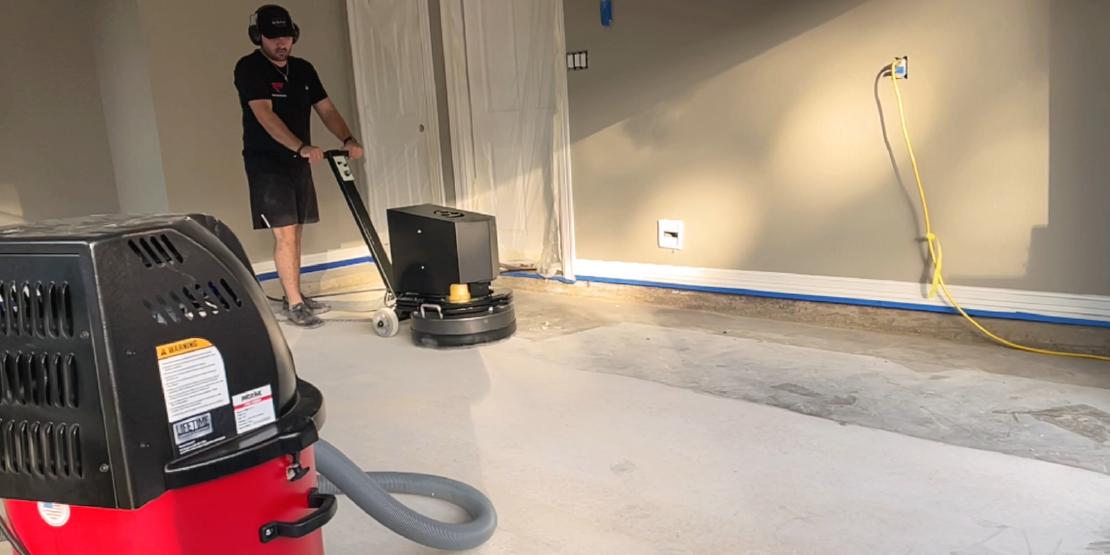
The process of surface preparation involves several steps and varies based on the type of surface to be coated. Initially, the area should be cleaned thoroughly to remove debris, dust, grease, or other impurities that might interfere with the adhesion. Depending on the coating type, the floor may require etching or mechanical grinding for creating a porous surface ideal for adhesion. Correctly executed surface preparation not only enhances the adhesive properties but also improves the performance and durability of coat application. Ultimately, effective preparation ensures a significantly superior floor coating that stands up to heavy-duty use and retains its aesthetics. The following are the key points to consider in surface preparation for coating:
• Cleaning: One of the first and most crucial steps is cleaning. The floor should be free from dust, debris, grease, or any other impurities that could potentially hinder adhesion. This can be achieved through sweeping, vacuuming, or using industrial-grade cleaners.
• Etching/Grinding: Depending on the type of floor and coating used, etching or mechanical grinding may need to be performed. This process creates a porous surface which allows for better adhesion of the coat.
• Inspection: Post-cleaning and grinding/etching phase involves inspection. It’s essential to check if there are still contaminants present on the surface that were not removed during cleaning. If found, these should be cleaned before proceeding further.
• Priming: Priming is another important step in preparing surfaces for coating. A primer helps seal up any remaining pores in your substrate (the underlying layer) and provides an extra layer of protection against moisture damage.
• Drying Time: After each stage - whether it’s cleaning or applying a primer - adequate drying time needs to be allowed for optimal results. Rushing this process can lead to poor adhesion and premature peeling off of the coat.
In conclusion, proper surface preparation significantly contributes towards achieving a high-quality finish when applying coatings on floors; it enhances adhesive properties while improving performance durability too.
Remember:
- Never underestimate its importance as improper preparation can lead directly to issues such as peeling off coats prematurely.
- Each step must not only follow but also adapt according to specific circumstances like different types of surfaces/coatings being used.
- Ultimately successful execution ensures superior quality flooring that withstands heavy-duty use without compromising aesthetics!
Step by Step Guide to Applying Concrete Floor Coatings
Concrete floor coatings can dramatically enhance the durability, functionality, and aesthetic appeal of your patio. The application, however, requires a meticulous process. Having a well-defined guide to follow can help homeowners get the best output from this home improvement project.
The first critical step is surface preparation. Concrete surface should be thoroughly cleaned to remove any contaminants like dust or grease that may prevent the effective bonding of the coating. A pressure washer or similar tool can ensure the concrete surface is deep cleaned. After cleaning, the concrete should be allowed to dry completely. Next comes the application of the primer, a product that helps the coating adhere to the concrete. The primer should be spread evenly using a roller to avoid any inconsistencies. For the main event, the actual application of the concrete floor coating should be done by skilled hands-wise to use the same rolling technique as the primer to get an even, smooth finish. Finally, the floor should be left to dry as per the manufacturer’s instructions; typically, this takes somewhere between 12 to 24 hours.
Essential Tools Needed for Patio Floor Coating
Successfully applying a patio floor coating requires the use of specific tools that aid in the process. Rollers, brushes, and paint trays are all absolute essentials for ensuring an even and smooth application. Rollers come in a variety of designs, each catering to different types of surfaces; certain types are particularly suitable for rough surfaces while others work best on smooth surfaces. Brushes are crucial for reaching corners and edges where precision is required, and paint trays hold the coating material during work, enabling easy and efficient coat application.
Alongside these basic tools, specialized equipment such as mixing drills and spiked shoes play pivotal roles. A mixing drill is used to blend the coating material adequately ensuring a smooth finish. Using a generic household drill for this purpose can result in an improperly mixed coating, which can compromise its durability. Spiked shoes, on the other hand, allow workers to walk across the freshly coated surface without leaving footprints behind, maintaining a pristine finish. Owning these tools won’t just ensure a professional finish but also enhance the longevity of your patio floor coating.
Safety Measures to Consider When Applying Floor Coatings
Coating floors, whether a patio or interior space, can involve potential risks if not handled properly. Short-term exposure to the chemicals in these coatings can cause dizziness, irritate the skin, eyes, or respiratory tract, while prolonged contact can have more severe health impacts. Therefore, a priority should be placed on identifying Safety Measures. Protective gear is essential. Wear a safety apron, goggles, gloves, and suitable boots to safeguard against skin and eye contact. Ventilation is also critical when applying coatings indoors to disperse fumes and reduce inhalation.
Aside from personal protective equipment, understanding the properties of the Floor Coatings you’re working with can also significantly contribute to overall safety. Users should ensure they possess a detailed knowledge of the manufacturer’s guidelines, the product’s potential hazards, and first-aid measures. Proper storage of these substances is another safety measure that is often overlooked. Coatings should be stored in a secure, well-ventilated area, away from children and pets. Ensuring effective cleanup after the application is equally important, as leftover or spilled material can also present a hazard.
How to Maintain and Clean Coated Patio Floors
Proper maintenance and cleanliness of coated patio floors are crucial in not only extending the life of the coating but also in preserving the overall aesthetic integrity of the patio. Regular sweeping and removal of dirt and debris are the first steps in ensuring the longevity of the floor coating. Dirt, especially sand, can act as an abrasive material, scratching the surface of the coated floor over time. Water spills should also be immediately wiped up to avoid potential staining or damage to the coating.
When it comes to cleaning, a gentle approach is advised to avoid causing any harm to the surface. Products specifically designed for use on coated floors are best, as they can clean effectively without harming the finish. Bleach, ammonia, or other harsh chemicals should be avoided, as they can cause fading or peeling. Instead, a simple solution of warm water and mild dish soap can do the trick for most dirt and stains. Rinse thoroughly after cleaning to ensure no soap residue remains. Regular cleaning and careful maintenance can keep the coated patio floor looking fresh and prolong its lifespan.
Common Issues with Patio Floor Coatings and How to Solve Them
Despite the myriad benefits that patio floor coatings offer, they can present certain issues. The most common one is bubbling or blistering, often caused by applying the coating on a wet surface or at high humidity levels. This could trap moisture beneath the coating, causing it to bubble or blister. To prevent this, ensure that the patio floor is entirely dry and humidity levels are low before applying the coating.
Yet another common issue is discolouration, which generally results from extended exposure to sunlight or harsh weather conditions. At times, it might also be due to an improper application process or use of low-quality coating material. Choose UV resistant coatings to mitigate this problem and apply coats as per instructions, ensuring no step is skipped. Regular maintenance and cleaning can also help in retaining the original colour for a longer duration.
Epoxy vs Polyurethane: Which is Better for Your Patio Flooring?
The choice between epoxy and polyurethane for your patio flooring depends on various factors, including your specific needs, the existing condition of the floor, and the environmental challenges the floor is likely to face. It’s essential to consider these elements because while both epoxy and polyurethane are excellent flooring materials, they possess different characteristics that make them suitable for different situations.
Epoxy floor coatings are popular due to their superior durability, strength, and longevity. They can resist chemicals, stains, and abrasions, making them an excellent choice for patios that endure heavy foot traffic, frequent spills, or harsh weather conditions. Conversely, polyurethane floor coatings, also robust and durable, offer better flexibility, which allows them to accommodate a floor’s natural movements without cracking. Polyurethane is also renowned for its UV resistance, meaning it won’t yellow or fade upon exposure to sunlight, a distinctive advantage for outdoor patio flooring. Understanding these unique attributes can greatly assist in making an informed floor coating decision.
How Temperature and Humidity Affect Floor Coatings
Temperature plays a crucial role in the application and performance of floor coatings. The temperature of both the air and floor surface can dramatically affect how a coating cures, leading to potential issues such as poor adhesion, blistering, or a reduction in durability. It is worth noting that most coatings require a minimum temperature of 50-77 degrees Fahrenheit (10-25 degrees Celsius), but always remember to refer to the manufacturer’s instructions.
Humidity is another factor that can significantly influence the outcome of a floor coating job. High humidity can prolong the curing process, while extremely low humidity can cause the coating to dry too quickly. The reactions between the coating material and moisture in the air can also potentially lead to surface defects such as dimpling or clouding. Therefore, it is essential to monitor both temperature and humidity levels accurately when planning to apply a new floor coating.
DIY vs Hiring a Professional for Floor Coating Application
There are pros to handling floor coating application on your own. The most obvious is the possibility of saving money. With a good understanding of the process and the right tools, you can achieve satisfactory results. Moreover, you can manage your own timeline, working at your own pace and convenience, and take personal pride in a project well done.
On the other hand, hiring a professional for floor coating application has its own set of advantages. Professionals with years of experience can guarantee a premium finish and a longer lifespan for your patio floor, thus saving you future refurbishment costs. They also have access to high-quality materials and advanced equipment, ensuring a precise and efficient job. In addition, professionals are knowledgeable about safety protocols during the application process, which can prevent potential accidents.
Eco-Friendly Options for Patio Floor Coatings
As we increasingly recognize the importance of sustainable living, many homeowners are turning towards eco-friendly solutions for various aspects of home improvement. One area where environmental considerations are particularly important is in the selection of patio floor coatings. The use of eco-friendly options not only minimizes the impact on the environment, but also creates healthier surroundings for the residents, and in many cases, proves to be more cost-effective in the long run.
Eco-friendly coating options include natural oil finishes, plant-based products, and water-based sealants. Natural oil finishes are made from renewable resources which are biodegradable, imparting minimal harm to the ecosystem. Similarly, plant-based products such as soy concrete sealers and bio-based polyurethane are an exceptional choice; not only are they derived from renewable resources, but they also perform as well, if not better than traditional finishes. Water-based sealants, although not strictly ’natural’, are another excellent choice. These sealants have low VOC emissions, making them better for the environment and healthier for the residents.
Seasonal Care Tips for Your Coated Patio Floor
Taking care of your coated patio floor varies with each season. During spring and summer, regular sweeping and occasional washing with warm water can keep the floor in pristine condition. Preventing dirt and debris accumulation should be a priority as these can scratch the surface over time. Choose bright, dry days for these cleaning tasks to allow the floor to dry entirely and to prevent moisture build-up that could harm the coating.
When winter arrives, you’ll need to shift focus to more robust maintenance procedures. De-icing salts, for instance, can erode or damage the floor coating, so it’s essential to remove snow and ice gently and avoid using too much salt. Check for any cracks or chipping in the floor coating regularly throughout the colder months – these flaws can allow water to seep in and cause damage from freezing and thawing. Thus, seasonal maintenance is vital for the longevity of your coated patio floor.
What are the benefits of floor coatings?
Floor coatings can provide enhanced durability, protection from wear and tear, and aesthetic appeal on your patio floor. They can also extend the lifespan of your flooring material.
How do I choose the right material for my patio floor?
The choice of material depends on your personal style, functionality needs, and budget. You can choose from concrete, brick, stone, or wood, among others.
How important is surface preparation in coating?
Surface preparation is crucial in coating as it ensures proper adhesion of the coating to the floor surface. This can prevent issues such as peeling and flaking in the future.
What does the process of applying concrete floor coatings involve?
The process involves preparing the surface, applying the prime coat, then the base coat, and finally a top coat for added protection and aesthetic appeal.
What tools are needed for patio floor coating?
Tools may include a paint roller or brush, a paint tray, a scrub brush for cleaning, and safety gear like gloves and goggles.
What safety measures should I consider when applying floor coatings?
Always wear protective gear, ensure good ventilation, and avoid working in extreme weather conditions.
How can I maintain and clean coated patio floors?
Regular sweeping or vacuuming, occasional mopping with a mild cleaner, and prompt removal of spills can keep your coated patio floors in good condition.
What common issues might I face with patio floor coatings and how can I solve them?
Some common issues include peeling, blistering, and discoloration. These can be addressed by ensuring surface preparation, correct application, and maintaining the right environmental conditions during application.
Is epoxy or polyurethane better for patio flooring?
Both have their strengths. Epoxy is highly durable and resistant to chemicals, while polyurethane is more flexible and resistant to UV rays. The choice depends on your patio’s specific needs.
How do temperature and humidity affect floor coatings?
Extreme temperatures and high humidity can affect the curing process of floor coatings and may lead to issues like peeling or blistering.
Should I apply the floor coating myself or hire a professional?
While DIY can be cost-effective, hiring a professional ensures proper application and can prevent potential issues in the future.
What are some eco-friendly options for patio floor coatings?
Low-VOC (Volatile Organic Compound) and water-based coatings are more eco-friendly options that also provide good durability and protection.
What are some seasonal care tips for a coated patio floor?
Seasonal care may involve checking for damage after harsh weather conditions, regular cleaning, applying a new coat as necessary, and taking care not to expose the patio to extreme conditions that could damage the coating.