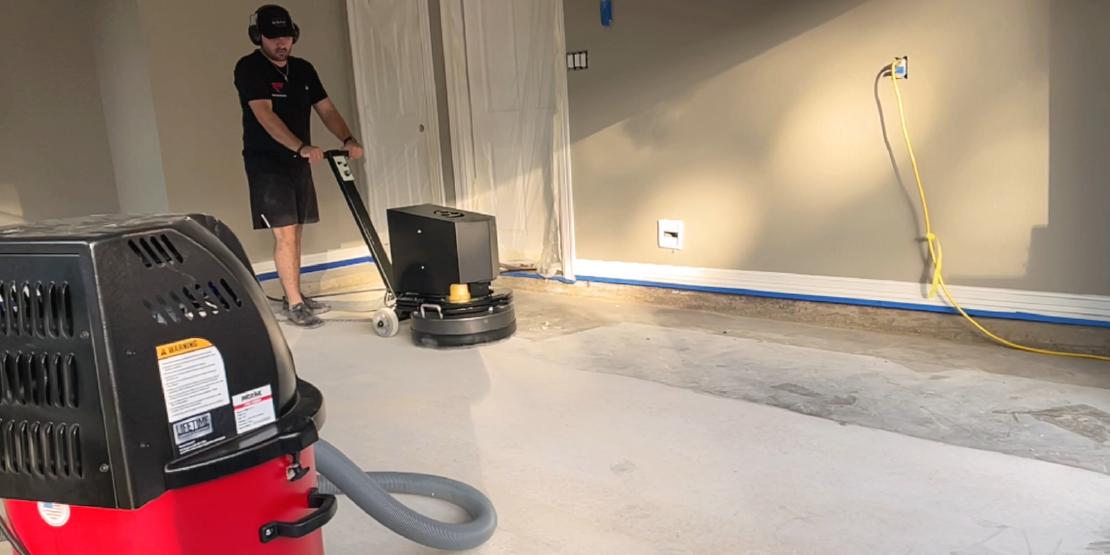

Overview of Safety Protocols for Floor Coating
Understanding the Importance of Safety Protocols in Floor Coating
Safety protocols in floor coating are foundational aspects that cannot be overlooked. These guidelines not only ensure the well-being of workers but also uphold the quality of the completed work. By adhering to these safety measures, risks of accidents, injuries, and product failures are substantially reduced. Additionally, these protocols conform to regulatory standards established by organizations such as the Occupational Safety and Health Administration (OSHA), ensuring legal compliance.
On a more tactical level, safety protocols cover a wide array of sections within the floor coating process. This includes appropriate handling and storage of materials, suitable use of Personal Protective Equipment (PPE), correct application techniques, ventilation requirements, and first aid procedures, among others. In this complex process, ensuring safety is paramount to producing a polished end product and maintaining an accident-free environment.-masterpiece.
The Basic Concept of Safety Protocols for Floor Coating
Safety protocols in floor coating are crucial guidelines designed to prevent injuries and accidents during the floor coating process. These procedures serve as a framework to ensure all workers are safe, while also maintaining the integrity of the floor coating installation.
Core elements of these protocols include the appropriate use of personal protective equipment (PPE), proper ventilation, and abiding by specific procedures during the preparation, application, and post-application stages. The protocols also highlight potential risks and hazards, emergency procedures, and first aid. Additionally, standards for continuous monitoring and maintenance of safety practices, as well as training and education in these protocols, form integral parts of this safety framework. By adhering to these safety protocols, businesses can successfully minimize the risk of accidents and improve overall workplace safety.
Key Elements of Safety Protocols in Floor Coating
Safety protocols in floor coating primarily encompass a range of measures intended to minimize occupational dangers and secure a hazard-free workspace. From the handling of volatile organic compounds (VOCs) to the use of Personal Protective Equipment (PPE), every aspect is crucial in floor coating operations. With each phase of the process requiring an intricate focus on safety, understanding these key strategies forms the backbone of a resilient safety policy.
Personal Protective Equipment (PPE) plays a pivotal role in floor coating safety. It is essential for workers to wear safety gears such as gloves, safety glasses, and respirators. These elements not only help protect against potential physical injuries but also shield against chemical splashes or inhalation of harmful fumes. Another vital component of safety protocols is the proper storage and use of coating materials. It is critical to adhere to manufacturer’s instructions to prevent any unfortunate incidents. Furthermore, ample ventilation in the working area helps disperse hazardous fumes, reducing the risks associated with VOCs.
The Role of Personal Protective Equipment in Floor Coating Safety
Personal Protective Equipment (PPE) plays a fundamental role in ensuring safety in the floor coating process. It helps protect workers from potential exposure to harmful chemicals, dust, and debris that could result in injuries and health risks. Essentially, PPE includes clothing, helmets, goggles, or other garments designed to protect the wearer’s body from injury or infection. These items are the first line of defense against hazards that may occur during the floor coating process.
Proper use of PPE is crucial in all stages of floor coating: the preparation, application, and post-application stage. Gloves, for instance, can protect the skin from strong solvents or paints that may cause burns or allergic reactions. Similarly, proper respiratory equipment shields workers from inhaling potentially harmful fumes and particles. Therefore, it is vital to understand the role of PPE and ensure its proper use to maintain a safe working environment for all involved.
Potential Risks and Hazards in the Floor Coating Process
With a thorough understanding of the floor-coating process, one can recognize various hazards and risks involved. The main potential hazards stem from chemical components and physical aspects of the task. Many floor coatings contain volatile organic compounds (VOCs) and other harmful substances that pose significant health risks, including skin and eye irritation, respiratory problems, and even neurological damage. Moreover, these chemicals can also be flammable, posing a risk of fire or explosion during application and drying phases.
Aside from chemical hazards, physical risks are present as well. Often, workers are required to work in awkward positions, which may lead to musculoskeletal injuries. The process also involves the use of heavy machinery and tools, which can pose a risk of physical injuries. Additionally, poorly ventilated spaces and surfaces that become slippery during the application can lead to falls and consequent injuries. These aspects underscore the vital need for rigorous safety protocols in the floor-coating process.
Safety Measures During the Preparation Stage of Floor Coating
During the preparation stage of floor coating, it’s crucial to heed certain safety measures to prevent accidents and injuries. Before the procedure begins, the area should be thoroughly cleaned to remove any dust, debris, or grease that might compromise the application process. Proper Cleaning is integral in maintaining a secure working environment, as it prevents the risk of slipping on loose materials. Applying Pre-Coating Primers is another preparation step; using protective gloves while handling such substances can avoid potential skin irritation.
Evidently, the use of Personal Protective Equipment (PPE) is an indispensable safety measure. Workers should wear appropriate gear, including safety helmets, goggles, and boots, to ensure protection against possible physical harm. Maintaining safe working conditions also involves the use of Safety Railings at the workplace, especially when a worker operates at an elevated level. Secured platforms help to mitigate the risk of accidental falls or trips during the coating preparation phase. Thus, adhering to these procedures assures that the personnel remain safe while guaranteeing a successful floor coating job.
Safety Considerations During the Application of Floor Coating
The application stage of floor coating is a critical moment that calls for stringent safety measures. It becomes necessary to implement proper protocols to safeguard the workforce involved from potential hazards. For instance, exposing unprotected skin or eyes to the coating materials can lead to irritation or more serious health consequences. Personal Protective Equipment (PPE) needs to be utilized throughout the application stage for this reason. Full-body coveralls, safety goggles, and gloves can provide effective protection against direct contact with harmful substances.
Moreover, the use of certain equipment can produce harmful airborne particles and fumes. These can be inhaled and cause respiratory problems. Masks or respirators should be used to counter this hazard. Another safety consideration is the importance of ensuring the work area is well-ventilated. Ventilation can disperse toxic fumes away from the working area. Mitigating these risks helps protect workers’ health and ensures the floor coating procedure is carried out proficiently and safely. The following are some of the safety considerations to bear in mind during the application stage of floor coating:
• Personal Protective Equipment (PPE): The use of PPE is a must when applying floor coatings. This includes full-body coveralls, safety goggles, and gloves. These items protect workers from direct contact with harmful substances present in the coating materials.
• Respiratory Protection: Some equipment used during floor coating can produce airborne particles and fumes that may be hazardous if inhaled. Therefore, it’s essential for workers to wear masks or respirators as part of their protective gear.
• Ventilation: Ensuring adequate ventilation within the work area is another crucial safety measure. Proper ventilation helps disperse toxic fumes away from the working space, reducing exposure risks for those on-site.
• Proper Training: Workers should receive appropriate training on how to apply floor coatings safely and effectively. They need to understand potential hazards associated with these materials and how they can protect themselves against them.
• First Aid Kit Availability: A fully stocked first aid kit should always be available at any job site where floor coatings are being applied. In case an accident occurs despite all precautions, immediate treatment could prevent further harm or complications.
By adhering strictly to these measures, we can ensure that our workforce remains safe while performing their tasks efficiently during each stage of the floor coating application process.
Post-Application Safety Guidelines for Floor Coating
Following the application of floor coating, numerous safety protocols must be adhered to ensure proper curing and safety of individuals. Curing is a critical stage where the coating solidifies to form a solid bond with the surface. During this stage, the area should remain undisturbed and free from foot or equipment traffic. A good practice is to seal off the area with the appropriate signage, caution tape, or barricades to restrict access.
A key area of focus after applying the floor coating is ensuring adequate ventilation. Many floor coatings emit fumes that, while not typically dangerous, can cause discomfort or health issues if inhaled in large amounts. Properly ventilated areas can significantly reduce these risks. Remember to keep all doors and windows open, and if possible, use a fan to circulate air. Always refer to the manufacturer’s instructions for specific safety measures and waiting periods before allowing traffic back onto the coated floor.
The Importance of Ventilation in Floor Coating Safety
Ventilation is indispensable when it comes to ensuring safety during the application of floor coatings. During this process, a range of chemical substances and compounds, including volatile organic compounds (VOCs), are emitted as floor coatings dry and cure. These can pose significant health risks if inhaled, including lung irritation, headaches, nausea, and in severe cases, damage to the central nervous system.
By ensuring proper ventilation, it is possible to mitigate these risks and maintain a safe working environment. Good ventilation dilutes and disperses these potentially harmful substances, reducing the concentration of airborne contaminants. This makes it less likely for workers to inhale dangerous particles. For maximum safety, procedures such as employing exhaust ventilation to extract contaminated air, supplemented with fresh air intake, can be beneficial. Additionally, monitoring air quality can also be an effective way to ensure the safety of workers during the floor coating process.
Emergency Procedures and First Aid in the Context of Floor Coating
Indeed, in the event of accidents during the floor coating process, proper emergency procedures must be ready for execution. Immediate action is crucial to mitigate the harm and prevent any potential health risks. Equally essential to knowing the procedures, is understanding how to use first aid equipment effectively to tend injuries rapidly. Accidents - such as spillages, exposure to hazardous substances, or even unexpected fires - can emerge abruptly in this line of work. Therefore, a well-laid and rehearsed plan aims to ensure everyone’s safety in such unforeseen situations.
From minor scratches to severe exposure to harmful chemicals, a comprehensive first aid kit should be readily available on-site, to provide immediate medical aid. Workers should be effectively trained to utilize this kit accurately, recognizing its pivotal role in supplementing the emergency procedures. Eye wash stations, respirators, protective gloves, and relevant antidotes for coatings used are some of the must-haves in every kit. Accustoming to swift and smart application of these resources paves the way for an environment where the risk of accident harm is greatly reduced.
Monitoring and Maintaining Safety Standards in Floor Coating
In the arena of floor coating, it’s often not enough to simply establish safety standards. Consistent monitoring and ongoing maintenance of these standards play a pivotal role in ensuring the safety and efficiency of operations. The process of floor coating generally involves the application of various chemicals and materials. These substances can often pose serious health risks if proper safety measures are not stringently applied and maintained.
Utilizing inspections and safety audits are a crucial part of this ongoing responsibility. Regularly scheduled observations can detect any deviations from the established safety protocols. Corrective measures can then be applied in a timely manner, preventing potential accidents and enhancing overall safety. Further, incorporating a reporting system encourages employees to highlight possible safety concerns, reinforcing the shared commitment to promoting safety within the floor coating industry.
Training and Education in Floor Coating Safety Protocols
Training in safety protocols equips floor coating professionals with necessary competencies to carry out the work efficiently and safely. This involves understanding the properties of different coating materials, their potential risks, the appropriate safety equipment to use and the safe methods for applying and removing coatings. Both theoretical knowledge and practical skills are indispensable; while theory gives an understanding of the chemical nature of coatings and their hazards, practical training imparts skills for proper handling. This includes how to suit up properly with personal protective equipment (PPE), correct coating application techniques, and correct emergency procedures.
A continuous education program in safety protocols acts as a tool for ensuring that professionals stay updated with the latest advancements in floor coating materials and methods, potential risks and newly introduced safety measures. It allows them to refresh their knowledge and sharpen their skills. Moreover, education extends beyond the professionals to include facility managers and building owners, enabling them to make informed decisions about choosing the right professionals for the job, monitoring safety standards, and ensuring proper post-application care.
The Future of Safety Protocols in Floor Coating Industry.
Looking forward, it is predicted that technological advancements and increased awareness will play a pivotal role in shaping the future safety protocols in the floor coating industry. Industry leaders and policymakers are working in tandem to adapt existing protocols to better accommodate the rapid progression of technology, balancing operational productivity with rigorous safety standards. Advancements such as robotics and automation can remove workers from potentially hazardous tasks, while augmented reality technology can provide real-time guidance and safety prompts, fostering a safer and more controlled working environment.
At the same time, education and training for safety protocol will continue to evolve and adapt. The development of comprehensive and efficient training programs, using a combination of simulation technology and classroom theory, will reinforce the importance of safety protocols and their correct application in a floor coating environment. Increased standardisation of safety protocols in the floor coating industry across international borders, driven by global groups like the International Organization for Standardization, is also likely to play a significant part in shaping the future of safety procedures in this field.
Why are safety protocols in the floor coating industry important?
Safety protocols are crucial in the floor coating industry to protect workers from potential hazards and risks associated with the preparation, application, and post-application stages of floor coating. They also ensure the quality of the coating and safe work environment.
What are the key elements of safety protocols in floor coating?
The key elements of safety protocols in floor coating include the use of personal protective equipment, adherence to safety measures during all stages of coating, ensuring proper ventilation, and knowing the correct emergency procedures and first aid.
How does personal protective equipment contribute to safety in the floor coating industry?
Personal protective equipment protects workers from harmful chemicals, fumes, and physical injuries. This includes safety goggles, gloves, protective clothing, and respiratory equipment.
What are some potential risks and hazards in the floor coating process?
Risks and hazards include exposure to toxic fumes, skin contact with harmful chemicals, slip and fall accidents, and the potential for fire or explosion if flammable materials are not handled properly.
What are some safety measures during the preparation stage of floor coating?
Safety measures during preparation include wearing appropriate personal protective equipment, ensuring the work area is well ventilated, and storing and handling chemicals safely.
How should safety be considered during the application of floor coating?
Safety during application involves using the right tools and equipment, maintaining a clean work area to prevent slips and falls, and continuing to use personal protective equipment and ventilation.
Why is ventilation important in floor coating safety?
Ventilation is important to disperse harmful fumes and provide clean air for workers. It helps to prevent health problems related to inhalation of toxic fumes.
What are the post-application safety guidelines for floor coating?
Post-application safety includes proper disposal of used materials, maintaining ventilation until the floor is completely dry, and restricting access to the area until it is safe to enter.
What is the role of training and education in floor coating safety protocols?
Training and education help workers understand the risks and hazards associated with floor coating and how to mitigate them. It ensures they know how to use equipment correctly, follow safety protocols, and respond effectively in case of emergencies.
How might safety protocols in the floor coating industry evolve in the future?
Future safety protocols may incorporate technological advancements, such as improved personal protective equipment, automated processes to minimize human contact with harmful substances, and better monitoring systems to detect and control hazards.