
Polyaspartic Coatings: A Comprehensive Overview
Understanding the Basics of Polyaspartic Technology
Polyaspartic technology, a relatively new innovation in the coatings industry, has revolutionized the way surfaces are protected and maintained. This technology is based on polyaspartic esters, a product of reactions between an aliphatic or cycloaliphatic polyisocyanate and a polyaspartic ester, which is an amine-functional resin. These two components react to form a robust, durable coating that boasts outstanding benefits over traditional alternatives.
Polyaspartic coatings derive their unique properties from their chemical composition. The unique resin structures of polyaspartic coatings allow for unmatched abrasion and chemical resistance. These coatings are also extremely flexible and retain their elasticity under extreme conditions, making them versatile and practical for various types of surfaces. Not only this, but the quick-curing nature of polyaspartic coatings also reduces downtime and accelerates project timelines, conveying significant time and cost savings.
The Chemical Composition of Polyaspartic Coatings
Polyaspartic coatings are an offshoot of polyurea technology and are composed of an aliphatic polyisocyanate and a polyaspartic ester, which is an aliphatic diamine. These two components come together to form a protective coating. The reaction of the polyisocyanate component with the polyaspartic ester component results in a polymer with outstanding mechanical and weathering properties. The structure of this coating technology is highly resistant to UV radiation, offering a clear and color-stable coating solution.
Notably, polyaspartic coatings can be modified using various resins, additives, and pigments to enhance certain attributes. Depending on the specific application requirements, the formulations can be adjusted to improve durability, flexibility, or chemical resistance. Polyaspartic coatings can also contain zero to very low volatile organic compounds (VOCs), making them an environmentally friendly option. This customization ability is another key factor that sets polyaspartic technology apart from traditional coating solutions.
The History and Development of Polyaspartic Coatings
Emerging from academic research labs, polyaspartic coatings first made their mark in the early 1990s. Developed by German scientists, the coatings were initially designed as an environmentally-friendly alternative to traditional solvent-based polyureas. A patented technology by Bayer Material Science, they provided a high performance solution with remarkably fast curing times. The original intent was to address industrial construction needs where quick turnaround and durable applications were paramount.
Over the ensuing years, advancements in the formula and application process elevated its status in the protective coating industry. Improved versions offered a wider range of curing times, extending the application window and bringing flexibility to the on-site use. Enhanced ultraviolet resistance led to their increased use in outdoor applications, while innovative formulations provided additional benefits such as color stability, low-temperature curing, and superior adhesion. Consequently, polyaspartic coatings emerged as a go-to solution across multiple industries, marking a pivotal development in the world of protective coatings.
Key Properties and Advantages of Using Polyaspartic Coatings
Polyaspartic coatings exhibit several key features that set them apart from other types of coatings. These consist of a notable rapid curing time and excellent adhesion ability. Another one of these key properties is the coating’s superior resistance to weathering and ultraviolet light, which helps to maintain the coating’s color and gloss over time. Moreover, these coatings display efficient performance in extreme climates, showcasing an ability to resist hot temperature creep as well as cold temperature cracking. The extraordinary chemical resistance of polyaspartic coatings, particularly against oils and salts, give them an edge in challenging environments.
In regards to the advantages, one such advantage is the significant reduction in downtime during application. This is due to the short curing time of polyaspartic coatings, which allows for quicker return to service. Another advantage is the versatility, these coatings can be applied and function well on diverse range of surfaces, from concrete floors in a warehouse to steel structures in a power plant. Their durability and endurance extend the lifespan of the substrate and reduce maintenance costs. Furthermore, polyaspartic coatings are health and environmentally friendly, often involving low to zero volatile organic compounds (VOC), hence surpassing conventional coating technologies in sustainability.
Potential Drawbacks of Polyaspartic Coatings
Despite the numerous advantages, Polyaspartic coatings do carry certain drawbacks that should be considered before use. One major concern is the higher cost of materials when compared to traditional epoxy or polyurethane coatings. The initial investment in Polyaspartic coatings can be significant, making it a less attractive option for budget-conscious consumers. Moreover, the advanced technology it employs may require specialized equipment, and applying the coating properly often necessitates skilled training, leading to an increase in labor costs as well.
Another potential downside is related to the fast curing time of Polyaspartic coatings. While this can be beneficial in terms of project completion times, it also leaves little room for error during the application process. If not applied quickly and correctly, the coating can start to harden before it has been fully spread out, which leads to an uneven surface and a compromise in the protective qualities of the coating. Therefore, it’s evident that the correct application of Polyaspartic coatings requires a degree of precision and expertise that may pose a challenge to novice users.
Insight into the Application Process of Polyaspartic Coatings
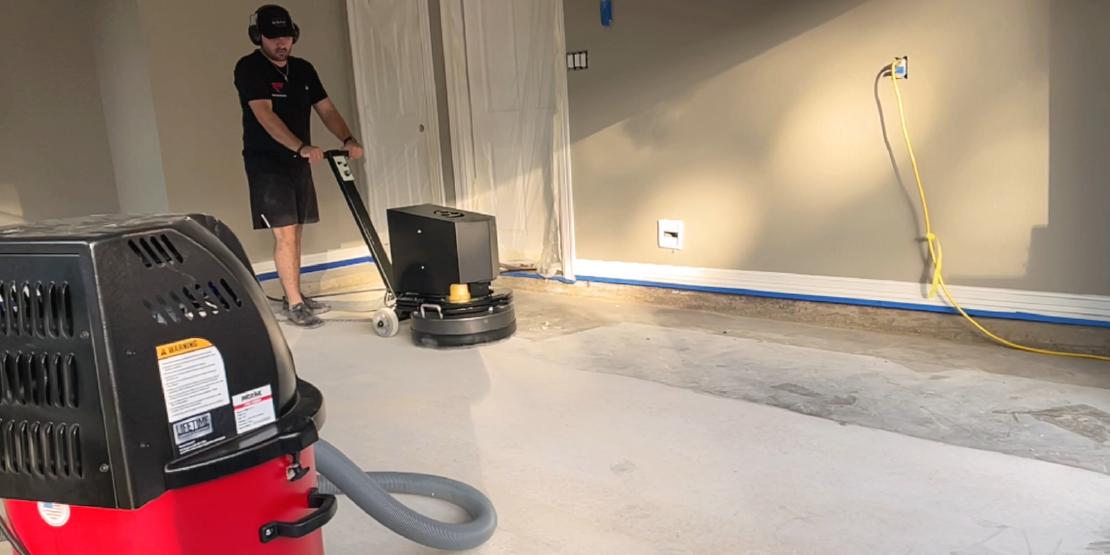
Applying polyaspartic coatings is a precise process which requires a meticulous approach. First, the surface that will be coated must be prepared thoroughly; this involves cleaning the surface with industrial-grade solutions to remove dirt, grime, and other contaminants. Any existing coatings or finishes must also be removed, typically using abrasive methods such as sandblasting. The aim is to leave a clean, rough surface which promotes strong adhesion of the coating.
Once the surface is ready, the polyaspartic coating can be applied. This generally involves mixing two components — the polyaspartic resin itself, and a hardener — and applying the mixture to the surface using a roller or sprayer. The mixture begins to cure immediately upon application, forming a seamless, durable layer that is resistant to abrasion, chemicals, and UV radiation. It’s crucial that the coating is applied evenly to prevent pooling or running. Depending on the intended use, additional layers may be applied for enhanced protection.
Ideal Situations for Implementing Polyaspartic Coatings
Polyaspartic coatings possess remarkable qualities making them the preferred choice in numerous scenarios. They exhibit superior abrasion resistance, making them ideal for surfaces that undergo substantial wear and tear. Places such as warehouses, manufacturing plants, and garages that experience a high volume of foot and vehicle traffic benefit significantly from this high-performance coating. Furthermore, the coating’s remarkable UV resistance makes it an excellent choice for outdoor applications, be it on bridges, outdoor decks, or even the exterior of buildings. This protective coating effectively shields surfaces from the destructive effects of UV rays, including color fading and oxidative damage.
A situation where time is a major constraint also sees the practical use of Polyaspartic coatings. Its rapid curing rate dramatically cuts down the time involved in the process. Traditional epoxy coatings could take days to completely dry and cure, but with polyaspartic coatings, the entire process can be completed in a single day. This is exceptionally beneficial in commercial settings, where downtime can affect productivity and revenues. Another attractive feature is its excellent adhesion to concrete and ability to withstand temperature extremes, making it perfect for industrial flooring in both hot and cold climates.
Comparison of Polyaspartic Coatings with Other Coating Types
When compared to traditional epoxies and urethanes, polyaspartic coatings offer a significant improvement in terms of application time and longevity. Traditional epoxy coatings typically require significant cure time, commonly up to 72 hours before it can be fully utilized. This prolonged downtime can complicate scheduling for businesses and be costly in commercial environments. On the other hand, polyaspartic coatings can cure in as little i as 1-2 hours, allowing businesses to return to full operation much more quickly.
Furthermore, polyaspartic coatings provide a much higher abrasion and chemical resistance than most other types of coatings, this resistance translates to longevity. While epoxy or urethane coatings may begin showing signs of wear in high-traffic areas within a few years, polyaspartics can remain intact and aesthetically pleasing for much longer. This durability not only extends the life of the coating but ultimately leads to cost savings, as the need for frequent reapplication or touch-ups is greatly reduced.
Maintenance and Longevity of Polyaspartic Coatings
One of the most advantageous features of polyaspartic coatings lies in their maintenance and longevity. Remarkably durable, these coatings can resist damage from a wide range of sources, including mechanical wear, chemical spills, and even ultraviolet light exposure. This makes them an ideal choice for environments where intense use or harsh conditions are expected. Additionally, these coatings maintain their aesthetic appeal over a long period, resisting yellowing and discoloration, which results in an attractive finish that is not just easy to clean but also adds to the appeal of the space they are applied to.
In terms of longevity, polyaspartic coatings outperform several other types of coatings. Once cured, a polyaspartic coated surface can withstand years of exposure to high traffic, severe weather conditions, and corrosive chemicals. The level of protection offered, alongside its long lifespan, ultimately translates to less frequent maintenance needs. This not only makes it a cost-effective solution but also reduces disruption in the environments where it’s applied, making it an efficient choice for many industries.
Safety Measures and Environmental Impact of Polyaspartic Coatings
Polyaspartic coatings are designed and produced with a strong dual focus on user safety and minimizing environmental impact. The application process necessitates protective gear, such as respiratory masks, gloves, and safety goggles to avoid inhalation, skin contact, and ocular exposure. Ventilation is also crucial when using these coatings indoors to prevent the build-up of hazardous vapours. In facilities, there is recommended storage protocol and industries are highly advised to follow it in order to minimize potential risks.
On the environmental front, polyaspartic coatings are formulated to be low in volatile organic compounds (VOCs). High VOC levels can lead to air pollution and numerous health issues, thus the low VOC properties of polyaspartic coatings contribute positively to a greener environment. Furthermore, its superior durability and resistance to chemicals, UV light, and abrasion reduce the frequency of reapplications, which in turn lowers manufacturing and waste energy cost, hence reducing the overall carbon footprint.
Various Industries and Their Use of Polyaspartic Coatings
Polyaspartic coatings have significantly impacted different sectors due to their superior characteristics as high-performance coatings. The construction industry perceives them as an ideal choice for cementitious substrates as they provide excellent abrasion resistance, longevity, and significantly reduce downtime. They also offer UV stability and high gloss, making them a preferred option for exterior applications like bridges and buildings.
In the automotive sector, polyaspartic coatings are extensively utilized for corrosion control and vehicle body protection. Oil and gas industries, too, heavily rely on these coatings to shield pipelines and tanks from extreme weather conditions, while also preventing corrosion. Interestingly, the healthcare and hospitality sectors have swiftly adopted polyaspartic technology for their flooring systems, due to its quick curing time and durable finish. This vast industrial implementation of polyaspartic coatings underscores their versatility and robustness.
Case Studies: Real-World Applications of Polyaspartic Coatings
One of the most notable real-world applications of Polyaspartic coatings can be seen in the case of the Preservation Bridge in Pittsburgh, Pennsylvania. The renovation project sought to extend the bridge’s lifespan significantly by addressing severe corrosion issues. To combat this, builders applied polyaspartic coatings to the steel structure, which provided superior protection against abrasive weather conditions, UV degradation, and corrosion. The coating also boasted an aesthetic appeal which seamlessly blended with the historic structure, enhancing its overall visual impact.
Another intriguing case study relating to Polyaspartic coatings involves an automotive manufacturing plant in Mexico. The manufacturing facility faced a major challenge from the high-heat conditions frequently experienced in its environment. Traditional epoxy floor paints were unable to withstand these temperatures, leading to frequent repainting and associated downtime. However, following the application of polyaspartic coatings to the manufacturing plant’s floors, it exhibited excellent temperature and chemical resistance, significantly reducing the frequency of floor maintenance operations. Thus illustrating the diverse capabilities of polyaspartic coatings in tackling real-world challenges. • Polyaspartic coatings were used in the renovation of the Preservation Bridge in Pittsburgh, Pennsylvania. The bridge was experiencing severe corrosion issues that threatened its structural integrity and lifespan. With the application of polyaspartic coatings on its steel structure:
- The bridge received superior protection against harsh weather conditions
- UV degradation was significantly reduced
- Corrosion issues were effectively addressed
- Additionally, the coating enhanced the aesthetic appeal of this historic structure
• An automotive manufacturing plant located in Mexico also benefited from using polyaspartic coatings. The facility faced a significant challenge due to high-heat conditions which traditional epoxy floor paints could not withstand, resulting in frequent repainting and operational downtime. After applying polyaspartic coatings to their floors:
- They exhibited excellent temperature resistance
- There was increased resistance to chemicals
- This resulted in a significant reduction in frequency of floor maintenance operations
These case studies demonstrate how versatile and effective polyaspartic coatings can be when applied under real-world conditions. Whether it’s protecting historical structures or ensuring efficient industrial operations, these innovative solutions are proving invaluable across various sectors.
Future Trends and Innovations in Polyaspartic Coatings
As developments in technology persist, so does the evolution of polyaspartic coatings. One trend to watch is the increased preference for these coatings in sectors where long-lasting and highly resilient surfaces are paramount. This development arises from the unique attributes of polyaspartic coatings which include excellent abrasion resistance, rapid curing times, and high stain resistance. Efforts toward improving the performance and abilities of these coatings, especially in extreme conditions, are gaining momentum. Sentences like these are likely to be pronounced more frequently in the polyaspartic coatings industry’s lexicon in the coming years.
Brushing over the canvas of innovation, research is being carried out to enhance the existing properties of polyaspartic coatings and potentially add new ones. For instance, scientists are exploring ways to increase UV resistance, which will broaden the scope of applications for these coatings, especially in outdoor settings. The research also delves into the possibility of infusing bio-based materials into the formula, making polyaspartic coatings more environmentally friendly and sustainable. Every line of research points to a future where polyaspartic coatings play a more vital role across various industries. Meanwhile, industry leaders continue to advocate and initiate conversations on the sustainable applications of these developments.
What is the basic concept of Polyaspartic technology?
Polyaspartic technology refers to a type of high-performance coating technology, renowned for its fast-curing capabilities and exceptional durability. It is widely used in both industrial and commercial applications where rapid turnaround times are required.
What is the chemical composition of Polyaspartic coatings?
Polyaspartic coatings are typically composed of an aliphatic polyisocyanate and a polyaspartic ester, which is a type of amine-functional resin. This combination allows for the creation of high-performance coatings that are notably resistant to ultraviolet light, chemical spills, and other forms of damage.
What are the main advantages of using Polyaspartic coatings?
Polyaspartic coatings offer several benefits including fast curing times, superior abrasion and chemical resistance, UV stability, excellent adhesion, and the ability to be applied in a wide range of temperature conditions.
Are there any potential drawbacks to using Polyaspartic coatings?
While Polyaspartic coatings offer many advantages, they are also associated with a few drawbacks, such as a relatively higher cost compared to some other coating types and potential difficulties in application in extreme temperature conditions.
How is the application process of Polyaspartic coatings carried out?
Polyaspartic coatings can be applied using standard spraying equipment, followed by a back roll. They can also be applied by brush or roller. The surface should be properly prepared and the coatings should be mixed correctly before application.
How does the longevity and maintenance of Polyaspartic coatings compare to other coatings?
Polyaspartic coatings are known for their superior longevity and low maintenance requirements. They resist wear and tear, and retain their aesthetic appeal for years, even in high-traffic areas, with minimal maintenance needed.
Are Polyaspartic coatings environmentally friendly?
Yes, compared to traditional epoxy and urethane coatings, Polyaspartic coatings are more environmentally friendly. They have low volatile organic compound (VOC) emissions and do not require the use of harmful solvents during the application process.
Can you provide examples of industries that use Polyaspartic coatings?
Industries such as automotive, construction, marine, and industrial flooring widely use Polyaspartic coatings due to their exceptional durability, chemical resistance, and rapid curing times.
Can you share some real-world applications of Polyaspartic coatings?
Polyaspartic coatings have been used in a variety of real-world applications, including garage floors, industrial warehouses, bridges, and even in marine environments to protect against harsh weather and corrosive sea water.
What are the future trends and innovations expected in Polyaspartic coatings?
The future of Polyaspartic coatings lies in continued innovation to improve their already impressive features. This includes efforts to make them more environmentally friendly, improve their durability and longevity, and make the application process even more efficient. Some specific trends include the development of water-based polyaspartic coatings and further reducing VOC emissions.