
Polyaspartic Coatings: Faster Curing Times
Understanding Fast-Curing Protective Layers
Fast-curing protective layers are unique in their ability to affirm a solid state in a relatively short span of time. This ability stems from advanced chemical processes that promote quicker evaporation or harder- setting of the coating. These particular coatings advent a plethora of benefits, particularly when endeavouring projects require a fast turn-around times or conditions necessitate rapid drying.
Chemically speaking, the short curing time can be attributed to specific accelerators used in the formulation. These additives expedite the chemical reactions that transform these coatings from a liquid to a solid state. Consequently, this instant curing process bolsters the practical feasibility of these coatings in varied sectors. From construction, automotive industries to the world of artistic painting, fast-curing protective layers have revolutionized the speed and efficiency of creating durable, lustrous finishes. Fast-curing protective layers are indeed a marvel of modern chemistry and have numerous applications. Here’s a closer look at their unique properties and benefits:
• Quick Drying: The most distinct advantage of fast-curing protective layers is their ability to dry almost instantly. This makes them ideal for projects with tight deadlines or in conditions where rapid drying is essential.
• Enhanced Durability: These coatings, once hardened, offer superior durability compared to conventional ones. They can withstand harsh weather conditions, heavy traffic, and other external factors that might cause wear and tear.
• Versatility: Fast-curing protective layers are versatile enough to be used across various sectors such as construction, automotive industries, artistic painting etc., making them highly sought after.
• Improved Aesthetics: Apart from the practical benefits these coatings provide lustrous finishes enhancing the overall aesthetics of any project they’re applied on.
Understanding how these fast curing protective layers work can help you make an informed decision when choosing the right coating for your next project:
• Chemical Accelerators: The secret behind the quick-drying property lies in specific accelerators used in their formulation which speed up chemical reactions transforming liquid into solid state swiftly.
• Evaporation Process: In some cases, faster evaporation rate is promoted leading to quicker hardening of the coating layer offering immediate protection against potential damages like scratches or corrosion.
In conclusion, fast-curing protective layers not only save time but also ensure long-lasting protection with enhanced aesthetics. Whether it’s a large-scale industrial application or a small DIY project at home - these high-performing coatings bring efficiency and quality hand-in-hand!
Exploring the Chemistry Behind Quick-Drying Coatings
In the realm of coating technology, the speed at which a coating cures is largely determined by its chemical composition. To fully comprehend the science behind quick-drying or fast-curing coatings, we delve into the mechanics of its key constituents - the resin, solvent, and the curing agents. The resin contributes to the durability of the coating, while the solvent, a volatile substance, evaporates, aiding in the drying process. Curing agents, on the other hand, facilitate chemical reactions that harden the coating. Different combinations of these elements can lead to varied curing times.
One of the commonly used quick-drying coatings is the “two-component” or “2K” system. This system consists of a resin component mixed with a separate curing agent or hardener just before application. Upon the mixture, a chemical reaction is triggered - an exothermic process that results in accelerating curing times. The quick polymerization process forms a hard, durable finish. Such accelerated transition from a liquid to a solid state is what essentially sets fast-curing coatings apart from traditional options.
The Science Behind Accelerated Cure Times
The magic behind accelerated cure times is intertwined with the delicate chemistry of coating formulations. The critical variables that influence cure times include accelerators or catalysts, energy, and heat. Accelerators or catalysts are substances added to coatings to promote quicker reactions, speeding up the hardening process. Even more, the chemical makeup of the actual coating – the resin and the hardener – plays a vital role in how swiftly a coating cures.
Different energy sources, such as UV light or infrared (IR) heat, can also expedite the curing process. UV-curing coatings contain photoinitiators that become excited when exposed to UV light, leading to rapid curing within seconds or minutes. Conversely, the use of heat, particularly in powder coatings, promotes faster cure times by reducing the viscosity of the coating, enabling a faster chemical reaction. Understanding these factors provides a window into the science of accelerated cure times, offering insights into techniques for developing and applying quickly drying protective layers.
Benefits of Rapid Curing Coatings
Rapid curing coatings offer unmatched time effectiveness and operational efficiency in industrial projects. As the name implies, these types of protective layers harden or ‘cure’ much faster than their traditional counterparts, often in a matter of minutes or hours. This speed can significantly minimize downtime and disruption during maintenance-related tasks or new installations. In practical terms, this means businesses can get back to their regular operations sooner, ergo, saving valuable time and money on project delays.
Another notable advantage of rapid curing coatings is their exceptional durability. Unlike standard coatings that require extended drying periods before achieving optimum hardness, these high-speed curing finishes achieve their full physical and chemical properties almost immediately after application. Therefore, they are highly resistant to wear, tear, and environmental damage from an early stage, significantly extending the lifespan of the coated surfaces. This enhances asset longevity and can stave off the need for frequent maintenance, offering substantial cost savings in the long term.
Potential Applications of High-Speed Curing Finishes
High-speed curing finishes find myriad applications in a variety of industries. As the need for quick project turnover rates increases, these specialized coatings bring efficiency and practicality. Industries like manufacturing, construction, automotive and aerospace significantly benefit from these fast-curing solutions. These sectors often deal with strict project timeline demands, making time a crucial factor. Any coating technology that can provide substantial time-saving advantages becomes a preferable choice.
In the world of arts and crafts, fast-curing coatings are widely favored. Artists, professional or amateur, appreciate the convenience these finishes offer. They help speed up the creation process without compromising the overall quality of the output. Similarly, in marine applications, high-speed curing finishes serve an essential purpose. Their fast curing time is beneficial in reducing the idle time of ships or boats during repair or routine maintenance. High-speed curing finishes also enable quick application in large scale structures, such as bridges or skyscrapers, facilitating rapid construction or renovation timeline. The potential applications of these advanced technologies continue to expand as more industries recognize their value.
Comparing Fast-Curing Coatings with Traditional Options
Fast-curing coatings have gained momentum due to their known accelerated drying process when compared to traditional options. This rapid drying feature ensures a shorter downtime, leading to increased productivity in various industries such as automobile, engineering, and construction. Their chemically active composition, which allows them to dry quickly, also results in a robust and durable finish. Consequently, the finished products exhibit superior corrosion resistance, improved aesthetic quality, and extended service life.
On the other hand, traditional coatings often require longer curing times, ranging from several hours to days. These coatings, despite their longer drying time, also provide a strong and durable finish. However, the extended application time typically equates to longer project completion times, translating into higher costs. Additionally, traditional coatings might require certain environmental conditions for optimal curing, potentially limiting their application. While both types of coatings serve the ultimate purpose of provision and enhancement of surface protection, fast-curing coatings distinguish themselves with their time-efficiency and flexible application, marking an innovative step in coating technology.
Key Factors Impacting the Curing Speed of Coatings
There are several elements that significantly impact the curing speed of coatings. These factors include the type of coating material used, the ambient temperature, and the humidity levels in the application environment. For example, oil-based and water-based paints have different curing times, with oil-based paints requiring a longer duration for curing. On the other hand, the environmental conditions can have a significant impact as warmer temperatures and lower humidity can accelerate the curing process.
In addition, the thickness of the coating layer plays a pivotal role in determining its curing time. A thicker layer of paint can take longer to dry compared to a thin layer. Catalysts, or hardeners, added to the coating can also influence the curing speed. These chemicals initiate a chemical reaction in the coating, leading to quicker hardening or curing. It’s vital to understand these factors to properly manage and predict the curing speed, ensuring optimal performance and longevity of the coating.
Innovations in Coating Technologies: A Focus on Speed
Over the past few years, advancements in the field of polymer science have prompted an evolution of coating technologies. A considerable focus of these advancements has been on speed, particularly accelerating the curing times of protective layers. Rapid curing coatings have revolutionized a diverse set of industries including automotive, manufacturing, construction, and many more. The essence of these coatings lies in the innovative blend of resins, solvents, additives, and pigments which accelerate curing times without compromising on performance and durability.
This new breed of high-speed curing finishes warrants examination from a chemical perspective. The driving force lies in the formulation - a complex mix of elements brought together in perfect harmony. Innovations have primarily centered around the acceleration of cross-linking processes, which determine the final properties of the coating. The focus on speed has led to the emergence of novel coating systems capable of curing within minutes, even at room temperature. With these advancements, industries are able to increase their productivity, save energy, and reduce downtime.
The Role of Temperature in Accelerating Curing Times
Understanding the role of temperature is crucial for harnessing the potential of fast-curing coatings. Strikingly, as the temperature rises, so do the rate of chemical reactions, thereby reducing the curing time for coatings. This is a direct application of the Arrhenius equation, a significant concept in physical chemistry which postulates that each chemical reaction has an activation energy, and temperature significantly influences this energy. For most chemical reactions, including the curing of coatings, an increase in temperature results in an increased reaction rate - hence the swifter dry time.
Thermal energy from higher temperatures essentially fuels the chemical bonds in the coating to form quicker. Thus, curing times can be optimized by carefully controlling the application environment’s temperature. However, it is worth noting that extremely high temperatures might result in detrimental effects, such as causing the coating to bubble or shrink, highlighting the importance of achieving an ideal temperature balance. In light of this, advancements in coating technologies have seen the introduction of thermally activated catalysts which are designed to manage these challenges, enabling the coatings to cure much faster even at moderate temperatures.
Addressing Common Misconceptions about Fast-Curing Coatings
Fast-curing coatings are a marvel of modern chemistry, revolutionizing industries from automotive manufacturing to home renovations. However, many misconceptions have been floating around, creating confusion about what these coatings are and how they work. Some believe that the quick-drying characteristic of these coatings suggests poor quality or limited longevity. For those entrenched in traditional coating approaches, the concept of a fast curing time seems to equate to unintended compromises in the coating’s performance or durability.
Contrary to these misconceptions, fast-curing coatings offer superior advantages without sacrificing efficiency or durability. Technological advancements have enabled these coatings to cure at a much faster rate without compromising the quality or longevity. Moreover, it is important to keep in mind that the quick-drying capability of these coatings does not necessarily correlate with their lifespan or strength. Just as importantly, these quick-drying coatings have undergone stringent testing and strict quality control measures to ensure their performance matches, if not surpasses, that of conventional options.
Potential Challenges and Solutions in Applying Fast-Curing Coatings
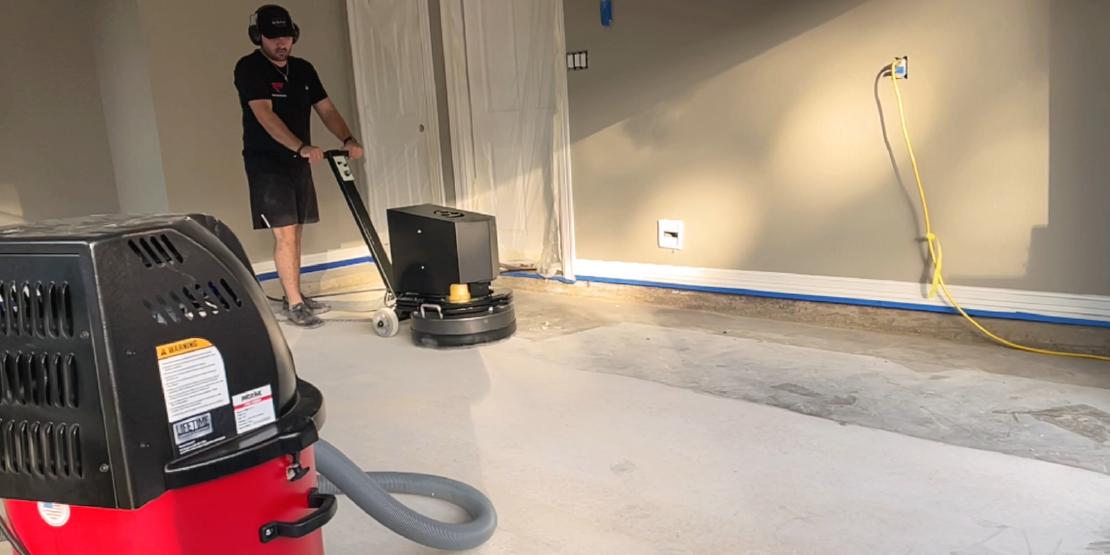
Among the challenges inherent in the application of fast-curing coatings, inadequate surface preparation stands paramount. The need for a clean and dry surface is critical to ensure the proper adhesion of the coating. This process often requires meticulous attention to detail. Without proper preparation, peeling, flaking, or chipping may occur post-application. Similarly, the impact of environmental conditions during application can significantly affect the curing speed and overall coating performance. Factors such as temperature, humidity, and ventilation should be optimally controlled to ensure the best results.
In response to these issues, various solutions have been explored and successfully applied. For example, by using advanced surface preparation tools and techniques, it’s possible to achieve an optimal surface condition for coating application. These include abrasive blasting, power tool cleaning, and solvent cleaning. On the other hand, careful scheduling of coating application can mitigate environmental factors. Carrying out the procedure during periods of low humidity, moderate temperature, and good ventilation can secure favourable curing conditions.
Maintenance and Durability of Quick-Drying Coatings
Quick-drying coatings offer substantial benefits in terms of both maintenance and durability. Due to their rapid curing time, these coatings minimize the time during which they are exposed to contamination that could undermine their protective function. Still, they adhere fully to the surface they’re applied to, possessing resistance to chipping, scratching, and wear. Surface coverage is consistent with quick-drying coatings, a crucial aspect that ensures optimal protection and longevity.
In terms of upkeep, the maintenance is relatively low due to their high durability. The rapid drying time tends to create a firm and resilient coating that can withstand harsh environmental factors, and often industrial abuse, over time. Coupled with that, these fast curing coatings are resistant to various chemicals which can increase their lifespan. Therefore, they often require less frequent touch-ups or replacements, reducing the overall maintenance cost and time. Additionally, these protective coatings don’t fade easily, retaining their vibrant gloss over extended periods.
Case Studies Illustrating the Effectiveness of Fast-Curing Coatings
In a recent study, a local automobile factory upgraded to fast-curing coatings for their vehicle exterior finishes. The shift resulted in significant improvements in production rates. Previously, the traditional curing process took up to 24 hours, slowing down the entire assembly line and capping daily production. With the introduction of fast-curing coatings, cure time was reduced to mere minutes. This led to an overall increase of 50% in the daily production of vehicles.
Another compelling case involved an aircraft maintenance and refurbishment company. They faced major challenges to keep aircraft downtime to a minimum to enhance profits and meet aggressive delivery schedules. The use of traditional coatings would immobilize the aircraft for extended periods during refurbishments, an unfavorable factor for operators and fleet owners. The switch to fast-curing coatings changed the scenario dramatically. By cutting down the curing time, the turnaround time was significantly improved, leading to higher productivity, reduced downtime, and increased client satisfaction.
What are fast-curing protective layers?
Fast-curing protective layers are coatings applied to surfaces, which dry or harden at accelerated speeds compared to traditional coatings. They are primarily used to provide immediate protection and aesthetic improvements.
Can you explain the chemistry behind quick-drying coatings?
The chemistry behind quick-drying coatings involves a reaction between the coating material and a catalyst, which speeds up the curing process. This reaction forms a hard, protective layer over the applied surface in a fraction of the time taken by traditional coatings.
What are the benefits of using rapid curing coatings?
Rapid curing coatings offer several benefits, including shortened project times, reduced labor costs, and enhanced productivity. They also provide immediate protection, which is crucial in environments where surfaces are exposed to harsh conditions.
Where can high-speed curing finishes be applied?
High-speed curing finishes can be applied in various industries, including automotive, aerospace, marine, construction, and manufacturing. They are particularly beneficial in projects where quick turnarounds are required.
How do fast-curing coatings compare with traditional options?
Fast-curing coatings typically dry or harden much quicker than traditional options, allowing for faster project completion. However, they may require more precise application techniques and conditions to ensure optimum results.
Are there any factors that impact the curing speed of coatings?
Yes, several factors impact the curing speed of coatings, including temperature, humidity, the thickness of the coating, and the type of catalyst used.
How does temperature play a role in accelerating curing times?
Higher temperatures can accelerate the chemical reactions that cause curing, thereby reducing the time it takes for the coating to harden. However, excessively high temperatures may negatively impact the coating’s properties.
Are there any misconceptions about fast-curing coatings?
Yes, some misconceptions are that fast-curing coatings are inferior in quality or durability compared to traditional coatings. However, with proper application and maintenance, these coatings can offer comparable, if not superior, performance.
What are the potential challenges in applying fast-curing coatings?
Some potential challenges include managing the accelerated curing process, ensuring the coating is applied evenly before it starts to harden, and controlling the application conditions, such as temperature and humidity.
How durable are quick-drying coatings?
Quick-drying coatings can be highly durable, provided they are applied correctly and maintained properly. However, their durability can be influenced by factors such as the quality of the coating, the application conditions, and the surface’s exposure to environmental stressors.
Can you provide examples of case studies illustrating the effectiveness of fast-curing coatings?
While specific case studies cannot be provided in this FA