
Polyaspartic Coatings for Quick Turnaround Projects
Understanding the Basics of Polyaspartic Coatings
Polyaspartic coatings provide a revolutionary step up from traditional finishes and sealants. These substances belong to the aliphatic polyurea family and chemically are a reaction of an aliphatic polyisocyanate with a polyaspartic ester, which is an aliphatic diamine. Their development traces back to the 1990s, intended as a more durable and resilient alternative to conventional coatings.
Pioneering their industrial use, polyaspartic coatings not only prove to be highly resistant to weathering, ultraviolet rays and mechanical damage, but also present high flexibility and quicker curing times. In addition, they display excellent adhesion qualities and a tolerance to a range of temperatures when curing. These beneficial properties led to their adoption in a variety of sectors, from concrete floor finishes, to corrosion protection, to automotive refinishing.
The Chemistry Behind Polyaspartic Coatings
Polyaspartic coatings are formulated from the reaction of an aliphatic polyisocyanate and a polyaspartic ester, which is an aliphatic diamine. This unique chemistry allows for a predictable and consistent reaction, resulting in a coating with superior properties. The aliphatic polyisocyanate in polyaspartic coatings’ formulation contributes to the coating’s UV resistance and durability. On the other hand, polyaspartic ester, a new type of amine functionality with a bulky structure, is responsible for the coating’s quick curing times and enhanced film properties.
Interestingly, it is this complex molecular structure that lends polyaspartic coatings their exceptional performance characteristics and versatility. Despite their complicated chemistry, polyaspartic coatings demonstrate far less sensitivity to moisture both during and after application than more traditional polyurethane or epoxy coatings. The urethane bond in polyaspartic coatings is notably robust, contributing to their superior resistance to chemicals, abrasion, and weathering, further broadening their applicability in a range of industrial scenarios. The characteristics of polyaspartic coatings, in many respects, can be attributed to their unique and powerful chemistry.
Advantages of Using Polyaspartic Coatings
Polyaspartic coatings offer superior durability compared to traditional epoxy and urethane coatings. They exhibit excellent abrasion, chemical and UV resistance. This makes them an ideal choice for high-traffic areas exposed to harsh environmental conditions. Their high tolerance to temperature variation also enhances their adaptability. Furthermore, the resultant finish of Polyaspartic coatings is aesthetically appealing, which preserves and improves the visual appearance of the space they’re applied to.
In addition, an outstanding quality of Polyaspartic coatings is their fast-curing ability. The swift cure rate reduces the downtime significantly, making for rapid project completion. Typically, projects can resume normal operations within a day, which is a considerable advantage in time-sensitive projects. Also, these coatings display superior adhesion to prepared substrates thereby, limiting the possibility of delamination. Moreover, these coatings are available with a range of slip resistances, providing enhanced safety where required.
Comparison: Polyaspartic Coatings versus Traditional Coatings
Polyaspartic coatings have been hailed as a significant advancement over traditional coatings. The primary differentiating factor is their impressive durability. These coatings exhibit superior resistance against abrasion, corrosion, and chemical spills, making them ideal for high-traffic, industrial environments. Polyaspartic coatings also offer exceptional UV stability, maintaining their color and gloss for an extended period, which are usually not the case with most traditional coatings.
Further, traditional coatings like epoxy and urethane typically require a prolonged curing time, which can extend to several days based on the ambient conditions. Polyaspartic coatings, on the other hand, are known for their rapid curing capabilities. They harden within a matter of hours, allowing minimal downtime and swift project completion. However, this accelerated curing time demands a high level of proficiency during application to avoid potential errors, a caveat absent with traditional coatings.
Application Process of Polyaspartic Coatings
The process of applying polyaspartic coatings operates in a way that is distinctly advantageous to property owners and commercial contractors. It begins with a thorough prepping of the surface, ensuring an area free of debris, dust, and residual material. The primary coating, crafted of a blend of polyaspartic components, is then applied via spray or roller, depending on the nature of the substrate and the dimensions of the space. This first coat seizes the role of a primer, adhering strongly to the substrate and beginning the process of fortification.
Once the initial layer has sufficiently dried, the secondary coating, or the topcoat, is administered. This layer offers high-tech UV protection, impermeability to water, resistance to chemicals, and glossiness. Interestingly, the curing process can occur at almost any temperature, with the drying time merely varying in duration. Enhanced with pigment or designs, the effect produced is both aesthetically pleasing and highly functional. It’s this duality of form and function that underlines the advantages of using polyaspartic coatings versus traditional options.
Ideal Conditions for Polyaspartic Coatings Application
One of the profound advantages of polyaspartic coatings is their incredible versatility with regards to application conditions. Unlike their epoxy and polyurethane counterparts, polyaspartic coatings can be applied in a broad range of temperatures, from as low as -30°F to scorching peaks of around 140°F. This makes them an ideal choice for projects in climates of extreme hot or cold weather. Another alluring aspect of these coatings is their unaffected performance in high humidity conditions, where other coatings might fail. With humidity thresholds over 85%, polyaspartic coatings have an upper hand in coastal regions or areas with high precipitation.
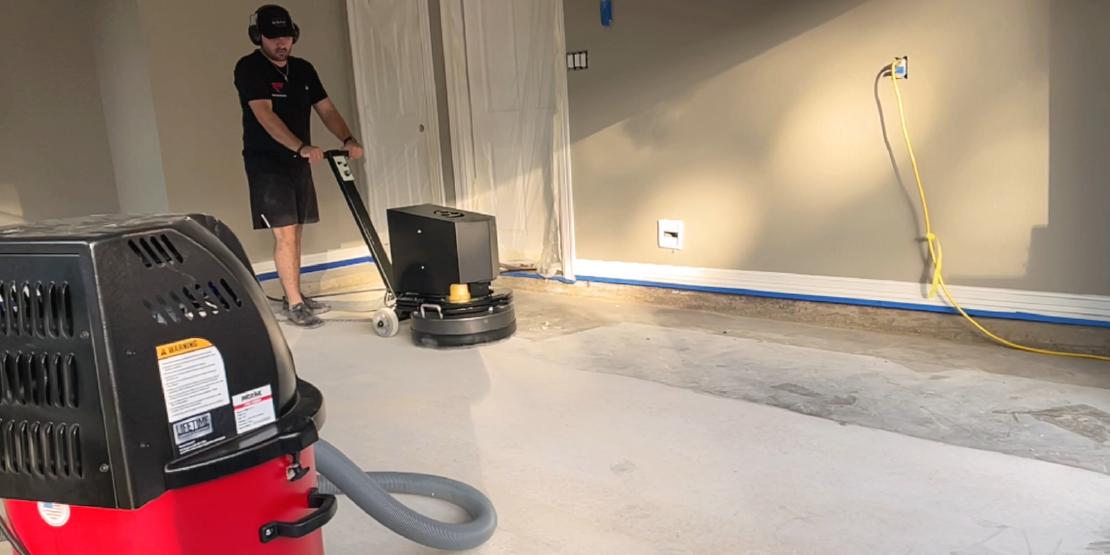
To ensure optimal adherence and longevity, surface preparation is deemed crucial before the application of polyaspartic coatings. The surface must be clean, dry, and free from dust, oil, loose concrete, or other contaminants. Achieving a rough or textured surface through methods like sandblasting or acid etching helps increase the coating’s grip, offering a much stronger bond. While polyaspartic coatings offer flexibility in application conditions, careful attention to surface preparation ensures a flawless outcome, reinforcing the durability of the coating further.
How Polyaspartic Coatings Facilitate Rapid Project Completion
In the realm of industrial coatings, time is a critical factor. Against this backdrop, the swift cure time of polyaspartic coatings stands out as a stark competitive advantage. Unlike conventional epoxy or polyurethane coatings that may need several days to cure fully, polyaspartic coatings can cure in a matter of hours, even under less-than-ideal environmental conditions. This rapid curing capability drastically reduces project turnaround times, allowing for faster re-opening of facilities and minimizing loss of business due to downtime.
Matching this time-saving quality is the ability of polyaspartic coatings to be applied in thicker layers compared to traditional coatings, without the risk of solvent entrapment or surface irregularities. This means fewer coats are needed to attain the same level of protection, shaving off more time from the application process. Integrating polyaspartic coatings into project specifications results in time and cost savings, pushing the project closer to an earlier completion date.
Case Study: Polyaspartic Coatings in Real-world Projects
One of the most notable examples of real-world applications of polyaspartic coatings is in the automotive industry, where it has been extensively used to complete high-quality flooring systems. The project involved the installation of a two-layer coating system in a 10,000 square foot area. This task was completed in less than 48 hours, thus highlighting the efficiency of polyaspartic coatings. The result was an aesthetically appealing, stain and abrasion-resistant surface that delighted stakeholders.
In a different industry, the craft beer brewing sector, a company named ‘Craft Ales’ used polyaspartic coatings to revamp their flooring. The brewery environment presented unique challenges such as exposure to thermal shocks, chemical and caustic cleaning agents, and heavy vehicular traffic. The polyaspartic coating was applied, leading to enhanced durability, resistance to chemicals, and significantly reduced maintenance requirements. Both real-world cases exemplify the exceptional performance, practicality, and diverse application of polyaspartic coatings.
Overcoming Challenges in Polyaspartic Coatings Application
Applying polyaspartic coatings may present a learning curve for those new to the process, presenting certain challenges related to temperature sensitivity, material handling, and surface preparation. Temperature sensitivity is a key factor; polyaspartic coatings cure rapidly at high temperatures, and slower under colder conditions. In contrast, extreme temperatures can also potentially trigger issues, such as bubbling or foaming. Equipment needs to be carefully maintained, ensuring no blockages occur that could impede the application process. Additionally, the substrate or surface to which the coating is to be applied must be correctly prepared to ensure proper adhesion and seamless finish.
In response to these hurdles, several strategies can be employed to guarantee a smooth and efficient application process. The use of applicator training can ensure best practice techniques are understood and adhered to. Thorough equipment checks before starting the application process can help prevent equipment-based issues, whilst regular cleaning and maintenance can prolong the life of the application tools. Thorough surface preparation, typically involving cleaning, drying, and possible priming of the surface, is necessary for optimal adhesion and longevity of the polyaspartic coating. Employing these strategies can help overcome the practical challenges intrinsic to applying polyaspartic coatings.
Maintenance and Longevity of Polyaspartic Coatings
The underlying key to the longevity of Polyaspartic coatings lies in their innate chemical structure that presents as a highly cross-linked dense network. This intricate framework enables the coating to provide superior abrasion, chemical resistance, and resilience to high impacts. Furthermore, these coatings exhibit UV stability, meaning they do not yellow or degrade in sunlight making them an ideal solution for outdoor applications.
Maintenance of Polyaspartic coatings, on the other hand, is minimal due to their inherent durability and resistance to elements. Regular cleaning to remove surface grit and dust is generally sufficient to maintain the coating’s appearance and performance. Even in cases of minor surface damage, these coatings can be spot repaired easily without the need for a complete overlay, thus reducing the maintenance cost and effort.
Cost Analysis: Is Polyaspartic Coating Worth the Investment?
When carrying out a cost analysis of Polyaspartic coatings, factors such as application speed, durability, and longevity come to the forefront. In comparison to traditional epoxy and urethane systems, the fast-curing nature of Polyaspartic coatings significantly reduces labor costs. This reduction is accomplished through diminishing the necessary repeat site visits, closing off areas for longer periods and thus, resulting in lower operational expenditure over the project’s duration.
Moreover, Polyaspartic coatings demonstrate exceptional durability and weather resistance, slashing service and repair expenses over time. The coating’s resistance to UV light and chemical abrasion significantly extends its lifespan, translating into fewer recoating requirements. Even though the upfront costs may seem high, the many benefits coupled with its extended lifespan make Polyaspartic coatings a sound, cost-effective investment in the long run.
Environmental Impact of Polyaspartic Coatings
Polyaspartic coatings have garnered a reputable standing in the market for their relatively low environmental footprint. These coatings are formulated to be 100% solids, meaning they contain no volatile organic compounds (VOCs). VOCs are responsible for the harmful emissions that contribute to air pollution and climate change. As a result, the use of such coatings helps in maintaining healthier air quality, complying with stringent environmental regulations, and promoting sustainability in industries.
Additionally, the energy efficiency of polyaspartic coatings is another noteworthy aspect. Since these coatings are capable of curing at a rapid pace, they necessitate less energy-intensive curing processes compared to traditional coatings. This substantial reduction in energy usage not only signifies cost savings for businesses but also lessens the strain on our planet’s finite resources. Aiding to reduce the carbon footprint, the usage of polyaspartic coatings demonstrates our advancing strides towards a more eco-conscious industrial landscape.
Novel Developments and Future Prospects in Polyaspartic Coatings
In recent years, academic and industry research has sparked several innovative modifications in polyaspartic coatings. The prime focus of these developments is increasing the performance and longevity of these materials, as well as making their application process easier and more environmentally friendly. Researchers are also making efforts to create polyaspartic coatings that can withstand extremely high temperatures or pressures, widening the range of potential uses for these compounds. As newer formulations come to light, there is a rapidly growing interest in heavyweight industries such as aerospace, shipbuilding, and structural steel.
In terms of future prospects, the market where polyaspartic coatings will play a significant role is expected to expand exponentially. The increasing awareness regarding the benefits of high-performance coatings, coupled with strict environmental regulations, will drive industries to adopt these advanced solutions. Researchers foresee a surge in the use of polyaspartic coatings in the automotive sector and infrastructure development, as they offer superior corrosion resistance and a reduced curing time. The future seems to hold a significant role for polyaspartic coatings in vital industries and everyday applications.
What are the basic aspects of Polyaspartic coatings?
Polyaspartic coatings are a type of high-performance coating ideally suited to protect surfaces from corrosion, impact, and other forms of abrasion. They also have excellent UV resistance and can be applied at varying thicknesses depending on the requirements of the project.
Can you explain the chemistry behind Polyaspartic coatings?
Polyaspartic coatings are made by reacting an aliphatic polyisocyanate with a polyaspartic ester, which is a derivative of the amino acid Aspartic. The result is a coating with exceptional durability and a rapid cure rate.
What advantages do Polyaspartic coatings offer?
Polyaspartic coatings offer several advantages including superior durability, UV resistance, corrosion resistance, and the ability to be applied at varying thicknesses. They also cure rapidly, allowing for faster project completion.
How do Polyaspartic coatings compare with traditional coatings?
Polyaspartic coatings often outperform traditional coatings in terms of durability, UV resistance, and corrosion protection. They also have a faster cure rate, which can significantly reduce project timelines.
How are Polyaspartic coatings applied?
The application process for Polyaspartic coatings involves surface preparation, primer application, coating application, and curing. The coatings can be applied using various techniques including airless spraying, roller coating, or brush application.
What are the ideal conditions for the application of Polyaspartic coatings?
The ideal conditions for the application of Polyaspartic coatings include a clean, dry surface, and ambient temperatures between 50-90 degrees Fahrenheit.
How do Polyaspartic coatings contribute to the quick completion of projects?
Polyaspartic coatings have a quick cure rate, which means that they dry and harden faster than traditional coatings. This allows for a quicker turnaround time on projects.
Can you provide examples of real-world projects where Polyaspartic coatings have been used?
The specifics would depend on the case study outlined in the article, but Polyaspartic coatings are commonly used in industrial facilities, bridges, pipelines, and other infrastructure projects.
What challenges might be encountered in applying Polyaspartic coatings and how can they be overcome?
Challenges in applying Polyaspartic coatings might include adverse weather conditions, surface preparation difficulties, and coating application errors. These can be overcome through proper planning, adequate training, and the use of high-quality application equipment.
What is the lifespan of Polyaspartic coatings and how can they be maintained?
The lifespan of Polyaspartic coatings can vary based on the application, but they are known for their long-lasting durability. Regular inspections and maintenance as needed can help extend the lifespan of the coating.
Is the investment in Polyaspartic coating worth it?
Although the initial cost of Polyaspartic coatings may be higher than traditional coatings, the long-term benefits such as longer lifespan, lower maintenance cost, and faster project completion usually make it a worthwhile investment.
What is the environmental impact of Polyaspartic coatings?
Polyaspartic coatings are considered environmentally friendly as they have lower volatile organic compound (VOC) emissions compared to traditional coatings. They also contribute to energy savings by reducing the need for frequent recoating.
What are the novel developments and future prospects in Polyaspartic coatings?
The specifics would depend on the article, but potential developments could include new formulation techniques to enhance coating properties, applications in new industries, and improvements in environmental sustainability.