
Polyurethane Coatings: Benefits and Applications
Understanding the Basics of Specialized Coatings
Specialized coatings form an important layer of protection on various types of materials, serving both functional and aesthetic purposes. These protective finishes are designed to enhance the durability and appearance of the substrate or the material to which they are applied. Composed typically of polymers, resins, and additional components, their formulation can be engineered to meet precise application requirements, providing superior adhesion, optimal hardness, and resistance to corrosion, heat, and UV radiation.
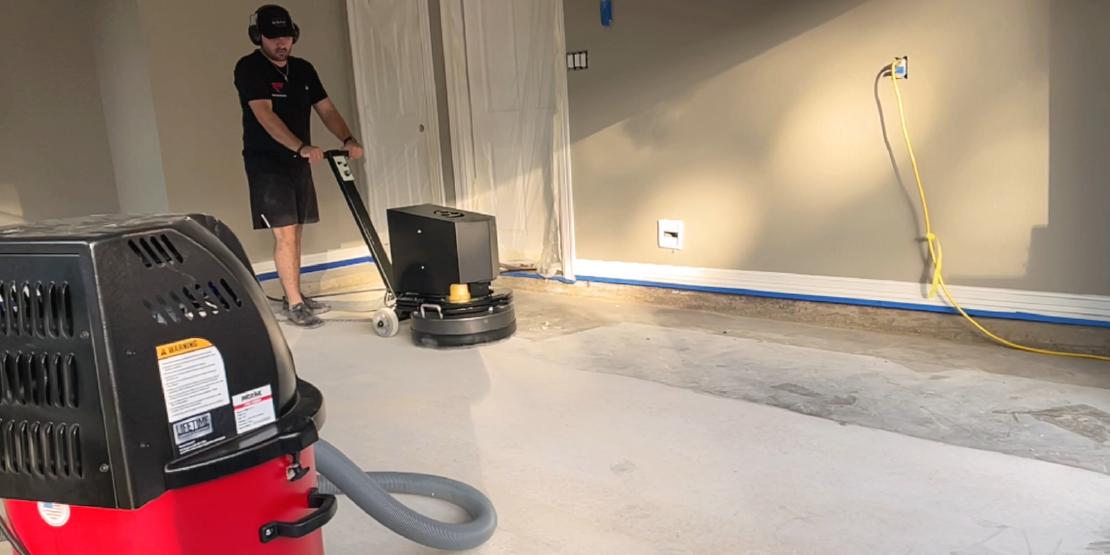
Surface preparation is crucial in the application of specialized coatings, affecting coating adhesion and the final finish quality. The procedure ensures that surfaces are free of oils, dirt, and any prior coatings, thus facilitating a better bond between the coating and the substrate. Understanding the properties and characteristics of specialized coatings assists industries in making suitable choices that cater to their specific needs, budget, and sustainability goals. With the right protective finish, industries can significantly enhance the lifespan and performance of their products.
Diving into the Science behind Protective Finishes
To shine a light on the scientific intricacies of protective finishes, it’s essential to discuss their primary components. These customized coatings are usually made of polymers, which are large molecules composed of repeated subunits. These polymers can be plastic, urethane, or latex, all of which aid in the coating’s durability and flexibility. Adding pigments to the mix provides the color, and fillers increase thickness, which inarguably boosts the lifespan of the protective finish.
The process by which these coatings provide protection is a fascinating one. On application, the polymers form a cohesive bond, presenting a barrier that shields the underlying material from external stressors. Not only does this barrier guard against wear and tear, but it also creates an impermeable layer, making the material resistant to environmental factors like moisture or UV damage. In addition, specialized coatings can inhibit the growth of harmful microorganisms, highlighting their multi-faceted defense capabilities.
The Unique Characteristics of Specialized Coatings
Specialized coatings offer a multi-layered complexity of properties, which has led them to become a vital component in various industries. They have been designed in such a way that they not only provide a visually appealing finish, but also drastically enhance the lifespan and durability of the objects they are applied to. These coatings exhibit excellent adherence to different materials and can effectively protect the underlying surfaces from harsh environmental conditions, including high temperatures, harsh chemicals, and UV radiation.
Another noteworthy characteristic of specialized coatings is their superior resistance to corrosion. These protective finishes have been infused with anti-corrosive properties, presenting a robust barrier to oxidization and other chemical reactions that can lead to corrosion. They also offer versatility, as they come in a variety of forms such as liquids, aerosols, and compounds, and can be applied to a diverse array of substrates, including metals, wood, concrete, and more. This wide applicability, combined with their individual tailored properties, make specialized coatings a universally desired product across multiple trades.
Why Choose Specialized Finishes: The Advantages
Specialized finishes, otherwise known as protective coatings, serve a multitude of purposes that grant them an edge over traditional painting methods. One of the principal advantages of these finishes is their superior durability. They are scientifically formulated to be incredibly long-lasting, capable of withstanding physical impacts, abrasion, and corrosion for years on end. This enhanced lifespan means that structures treated with specialized coatings require less frequent maintenance, thereby reducing overall long-term costs. They are not just feasible options but lucrative choices in the long run.
Moreover, the beauty of specialized coatings transcends just their physical appearance. These finishes offer an added layer of protection against environmental factors such as UV radiation, moisture, temperature extremes, and chemical exposure. Another noteworthy advantage is their contribution to sustainability goals. Many specialized coatings are designed to be low-VOC or VOC-free, meaning they minimize harmful emissions into the atmosphere. The versatility in application across multiple industries, including automotive, marine, aerospace, and construction, further amplifies their broader appeal.
Enhancing Durability with Protective Finishes
Durability is doubtlessly an essential quality desired in structures, machines, gadgets, equipment, and various products. This is where the strategic use of specialized coatings comes into play, as they add notable sturdiness and promote a prolonged lifespan for the items they are used on. Notably, these protective finishes are developed with high-quality materials and made to integrate seamlessly with the surface of a wide range of materials, reinforcing them against a spectrum of possible damages.
Specialized coatings function by creating a firm barrier between the item’s surface and potential damaging factors. This barrier is designed to be resistant to chipping, scratching, or wearing away with normal use. Additionally, the film of protective finishes serves to prevent the underlying material from direct exposure to harsh environmental conditions, including extreme weather, moisture, or corrosive substances. Thus, fortified with these coatings, items exhibit improved robustness and longevity.
Boosting Aesthetic Appeal with Specialized Coatings
The use of specialized coatings is not solely confined to offering a protective barrier against possible corrosive elements. It also significantly enhances the aesthetic appeal of structures. By employing a scalable spectrum of pigments, manufacturers can customized these coatings to convey a range of colors and finishes. Whether the goal is to achieve a high-gloss finish for a sports car or to blend a skyscraper seamlessly into its urban surroundings, specialized coatings provide the means to realize such varied aesthetic objectives.
The added aesthetic value endowed by these coatings can be seen in many facets of our lives. From the crisp finish on a new mobile phone to the rust-resistant coating on an outdoor sculpture, these finishes bring surfaces to life with vibrancy, sheen and color. This boost in aesthetics is not just about superficial appearance, but also forms an integral part of a product’s brand image, consumer appeal, and ultimately, its market success.
Resistance to Environmental Factors: A Key Advantage
One of the primary reasons specialized coatings are chosen by various industries is their remarkable resistance to environmental factors. These high-performance finishes are formulated to withstand severe weather conditions, chemical reactions, UV radiation and high temperatures. The ability to hold up against these ruthless elements enhances the lifespan of the underlying materials, therefore reducing the cost and frequency of repairs or replacements.
While the fundamental structure of materials can be strong, it is the exposure to the harsh elements that often leads to their deterioration. This is where the significant role of protective finishes comes into focus. The extra layer of defence provided by these specialized coatings shields the material from oxidization, degradation and corrosion. Therefore, products treated with protective finishes display a stronger resistance to environmental threats, additionally assuring longevity and better performance.
Specialized Coatings and Their Role in Corrosion Prevention
Different types of metals possess unique properties that make them valuable within various industrial applications. However, these metals, despite their strength or resilience, are not immune to deterioration resulting from environmental factors. One of the primary issues that metals face is the risk of corrosion.
Specialized coatings play a significant role in preventing the corrosion of these materials. By acting as a barrier between the metal surface and corrosive elements in the environment, these coatings effectively maintain the integrity of the metal over time. They work by obstructing any physical contact between moisture, oxygen, or other corrosive substances and the metallic surface. This obstruction significantly hinders the electrochemical corrosion process, hence prolonging the lifespan of the metal and helping to maintain its structural strength and appearance. It’s no secret that industries across the globe depend heavily on these protective finishes for their corrosion resistance abilities.
Where to Apply Protective Finishes for Maximum Impact
Encompassing an array of industrial applications, protective finishes serve as a significant defense mechanism, promoting longevity and enhancing performance. Predominantly, these robust barriers find extensive use in sectors like automotive, aerospace, and construction. Experts apply them to surfaces exposed to high levels of wear and tear such as vehicle bodies, building exteriors, aircraft bodies, and even internal machinery components. This strategic placement shields these crucial elements from environmental damages and physical strain, ensuring optimum functionality.
Consequently, locations of application play a significant role in maximizing the impact of these specialized coatings. High traffic areas, surfaces frequently exposed to sunlight, moisture-prone areas, and sites with a high degree of industrial activities greatly benefit from these protective layers. Intricate machinery parts that are prone to erosion or corrosion also warrant the application of protective finishes. These coatings, therefore, not only ensure the longevity of the vessels they protect but also significantly reduce maintenance costs and efforts.
The Many Industries Relying on Protective Finishes
In the vast kingdom of industries, the reliance on protective finishes is paramount. This specialized coating finds essential use in sectors that span automotive, aerospace, construction, and marine, to name just a few. In the automotive sector, for instance, the reliance on these finishes extends to not just the exterior bodywork but also various interior components, lending them enhanced durability and resistance against potential damage. The aerospace industry also leans heavily on protective finishes, capitalizing on their corrosion resistance to prolong the lifespan of aircraft parts exposed to harsh environmental conditions.
The construction industry, meanwhile, values the innate attributes of specialized coatings as they provide an extra layer of protection to buildings and other structures from various detrimental factors such as moisture, heat, cold, and ultraviolet radiation. The marine sector is another significant beneficiary of protective finishes. Here, the coatings serve as a shield for ships and other watercraft from corrosive saltwater and extreme marine conditions. The medical sector also utilizes coatings for hospital surfaces, tools, and devices to offer resistance against bacteria and other microbes. Conclusively, these examples infer a universal adoption and reliance on protective finishes cutting across several diverse industries.
Steps Involved in Applying Specialized Coatings
The process of applying specialized coatings starts with preparing the surface meticulously. This step, often overlooked, is critical in ensuring maximum adhesion of the coating to the surface. The surface is cleaned off any residual contaminants, dust, rust, or existing paint. Often, techniques such as sandblasting or pressure washing are used for thorough cleansing. Following this, primer is applied to further fortify the surface adhesion and enhance the durability of the final layer of specialized coating.
After priming, the selected specialized coating is applied using appropriate techniques, which vary depending on the nature of the coating and the surface. This could range from simple paintbrush application to more complex methods like airless spraying or electrostatic spray. During application, environmental factors such as temperature and humidity are closely monitored, as they can drastically affect the drying and curing times. Finally, a finishing coat is applied to provide additional protection and gloss, giving the surface its final elegant look.
The Lifespan and Maintenance of Specialized Coatings
Significant variation exists in the lifespan of specialized coatings, largely dictated by various factors such as the type and thickness of the coating, environmental conditions, and the level of exposure to wear and tear. For instance, epoxy-based coatings are known for their longevity and can last up to a decade under optimal conditions. In contrast, polyurethane coatings, while incredibly durable, may require re-application every few years, particularly in harsh environments. It’s worth noting that the life expectancy of any coating is directly correlated with its ability to maintain its aesthetics and protect the substrate effectively.
When it comes to the maintenance of protective finishes, regular inspections are imperative for early detection of any signs of damage or wear. Simple cleaning with non-abrasive materials can also be beneficial in preserving the coating’s aesthetic and functional attributes. Certain specialized coatings may necessitate periodic reapplication for optimum performance, depending on the severity of the environmental conditions to which they are exposed. Importantly, strict adherence to the manufacturer’s maintenance guidelines is crucial in maximizing both the performance and lifespan of specialized coatings. The lifespan of specialized coatings is influenced by a variety of factors, including:
• The type and thickness of the coating: Different types of coatings have different lifespans. For example, epoxy-based coatings are known for their longevity and can last up to a decade under optimal conditions.
• Environmental conditions: Coatings exposed to harsh environmental conditions may degrade faster than those in more temperate climates.
• Level of exposure to wear and tear: High-traffic areas or surfaces that come into contact with abrasive materials frequently will likely require more frequent re-coating.
When it comes to maintaining these protective finishes, several steps should be taken:
• Regular inspections: This allows for early detection of any signs of damage or wear, which can then be addressed promptly before they worsen.
• Cleaning with non-abrasive materials: This helps preserve the aesthetic appeal and functional attributes of the coating without causing unnecessary damage.
• Periodic reapplication (if necessary): Depending on the severity of environmental conditions, certain specialized coatings may require periodic re-application for optimum performance.
Lastly,
• Strict adherence to manufacturer’s maintenance guidelines: Following these instructions closely will help maximize both the performance and lifespan of specialized coatings.
Protective Finishes: Aiding Sustainability Efforts.
In the realm of building and manufacturing, the implementation of specialized coatings has been making significant strides towards a more sustainable future. These protective finishes not only prolong the lifespan of various materials, but also curtail the need for frequent replacements and extensive repairs, thereby reducing waste and conserving resources. Specialized coatings are uniquely designed to safeguard surfaces from corrosion, erosion, and wear and tear, resulting in a considerable drop in material usage.
Moreover, manufacturers have been investing considerably in creating coatings using eco-friendly methods. These innovative techniques prioritise the reduction of toxic emissions, the use of renewable resources, and the minimization of energy consumption during the production process. Currently, a variety of ‘green’ protective finishes exist in the market, boasting not only superior performance but also a significantly lower environmental footprint.
What are the basics of specialized coatings?
Specialized coatings are protective finishes applied to surfaces to guard against environmental factors and enhance durability. They come in various types, each having unique characteristics tailored to the needs of different industries.
What is the science behind protective finishes?
Protective finishes work by creating a barrier between the surface and external elements. This barrier mitigates wear and tear, prevents corrosion, and protects against environmental factors. The science behind these coatings involves chemistry and material engineering.
What unique characteristics do specialized coatings have?
Specialized coatings have unique characteristics like durability, resistance to environmental factors, and the ability to enhance the aesthetic appeal of a surface. Some coatings are specifically designed to resist corrosion, while others are formulated to withstand high temperatures or extreme weather conditions.
What are the advantages of using specialized finishes?
Specialized finishes enhance the durability of materials and improve their aesthetic appeal. They also offer resistance against environmental factors and play a significant role in preventing corrosion. Overall, these finishes extend the lifespan of materials, reducing the need for frequent replacements.
How do protective finishes aid in corrosion prevention?
Protective finishes create a barrier between the material and environmental factors that cause corrosion. By providing this shield, they prevent the onset of corrosion, thereby extending the lifespan of the material.
Where should protective finishes be applied for maximum impact?
Protective finishes can be applied to any surface that requires an added layer of protection. This includes surfaces that are exposed to harsh weather conditions, heat, chemicals, or heavy wear and tear. The specific application will depend on the type of coating and the material it is being applied to.
What industries rely on protective finishes?
Industries like construction, automotive, marine, aerospace, and manufacturing heavily rely on protective finishes. These industries use specialized coatings to enhance the durability and lifespan of their products or structures, making them more sustainable.
What are the steps involved in applying specialized coatings?
Applying specialized coatings usually involves a process of surface preparation, primer application, coating application, and curing. The specific steps can vary depending on the type of coating and the surface it is being applied to.
What is the lifespan and maintenance of specialized coatings?
The lifespan of specialized coatings can vary widely, depending on the type of coating and the conditions it is exposed to. Regular maintenance, such as cleaning and periodic re-application, can help extend the lifespan of these coatings.
How do protective finishes aid in sustainability efforts?
Protective finishes contribute to sustainability by enhancing the durability and lifespan of materials, reducing the need for frequent replacements. This leads to fewer resources being used and less waste being generated, which ultimately contributes to sustainability.