
Preparing Your Floor for Coating: A DIY Guide
Understanding the Importance of Floor Coating
Floor coating is more than just an aesthetic element for the home or workplace floor; it plays a crucial role in enhancing durability and functionality of the surface. Often overlooked, this aspect of floor treatment can significantly extend the lifespan of a surface. It acts as a protective layer, safeguarding the material underneath from damages such as scratches, spills, and stains. This protective measure does not only uphold the aesthetic appeal, but it also ensures a longer life span for the physical floor material, proving its worth as a long-term investment.
With numerous types of floor coatings available, property owners can cater to specific needs or preferences. Choices often range from waterproofing materials that combat moisture-related damages, to high-traffic coatings which resist wear and tear in bustling areas. Additionally, the right floor coating can dramatically enhance the visual appeal of a space, and even has the potential to highlight architectural elements. Indeed, floor coatings are integral components of any floor treatment decision, balancing both optical allure and practical protection.
Assessing the Type and Condition of Your Floor
Before delving into the actual process of floor coating, an essential step is to evaluate the type of your floor and its current condition. Various floor types including hardwood, concrete, or laminate, each have specific coating requirements and processes. Accurate identification of the floor type will help you determine the type of coating suitable and the specific procedure to follow. Consequently, this assessment prevents improper application, prolonging the lifespan of your floor.
Assessment of the floor’s condition is equally crucial. Initial examination should be aimed at pinpointing any evident damages such as cracks, chips, stains or signs of wear. This evaluation determines the level of preparation needed before coating is applied. This phase might require cleaning, sanding or even patching up cracks. A thorough diagnosis results in a smoother application process and ensures an evenly coated floor. Keep in mind, a well prepared surface significantly enhances the final outcome of the coating process.
Determining the Right Coating for Your Floor
Selecting the most appropriate coating for your flooring is a critical step in achieving an aesthetically pleasing and highly durable surface. This decision should be the product of thorough research and deep understanding of the different coating types, their advantages, and potential downsides. Types of Floor Coatings vary widely, including epoxy, polyurethane, and acrylic. Each type has its unique properties that may be suitable for a particular floor type or specific use. For instance, epoxy coatings are high-performing, providing a high gloss, hard wearing, and durable finish ideal for commercial and industrial settings.
Considering your floor type and demands of the space can help in Determining the Right Coating. High-traffic areas may require a more robust coating like polyurethane that can withstand consistent use and potential damage. For places exposed to water or dampness like bathrooms, an acrylic water-resistant coating may be more suitable. Seeking expert advice is always beneficial to ensure the chosen coating will meet your floor needs while adding beauty and longevity to your space.
Materials and Tools You Will Need
Preparing for a floor coating project also requires gathering the necessary tools and materials. It’s important to have the correct, high-quality tools to complete the job professionally and effectively. Typically, these may include a brush, roller, or a paint sprayer for applying the coating. You may also need a sanding machine to even out floor imperfections and create a smooth surface for the coating application.
Moreover, materials such as epoxy or polyurethane coatings should be bought in the amount calculated according to your floor dimensions. A quality primer is essential too, as it sets the base for the rest of the coating layers. Protective gloves, goggles, knee pads, and a high-filtration mask should be on your shopping list too, ensuring safety while working. Remember, preparation is key, and having all the tools and materials at hand makes the process smooth and uninterrupted.
The Importance of Safety Precautions
In the realm of floor coating, adhering to safety precautions cannot be overemphasized. The process makes use of materials, tools, and equipment that can pose significant risk if mishandled, making appropriate safety measures a must for any successful project. Wearing personal protective equipment (PPE), such as safety gloves, glasses, and respirators, serves to shield against chemical exposure and potential harm from power tools. It’s essential to also use caution with flammable substances and maintain a well-ventilated space, which helps to mitigate any hazardous fumes or dust.
Furthermore, understanding the usage and limitations of equipment and materials used in floor coating is a crucial aspect of safety. Reading through manufacturer’s instructions and guidelines for every tool and substance can provide vital insight into their safe and effective use. Similarly, remaining vigilant during the application phase can avert potential accidents, such as slips or falls resulting from wet surfaces. In essence, the integration of safety precautions adds value to the process by fostering a safe working environment and ensuring high-quality output.
Clearing and Cleaning Your Floor
Clearing the area is a pivotal initial step in the floor coating process. Primarily, all furniture, rugs, and other large objects must be removed from the space to access the entire floor. Take care to sweep thoroughly, removing visible debris that can interfere with the smooth application of the floor coating. Emptying the room completely ensures that no elements are overlooked during the process.
Cleaning the floor appears to be the subsequent phase after clearing. Undoubtedly, more than just a broom is required to achieve optimal cleanliness. A proper clean should include a careful mop using a suitable mild detergent. If the floor is heavily soiled, a scrubbing machine can be used to loosen and remove dirt, oils, and other substances. Prioritize addressing any stains or spills that have marred the surface as these can interact negatively with the new coating.
Addressing Floor Damages and Imperfections
Prior to the actual application of floor coating, it is vital to identify and rectify any existing faults and imperfections on the floor surface. These blemishes could range from minor scratches and dents to more significant concerns such as cracks or uneven surfaces. These discrepancies not only mar the aesthetic appeal of your flooring, but they can also hamper the effectiveness of the floor coating. Thus, ensuring a smooth, flawless surface is key to obtaining optimal results from your floor coating procedure.
Firstly, examine your floor carefully to pinpoint any visible signs of damage. Small scratches can be buffed out using a low-grit sandpaper, while dents may require the use of a wood filler before they’re sanded down. For more severe damages like cracks, a concrete or cement patch may be needed. After you’ve addressed all the surface damages, vacuum or sweep the floor to clear away any dust or debris. This meticulous preparation of your floor will pave the way for a smooth and long-lasting floor coating application.
The Process of Floor Sanding
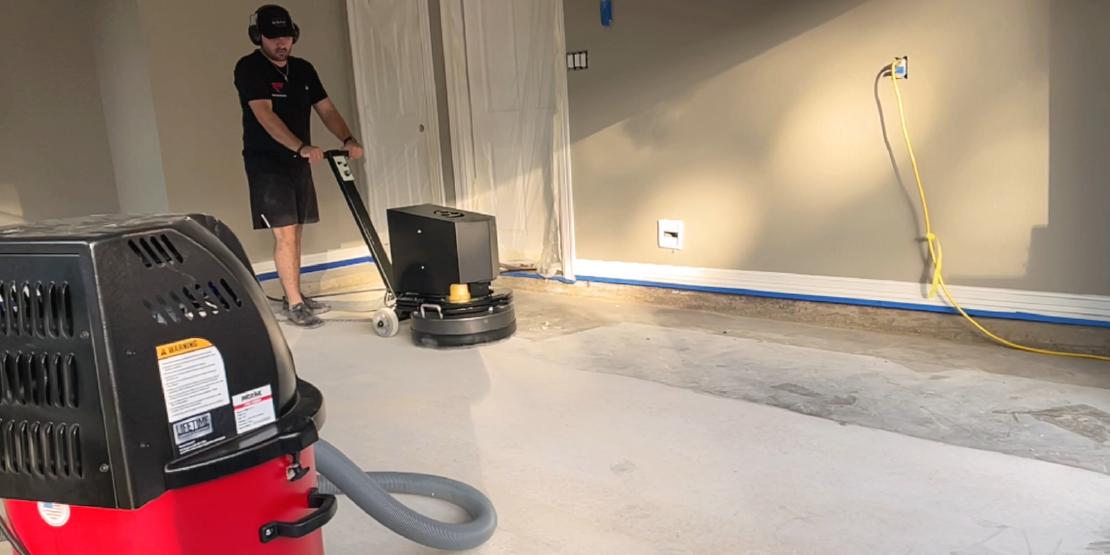
Floor sanding may seem like a straightforward task, but it requires meticulous efforts and precision. Typically, this task is facilitated by a floor sander, a heavy-duty tool specifically designed to effectively make old, uneven, and worn-out floors smoother and more uniform. Utilizing this crucial piece of equipment, individuals can efficiently remove the top surfaces of a floor, often comprised of varnishes, stains or existing coatings, that have deteriorated over time.
Upon using the floor sander, it’s imperative to move at a consistent pace. Too fast, and the sander may not effectively erode the floor’s surface. Too slow, and there is a risk of digging too deep into the floor which could cause damage. It’s also recommended to start with a coarse grade of sandpaper and gradually move to finer grades. This technique ensures a progressively smoother finish, thus setting up an ideal foundation for the upcoming primer and coating application.
How to Properly Apply a Primer
Applying a primer to your floor forms a critical stage in the coating process. This undercoat serves as the intermediary layer between the raw floor material and the subsequent layers of coating. By creating a smooth and uniform surface, the primer enhances the adherence of the floor coating, which contributes to its durability. Moreover, it aids in emphasizing the texture and colour of the floor covering, thereby augmenting the final appearance.
Before rolling out the primer, ensure your floor is thoroughly clean, dry, and free from any debris or dust. Use a high-quality roller or brush for consistent application, moving in a systematic, directional pattern to avoid streaking or pooling of the primer. This process requires careful execution, taking care not to leave any exposed areas that can interfere with the uniformity of the final coat. Extra attention should be given to corners and edges for a comprehensive coverage.
Techniques on Applying the First Layer of Coating
The first layer of coating creates the foundation for any floor finish. This initial layer significantly impacts the later appearance and durability of your floor, making its proper application a vital step in the entire coating process. Despite the variety of choices in the coating market, the application principles remain somewhat uniform across most products. Important tools for this stage usually include a roller or paintbrush for manual application, although spray-on variants are also popular for their even distribution.
Starting from the farthest corner, moving towards the room’s exit helps avoid accidental stepping on the freshly coated area. A typically recommended technique is applying the coating in a ‘W’ pattern, which helps achieve an even spread. After initially applying this pattern, refilling the roller or brush for every stroke ensures a proper amount of coating is distributed on every part of the floor. Attention to these details promises a smoother and lustrous first layer of coating, setting the right stage for subsequent layers.
Waiting Time and Drying Process
After applying the initial coating layer, patience is a virtue. Allowing ample time for the coating to properly dry is a critical step that should not be rushed. The duration will depend on several factors, such as the type of coating used, temperature, humidity, and ventilation within the area. Please bear in mind that the drying process isn’t just about waiting. It is essential to monitor the progress continuously, noting changes in texture and consistency.
The subsequent step in the flooring journey entails carefully assessing the dry coat. Typically, the coating should be firm to touch and should reflect an even finish. In case of any uneven surfaces or bubbles, it indicates premature drying, which may require additional attention. Nonetheless, bear in mind that a successful drying process sets the foundation for the application of additional coating layers, leading to a durable and aesthetically pleasing finish.
Applying Additional Coating Layers: When and How
After the initial layer of floor coating dries, applying additional layers is often necessary. Avoid applying a new layer immediately as the foundation coat needs proper time to dry and reach its maximum durability. Observe the drying process carefully and avoid contact with the floor. As for the ‘how’, the technique in applying successive coatings is generally similar to how the first one was applied, but there are a few additional steps you should consider.
Stir the coating slowly to prevent air bubbles. Begin at the corners and edges, applying the coating evenly. Use a roller with an extender to ensure even distribution across the floor. An important note—avoid heavy coats. Aim for thin, even layers instead. The resulting layer should be smooth and free from roller marks. Remember to leave yourself an exit; start farthest from the door and work your way towards it. After applying each coat, a certain period of waiting is essential for optimal performance and durability of your floor.
Maintaining Your Newly Coated Floor: Tips and Tricks
Once your floor has been freshly coated, regular maintenance becomes pivotal to not only prolong the aesthetic appeal but also extend the longevity of the coating. The type of maintenance required depends hugely on the type of coating applied. Whether it was an epoxy, polyurethane, or acrylic coating, each one has its specific guidelines for cleaning and care. Generally, though, regular dust mopping helps keep the surface free from abrasive particles, while occasional damp mopping can eliminate stubborn dirt and stains without damaging the coating.
Apart from the routine cleaning processes, prevention can also play a key role in maintaining the pristine finish of your floor coating. Using walk-off mats at entrances can significantly reduce the amount of abrasive material coming into contact with it. Controlling the level of humidity, ensuring that the floor is protected from direct sunlight, and taking a prompt action in the event of spillages, can also help maintain the elegant finish. Thus, a combination of regular cleaning, thoughtful prevention methods, and adherence to the manufacturer’s specific maintenance guidelines ensure a lasting and lustrous floor coating.
Why is floor coating important?
Floor coating is important as it helps protect the floor from damage, enhances its appearance, and extends its lifespan.
How do I determine the best coating for my floor?
The best coating for your floor largely depends on the type of floor you have and its condition. Different surfaces might require different types of coatings for optimal protection and durability.
What materials and tools do I need for floor coating?
Basic materials and tools you would need for floor coating include a primer, floor coating solution, sanding machine, paint roller or brush, and safety gear like gloves and goggles.
Can I skip the safety precautions while coating my floor?
No, safety precautions are extremely important while handling floor coating materials. These materials can be toxic and can cause harm if not handled properly.
How should I clean my floor before coating?
Before coating, the floor should be thoroughly cleared of any furniture or obstructions. Next, the floor should be cleaned with a suitable cleaner to remove dirt, grease, and other substances that might interfere with the coating process.
How do I handle floor damages and imperfections before coating?
Damages and imperfections on the floor should be addressed before coating. This might involve filling cracks and holes, sanding uneven areas, or replacing damaged parts of the floor.
What is floor sanding and why is it necessary?
Floor sanding is a process of smoothing the floor’s surface using a sanding machine. It’s important to ensure the coating adheres properly to the floor and to create a smooth, even finish.
How do I properly apply a primer?
A primer should be evenly applied using a roller or brush. It should be allowed enough time to dry before applying the coating.
What is the waiting time and drying process after each coating layer?
The waiting time and drying process can vary depending on the type of coating used. It’s important to follow the manufacturer’s instructions to ensure optimal results.
How often should additional coating layers be applied?
The need for additional coating layers depends on the type of floor and the wear and tear it undergoes. For some floors, a yearly re-coating might be necessary, while others might require it less frequently.
What are some tips and tricks for maintaining a newly coated floor?
Regular cleaning, avoiding harsh chemicals, promptly addressing spills and stains, and maintaining a suitable humidity level are some ways to maintain a newly coated floor.