
Preparing Your Home for Floor Coating Application
Understanding the Importance of Floor Coating
Often overlooked but critically important, floor coating plays a vital role in the overall durability, longevity and appearance of your home flooring. This protective layer serves as the primary defense against external factors often harmful to the original floor surface such as friction, moisture ingress, and impact. In addition, floor coating assures easier cleaning and maintenance routines, resulting in a pristine, long-lasting floor surface.
However, the benefits of floor coating do not end with mere protective attributes. Aesthetically, it broadens the customization options allowing homeowners to select from a wide variety of colors, textures, and finishes to match their taste. It can also improve the indoor air quality by minimizing the dust carried in through shoes or air currents. Thus, factoring in the need for a proper floor coating is fundamental to securing the quality of any home flooring.
Types of Floor Coatings: A Brief Overview
The realm of floor coatings is expansive, offering various levels of durability, aesthetics, and functionality tailored to meet the individual’s needs. Epoxy floor coatings, popular for their near-impervious nature and high durability, are perfect for industrial settings and garages. They provide a seamless floor that can withstand high degrees of wear and tear. Epoxies come in an array of finishes including solid color, flake, metallic, and quartz which offer a blend of durability and aesthetics.
Polyurethane floor coatings, on the other hand, are renowned for their excellent chemical resistance and elasticity that makes them ideal for commercial spaces prone to vibratory and thermal movements. Another type, the polyaspartic coatings, offer rapid curing and weatherability, a sought-after feature for areas exposed to quick turnaround times and extreme climates. For a more aesthetic appeal, decorative floor coatings such as stamped overlays and polished concrete offer homeowners an opportunity to couple visuals with durability. Each type of floor coating comes with unique traits that cater to a specific set of requirements, ensuring there’s a tailored solution for every flooring concern.
Identifying the Perfect Floor Coating for Your Home
Choosing the ideal floor coating for one’s home is a careful blend of aesthetic preference and practical necessity. The selection process should begin with a thorough understanding of the types of floor coatings available in the market. Epoxy coatings, for instance, are heralded for their durability and resistance to a variety of damaging factors, including high traffic, impact, heat, and certain chemicals. On the other hand, polyurethane coatings offer a balance of flexibility and hardness that withstands scratching and chipping, making them a perfect choice for high movement areas.
Another critical consideration is the room’s function where the coating is to be applied. For example, rooms exposed to moisture like kitchens and bathrooms would benefit from water-resistant coatings such as vinyl or linoleum. In contrast, high-traffic areas like hallways and living rooms could benefit from more durable options such as acrylic or urethane-based coatings. Color scheme, cost, maintenance requirements, and safety factors are also vital aspects to consider for a perfect floor coating choice.
The Role of Proper Home Preparation for Floor Coating
Prior preparation for a floor coating is paramount. The process entails rigorous steps that significantly impact the final result of the application. It is not only about the choice of the coating material but also dependent on how ready the surface receiving the coating is. The longevity, appearance, and effectiveness of the floor coating heavily lean on this crucial step.
Firstly, the process kicks off with a thorough cleaning of the floor. It is vital to rid the surface of any grease, dirt, or dust that could disrupt the adhesion of the coat. Next, it’s time to address any damages present on the floor. Cracks, crevices, and other imperfections can compromise the application, thus, immediate repair is necessary. The process continues with moisture testing, an underemphasized yet essential part of preparation. Implementing a floor coating over a damp surface can lead to blistering and bubbling, crumbling your efforts in the long run. Lastly, the primer application sets a robust foundation for the floor coating. It boosts the bond between the floor and the coating, enhancing durability.
Aspects to Consider in Home Readiness
The strategy for preparing your home before applying the floor coating comes with several critical aspects. The process goes far beyond simple sweeping and vacuuming. Ensuring your floor is in an optimal state for coating will contribute significantly to the longevity and effectiveness of the final result. Careful planning can help make the process smoother and protect your investment in this home improvement project.
Moisture levels on the floor are an aspect of paramount importance as they can greatly affect the adhesion of the coating material. Any form of moisture can result in the coating peeling or bubbling. Another important aspect to consider is the condition of the existing floor. Any damage, cracks, or unevenness in the floor surface should be addressed and corrected before the application of the floor coating. This step can help guarantee smooth and long-lasting results. The type of coating to be applied will also play a significant role in the preparation process. Different coatings require different levels of surface preparation and it is essential to understand the specific requirements for your chosen product. The final aspect that needs consideration is the temperature and humidity conditions at the time of application. These factors can greatly influence how well the coating adheres and cures.
• Moisture Levels: It’s crucial to ensure that there are no traces of moisture on your floor before applying any form of coating material. This includes checking for water leaks, condensation, or dampness in general.
• Existing Floor Condition: Inspect your floor thoroughly for any signs of damage or unevenness. Address these issues by filling cracks, smoothing out bumps, and repairing any other forms of damage.
• Type Of Coating: Research about various types of coatings available on market as they all have different preparation processes based on their composition- epoxy-based coatings may require more extensive prep than acrylic ones.
• Temperature & Humidity Conditions: Check local weather forecasts during planning stages; ideal conditions would be dry weather with moderate temperatures which allows proper adhesion & curing.
Another important factor worth considering is whether you’re going to do this project yourself or hire professionals. If you decide to go DIY route,
• Do thorough research about each step involved in process • Buy necessary tools & materials needed • Allocate sufficient time
On other hand if hiring professionals,
• Look for reputable companies with positive reviews • Get estimates from multiple sources • Ensure they provide warranty/guarantee
Remember, careful planning ensures smooth execution and desirable results when it comes to home improvement projects like floor coating application!
Clearing and Cleaning: The First Steps
The initial phase in your floor coating journey is ensuring a clean and debris-free surface. Before beginning any work related to coating, remove furniture, rugs, and other items that cover the floor. Special attention must be given to corners and areas that are prone to accumulate dust over time. Make sure to brush off dust, grime, and loose particles resting on the surface. Use a high-quality broom or a vacuum cleaner for efficient cleaning.
Once the floor is free from physical impediments, it’s time to cleanse it chemically. Depending on the current floor condition, select an appropriate cleaning agent. While mild soap diluted in water works well for minimal grime, stronger solutions might be necessary for tougher stains and persistent marks. Ensure that the floor is thoroughly scrubbed to remove any residue that can interfere with subsequent steps. After scrubbing, rinse the floor adequately making sure there is no leftover soap or cleaning solution.
Addressing Floor Damages Before Coating
It’s absolutely crucial to thoroughly inspect your floor for any sort of damage prior to coating. Discrepancies such as dents, chips, cracks, or even divots can interfere with the application of the floor coating, potentially compromising both its appearance and effectiveness. If left unaddressed, these damages could become more pronounced over time, leading to bigger headaches down the road.
An effective way to tackle floor damages is by using a good-quality concrete filler or epoxy. These products are designed to fill and smooth over any irregularities in your floor, creating a uniform surface that’s optimal for coating. Remember, preparation is key – the time and effort invested into repairing your floor beforehand will undoubtedly pay off with a smoother, more durable, and aesthetically pleasing finish once the coating is applied.
The Importance of Moisture Testing
Undeniably, Moisture Testing plays a vital role prior to the application of floor coating. This fundamental step is designed to determine the quantity of moisture present in the floor’s concrete. Since moisture can drastically affect the efficacy and durability of floor coatings, it’s importance cannot be understated. The test not only identifies potential issues with hydrostatic pressure but also pinpoints invisible seams, cracks, or faults where water may seep in and cause problems.
Furthermore, the process plays a precautionary role in averting costly repairs later on. When moisture levels are neglected, it may lead to the delamination of the applied coating, be it epoxy, urethane, or other treatments. Most importantly, moisture testing helps to ascertain the right type of coating to apply. Hence, before embarking on a floor coating task, be it DIY or with professional help, it’s paramount to ensure moisture testing is conducted in a thorough and precise manner.
Dealing With Floor Imperfections: Sanding and Grinding
Imperfections in your floor can inhibit a smooth and successful application of the coating. It is imperative to handle these blemishes appropriately to achieve desirable results. Sanding is a common technique, which can be implemented using a high-quality sandpaper or more sophisticated sanding machines. This method is functional for wooden floors or to smooth out minor bumps, scratches or irregularities on the surface.
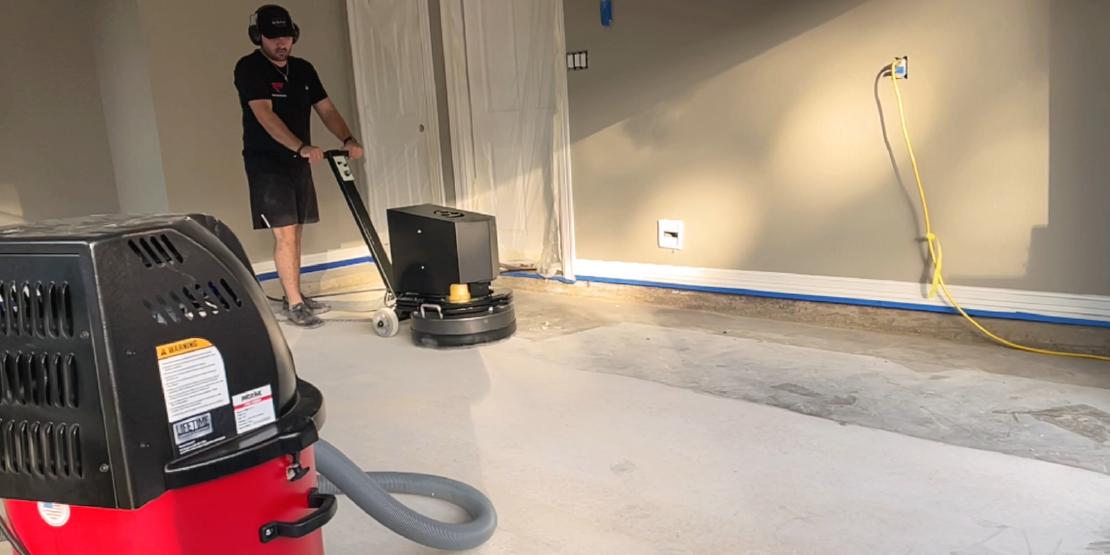
If the irregularities on the floor are severe, grinding might be necessary. This process requires hefty tools like a diamond grinder or a shot blaster to plane the floor surface. It creates a rough texture that allows for improved adhesion of the floor coating. Bear in mind that grinding is suitable for concrete floors and should be executed by professionals or experienced homeowners due to the risk of creating more damages if not done correctly.
Primer Application: An Essential Pre-coating Stage
Primer application serves as the foundation for the floor coating process. It impacts the durability and longevity of the coating, making its application an essential stage in floor coating. A significant amount of homeowners undervalue this critical phase, but the fact remains that skipping this step could be detrimental for the achievement of a flawless finish.
Floor primer creates a bond between the floor surface and the applied coating. It enhances the adherence of the coating, directing it to permeate deeply into the pores of the floor surface. Moreover, primer mitigates the risk of air bubbles, delivering a smooth surface for the actual coating. Simply put, primer application not only provides an optimum surface for the coating but also optimizes coating performance in the long run.
Timing and Schedule: When to Apply Your Floor Coating
Often, the application of floor coating is directly linked to the overall project timeline or renovation schedule. In general, floors are coated towards the end of a remodeling project, to prevent damage from ongoing construction activities, but before any major fixtures or furniture are installed. The specifics of timing and schedule for floor coating can vary greatly, dependent on the type of coating being applied, drying and curing times, and the relative humidity and temperature of the environment.
Choosing the right time to apply floor coating needs a strategic approach. For instance, epoxy coatings require a temperature above 10 degrees Celsius for optimum curing, and they also need dry, non-humid conditions to prevent blushing. Polyurethane coatings dry quickly under room temperature but may take longer in colder or highly humid environments. The schedule should allocate enough time for surface preparation, application, drying, and curing without disturbances. The aim should always be to create the ideal circumstances for a long-lasting, high-quality finish.
Professional Assistance vs DIY: Making the Right Choice
The decision between hiring a professional floor coating service and attempting a do-it-yourself approach largely depends on several factors. These include the complexity of the project, your skill level, the tools at your disposal, time availability, and budget constraints. Remember, a perfect floor coating requires specific techniques and materials that may not be readily available to an amateur handyperson. On the contrary, professionals have easy access to the necessary equipment and possess the knowledge and expertise to handle different scenarios.
On the other hand, a DIY project can offer substantial cost savings, also providing a sense of accomplishment for those with a passion for handy work. However, the outcome may not be as refined and long-lasting as one would expect from expert services. Any mistakes or improper procedures can lead to additional costs to rectify issues or even replace the entire coating. Therefore, before embarking on a DIY venture or contracting a pro, honestly evaluate your capabilities and the potential risks to make an informed decision.
Post Application Care: Maintaining Your Coated Floor
After the application of a new floor coating, it’s crucial to keep up with regular maintenance to ensure the longevity of your floor surface. Caring for your coated floor can vary depending on the type of coating applied. For instance, epoxy floors need to be swept regularly to prevent dirt and grit from scratching the surface, whereas polyurethane floors may require periodic re-coating to maintain their gloss and durability. Using a mild detergent with warm water is often recommended for all types of coated floors, as it balances the need for cleanliness without damaging the protective layer.
Additionally, try to avoid using chemicals or cleaning products that are overly abrasive as they can harm the coating layer. Some coated floors, like those covered with epoxy or polyurethane, are resistant to chemical spills but prolonged exposure to harsh chemicals can still cause damage. For heavy duty cleaning, specially formulated cleaners suitable for coated floors can be used. Consult the floor coating manufacturer for specific instructions. Similarly, using soft cleaning tools such as microfiber mops can prevent accidental scratches or scuffs on your beautiful, coated floor.
Why is floor coating important?
Floor coating is important as it helps to protect your floor from damage, reduces wear and tear, and can enhance the appearance of your floor. It also promotes cleanliness and hygiene by providing a surface that is easy to clean and maintain.
What are the different types of floor coatings available?
There are several types of floor coatings including epoxy, polyurethane, acrylic, and polyaspartic. Each has its unique characteristics and is suited to different types of flooring materials and environments.
How do I choose the right floor coating for my home?
When choosing a floor coating for your home, consider factors such as the type of floor material, the area of use, the level of foot traffic, and your personal aesthetic preferences. It’s also helpful to seek professional advice when making this decision.
How should I prepare my home for floor coating?
Preparation starts by clearing and cleaning the floor, addressing any damages, and ensuring the floor is dry. You may also need to sand and grind the floor to eliminate imperfections. Applying a primer is an essential step before the actual coating is applied.
Why is moisture testing necessary before applying floor coating?
Moisture testing is important because if there’s too much moisture in the floor, it can prevent the coating from adhering properly and lead to bubbling or peeling.
Should I hire a professional or do it myself for floor coating application?
While DIY can be cheaper, hiring a professional ensures the job is done properly and can save you time. Professionals have the right tools, experience, and knowledge to thoroughly prepare your floor and apply the coating efficiently.
How do I maintain my coated floor after application?
After coating application, maintain your floor by cleaning it regularly to remove dirt and debris. Avoid using harsh chemicals or abrasive cleaning tools as they can damage the coating. It’s also important to address any chips or scratches immediately to prevent further damage.
When is the best time to apply floor coating?
The best time to apply floor coating varies depending on the type of coating and the environmental conditions. Generally, it’s best to apply coating when the temperature and humidity are within the manufacturer’s recommended range. Avoid applying coating in extreme temperatures or in wet or humid conditions.