
Questions to Ask Before Hiring a Floor Coating Contractor
Understanding the Importance of Floor Coating
Floor coating has a vital role in maintaining the longevity and aesthetics of various types of surfaces. These surfaces could range from commercial buildings, traditional home settings, or industrial environments. This coating serves as protective armor against daily wear and tear, resisting scratches, dents and spills.
Moreover, the type of floor coating should be picked meticulously as it significantly impacts the safety and appearance of the floors. Anti-skid floor coatings, for instance, minimize the risk of falls and accidents in moisture-prone areas like bathrooms or kitchen. Additionally, it imparts a clean, polished look concealing imperfections or cracks in your floors and making it appealing to the eye.
Determining Your Floor Coating Needs
Before setting out on your search for the most competent and reliable contractor, it’s crucial to outline the specific needs of your floor coating. This typically requires a careful assessment of the type of floor you have and the sort of functionality you expect from the coating. The anticipated foot traffic within the premises, the sorts of chemicals or destructive elements the floor could be exposed to, and, more importantly the aesthetic appeal you desire, are all significant considerations.
Commercial properties often have different floor coating requirements when compared to residential ones. For instance, an industrial facility would have a higher need for impact resistance and durability due to the strain of heavy machinery and regular activity. On the other hand, a residential property may prioritize aesthetics or ease of maintenance. So, it becomes essential to align your individual needs with the variety of floor coatings available, for optimal outcomes.
Evaluating the Contractor’s Experience
When it comes to floor coating projects, the experience of the contractor plays a significant role. There’s more to the process than just slapping a coat of paint on the floor; it necessitates a deep understanding of the materials used, the specific tactics employed, and the potential challenges that might arise. A seasoned contractor will have encountered multiple floor coating scenarios and will therefore be adept at tackling your unique situation.
Experience not merely equates to the number of years in the industry but also to the broad array of projects handled. An experienced contractor who has tackled versatile projects is much more equipped to defend against unexpected results. No two floor coating projects are similar, hence experience in different situations provides the contractors with a wealth of expertise to better serve your needs. Hence, when evaluating the contractor’s experience, bear in mind the wisdom that comes from variety and versatility in their projects.
Assessing the Contractor’s Reputation
Reputation is undoubtedly a crucial aspect to consider when deciding on a floor coating contractor. An established track record often points to the quality of service the company has provided its past clients. This can be indicative of the contractor’s commitment to delivering excellent results, ability to meet project deadlines, and fairness in pricing. Thus, it is always a wise move to research feedback and reviews from previous clients about the contractor’s performance.
Seeking out testimonials, customer reviews, online ratings, and asking for references from past clients can be immensely beneficial in determining the contractor’s reputation. Keep in mind that all contractors will have a mix of positive and negative feedback. However, a reputable contractor will have predominantly positive reviews, respond to negative feedback in a constructive manner, and consistently strive to improve the services they offer. This methodical approach will assist in avoiding potential disappointments and ensuring a satisfactory outcome. Understanding a contractor’s reputation allows you to set realistic expectations and increase your confidence in their ability to deliver the desired results.
Verifying Licenses and Certifications
For any floor coating project, a licensed and certified contractor ensures compliance with local regulations and adheres to stringent industry standards. License verification becomes paramount as it provides an additional guarantee of the contractor’s competence, ability to deliver quality work, cognizance of building codes, permit requirements, and other official regulations. The license status speaks volumes about the potential contractor’s commitment to their craft and reputation, essentially eliminating the risk of fraud or low-quality outcomes.
Certification, on the other hand, showcases the specific skills and specializations a contractor possesses, encompassing everything from knowledge of materials to applying various coating types. Certifications are usually bestowed by recognized industry bodies and manufacturers following rigorous trainings, exams, or both. So, verifying these credentials becomes essential in assuring that the contractor has the optimal education and formal training, understands advanced coating technologies, and is apprised of the latest industry standards. This not only gives you peace of mind, but also creates a clear understanding of what to expect from the service you’re contracting.
Discussing the Floor Coating Process
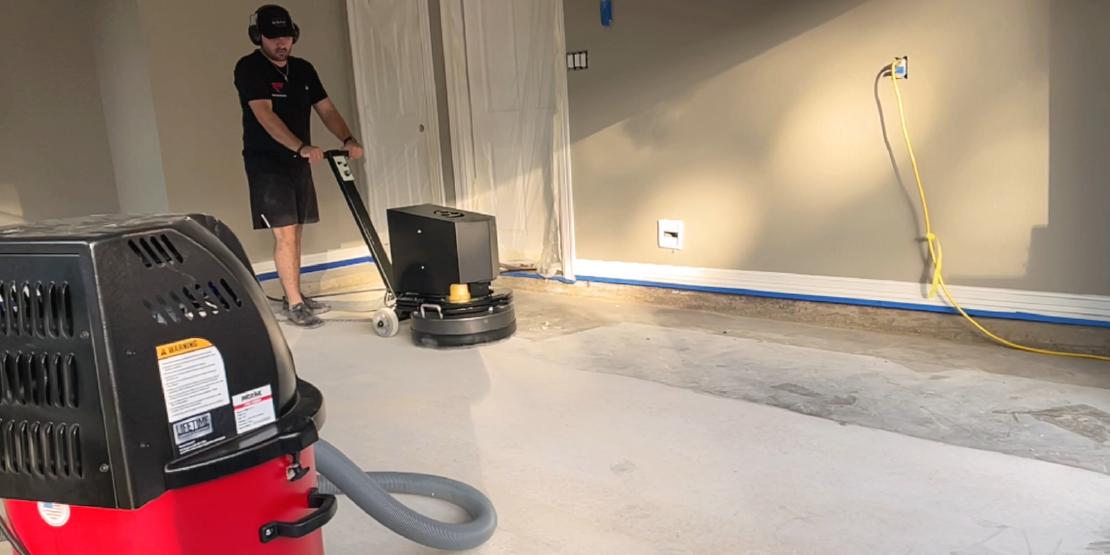
When embarking on a floor coating project, it is essential to ensure that you fully comprehend the process. Commencing from surface preparation to the final topcoat application, every stage bears significant influence on the final product’s quality and durability. The method to be employed will largely depend on the type of floor coating to be used. Therefore, your contractor should clearly explain the procedures involved with your chosen finish. Surface preparation, for instance, could include cleaning, mending cracks, and smoothing the surface.
Additionally, the coating process may require multiple layers for optimum durability and aesthetic appeal. These may include a primer coat, one or more coats of the actual floor coating, and a topcoat for further protection. The number and types of coats are determined by factors like the floor material and the intended use of the space. It is also important to consider the drying and curing time for each layer before the next is applied. Understanding these steps will allow you to set realistic timelines for the project and ensure the finished results are as expected.
Exploring the Types of Floor Coatings Offered
Floor coating technology has improved dramatically over the years, offering a multitude of options to meet a variety of needs. From chemical-resistant urethane coatings to durable epoxy coatings, each type has unique properties designed to protect and enhance the longevity of your floor. Epoxy coatings, for instance, are popular in industrial applications for their resistance to chemical spills and their ability to withstand high traffic. Polyurethane coatings, on the other hand, provide excellent UV protection, making them ideal for outdoor settings.
Choosing the right type of coating is critical in preserving the functionality and aesthetics of your floor. To make the decision easier, reputable contractors will typically offer a selection and guide homeowners or businesses in selecting the most suitable option. They may also provide samples or demonstrations on existing floors to help their clients visualize the end result. A well-informed decision can result in a floor coating that enhances the appeal of the overall space while ensuring its longevity and resistance to wear and tear.
Inquiring About the Duration of Project
Before settling on a contractor for your floor coating project, it is crucial to inquire about the expected duration of the project. This is necessary for planning and helps to ensure that the project doesn’t drag on longer than necessary, causing you unnecessary inconvenience. Undoubtedly, the time aspect of the project is dependent on several factors such as the size of the floor space, the type of coating to be applied, and the current condition of your floor. It is also influenced by the contractor’s available workforce and their level of expertise.
When discussing project timelines, you would want to have a clear understanding of their working schedule as well. A good contractor should be able to give realistic estimates in terms of start and end dates, which will enable you to plan your day-to-day activities effectively. In addition, they should be able to share their mitigation strategies in place to deal with potential delays, such as weather conditions when dealing with outdoor space or equipment malfunction. This will further demonstrate their professionalism and commitment to deliver the project within the stipulated time frame.
Analyzing the Cost and Payment Terms
Understanding the cost of a floor coating project is critical in making an informed decision. The cost of the project can greatly vary depending on a number of factors, such as the type of coating chosen, the size of the floor area to be coated, and the complexity of the job. Hence, it’s essential to request a detailed written estimate from the contractor. This estimate should itemise the cost of all materials, labor, and any additional expenses. A comprehensive cost analysis before starting the project ensures transparency and helps avoid potential unexpected costs down the line.
Aside from the cost, the payment terms should also be clear and reasonable. Depending on the contractor, payment terms could vary. Some contractors may require a deposit before the project starts while others might divide the total cost into several payments spread over the duration of the project. Some may even offer financing options. It’s crucial to have a clear discussion about payment terms to prevent misunderstandings and disputes. Always remember, professional contractors will be transparent about their payment terms, as both parties should feel comfortable with the agreed plan.
Checking for Warranty and After-Sales Service
One of the most important aspects to consider when choosing a floor coating contractor is the warranty and after-sales service. An extensive warranty is usually a good indication of a product’s quality and a contractor’s confidence in their work. The coverage duration, what it encompasses and the claim process are all pertinent details you should be familiar with. A warranty that covers a substantial amount of time and a wide range of potential issues not only provides peace of mind but also ensures that your financial investment is protected.
After-sales service often complements the warranty and can significantly influence your overall satisfaction with the project. Exceptional contractors typically offer comprehensive services, which may include routine maintenance, repair of minor damage, and prompt response to concerns or queries. It’s crucial to know how the contractor manages after-sales service: Is there a dedicated team in place? How fast are their response times? Assessing these factors in advance can save you from unnecessary stress and costly mistakes in the long run.
Reviewing the Contractor’s Previous Work
When deciding upon a floor coating contractor, checking their portfolio of previous work is a critical step. This offers a concrete proof of their expertise, providing a glimpse into their quality of workmanship, attention to detail, and style. Make sure they have an established history of completed projects similar to that of your own; this shows they possess the unique capabilities required for your specific needs.
It’s important not to hesitate when asking a potential contractor for a list of references. Conversing with former clients can reveal valuable insights about their reliability, efficiency, and professionalism. Even online reviews can be quite informative as they create a broader picture of the contractor’s overall performance and consistency. Providing real-life examples of their work underscores the contractor’s trustworthiness and skillset. When reviewing a contractor’s previous work, here are some key points to consider:
• Look for a portfolio of past projects: This will give you an idea of the quality and style of their work. It can also help determine if they have experience with similar projects to yours.
• Check their history: A contractor with a long-established track record is usually more reliable than one who has just started out in the business. Make sure they have successfully completed several projects like yours.
• Ask for references: Talking directly with former clients can provide valuable insights into the contractor’s reliability, efficiency, and professionalism. Don’t hesitate to ask for this information.
• Read online reviews: These can offer a wider perspective on the contractor’s overall performance and consistency. They may reveal strengths or weaknesses that aren’t immediately apparent from looking at their portfolio alone.
• Evaluate real-life examples: If possible, visit sites where the contractor has recently completed work. Seeing first-hand evidence of their craftsmanship could be highly informative and reassuring.
Remember that choosing a floor coating contractor isn’t just about finding someone who can do the job - it’s about finding someone who can do it well. Taking time to thoroughly review each potential candidate’s prior work will increase your chances of being satisfied with your final choice.
Understanding the Contractor’s Clean-Up Policy
A clean-up policy is an integral part of any floor coating project. The chosen contractor should, ideally, provide comprehensive clean-up services once the project is completed. Start by evaluating whether the contractor is committed to keeping the work area waste-free during the project. Regular clearing of debris and maintaining cleanliness not only ensures a tidy workspace but also reduces potential hazards that may lead to injuries.
Further, it is essential to ascertain the approach taken by the contractor in disposing of any waste generated. Proper disposal methods should comply with pertinent environmental regulations. Transparency in the ‘Clean-Up Policy’ reflects the contractor’s professionalism and commitment to the environment. Also, confirm if the clean-up cost is included in the project estimate or billed separately. These considerations will aid in making an informed decision about the contractor’s efficiency and dedication to their work.
Final Thoughts on Choosing a Floor Coating Contractor
Choosing the right floor coating contractor can seem like a daunting task, but breaking down the process into tangible steps helps simplify the procedure. Understanding the importance of floor coating, evaluating a contractor’s experience and reputation and verifying their licenses and certifications are important prerequisites. This exploratory phase helps to filter a myriad of options, narrowing it down to potential contractors who are not only experienced and reliable, but also match the specific project requirements.
Subsequently, one should engage in a direct discussion with the potential contractors. Discussing the floor coating process, exploring the types of floor coatings offered, inquiring about the project duration, and analyzing cost and payment terms are vital steps. Additionally, checking for warranty and after-sales service, reviewing the contractor’s previous work and understanding their clean-up policy are crucial. Lastly, a thorough review of all gathered information assists in making a well-informed decision.
Why is choosing a good floor coating contractor important?
Choosing a competent and reliable floor coating contractor is crucial to ensuring the longevity and durability of your floor coating. A professional contractor will ensure that the job is done correctly, thereby preventing potential damages and extra expenses in the future.
How can I determine my floor coating needs?
Your floor coating needs will depend on several factors such as the type of floor you have, the purpose of the floor, its location, and the amount of traffic it sees. A qualified contractor can help assess these factors and recommend the best type of coating for your floor.
What should I look for when evaluating a contractor’s experience?
When evaluating a contractor’s experience, check the number of years they have been in the business, the types of projects they have handled, and their expertise in dealing with your specific type of flooring and coating requirements.
How can I check a contractor’s reputation?
You can check a contractor’s reputation by asking for references, reading online reviews, and checking their standing with the Better Business Bureau or any other relevant professional associations.
Why should I verify a contractor’s licenses and certifications?
Verifying a contractor’s licenses and certifications ensures that they are legally allowed to operate and that they have met certain standards in their profession. It also provides reassurance of their competence and professionalism.
What should I ask about the floor coating process?
Ask about the steps involved in the coating process, the materials used, the time required, and any special precautions or care that will be needed during and after the process.
How do I know which type of floor coating is best for me?
The best floor coating will depend on your specific needs and circumstances. Your contractor should be able to explain the pros and cons of different types of coatings and recommend the best one for you.
What should I consider when discussing the cost and payment terms?
Consider the overall cost, including the cost of materials and labor, any additional fees, and the payment schedule. Make sure everything is clearly outlined in a written contract.
Why is a warranty and after-sales service important?
A warranty provides protection against defective workmanship or materials. After-sales service ensures that you can get help if any problems arise after the project is completed.
How can I evaluate a contractor’s clean-up policy?
Ask the contractor about their clean-up procedures after the job is done. A professional contractor should ensure the site is left clean and tidy.
Why should I review the contractor’s previous work?
Reviewing the contractor’s previous work can give you an idea of their skill level, attention to detail, and ability to meet client expectations. It can also help you visualize what your own project might look like.