
Questions to Ask Before Hiring a Floor Coating Contractor
Understanding the Importance of Hiring a Professional Floor Coating Contractor
Quality floor coating is a fine blend of robust materials and the skills of an adept professional; hence, it is essential to hire a professional floor coating contractor. This rule applies whether you are revamping your garage floor, dressing up a showroom, or giving a touch of elegance to your living room floor. Professional contractors ensure that the end result is not only attractive and stylish, but also highly resilient, easy to clean, and slip-resistant.
Understanding the practicality of your space, the professional contractor’s expertise enables them to suggest the most suitable type of floor coating. Whether epoxy, polyurethane, or polyaspartic floor coatings, their thorough knowledge about the variety ensures that the chosen option caters to both stipulated aesthetic requirements and durability. They are well-equipped, trained, and experienced to execute the task efficiently, minimizing probable mistakes, and ensuring smooth installation.
Assessing the Credentials of a Floor Coating Professional
The first vital step in securing a reliable floor coating contractor is checking their professional credentials. This process is not just about ensuring they possess the relevant qualifications, but also about verifying their reputation in the industry. Credentials such as membership in professional bodies, ratings and reviews from previous customers, and industry awards can speak volumes about a contractor’s expertise and dedication to their craft.
Furthermore, it is not sufficient for a contractor to merely hold a license or certification. They must have pursued continuous education and upskilling in order to stay abreast of the latest trends, products, and technologies in floor coating. Training on safety protocols and proper handling of materials is also essential. Also, they should be able to demonstrate their updates in any changes or amendments in building regulations and standards.
Identifying the Level of Experience of the Contractor
One of the crucial factors to consider while hiring a professional floor coating contractor is their level of experience. An experienced contractor would not only be adept at handling different types of floor coatings but also be skilled enough to mitigate any unexpected hiccups that may arise during the project. Noteworthy, from preparation to installations and from knowledge of materials to adhering to safety standards, the prowess of an experienced contractor can greatly influence the quality and efficacy of the end results.
The level of experience can often be gauged by the number of years the contractor has been in the industry and the diversity of projects they have successfully completed. However, one should not solely rely on these quantitative aspects; the qualitative aspects such as reputation, credibility, testimonials from previous clients, and their satisfaction rate should be analyzed as well. Through a comprehensive evaluation process, one can ensure that they’re entrusting their property to a competent and experienced floor coating contractor.
Scrutinizing the Contractor’s Portfolio for Past Projects
Before diving into a floor coating project, one essential step is to take a thorough look at the contractor’s previous work. Portfolio scrutiny gives you a clear understanding of the professional’s work quality, design aesthetics, and the range of projects handled. It offers a first-hand insight into the contractor’s ability to deliver a satisfactory job. A diverse portfolio indicates that the contractor has comprehensive experience working on different types of flooring for various clients.
Past projects also allow you to assess the specialist’s proficiency with various floor coatings. By checking the contractor’s previously completed works, you can identify the types of materials they’ve used and their approach to unique design requirements. Additionally, it can expose any recurrent issues or specific strengths that might not be evident from the contractor’s credentials alone. Thus, portfolio scrutiny is a critical step in the hiring process.
Evaluating the Contractor’s Knowledge about Different Floor Coatings
In order to ensure the longevity and aesthetic appeal of your flooring job, the contractor’s familiarity with various types of floor coatings is a significant factor to consider. This knowledge base serves as an indicative predictor of the quality of workmanship you can expect from the professional. From epoxy and polyurethane, to acrylic and enamel coatings – the contractor should be able to guide you in selecting the most suitable coating material based on your specific needs and environmental conditions.
Asking the contractor about various scenarios, such as using epoxy in a high humidity environment, or the best coating for high foot traffic areas, can provide you with a clearer image of the contractor’s depth of understanding. Experienced professionals will offer detailed explanations backed by their practical experiences while also highlighting the pros and cons of each type of coating. Equally important is the contractor’s capacity to evaluate the curing time, chemical resistance, and durability of each floor coating in order to tailor fit the floor solution to meet your exact requirements.
Probing into the Contractor’s Preparation and Installation Procedures
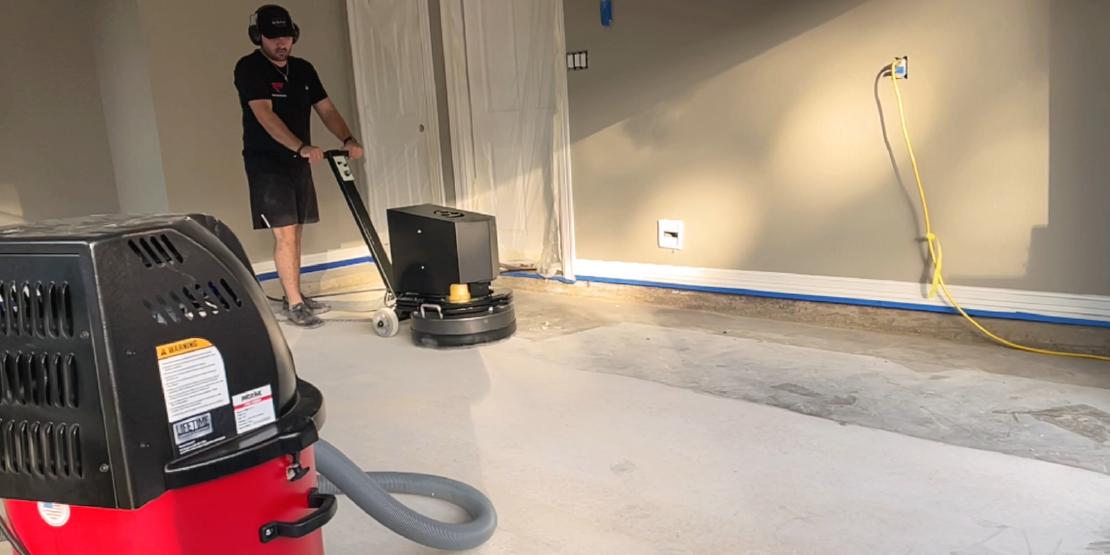
A significant aspect to pinpoint while employing a professional floor coating contractor remains their preparation and installation procedures. Correct preparation of the floor surface is, often, the determinant between a durable floor coating and one susceptible to untimely wear. The chosen contractor should be knowledgeable about these details, able to assess the current floor condition, implement remedial actions if needed, and prepare the surface to accept the new coating effectively. The contractor must leverage industry-standard methods and employ staging, grouting, grinding, and shot blasting. Plus, they should follow environmental guidelines during the process.
What follows this preparation is the actual installation. A seasoned contractor should be fluent with the intricacies of various coatings, their application techniques, curing time, and most importantly, maintaining the aesthetic appeal of the job. The process will indeed be varied by the type of coating selected; for instance, epoxy coatings take longer time to dry and cure than urethane, which needs detailed attention during the application process. They should also be well-aware of troubleshooting any problems that may occur during the installation, maintaining both project integrity and timeframe.
Determining the Quality and Durability of Materials Used
Quality and durability are cardinal elements to consider when hiring a professional floor coating contractor. These factors fundamentally depend on the type of materials used during the coating process. Not all materials are created equal - some are robust and long-lasting, while others may wear off quickly. As such, it becomes crucial to examine the materials that a contractor plans to use in your project. Premium quality materials ensure the longevity of your flooring, reduce the need for frequent repairs, and provide value for money.
One way to gauge the quality of materials is by asking the floor coating contractor about the manufacturers they source their materials from. Renowned manufacturers tend to adhere to strict standards, producing reliable and high-performing products. Similarly, investigating the durability of these supplies can provide insight into their expected lifespan. This assessment can include asking the contractor about the projected wear and tear, resistance to environmental factors and daily traffic, and the need for replacement or refurbishing. Hence, determining the quality and durability of materials used can significantly impact the overall success and lifespan of your flooring project.
Getting Insights into the Timeframe and Scheduling
In the realm of floor coating services, one crucial factor that demands one’s attention is the timeframe and scheduling of the project. As a client, you should not shy away from acquiring detailed insights on this aspect. It provides a lucid understanding of when the project will start, the estimated time for completion, and how your own schedule will intertwine with this timeline. An effective communication about the schedule helps avoid misunderstandings and facilitates a smooth, unhindered workflow.
A professional floor coating contractor respects clients’ timelines and ensures that the project runs in sync with the predetermined schedule. Bear in mind the fact that floor coating processes might be layered; from surface preparation to the final layer of coating, each step has its own time requirement. Therefore, an examination of the contractor’s ability to manage time effectively is essential in maintaining the momentum of the project. It is also practical to clarify how adjustments will be made in case of unexpected delays or disruptions, as this gives a measure of your contractor’s flexibility and accountability.
Here are some key considerations to keep in mind when discussing timeframe and scheduling with your floor coating contractor:
• Start Date: Confirm the exact date when the project will commence. This helps you plan your own schedule accordingly.
• Estimated Completion Time: Ask for a realistic estimate of how long it will take to complete the entire process, from surface preparation to final layer application.
• Step-by-Step Timeline: Request a detailed breakdown of time allocation for each step involved in the process. This allows you to understand what is being done at any given point during the project.
• Synchronization with Your Schedule: Discuss how your own routine or business operations will be affected by their work schedule and find ways to minimize disruption.
• Contingency Plans: Inquire about their strategies for handling unexpected delays or disruptions that might affect the original timeline. This gives an insight into their problem-solving skills and flexibility.
• Regular Updates on Progress: Ensure they commit to providing regular updates on progress, so that you stay informed about where things stand with respect to projected timelines versus actual completion status.
By taking these factors into account, you can gain comprehensive insights into timeframe and scheduling aspects of your floor coating project, thereby ensuring smooth execution without any hitches.
Discussing the Cost and Payment Terms
When it comes to floor coating projects, the overall cost and payment terms are key considerations that need to be understood clearly. It is pivotal to get an all-inclusive quote from the contractor that outlines every expense associated with the project. Such quotes should encompass material costs, labor charges, any prep works required, and potential additional fees. In addition, soliciting several quotes from different contractors can be beneficial. By doing so, clients can make a balanced assessment of pricing, ensuring fair negotiations and preventing overcharges.
Payment terms are yet another significant aspect that warrants equal attention. Prior to embarking on the project, clients and contractors should reach mutual agreement on a specific payment schedule. This might include up-front payments, progress payments as certain milestones are achieved, and final payment upon satisfactory job completion. In order to protect your financial interest, it’s crucial to document these payments terms in written form. A professional contractor will always allow for negotiations and explanations to clarify confusion and avoid disputes over payment terms.
Checking the Contractor’s Licensing and Certification
Undoubtedly, the complexity and intricate nature of floor coating services call for the highest level of expertise and professional knowledge. Hence, a crucial step while hiring a contractor is to meticulously inspect their licensing and certification. Valid licenses are non-negotiable, they provide assurance that the contractor is legally authorized to render floor coating services. In addition, these are testimonies that they have undergone necessary training and have satisfied prescribed standards.
Parallelly, the certification of a contractor serves as an indubitable reflection of their credibility and skill prowess. Certificates reflect a contractor’s professional education, training, and experience in the field and are usually awarded by recognized bodies in the flooring industry. For instance, the Society for Protective Coatings (SSPC) and the American Concrete Institute (ACI) are a few of such bodies. Engaging with a certified contractor implies that you are entrusting your project to a workforce that is well-versed with the latest methodologies, techniques, and safety guidelines prevalent in the industry. It also ensures that your floor coating service is in compliance with industry-set ethical and quality standards.
Inquiring about Warranty and After-Service Support
The provision of warranties and after-service support often illustrates a contractor’s confidence in their work and their commitment to customer satisfaction. A warranty is a written guarantee issued to the purchaser by the contractor, promising to repair or replace any defective materials or faulty workmanship within a specified period of time. This written assurance is a critical requirement, as it safeguards the client from unexpected costs and underscores a contractor’s commitment to quality and durability.
Equally important is the after-service support offered by the floor coating contractor. This is a sign that the contractor is not just interested in the monetary value of the contract, but in the maintenance of their reputation in terms of customer satisfaction and retention. Professional flooring contractors should provide you with clear, concise communication channels and demonstrate their readiness to deal with any issues that may arise post-installation, whether it be a minor cosmetic issue or a major concern impacting the overall floor performance. Dealing with contractors that do not supply this service might lead to greater costs in the long term.
Understanding the Cleaning and Maintenance Advice
Getting accurate advice on cleaning and maintenance from your floor coating contractor is crucial for maintaining the longevity and aesthetics of your floor. The contractor’s guidance can save you from potential issues that could arise due to a lack of knowledge or the application of unsuitable cleaning methods. Besides, proper maintenance protocols can also extend the span of your floor coating, ensuring you get the most out of your investment.
Different floor coatings, such as epoxy, polyurethane, or acrylic, might require different cleaning methods. Thus, relying on the contractor’s expertise will help ensure the correct practices are followed. An experienced contractor should also educate you about the frequency of cleaning and the types of products safe for use. Remember, the wrong cleaning solution can damage your coated floor, leading to patchiness, discoloration, or even peeling. Further, preventative maintenance advice can serve as an essential tool to combat wear and tear efficiently.
Discussing the Contractor’s Safety Measures and Insurance Coverage
Safety measures exercised by a floor coating contractor play a pivotal role in bolstering both the safety of employees and the successful execution of work on your property. These measures may range from the use of personal protective equipment (PPE) to the precautionary steps taken to prevent accidents. Reliable professionals in the field ensure their crew members are well-versed with safety regulations and trained regularly to adhere to them during work. This, coupled with frequent safety audits, creates a safe working environment and underscores the contractor’s commitment to industry-best practices.
Another key aspect to consider while hiring a floor coating contractor is their insurance coverage. An insured contractor provides peace of mind to homeowners as it absolves them from liability in case of unfortunate incidents, like accidents or damage to property. Moreover, insurance coverage also often covers damages incurred due to errors in workmanship. Thus, scrutinizing the contractor’s insurance policy as well as its validity and coverage extent provides an added layer of protection to clients and places accountability on the professionals they hire. These facets double up as distinguishing markers that separate proficient and reliable contractors from the rest.
Why is it essential to hire a professional floor coating contractor?
Hiring a professional floor coating contractor ensures that the work is done correctly, efficiently, and within the set timeframe. Professionals are trained and have the necessary skills and experience to deliver high-quality work.
What should I look for when assessing the credentials of a floor coating professional?
You should look for their training certificates, any special skills they possess, and membership in professional bodies. It’s also important to look at reviews and references from their past clients.
How can I determine the contractor’s level of experience?
You can ask about their years in service, number of projects handled, and areas of specialization. A visit to their past projects or a look at their portfolio could also provide insights into their experience.
Why is it necessary to evaluate the contractor’s knowledge about different floor coatings?
Different floor coatings have varied benefits and drawbacks. A knowledgeable contractor can advise you on the best coating for your floor based on factors like your budget, lifestyle, and aesthetic preferences.
What should I look for when checking the contractor’s licensing and certification?
Ensure they have a valid license to operate in your area. Also, check if they have additional certifications, which indicate their expertise and commitment to maintaining high standards in their work.
What is the importance of discussing warranty and after-service support?
The warranty and after-service support give you peace of mind that the contractor will cater to any issues that may arise after the project is completed.
How can I understand the cleaning and maintenance advice provided by the contractor?
It’s essential to ask the contractor to explain the cleaning and maintenance procedures in simple, understandable terms. You can also request a written guide for future reference.
Why should I discuss the contractor’s safety measures and insurance coverage?
It’s crucial to ensure that the contractor observes safety measures to prevent accidents during the project. Additionally, the contractor should have insurance coverage to protect you from liabilities in case of any accidents or damages.
How can I get insights into the project’s timeframe and scheduling?
Ask the contractor to provide a detailed work schedule, including the start and end dates of the project. This will help you plan accordingly.
What should I discuss regarding the cost and payment terms?
You should know the total cost of the project, including labor and material costs. Also, discuss the payment terms, such as the deposit amount, payment schedule, and acceptable payment methods.