
Renovating Industrial Floors with Overcoating Techniques
Understanding the Need for Industrial Floor Upgrades
Industrial floors bear the brunt of heavy machinery, constant foot traffic, and hazardous materials on a daily basis. Over time, these conditions inevitably cause wear and tear that may result in a degraded floor surface. These damages not only detract from the aesthetics of a facility but also pose significant safety risks. Uneven surfaces, cracks, and exposed materials can cause accidents, while porous floors can absorb harmful substances. Therefore, regularly upgrading the industrial floor is of paramount importance.
To ensure safety, longevity, and efficiency, many facility owners have begun to consider overcoating as a cost-effective method for floor upgrading. Overcoating involves applying a new protective layer on the existing floor, effectively improving its resistance to physical and chemical impacts. This type of refurbishment does not only extend the lifespan of floors but also reduces maintenance costs in the long run. With numerous overcoating materials and methods available today, there are options suitable for every type of industrial setting.
Exploring Various Overcoating Methods
Overcoating, a cost-effective method for preserving and enhancing industrial floors, offers varied methodologies tailored to meet specific requirements of industries. Epoxy coatings are one popular method due to their superior durability and chemical resistance attributes. Engineered to handle extraordinary loads and repeated stress, these coatings equally flourish in aesthetics, offering an impressive array of color options. Polyurethane coatings, offering similar high performance, differ primarily in their superior UV stability, maintaining their color and gloss longer.
The less-common but robust option is Polyurea coatings. Known for their lightning-fast curing times and exceptional mechanical properties, they are the epitome of strength and speed, making them ideal for industries demanding minimal downtime. Acrylic coatings, on the lighter side, serve well in areas demanding quick, cost-effective solutions and moderate-performance expectations. Metallic epoxy coatings are the architectural marvels in this domain, boasting mirror-like finishes while retaining the hardness and resilience of epoxy systems. It’s crucial to acknowledge that the choice of overcoating methodology significantly dictates the achieved results and performance.
The Importance of Surface Preparation Before Overcoating
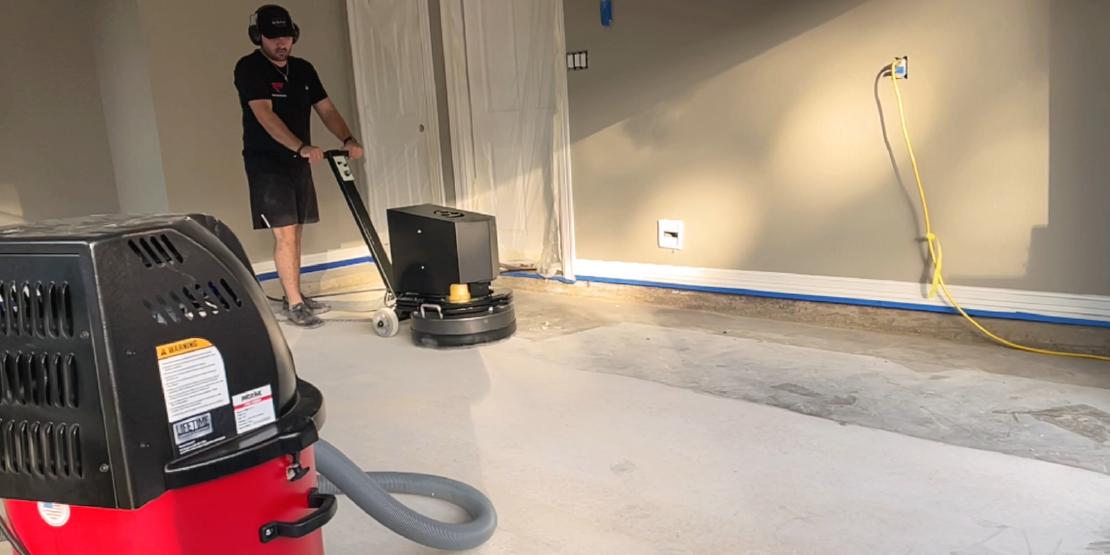
Surface preparation is a crucial bracket in the progression of overcoating. It stands as the initial step in achieving a successful industrial floor improvement. This procedure helps trademark irregularities, pinpointing spots that may lead to the separation of the coating and, in some cases, foreseeing disastrous mishaps. Hence, surface preparation lays the groundwork for the later phases of overcoating, enabling the newfound layer to adhere effectively.
There are various methods to prepare the floor surface, such as abrasive blasting, pressure washing, scarifying, and diamond grinding, each with its own set of pros and cons. However, regardless of the choice of method, the intended outcome is always the same: to establish a surface that’s receptive to the overcoat. In other words, these operations aim to ensure that the industrial floor is thoroughly clean, dry, and free from any curable contaminants. This strong foundation fosters a resilient and long-lasting overcoat.
The Role of Primers in Overcoating Industrial Floors
Primers play a quintessential role in the overcoating process of industrial floors. They are typically applied before the final coating, serving a variety of critical functions geared towards enhancing the durability and appearance of the coated floor. Not only do primers provide a smooth, clean surface for the overcoat to adhere to, but they also contribute towards filling in the imperfections and irregularities on the industrial floor substrate.
Among the many advantages, primers increase the lifespan of the overcoat by improving its bond strength with the substrate. Furthermore, they act as an additional layer of protection, preventing ingress of corrosive agents to the underlying substrate. The use of a primer can directly impact the success and sustainability of the overcoating project, highlighting its necessity in the industrial floor overcoating process.
How to Choose the Right Overcoating Material
When it comes to selecting overcoating material for industrial floors, several imperative factors should be considered. Primary among these is durability. The chosen material should be capable of withstanding high traffic and tough working conditions. It also needs to resist corrosion, chemicals, and potential spills that are commonly experienced in industrial environments. Equally essential is to consider the floor’s exposure to weather and temperature fluctuations, which could impact the performance of the coating material.
Remember, not every overcoating material is suitable for all types of industrial floors. Specific types of floors may demand specific solutions, which can require bespoke formulations. Besides, the appearance of the finished flooring also matters. Therefore, the color, texture, and sheen of the overcoating material should be chosen very carefully. On top of that, make sure the overcoating material complies with industry regulations and sustains environmental and health safety standards.
The Process of Applying Overcoating on Industrial Floors
The application of overcoating on industrial floors streamline in stages. Initial stage include thorough examination of the pre-existing substrate. This ensures that it stays in a condition suitable enough to accept the overcoat. Following this, the removal of the surface layers commences to ensure adequate adhesion of the overcoat. Traces of oil, grime, or any element that may inhibit bond formation are meticulously expelled.
Once the industrial floor is qualitatively prepared, the application of primer takes place. Primers in this context act as a link, bridging the overcoating material with the substrate. Depending on the particular coating product and industry norms, the priming process could require a single layer or multiple. Post priming, the actual floor overcoating is spread evenly across the outlined area. This layering can be achieved via roll, spray or trowel applications, depending on the coating’s viscosity and the desired finish.
Safety Measures to Follow During Overcoating
When carrying out an overcoating operation on an industrial floor, maintaining appropriate safety protocols is of utmost importance. First and foremost, an individual must prioritize personal protection equipment (PPE). This includes wearing safety glasses, hard hats, high visibility clothing, and respiratory protective equipment, depending on the overcoating materials used. Remember that some chemicals involved in overcoating processes can potentially cause eye or skin irritation, hence, gloves and safety goggles become non-negotiable elements.
In addition to PPE, one should also consider the environmental conditions where the overcoating process is being conducted. This involves ensuring that the workspace is appropriately ventilated. Unquestionably, fumes from the overcoating materials can be hazardous if inhaled in high concentrations. Beware of the risk for flammable fumes as well, especially in confined spaces, warranting proper ventilation and use of explosion-proof equipment. Furthermore, a fire extinguisher should be kept handy in case of any emergencies. Strict adherence to these safety measures can mitigate risks and ensure a safe overcoating process.
Potential Challenges and How to Overcome Them in Overcoating
Overcoating industrial floors is not without its set of challenges. One of the main issues faced during this process is achieving a proper adherence of the new coat to the preexisting surface. This often results from insufficient surface preparation, including failures in removing contaminants, oil, or dust. Variations in environmental conditions, such as temperature and humidity, also potentially compromise the coating’s adherence, leading to flaws like peeling or chipping. Furthermore, the selection of inappropriate materials not suitable for the specific conditions of the premises can cause poor performance of the floor system.
Nevertheless, these challenges can be effectively overcome with careful planning and diligent execution. Comprehensive cleaning and preparation of the surface, using techniques such as shot blasting or grinding, can significantly improve the coating adhesion. Control of environmental factors, chiefly maintaining appropriate temperature and humidity levels, is also crucial. Additionally, consulting experts or conducting thorough research aids in selecting suitable materials, taking into account factors like traffic intensity, chemical exposure, and abrasion resistance. Experience in handling the process is invaluable. Therefore, hiring professionally skilled service providers can ensure the successful overcoating of industrial floors.
The Benefits of Overcoating for Industrial Floors
Industrial flooring subjected to high traffic and substantial wear and tear requires regular maintenance and, oftentimes, overcoating. Overcoating provides a plethora of benefits that not only enhance the aesthetic appeal of industrial facilities but also significantly increase their longevity and durability.
Firstly, overcoating industrial floors strengthens them, making them more resistant to impact, abrasion, chemical spills, and other potential hazards prevalent in industrial environments. The application of a heavier-duty coating adds to the floor’s structural integrity, thereby prolonging its lifespan and reducing maintenance costs in the long run. Apart from reinforcing the surface layer, overcoating also helps in reducing dusting - a common problem with concrete floors that can cause operational issues in certain industries. The improved dust-proof nature of overcoated floors translates to cleaner workspaces and lesser impact on machinery and commodities.
Moreover, overcoating significantly improves floor safety. An enhanced, non-slip surface contributes to minimizing the risk of slips, trips, and falls. This is crucial in an industrial environment where such incidents could lead to serious injuries and have profound impact on productivity and operational efficiency. Finally, with a range of overcoating materials available in different colors and finishes, floors can be customized to reflect corporate colors or delineate specific zones, thereby adding an aesthetic aspect even in such utilitarian spaces.
Maintenance Tips for Overcoated Industrial Floors
Regular inspections are key to preserving the longevity of overcoated industrial floors. Overcoated floors are susceptible to deteriorating factors such as constant heavy traffic, extreme temperature changes, and potential chemical spills. Hence, a scheduled check must be well-implemented to promptly detect and address any form of wear and tear. Periodical inspections further enhance safety in the workplace by identifying potential hazards and rectifying them timely.
Maintenance staff are encouraged to use cleaning materials and methods suitable for the type of overcoating material used. Inappropriate cleaning substances or tools may lead to the disintegration of the coat, leading to frequent recoating and increased costs. Furthermore, immediate action on reported defects is a viable practice. This would prevent minor issues from escalating into major problems, which could lead to disruptive and costly repairs. Regular cleaning, disciplined maintenance, and quick response to defects could, therefore, greatly extend the lifespan of your overcoated industrial floors.
Case Study: Successful Overcoating Projects
In the industrial sector, the need for durable and reliable flooring can hardly be understated. A stellar example of this is the large-scale warehouse and distribution centre located in Ohio, USA. Back in 2018, the 400,000 square foot facility was facing serious wear and tear issues. Its old, deteriorated concrete floor was affecting operations and, notably, causing damage to the high-performance equipment used in the centre. To rectify the situation, the management settled on an overcoating solution.
The overcoating project was taken on by a renowned local contractor, known for their expertise in industrial floor systems. The worn-out floor surface first underwent rigorous surface preparation, removing dirt, oil and grease. Barriers and control joints were then established to section off the area for overcoating. The use of a high-quality epoxy primer followed by a self-levelling, solvent-free overcoat considerably transformed the warehouse floor. With impressive quick-drying properties, the overcoating project was completed in less than a week, significantly minimizing downtime. The updated floor not only improved the aesthetics of the workspace but also demonstrated strong resistance to impact, abrasion, and chemical spillage, markedly enhancing the facility’s functionality and longevity. • The Ohio-based warehouse and distribution centre was grappling with a deteriorated concrete floor that was affecting its operations and causing damage to the high-performance equipment used in the facility. • To address this issue, an overcoating solution was chosen by the management. • A local contractor renowned for their expertise in industrial floor systems took on the project. • Before starting with the actual overcoating process, rigorous surface preparation was conducted to remove dirt, oil and grease from the worn-out floor surface. • Barriers and control joints were established to section off areas meant for overcoating. • Using a high-quality epoxy primer followed by a self-levelling, solvent-free overcoat resulted in significant transformation of the warehouse flooring. • Due to quick-drying properties of materials used, this large-scale overcoating project could be completed within less than a week which significantly minimized downtime. • The new coating not only improved aesthetics but also showed strong resistance towards impact, abrasion and chemical spillage thereby enhancing functionality as well as longevity of facility’s flooring system.
In conclusion, The successful implementation of an extensive overcoating project at this Ohio-based warehouse showcases how such solutions can effectively rectify wear-and-tear issues faced by industrial facilities. By choosing reliable contractors who use premium products coupled with efficient techniques; businesses can dramatically improve their operational efficiency while minimizing downtime during renovation projects.
Hiring Professionals vs DIY Overcoating: A Comparative Analysis
When considering an overcoating project on industrial floors, two main options spring to mind - hiring professionals or doing it yourself (DIY). Hiring professionals come with definite benefits, especially for large-scale or complex projects. Professional teams have extensive experience, specialized equipment, and access to a wide array of overcoating materials. They understand the intricacies involving the preparation, application, and curing process. As such, they can assure you quality results with minimal disruptive downtime. In addition, they adhere strictly to safety regulations, mitigating potential risks associated with overcoating.
However, in contrast, a DIY approach may appear more attractive for smaller projects or those with tight budgets. Besides the cost-saving aspect, DIY offers flexibility which allows you to schedule the job according to your convenience. However, this approach requires a good understanding of the overcoating process and an ability to handle unexpected issues that may arise. Furthermore, without the proper training and safety equipment, it can expose the individual to potential hazards. Thus, while DIY might offer immediate monetary savings, its long-term effectiveness compared to professional application might be lacking.
Future Trends in Overcoating Industrial Floors
With constant advancements in technology, the methods and materials used in overcoating industrial floors are not lagging behind. A significant trend is the prolific use of eco-friendly materials coupled with innovative application techniques. Another trend gaining momentum is the use of intelligent surfaces. These floors are not just versatile and durable but can also provide useful data about traffic and wear patterns, assisting in more strategic maintenance planning. These technological breakthroughs are awaiting wider application and acceptance in the industry.
Enhanced customization options form another progressive trend in the field of industrial overcoating. Customers increasingly seek tailor-made solutions that cater directly to their unique requirements, covering a range of aspects from aesthetics to durability. This wave of personalization is partly driven by advances in digital technologies, such as 3D printing, which allow for precise control over both the process and the finished product. Simultaneously, increasing awareness about the importance of worker safety and comfort is pushing for more ergonomic design trends, making the industrial setting a safer and more efficient space for its inhabitants.
Why is there a need for industrial floor upgrades?
Industrial floor upgrades are necessary because floors can deteriorate over time due to heavy traffic, chemical spillages, and overall wear and tear. These upgrades ensure the safety of the workforce and prolong the lifespan of the floor.
What are some common overcoating methods used for industrial floors?
Some common overcoating methods include epoxy coatings, polyurethane coatings, and acrylic coatings. Each method has its unique benefits and can be chosen based on the specific requirements of the floor.
Why is surface preparation so important before overcoating?
Surface preparation ensures that the overcoating adheres properly to the floor. It involves removing any existing coatings, cleaning the surface, repairing cracks, and leveling the floor to ensure the new coating is applied to a solid, clean, and smooth surface.
How do primers play a role in overcoating industrial floors?
Primers are used to provide a base for the overcoating material. They can enhance adhesion, fill in surface imperfections, and increase the lifespan of the coating.
How do I choose the right overcoating material for my industrial floor?
The right overcoating material depends on the type of floor, the activities carried on the floor, and the desired finish. Consulting with a professional can help in making the right choice.
What is the process of applying overcoating on industrial floors?
The process involves surface preparation, priming, applying the overcoating material, and finally, curing the coating. Each stage requires careful execution for the best results.
What safety measures are needed during overcoating?
Safety measures during overcoating include using protective gear, ensuring the area is well-ventilated, and following manufacturer instructions for the overcoating material.
What are some potential challenges in overcoating and how to overcome them?
Challenges can include surface preparation difficulties, choosing the wrong coating material, and improper application. These can be overcome by careful planning, professional advice, and meticulous execution.
What are the benefits of overcoating industrial floors?
Overcoating provides numerous benefits such as enhanced durability, improved safety, ease of maintenance, and an aesthetically pleasing finish.
How should I maintain overcoated industrial floors?
Maintenance involves regular cleaning, checking for signs of wear and tear, and timely repairs. An effective maintenance routine can prolong the lifespan of the overcoating.
Can you provide examples of successful overcoating projects?
The specifics of successful overcoating projects may vary, but generally involve a well-executed process from surface preparation to the application of the overcoat, resulting in a durable and high-quality finish.
Should I hire professionals or attempt a DIY overcoating?
This depends on the complexity of the project and your level of expertise. Hiring professionals is often recommended for larger scale projects or if you’re unfamiliar with the process.
What are the future trends in overcoating industrial floors?
Future trends in overcoating industrial floors include the use of eco-friendly materials, increased automation, and the development of advanced coatings for specific industrial needs.