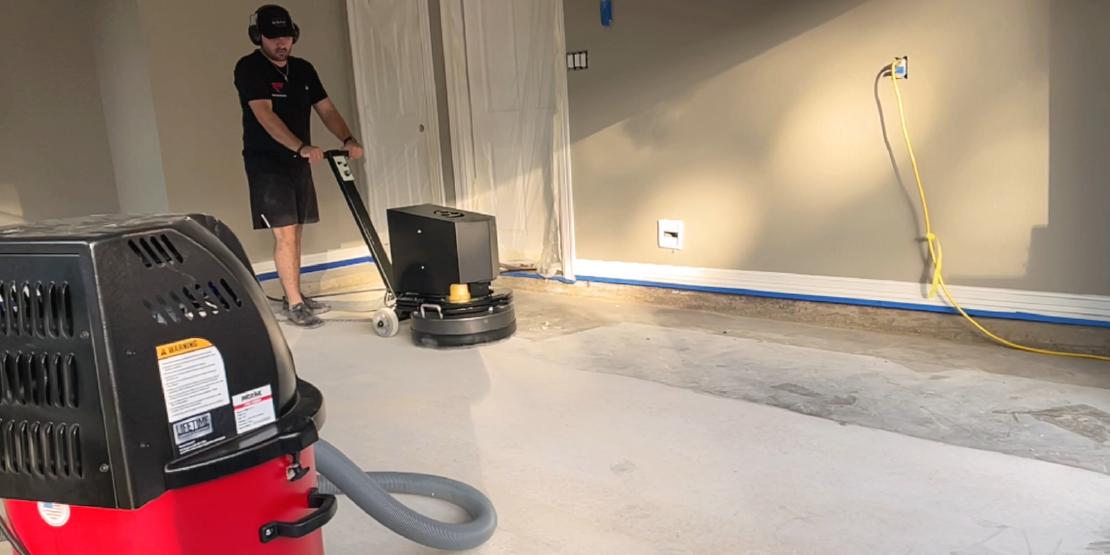

Renovating Old and Worn Coated Floors
Understanding the State of Your Weathered Floor
Aging and wear inevitably take their toll on floors, often causing distressing signs like fading, discoloration, scratches, scuffs, and even cracks. You might observe an unevenness in certain parts, indicating years of foot traffic in a particular area. The impact of moisture, heat, as well as chemical spills across time, manifests as stubborn stains or loosened tiles. A deep understanding of these manifestations is crucial before commencing any restoration process, as the severity and type of damage would significantly influence the necessary steps for revitalization.
Assessing the current state of your floor requires some investigative work. Use different angles of light to expose subtle changes in color, texture, and the extent of surface scratches. Pay close attention to high traffic areas like hallways, entrances, and spaces near furniture, as these often suffer the most damage. For wooden floors, listen for hollow sounds when walked upon, which could point towards possible underfloor damage. Once you have a clear understanding of these factors, you can start planning your floor restoration effectively.
Identifying Different Types of Coating on Aged Floors
In the world of aged flooring, several types of coatings are commonly utilized. Shellac, an allergy-friendly and warm-toned coating, is one. Due to its natural origin - the secretions of the lac bug - Shellac is rather nonresistant to water or alcohol stains. On the other hand, Wax has also been typically used as a coating on aged floors. It brings out the richness of the wood grain but requires a significant amount of maintenance as it must be regularly re-applied.
When dealing with older homes, one also encounters oil-based polyurethane coatings, glossy and highly durable, popular for their ease of cleaning and maintenance. Aluminum oxide finishes represent another prevalent type. Characterized by their extraordinarily hard and wear-resistant structure, these coatings don’t need to be refinished as often as others but repairing them can be challenging. Meanwhile, varnish, available in different lusters, is known for its potential to deepen the hue of the wood over time, adding to the allure of aged floors bit by bit. An understanding of these various types of coatings can greatly facilitate your floor restoration journey.
The Importance of Assessing Damage on Aging Surfaces
Aging surfaces, particularly those of wooden or concrete floors, often bear the brunt of daily wear and tear, enduring both physical strain and environmental fluctuations. Over time, these conditions can cause surfaces to incur damage ranging from minor surface scuffs to deep, pervasive cracks. Assessing damage on these aged surfaces becomes a key step that cannot be overlooked in the restoration process. An accurate evaluation allows for an effective plan to treat the existing damage and determine appropriate preventive measures for the future.
In the same vein, the importance of assessing damage on aging surfaces shouldn’t be underestimated. This endeavor provides a comprehensive understanding of the floor’s state, targeting problematic areas and steering clear of needless interventions. A meticulous assessment prevents circumstances where surface imperfections could compromise the quality or safety of the restoration process. It guarantees an end product that is not only aesthetically appealing but also structurally sound and longstanding.
Choosing the Right Equipment for Restoration Tasks
Embracing the correct tools for floor restoration tasks is vital to ensure the efficiency of the process and to achieve satisfactory results. High-quality equipment and proper usage of those tools help to eradicate not just superficial grimes but also deep-seated dirt, which are often unreachable. There are myriads of tools available in the market, some of which include industrial floor scrubbers, wet vacuums, floor buffers, grinders, shot blasters, and sanders - all these are essential in effective floor restoration.
When selecting equipment, a few factors need to be considered to ensure you are getting the right tool for the job. Taking into account the floor type and condition, the size of the workspace will guide you towards suitable equipment. It’s also crucial to consider the noise level of these machines, especially when working in residential or noise-sensitive areas. Furthermore, durability, ease of maintenance, and safety measures are key aspects to bear in mind for a seamless restoration process. Remember, using the appropriate equipment will not only facilitate the task but also prolong the life span of your floor.
Safety Measures to Consider When Restoring Aged Floors
Safety procedures during any restoration work, especially on aged floors, are necessary to protect against potential injuries and health risks. This process often involves the handling of heavy equipment, exposure to dust and chemicals, and manual labor, sometimes in awkward positions. Therefore, personal protective equipment (PPE) such as gloves, safety goggles, face masks, and sturdy footwear, should be mandatory to guard against various potential hazards.
Proper training and adherence to the user manual are essential when operating restoration equipment. Utilizing the correct usage techniques reduces the risk of injuries and increases efficiency. Additionally, maintain a well-ventilated working environment to lessen dust and fumes inhalation. If chemicals such as strippers or sealers are involved, it is crucial to prevent unnecessary skin contact and inhalation by using barriers and following manufacturers’ safety guidelines respectively.
Starting the Restoration Process: Step-by-step Guide
To begin the restoration process, the first step involves thorough cleaning of the floor surface. Ensure that the area is free from dirt, debris, and loose particles. Remove any furniture or obstacles to gain clear access to the entire surface. Vacuuming or sweeping is typically sufficient to deal with this initial task. Remember, a clean surface guarantees better results when restoring weathered floors.
Next, assess the kind of coating that exists on your floor. Different materials require unique approaches, especially when stripping off the current layer. For wooden floors, sanding may be required, whereas a chemical stripper may be more feasible for certain types of stone or tiles. Always keep in mind that understanding your floor’s unique needs will ensure an effective restoration process.
Stripping Off Existing Coating: Techniques and Tips
Before starting the process of stripping off the existing coating on your aged floor, it’s essential to equip yourself with the right tools and protective gear. This commonly includes a good quality floor stripper, a long-handled scraper, protective eyewear, and a pair of safety gloves. Depending on the kind of coating previously applied to your floor, you might also need to purchase a commercial floor stripper which utilizes specific chemicals to soften the coating for easy removal.
The stripping off process should be done systematically, in section by section to avoid redoing work. Using the floor stripper, you should apply a generous amount to a small section of the floor, then giving it time to react before proceeding. Once the old coating has been softened, use the scraper to gently scrape off the coating. It’s important to note that the scraping process should be done lightly to avoid damaging the floor underneath. Firm, controlled, and even strokes are quintessential in the successful removal of the floor coating. After stripping a section, be sure to thoroughly clean it of any stripping solution residue before moving to the next. This way, a clean and consistent surface is achieved.
Repairing Damages: Filling Cracks and Smoothing Uneven Surfaces
Inspection of the state of your aged floor is a crucial first step before delving into its restoration process. It’s inevitable that wear and tear will cause visible damage over time, such as cracks and uneven surfaces. This kind of damage not only mars the beauty of the hardwood but also presents a safety hazard. It’s essential, then, to repair and smoothen these distressed parts of your floor to ensure safety and enhance aesthetics.
To fill cracks effectively, it’s recommended to use a latex wood filler. Start by cleaning the crack to remove any loose wood or debris; this ensures a clean, smooth surface for the filler to adhere to. Employ a putty knife to push the filler into the crack, smoothing it over the surface. Once it has dried and hardened, you can sand it down to level with the surrounding floor. For uneven surfaces, a floor sander proves to be a valuable tool. It’s necessary to exercise caution whilst using it, sweeping it back and forth across the floor until a uniform level is achieved, thereby removing any previous coatings and smoothing out raised areas.
Choosing the Right Coating for Your Restored Floor
Once your aged floor is stripped clean and patched up, the next critical step is selecting the right coating to afford it a superb finish. Factors such as durability, drying time, aesthetics, and the room’s intended use all play a pivotal role in this decision. Moreover, understanding your floor’s specific needs and characteristics will ultimately help you make a well-informed choice.
Polyurethane, paint, varnish, and oil are common coatings for hardwood floors. Polyurethane offers a hard, clear finish that is conveniently moisture-resistant, making it ideal for areas like bathrooms and kitchens. Paint, although not traditionally used as a floor coating, can provide an economical and creative way to enliven an old floor. Varnish, on the other hand, delivers a warm, rich finish commonly associated with antique floors. Oil finishes, while generally requiring more maintenance, offer a more natural and traditional look for your aged floor. Identifying these unique benefits will help you choose the right coating for your restored floor.
Applying the New Coating: A Detailed Process
Once your floor has been prepped and repaired, you’ll need to select a suitable type of coating. The right choice will depend on both the type of flooring and the intended use of the room. Hardwood floors, for instance, may benefit more from an oil-based polyurethane for a rich, glossy finish. On the other hand, a latex or acrylic-based coating might be more suited for rooms with heavy traffic because it offers a great balance of both aesthetics and durability.
First, ensure that the floor is completely clean and clear of debris before you begin to apply the coating. Then, using a paint roller or brush, evenly apply a layer of the selected coating material. Pay particular attention to the corners and edges of the floor, as these areas can often be tricky. It’s important to allow ample drying time between application of each coat for superior results. Always refer to the manufacturer’s instructions for optimal application techniques and drying times.
Maintenance Tips for Your Newly Restored Floor
Once the laborious process of floor restoration concludes, it’s crucial to keep up with regular maintenance to ensure the longevity and freshness of your newly restored floor. Scheduled cleanings are one of the most invaluable practices to incorporate into your routine. Employing appropriate cleaning methods for your specific type of flooring is essential. For instance, hardwood floors demand gentle, moisture-free methods while tiled surfaces can withstand mopping with mild detergents. Unnecessary water exposure can lead to warped wood and subtle damages over time, thus a strict, systematic cleaning habit results in great preservation.
Addressing spills immediately before they have a chance to set and cause staining is another key step in maintenance. Abrasive materials must be prevented from coming into contact with the flooring. To minimize scratching or scuffing, rugs and mats can be strategically arranged in high traffic areas. High-quality, suitable floor protectors placed under furniture legs can reduce the risk of deep scratches or indentations. Engaging in these maintenance practices ensures your restored floor retains its charm and durability for many years to come. Here are some key maintenance tips to remember:
• Regular Cleaning: Schedule cleanings at regular intervals. The frequency of cleaning will depend on the type and usage of your floor. Remember, different flooring materials require different cleaning methods. Hardwood floors should be cleaned with a dry or slightly damp mop, while tiled surfaces can be mopped using mild detergents.
• Address Spills Immediately: Any spillages should be cleaned up immediately before they have a chance to set and cause staining. Use soft, absorbent cloths for this purpose.
• Avoid Abrasive Materials: Keep abrasive materials away from the floor as they can scratch and damage its surface.
• Use Rugs and Mats: Place rugs and mats in high traffic areas such as entrances, hallways or near kitchen sinks to minimize scratching or scuffing.
• Install Floor Protectors Under Furniture: Invest in high-quality floor protectors for under furniture legs to reduce the risk of deep scratches or indentations caused by moving furniture around.
By following these simple steps you can ensure that your newly restored floor remains fresh-looking, charming and durable for many years to come. Always remember that proper care is essential in maintaining any kind of flooring material after restoration work has been completed.
Cost Analysis: DIY Restoration vs Hiring a Professional
Undertaking a DIY floor restoration may initially seem like a cost-effective option. For homeowners with the time, skill, and physical ability, this could indeed be a plausible method to shave off substantial costs associated with professional services. It’s important to remember, however, the outlay of purchasing or renting necessary restoration equipment, alongside acquiring appropriate durable materials. Not to mention potential costs of rectifying errors, often incurred due to lack of professional experience or neglecting the complexity of the task, contributing to unexpected expenditure.
On the other hand, hiring a professional for a floor restoration may warrant an upfront larger cost, but it eliminates the risks of incorrect restoration procedures and provides the certainty of a reliable result. Professional restoration services typically include damage assessment, project planning, material and labor costs - giving customers an extensive, predictable estimate. Additional benefits like warranty on services also bolster the justification for professional restoration options. The trade-off essentially boils down to assessing individual willingness to bear risk, devotion of personal time and effective monetary investment.
Case Studies: Successful Floor Restoration Projects.
The Smith Residence in suburban Connecticut presents one such example of successful floor restoration. Their century-old hardwood floor had not only endured typical wear and tear, but it also needed intensive repair after water damage due to a severe storm. The Smiths considered replacing the entire flooring, but due to the historical and sentimental value, they decided to restore it. They began with a thorough assessment of the floor’s condition, identified the original coatings, and examined the extent of the damage. Using high-grade restoration equipment, they meticulously stripped away the existing coating, filled the surface cracks, and sanded the floor to a smooth finish. They chose an eco-friendly, durable coating to apply, guaranteeing a longer lifespan for the floor. Now, the floor stands as a testament to the beauty of successful restoration.
In central London, West End’s popular boutique, The Emporium, also successfully restored their age-old wooden floor. The Emporium’s floor, established in the late 1800s, received immense foot traffic, and over the years had taken a heavy toll. After a though assessment, the restoration team found layers of different coatings applied over decades. It was a rigorous and time-consuming task to strip off these coatings and repair damages. But the result was a beautifully preserved floor that maintained the historic essence of the building. By choosing a coating that offered both aesthetic appeal and durability, The Emporium reinforced its commitment to preserving history, offering a unique shopping experience for its customers. These successful floor restoration projects offer a valuable insight into the restoration process and its rewarding end-result.
What are the initial steps to understand the state of a weathered floor?
The initial steps include thorough visual inspection to identify areas of damage, peeling or fading of coatings, and signs of weathering such as discoloration or stains.
How can I identify the type of coating on my aged floor?
Identifying the type of coating on an aged floor often requires professional expertise. However, generally, it involves observing the floor’s appearance, texture, and how it reacts to solvents.
Why is it important to assess damage on aging surfaces?
Damage assessment is crucial as it helps identify the extent of damage and determine the right restoration method to employ. It also helps prevent further damage.
How can I choose the right equipment for my restoration tasks?
The right equipment for your restoration tasks depends on the type of floor, the extent of the damage, and the restoration techniques required. Professionals can provide guidance on this.
What safety measures should I consider when restoring aged floors?
Safety measures include using appropriate personal protective equipment, ensuring adequate ventilation, using non-toxic materials when possible, and following manufacturer instructions for all tools and materials.
Can you guide me through the floor restoration process?
The process includes initial assessment, stripping off the existing coating, repairing damages, applying a new coating, and maintaining the restored floor. Each of these steps has its own detailed procedures.
What are some techniques for stripping off the existing coating on a floor?
Techniques for stripping off the existing coating include sanding, scraping, or using a chemical stripper, depending on the type of coating and the condition of the floor.
How should I go about filling cracks and smoothing uneven surfaces?
Filling cracks and smoothing uneven surfaces usually involve using a suitable filler or compound, then sanding the area to create a smooth, level surface.
How can I choose the right coating for my restored floor?
Choosing the right coating depends on the floor material, the look you want to achieve, and the level of durability you need. Consult with a professional for personalized advice.
What are some maintenance tips for a newly restored floor?
Maintenance tips include cleaning regularly with suitable products, avoiding harsh chemicals, immediate cleanup of spills, and periodic re-coating if necessary.
How much does it cost to restore a floor by myself compared to hiring a professional?
The cost varies depending on the size and condition of the floor, the materials used, and your location. Generally, DIY can be cheaper, but hiring a professional can provide a better finish and save time.
Can you share some successful floor restoration projects?
The article includes detailed case studies showcasing successful floor restoration projects. These case studies provide real-world examples of the restoration process and outcomes.