
Repair and Recoating Considerations
Assessing Damage to the Surface
When it comes to any restoration project, the first critical step involves a thorough assessment of the existing surface condition. Identifying all areas of damage, from minor scratches and stains to deeper gouges, cracks, or corrosion, is paramount. The extent and nature of the damage significantly determines the necessary measures for rectification, as well as time and cost projections.
Upon completing the initial visual inspection, further evaluation methods might be required to uncover hidden or systemic issues that aren’t immediately apparent. This could involve techniques such as ultrasonic testing for detecting subsurface defects, or moisture probes to identify trapped water beneath the coating. Such careful and comprehensive assessment guarantees that person performing restoration make informed decisions about the subsequent steps in the restoration process.
Choosing the Right Materials for Rectification
Materials selection is a critical part of any refinishing process. The substance used can significantly impact the final quality of the work. It is, therefore, important to carefully choose materials that are durable, efficient, and suitable for the intended environment. Moreover, the materials selected must be compatible with the existing structure to prevent chemical reactions or physical stress that might cause damage in the future.
Selection of materials also heavily influences the cost of the project. High-quality materials might be more expensive initially; however, they can provide better long-term value. Their durability and superior finish can reduce the frequency of reworks, saving money in the long run. It is advisable to consult with a professional or a knowledgeable DIY enthusiast before making a final decision. Their experience can provide insights into the best materials for specific jobs.
Understanding the Recoating Process
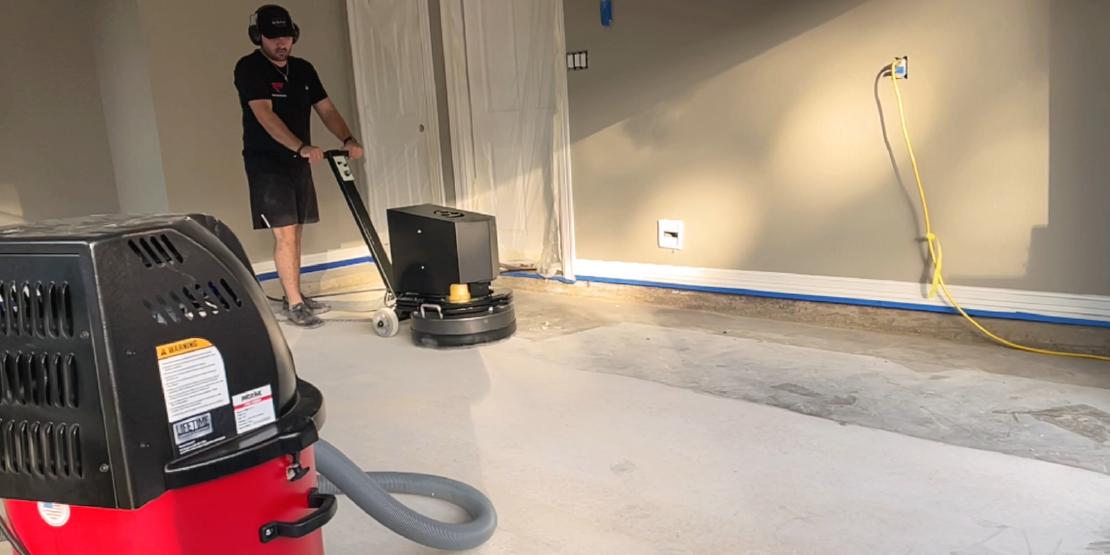
The recoating process involves a well-structured approach encompassing thorough assessment of the current surface, prepping it for application, and eventually applying the new coating. Primarily, it’s critical to clean the existing surface thoroughly, removing any loose or flaking paint. This process may include sanding or even scraping in some cases. Following complete removal of the previous coating, the surface can be primed for the new application. Preparation methods differ depending on the material and the substrate condition.
The application phase involves the careful application of the new coating material. It’s recommended to apply the coating in thin layers, allowing it to dry fully between applications to ensure a smooth finish. The drying time can vary, depending on the coating material used. Applying multiple thin layers, instead of a single thick one, enhances the durability and lifespan of the coating. Throughout the process, it’s integral to ensure that the application is even and free of any bubbles or distortion that might affect the final appearance and functionality of the surface.
Determining the Scope of Work
Comprehending the extent of refurbishment work is pivotal, as it shapes the planning and execution process. Space requirements, condition of the surface, extent of damage, and the amount of resources involved are key factors in this process. Estimation of the time and effort that will be required also plays an integral role in understanding the scope of the task. These details will provide a clear picture of what needs to be done, thus allowing an accurate forecast of time, labor, and budget needed.
Choosing the right methods for assessing damage to the surface area, materials for rectification, and approaches to the recoating process are parts of determining the scope of the assignment. A holistic understanding of each of these elements makes it possible to devise an efficient work plan. It aids in prioritizing tasks, allocating resources, and managing timelines effectively. Remember, the goal is not just to complete the task, but to do it most efficiently, without compromising on quality.
Safety Measures in Refurbishment Work
Refurbishment activities, though pivotal for maintaining and improving the aesthetics of a structure, often involve operations that can pose potential risks to the workers involved and the surroundings. It is, therefore, exceedingly critical to adopt and implement effective safety measures during the course of the work. These measures often encompass the use of Personal Protective Equipment (PPE), adherence to safety protocols, and operational training to handle equipment and materials efficiently and safely.
Personal Protective Equipment (PPE), including safety helmets, gloves, safety glasses, and high-visibility clothing, are essential to ensure protection against potential hazards in the workplace. Safety guidelines and protocols serve as a roadmap to avoid accidents, injuries or damages. These guidelines typically highlight the need for risk assessment, ensuring secure scaffolding, and careful handling of equipment and hazardous materials. Furthermore, training sessions for workers can offer hands-on experience in safe and efficient handling of tools, equipment, and materials, thereby minimizing potential risks.
Preparation Steps before Recoating
Before diving into the recoating process, thorough preparation is pivotal. Initially, it includes an in-depth assessment of the surface to address notable defects and damages. Any irregularities, dirt or existing coating remnants should be meticulously removed in order to achieve a smooth and clean finish. The surface should then undergo a comprehensive cleaning process. Cleaning not only involves removal of physical debris, but also requires attention towards neutralizing possible chemical contaminants that could potentially interfere with the coating process.
Surface priming is typically the next step post cleaning. The use of a primer ensures better adhesion of the coating, providing a solid base for the subsequent layers of paint or sealant. Residue or moisture left on the surface could equate to the failure of a coating application; hence, careful examination must be conducted to verify the surface is completely dry and free of debris. With the right preparation, care and attention to detail, both the longevity and quality of the finished coating can be substantially improved.
Application Process of New Coating
The onset of the application process involves a thorough preparation of the coating material. This is crucial to ensure uniform consistency and optimal performance upon application. Depending on the coating type, it may require a single or multiple component mixture. Each component plays a crucial role in enhancing the properties of the coating, such as its durability, resistance to weather conditions, and adhering power. It is, therefore, essential to follow manufacturer guidelines to accurately mix these components.
Following the preparation of the coating material, the actual application comes next. Brushing, rolling, and spraying are the commonly used methods in surface coating. The choice of application method depends largely on the surface area, type of surface, and the kind of finish desired. While brushing and rolling may suit smaller, irregularly shaped surfaces, spraying is ideal for larger, regular surfaces. This stage requires meticulousness to ensure the coating is evenly applied, preventing visible streaks or patches.
Cost Estimation for Refinishing Work
Efficient budgeting and accurate cost estimation form the backbone of any refinishing work. This involves considering a multitude of factors ranging from materials and tools required in the process, labor charges, surface size and condition, to the additional costs related to safety equipment and waste disposal. Apart from these, one must also note that prices may significantly vary depending on the complexity of the task, quality of the materials used, and the level of experience and skill the project demands. Hence, it is advisable to compare rates from different vendors or professionals for a more comprehensive understanding of the likely expenses.
In relation to the aforementioned, it is crucial to bear in mind that cost-saving at the expense of quality might lead to more substantial expenditure in the future. Shoddy workmanship or inferior materials can cause premature failure of the coating and thus necessitate another round of refinishing much sooner than expected. In this context, it is always wise to invest in high-quality materials, tools, and experienced labor, even if they seem expensive initially. Remember, it takes a thorough and precise cost estimation to ensure the effective allocation of budget and to avoid unnecessary expenses in the surface recoating process.
Timeframe for the Restoration Process
Initiating a surface restoration process requires detailed planning, including determining an accurate timeline. This aspect is crucial as it plays a vital role in coordinating with other complementary tasks that might be going on simultaneously. The time span can alter significantly depending on several variables such as the extent of surface damage, the type of coating material chosen, the size of the surface area to be restored, and weather conditions (if the job is outdoor).
To illustrate, small scale projects involving minimal surface damage could wrap up within a few days. On the other hand, larger areas with significant damage, requiring intensive repair work followed by multiple layers of coating, may stretch over weeks. It is also crucial to incorporate extra time for unexpected delays due to unforeseen obstacles or challenges. Balancing the need for quality work against a reasonable threshold for completion is key in determining the timeframe for the restoration process.
Maintaining the Newly Coated Surface
Once the surface has been newly coated, maintaining it effectively can significantly enhance its longevity. Daily cleaning activities should involve gentle sweeping or vacuuming to remove any loose dirt and reduce abrasive wear. For tougher stains, a non-abrasive cloth moistened with a mild detergent solution can be used. It is also essential to avoid using harsh chemical cleaners or tools that might scratch or degrade the finish. Periodic cleaning, as per the manufacturer’s instructions, is advised to keep the surface looking its best.
Upon completion of the coating process, the surface should be allowed ample time to cure before it encounters any heavy traffic. This will ensure optimal adherence and durability of the finish. Routine inspections should be carried out to detect any signs of wear or damage early on. Any identified issues should be promptly addressed to prevent them from escalating. Protecting the surface from spills and excessive moisture, using protective pads under furniture, and limiting exposure to direct sunlight are additional measures that can help maintain the newly coated surface. These procedures will contribute to preserving the aesthetics and functionality of your newly refurbished surface for a much longer span.
Troubleshooting Tips for Coating Failures
Although the re-coating process may appear straightforward, it’s not uncommon to encounter challenges along the way. One of the most common is coating failure, which manifests in several ways such as peeling, blistering, or chalking. Identifying the root cause is the first step towards remedying the problem. This could be anything from improper surface preparation, choosing the wrong type of coating, or an error during the application process.
To mitigate these problems, one can initiate proper inspection procedures. Using a magnifying glass to closely inspect the surface, one can spot early signs of failure like small bubbles or flaking. For more complex issues, gauges and other measurement tools may be needed to determine the thickness or moisture content of a coating. By understanding these common issues and knowing how to address them, one can increase the longevity of the surface and prevent future coating failures.
Benefits of Regular Surface Maintenance
Regular upkeep of surfaces not only enhances their visual appeal but also extends their functionality and longevity. It helps guard against significant damage which could be both time-consuming and heavy on the pocket to rectify. Being proactive can prevent the deterioration and subsequent disintegration of the primary substrate, be it wood, metal, concrete, or any other material.
In the long run, consistent maintenance saves on expensive major restoration projects. Furthermore, it maintains the sanitary aspect of surfaces, especially in spaces that demand high hygiene such as kitchens or healthcare facilities. It also elevates the overall value of the property, presenting a fresh, well-maintained image that leaves a strong impression. Regular surface maintenance, indeed, is a prudent investment that offers lasting benefits. • Regular surface maintenance enhances the visual appeal of surfaces, making them more attractive and appealing to the eye. It helps in maintaining their original color and texture, thus adding a touch of elegance to your space.
• Another advantage is that it extends the functionality and longevity of surfaces. By preventing minor damages from escalating into major issues, regular upkeep ensures that surfaces remain useful for long periods.
• Maintenance also acts as a protective shield against significant damage which could be both time-consuming and heavy on the pocket to rectify. This means you save not only money but also valuable time by being proactive about surface care.
• The deterioration and subsequent disintegration of primary substrates such as wood, metal or concrete can be prevented through regular maintenance. This keeps these materials sturdy and durable for longer durations.
• In the long run, consistent maintenance saves on expensive major restoration projects. Instead of having to replace entire sections due to neglect, small repairs can keep things looking new without breaking the bank.
• Additionally, it maintains the sanitary aspect of surfaces especially in spaces like kitchens or healthcare facilities where hygiene is paramount. Cleanliness becomes easier when surfaces are well-maintained since dirt does not stick easily nor do bacteria multiply rapidly on such areas.
• Lastly but importantly too, regular surface maintenance elevates overall property value presenting a fresh image that leaves strong impressions on visitors or potential buyers if you ever decide to sell your property.
In conclusion; regular surface maintenance is an investment worth considering given its numerous benefits including cost-saving measures by avoiding big repair projects in future while enhancing aesthetic appeal among others!
Professional Services vs DIY: Making the Right Choice
Opting for professional services or embarking on a DIY route depends on a multitude of factors that individuals must consider carefully. Professional services come with the expertise and technical knowledge necessary for complex tasks, bringing a certain level of skill, proficiency, and quality assurance that you might not achieve on your own. These services often have the right tools and safety measures in place, ensuring the task is done correctly and safely. They can also save you time, and the stress associated with undertaking a complex task.
On the other hand, going the DIY route can be more cost-effective, eliminating expenses associated with hiring a professional. It also offers the appealing aspect of personal satisfaction and pride that goes along with completing a task on your own. This notion particularly holds when the task isn’t too extensive or complex, and when individuals already possess a basic understanding of the work involved. However, it is worth noting that DIY projects require a significant time investment and can involve a certain level of risk, particularly when it comes to larger projects. Both options come with their own sets of benefits and challenges, hence a thorough evaluation based on the nature and scope of the project is essential.
How can I assess the damage to the surface before beginning the refurbishment?
The article provides detailed information on how to observe and analyze the surface for any damage. It is crucial to look for cracks, peeling paint, discoloration, and other signs of wear and tear.
What kind of materials should I choose for the rectification process?
The choice of materials largely depends on the type of surface you are working on. The article provides insights into how to select the right materials for different surfaces.
Can I understand the recoating process without professional help?
Yes, the article explains the recoating process in detail. However, if the process seems complex or if you are unsure about any step, it might be best to seek professional assistance.
How do I determine the scope of work for my refurbishment project?
Determining the scope of work involves assessing the condition of the surface, estimating the amount of work, materials needed, and the time it will take to complete the project. The article provides a thorough guide on this.
What safety measures should I take during refurbishment work?
The article explains safety measures like wearing protective gear, ensuring good ventilation, and following instructions on product labels among other things.
How do I prepare the surface before recoating?
Preparation typically involves cleaning the surface, removing old paint, and ensuring the surface is smooth and dry. The article gives a detailed explanation of these steps.
What is the application process for a new coating?
The application process will vary depending on the type of coating and surface. The article provides comprehensive instructions for this.
How can I estimate the cost for refinishing work?
The article provides insights into how to calculate the cost based on the materials used, the amount of work, and the time spent.
What is the typical timeframe for the restoration process?
The timeframe varies based on the scope of work, the size of the surface, and other factors. The article offers a detailed explanation.
How do I maintain the newly coated surface?
The article provides tips on regular surface maintenance to extend the lifespan of the coating.
What should I do if I experience coating failures?
The article offers troubleshooting tips for common coating failures to help you rectify issues quickly and effectively.
What are the benefits of regular surface maintenance?
Regular surface maintenance can prolong the life of the surface, enhance its appearance and save you money in the long run.
Should I choose professional services or opt for a DIY approach for surface refurbishment?
The choice between professional services and a DIY approach depends on your comfort level, experience, the complexity of the project, and the budget. Both options have their pros and cons, which are discussed at length in the article.