
Repair and Renovation with Epoxy Coatings
Understanding the Basics of Epoxy Coatings
Epoxy coatings are essentially durable paints used on floors across various industries. This type of coating involves a two-component system that, when combined, forms a hard, highly resistant surface. Its hard-wearing properties, resistance to wear and tear and low maintenance requirements have made it a favored choice in many commercial and industrial settings: from factories and warehouses to aircraft hangars and food processing plants.
What sets epoxy coatings apart is their superior resistance to various environmental challenges. How do they meet this resistance? The two-component system of epoxy coatings contains a resin component and a hardener component. When these two components are mixed, they chemically bind together, creating a resilient layer that withstands both chemical and physical impacts. Given its properties, epoxy coatings offer a practical and durable solution to protect and enhance surfaces.
Benefits of Using Epoxy Coatings in Construction
Epoxy coatings offer myriad benefits in the construction industry, with their impressive durability and resistivity being the most notable. By forming a tight bond, these coatings protect the underlying surface from environmental damage. They can withstand high traffic, making them an ideal solution for commercial and industrial establishments. Moreover, epoxy coatings are resistant to water and chemicals, thus extending the lifespan of the structures they are applied to.
Another important facet of epoxy coatings is their aesthetic appeal. They are available in a wide range of colors and finishes, allowing architects and builders to realize their design vision without compromising on robustness. By offering an attractive and durable solution, epoxy coatings also significantly boost the value of any property. Additionally, these coatings are relatively easy to maintain, requiring simple cleaning procedures that help businesses save on long-term maintenance costs.
Step-by-step Process of Applying Epoxy Coatings
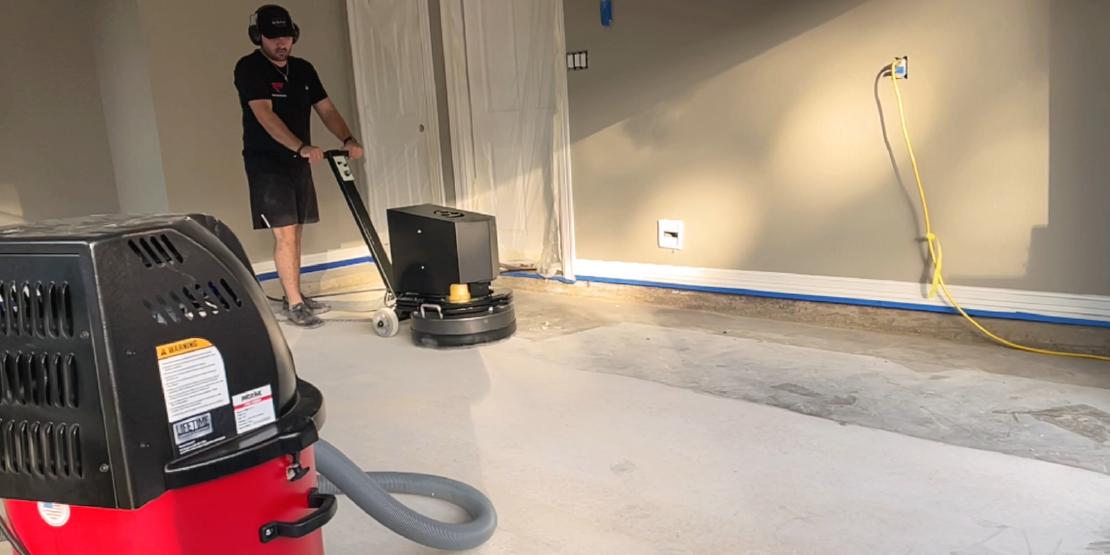
The process begins with the crucial stage of surface preparation. Surfaces, typically concrete, need to be clean and free of any greases, oils or previous finishes - not doing so might result in the epoxy not adhering correctly. Mechanical abrasion such as grinding or blasting is often used to achieve a sufficient level of cleanliness and roughness. Then, the surface has to be completely dry, as epoxy coating application doesn’t fare well on damp surfaces.
The actual epoxy application comes next. The epoxy resin and hardener are mixed according to the manufacturer’s instructions. This combination starts a chemical reaction that then turns the liquid epoxy into a solid. Once mixed, it is applied quickly using a roller or squeegee, spreading evenly across the marked area. It is important to monitor the thickness to ensure uniform coverage. It is then left to cure for the specified period. Note, any addition or deviation from the manufacturer’s instructions can affect the performance and durability of the epoxy coating.
Epoxy Coatings for Floors: A Detailed Guide
Epoxy coatings represent a versatile solution for flooring applications in various industrial and residential settings. Their exceptional resistance to wear, coupled with excellent adhesion properties, make them a preferred choice over traditional floor paints. Epoxy resins form a tough, impermeable layer that can withstand heavy footfall, as well as mechanical and chemical stresses. Noteworthy for their durability, these coatings also come in a myriad of colors, textures, and finishes, catering to unique aesthetic requirements.
The application process of epoxy floor coatings is a systematic one which demands meticulous surface preparation to ensure flawless results. The surface is initially cleaned to remove any dirt, grease, or existing finish, subsequently getting treated with a shot blaster or diamond grinder for roughening. A primer coat follows this roughening, enhancing the adhesion between the surface and epoxy resin. The epoxy coating is then applied in several layers and is finally sealed with an extra protective top layer. The optimal mix of characteristics associated with epoxy coatings ensures the production of robust, resilient flooring structures in diverse environments.
Using Epoxy Coatings for Walls: What You Need to Know
When it comes to coating applications for walls, epoxy offers a robust solution that combines durability, performance, and aesthetics. The epoxy resin forms a tough, hard surface that can withstand significant wear and tear. It’s resistant to moisture, reducing the chance of mold, mildew, and other water-related issues. Above all, these properties make epoxy coatings suitable for walls in a variety of settings, ranging from industrial facilities to residential buildings.
Ensuring a successful epoxy application on walls requires a methodical approach. It begins with surface preparation, which involves cleaning the wall and eliminating any dust, dirt, or other contaminants that may prevent the epoxy from adhering properly. Then, the epoxy mixture is applied in thin coats. The number of coats depends on factors such as the wall’s condition and the desired thickness of the coating. Between each application, the epoxy needs to cure fully before adding additional coats. This process ensures the result is a precisely sealed and visually pleasing solution.
Enhancing Durability of Surfaces with Epoxy Coatings
As a leading solution in the construction and manufacturing industries, epoxy coatings offer numerous benefits, particularly when it comes to enhancing surface durability. The superior adhesive strength of epoxy enables it to form a resilient bond with the surfaces it’s applied to. This hardened shell not only increases the lifespan of the surface but also offers robust protection against the daily wear and tear, impacts, and harsh conditions, making it an incredibly long-lasting option.
The innovative compound in epoxy coatings further extends their functionality: combined with various aggregates, they can offer slip-resistant characteristics. Moreover, they resist damage from water and chemicals, including most industrial solvents and cleaners. This integral ability to withstand such tough conditions while maintaining their aesthetic appeal makes epoxy coatings an ideal solution for both high-traffic and high-exposure areas requiring sturdy protection.
Safety Measures to Consider When Using Epoxy Coatings
While epoxy coatings offer numerous advantages in construction, their application calls for the observance of several safety measures. These preventive practices not only ensure the longevity of the epoxy but also safeguard the health of workers. Initial provisions should cover personal protective equipment (PPE). This includes respiratory masks due to the potential inhalation of harmful fumes, especially during curing. Other protective wear such as safety glasses, gloves, and adequate clothing should be worn to prevent potential skin irritation or eye damage by direct contact with the epoxy material.
The application of epoxy coatings becomes complicated due to the exothermic reaction that some epoxies present, which can cause severe burns if left unattended. Therefore, a secure method for mixing, handling and applying the product is necessary. Equally important is proper room ventilation, as an enclosed environment might increase the risk of inhalation exposure. In case of accidental contact with skin or eyes, an efficiently planned and easily accessible cleaning station should be available. Lastly, strict adherence to the manufacturer’s instructions can mitigate many potential hazards during epoxy application.
Epoxy Coatings and Environmental Sustainability
The environment remains a top priority in all modern industries, including construction. Remarkably, the use of epoxy coatings presents a significant eco-friendly edge in this sector. Made predominantly from epoxy resins, these coatings are low-VOC (Volatile Organic Compound) products. Thus, they release fewer pollutants into the atmosphere compared to traditional oil-based or latex paints. Moreover, their exceptional durability means fewer applications over time, leading to a reduction in overall waste and energy resources used in the process.
Additionally, epoxy coatings efficient utilization also contributes to environmental sustainability. They bind well to their applied surfaces, resulting in a reduction in waste matter. Furthermore, as they provide a barrier to moisture, the structure’s integrity is maintained, reducing the likelihood of premature wear and tear. This consequently minimizes the need for constant replacements, thereby conserving natural resources. Evidently, the application of these coatings aligns with the ethos of sustainable development.
Cost Analysis: Investing in Epoxy Coatings
Considered a substantial investment by many, epoxy coatings offer numerous cost-saving benefits in the long-term. Epoxy-coated surfaces are enduringly resistant to various forms of wear. This toughness keeps maintenance costs to a minimum. Additionally, the durability provided by epoxy coatings extends the lifeline of structures, offering extended periods before the need for any significant renovations or costly repairs.
Despite the initial cash outlay, epoxy-coated surfaces add monetary value to your buildings. Technically, this is translated into the higher resale value, driven by the enhanced aesthetic quality and increased lifespan of the property. Also, promotional materials highlighting the use of epoxy coatings can appeal to environmental-conscious clients and serve as a unique selling point, in turn, boosting your profitability.
Troubleshooting Common Issues with Epoxy Coatings
While epoxy coatings are known for their durability and resistance to wear and tear, there can still be issues that may arise during its application or even after it’s been applied. Some of these common problems include bubbling, peeling, or discoloration. Bubbling usually occurs when air gets trapped in the coating during application. This is often caused by applying the epoxy coating too quickly, or if the surface was not adequately prepared before application. It can also arise if the epoxy mixture is not properly mixed before use.
Peeling, on the other hand, generally happens if the surface was not suitably cleaned, or the epoxy was applied on a surface that was still wet. Another possible reason could be the use of an inappropriate type of epoxy for the particular surface. This is where understanding the different types of epoxy coatings and their respective uses becomes integral. Furthermore, discoloration may transpire if the epoxy is exposed to excessive sunlight or UV light. To prevent this, epoxy coatings with UV inhibitors or using a UV-resistant topcoat can be considered. Also, maintaining the right temperature during application is important to avoid any untoward issues. Several of these problems can be prevented or resolved with attentive planning, a precise application process, and the diligent follow-through to the manufacturer’s instructions.
Maintenance Tips for Surfaces Coated with Epoxy
To ensure the longevity and retain the aesthetic appeal of surfaces coated with epoxy, routine maintenance is integral. Surfaces with this type of coating are fortified against physical, chemical, and environmental damages making them easier to maintain than other surfaces. However, they still require some level of care to stay in top shape. Specifically, they should be regularly cleaned, using non-abrasive materials to prevent scratching or damaging their glossy exteriors. Mild soaps and warm water are typically enough for the job, effortlessly ridding the surface of dirt and grime.
Even with the superior durability of epoxy coatings, some activities could hasten wear or lead to damages - these should be avoided. For instance, dragging sharp or heavy objects across the surface could lead to scratches or chip off some areas of the coating. Spills should also be promptly cleaned to prevent staining- especially for chemical spills, which have the potency to damage the layer, compromising its aesthetic and function. Finally, prevent exposure to extreme heat, as this could discolor the epoxy layer. These are some of the significant maintenance hacks for preserving the sophisticated look and utility of epoxy-coated surfaces.
Case Study: Successful Projects Using Epoxy Coatings
One vivid illustration of the effective use of epoxy coatings in construction is the renovation of the historic Grand Central Station in New York City. This multi-million dollar renovation project demanded a flooring solution that could withstand high foot traffic, was easy to maintain, and retained the aesthetic appeal of this iconic structure. Epoxy coatings were the ideal choice. With their outstanding durability and diverse range of design options, they met the stringent requirements of the project. The final result was a stunning, resilient floor that continues to impress millions of visitors each year.
Another notable project that showcased the benefits of epoxy coatings was the construction of the San Francisco Bay Bridge. This engineering marvel required a protective coating that could resist harsh weather conditions, saltwater, and heavy vehicular traffic. The solution? Epoxy coatings. Providing unparalleled protection, enhancing structural integrity, and significantly reducing maintenance costs, epoxy coatings have contributed to the bridge’s longevity and performance. Over the years, they have proven their worth, demonstrating that when it comes to durability and performance, epoxy coatings are hard to beat.
Exploring the Future of Epoxy Coatings in Building and Construction.
In the realm of construction and building technology, the use of epoxy coatings is expected to surge in the coming years. This growth can be attributed to the rising demand for durable, long-lasting, and aesthetically pleasing surface finishes. Technological advancements are also propelling the epoxy coating industry to new frontiers, with developments on features like UV resistance and water repellency enhancing the application dynamics of these coatings. As nanotechnology weaves itself into the fabric of construction materials, we can anticipate the advent of epoxy coatings with improved adhesive properties, delivering seamless and more robust surfaces.
Reflecting on the environmental perspective, the future of epoxy coatings holds promises of becoming more sustainable and eco-friendly. The industry is leaning towards the development of low VOC (Volatile Organic Compounds) and solvent-free epoxy formulations in response to environmental concerns. These advancements, aimed at minimal environmental impact, are gaining momentum in the industry, reflecting the global shift towards sustainability. Parallel with these developments, research into the recyclability of epoxy-based composites is gaining ground, which over time could revolutionize the way we use and manage epoxy coatings and contributing to a closed-loop economy.
In light of these developments, the future of epoxy coatings in building and construction is set to be shaped by several key trends:
• Increased Durability: Epoxy coatings are expected to become even more durable due to technological advancements. This includes improved UV resistance and water repellency features that enhance their application dynamics.
• Improved Adhesion: As nanotechnology becomes more integrated into construction materials, we can expect epoxy coatings with better adhesive properties. These will deliver seamless and robust surfaces that last longer.
• Sustainability Focus: The industry’s shift towards sustainability is leading to the development of low VOC (Volatile Organic Compounds) and solvent-free epoxy formulations. These environmentally-friendly options aim for minimal environmental impact.
• Eco-Friendly Innovations: In addition to being sustainable, future epoxy coatings are also anticipated to be eco-friendly. Research into the recyclability of these products could revolutionize how they’re used and managed in a closed-loop economy.
• Aesthetic Appeal: Alongside functionality, aesthetic appeal continues to drive demand for epoxy coatings. Future innovations may include an expanded range of colors and finishes that cater specifically for design-driven projects.
Ultimately, as technology advances further, so too will the capabilities and applications of epoxy coatings within building and construction industries - promising a brighter future not just aesthetically but also from an environmental perspective.
What are epoxy coatings?
Epoxy coatings are a type of paint that provides a durable and resistant finish. They are primarily used in industrial and commercial settings, such as in construction, due to their high-level protection and long-lasting finish.
Why are epoxy coatings beneficial in construction?
Epoxy coatings offer numerous benefits in construction, including their durability, resistance to chemicals, heat and water, and their ability to provide a seamless and attractive finish. They also enhance the longevity of the surfaces they are applied to.
How are epoxy coatings applied?
The process of applying epoxy coatings involves several steps. It starts with surface preparation, followed by primer application, then the epoxy coating, and finally a sealant or topcoat.
Can epoxy coatings be used on walls?
Yes, epoxy coatings can be used on walls. They are particularly beneficial in areas that require a high level of sanitation or are prone to moisture and wear.
How do epoxy coatings contribute to environmental sustainability?
Epoxy coatings are environmentally friendly as they reduce the need for frequent repainting, thereby reducing waste. Some epoxy coatings are also made from recyclable materials.
What are the costs associated with using epoxy coatings?
The costs of using epoxy coatings will depend on several factors, including the size of the area to be coated, the type of epoxy used, and the complexity of the application process.
What are some common issues with epoxy coatings and how can they be resolved?
Some common issues with epoxy coatings include bubbling, peeling or cracking. These can usually be resolved through proper surface preparation and correct application techniques.
How can surfaces coated with epoxy be maintained?
Maintenance of epoxy-coated surfaces typically involves regular cleaning with mild, non-abrasive cleaners. Any spills should be cleaned up immediately to prevent staining or damage.
Can you provide any examples of successful projects using epoxy coatings?
Specific examples can vary, but successful projects often include commercial and industrial buildings, such as warehouses, factories, and retail stores, where durability and aesthetics are key considerations.
How is the future of epoxy coatings in building and construction looking?
The future of epoxy coatings in building and construction looks promising. As technology advances, so too does the quality and versatility of epoxy coatings. They are expected to be increasingly used due to their durability, sustainability, and cost-effectiveness.