
Repairing Coated Floors in Commercial Spaces
Understanding the Importance of Maintaining Coated Floors
Coated floors in commercial spaces offer many benefits. They are aesthetically pleasing and give a sense of elegance and cleanliness. The shine on these floors often reflects the professionalism and the attention to detail that a business possesses. A well-maintained coated surface not only impresses visitors but also provides a safe and more enjoyable work environment.
Over time, factors like high foot traffic, accidental spills, and inadequate cleaning methods can wear down the protective coatings on these floors. Wear and tear, scratches, and loss of shine are common signs of poor maintenance. Regular upkeep of coated floors is essential to protect the underlying material, preserve the floor’s finish and prolong its life. Regular maintenance can thus significantly reduce the costs associated with extensive repairs or complete floor replacement.
Recognizing Signs of Wear and Tear on Coated Floors
In the realm of flooring maintenance, there are several indicators that may highlight wear and tear on coated floors. Visual signs are generally the most apparent. One might notice a change in the surface’s aesthetics, with the once vibrant, glossy finish starting to dull. The coating may become scratched, exhibiting visible linear imprints especially in areas experiencing high traffic. Additionally, discolouration, particularly around the edges of the flooring, should not be undermined.
Another telltale sign is the alteration in texture. When a floor coating begins to age, it tends to lose its smoothness and may become uneven or rough to the touch. This can turn into a hazard, leading individuals to trip or slip accidentally. Furthermore, if the coated floor has started to exhibit signs of peeling or flaking, this certain “splitting” quality should immediately signal a need for attention. Delamination of the coating from the underlying floor material may not just damage its aesthetic appeal, but also reduce its service life.
Essential Tools and Materials for Restoring Coated Floors
As part of the restoration process of coated floors, having the right tools and materials on hand is critical. These range from basic cleaning gear like brooms and dustpans to more specialized equipment like floor sanders and polishers. Furthermore, cleaning agents designed specifically for coated floors are a must, as they help remove grime and stains without harming the underlying coating. It’s also beneficial to have a supply of soft, absorbent cloths for wiping down the floor after cleaning.
In terms of materials, resins or coating materials suitable for the type of floor being restored are vital. Often, commercial floors will require epoxy or polyurethane coatings for added strength and durability. Patches or repair compounds are also necessary for addressing cracks or chips in the existing coating before a new one is applied. A good quality brush or roller is critical as well, ensuring a smooth, even distribution of the new coat. Overall, a well-prepared toolkit can simplify the restoration process, yielding better results with less effort.
Safety Measures to Consider Before Starting the Restoration Process
Floor restoration, tremendously rewarding as it may be, is not a process free from risks. Both physical harm and health hazards are potential issues that, when underestimated, can pose significant threats. Therefore, ensuring personal safety is paramount before embarking on a restoration project. Wear protective clothing suitable to the task, such as slip-resistant shoes, knee pads and gloves, to protect against possible injuries. Standard safety glasses are also important to shield your eyes from dust particles and other debris.
Apart from personal protective equipment (PPE), the work environment’s condition should not be overlooked. Ensure the restoration area is well-ventilated in order to dissipate any harmful chemicals that might be used in restoring the floor coating. Furthermore, prohibit unnecessary movement and specific vehicular traffic within the area to avoid accidental spills or other disturbances that may potentially interrupt the work and jeopardize safety.
A Comprehensive Guide to Cleaning Coated Floors Before Restoration
Cleaning coated floors thoroughly before restoration is pivotal. The initial step includes removing all the dust, debris and loose particles off the floor using professional grade brooms or vacuum cleaners. These tools effectively ensure a smooth, clean surface, providing the necessary foundation for the restoration process. However, it’s essential to take care while cleaning the floor, to prevent causing unintentional scratches or dents to the coating.
Once the floor is free of loose particles, deep cleaning is the next phase. This involves the use of specialized cleaning agents and scrubbing machines with soft pads, targeting stubborn stains or residue without causing any further harm to the floor coating. Rinse the floor thoroughly after this deep cleaning so there is no remaining cleaning residue left on the floor. A meticulously cleaned floor thus offers an ideal canvas, promising a successful and durable coating restoration.
How to Remove Old Coatings from Commercial Flooring
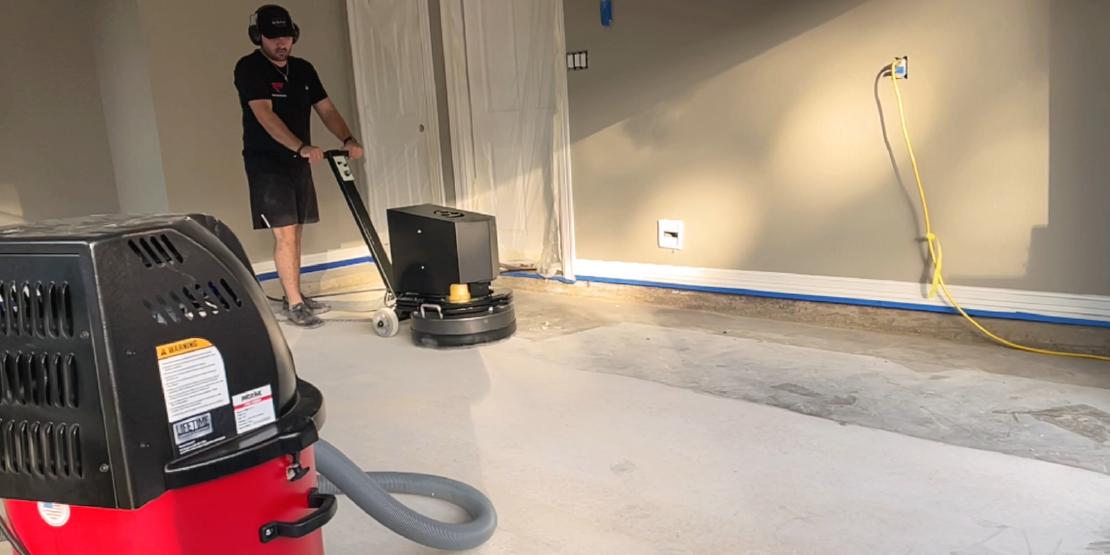
Starting with the removal of old coatings, commercial flooring demands meticulousness and care. Where outdated floor coatings are concerned, it’s no quick-fix solution but a rigorous process that requires removing layer upon layer. It begins by preparing the area to ensure a clean working space. The use of physical methods, such as grinding or blasting, are commonly adopted to remove thick, stubborn layers of old coating. Additionally, chemical strippers may also be utilized depending on the coating’s type and thickness.
In this endeavor, make sure to secure the edges of the floor to prevent damage to bordering walls. Proper disposal of the resultant waste is paramount to avoid causing harm to the environment or violating disposal standards. With the old coating completely removed, a brief sweeping or vacuum cleaning will help rid the area of dust and debris, preparing it for the new coating application. With patience and careful execution, old coatings can be seamlessly removed, clearing a path for fresh, gleaming commercial floors.
Choosing the Right Coating for Commercial Flooring
When revamping commercial floors, the chosen coating greatly impacts not only the aesthetics but also the long-term wear and durability of the flooring. It’s paramount to consider factors such as the type of traffic the floor will endure, the ease of maintenance, and the overall desired look. For example, epoxy coatings are highly durable and resistant to chemical spills, making them a perfect choice for industrial settings. On the flip side, for office spaces or commercial retail outlets, acrylic and polyurethane coatings are preferred due to their glossy finish and easy maintenance.
In the selection process, another essential step is to consider the existing floor material. Some coatings bond better with certain types of surfaces, making them more effective and long-lasting. A polyaspartic coating, for instance, adheres well on concrete floors and is well known for its exceptional resistance to abrasion and stains. Meanwhile, ensure that the surface’s moisture and temperature conditions are compatible with the chosen coating. Consulting a professional floor technician can provide valuable insights and guide your coating decision-making process.
Steps to Apply New Coating on Commercial Floors
Ready to breathe new life into your commercial floors with a fresh coat? Initiating the process involves meticulous preparation of the surface for optimum results. The initial step entails a thorough cleaning of the floor to eliminate all dirt, grease, and any old coating remnants. Stripping tools and solvents might be used for this task. Once cleaned, the floor needs to be carefully inspected for any damage, such as cracks,that might require repair.
After ensuring the floor is clean and structurally sound, it’s time to apply your chosen coating. The application involves a carefully measured mix of the coating material, following the manufacturer’s instructions. Using a roller or sprayer, the coating is spread evenly across the surface. While applying, it’s essential to maintain a wet edge to avoid overlaps and ensure uniform coverage. This stage needs precision and patience, because it directly influences the final appearance of your commercial floors.
Best Practices for Drying and Curing New Floor Coatings
Once you’ve applied a new layer of coating on your commercial flooring, it’s imperative to let it dry and cure correctly. This process is crucial in ensuring that the coating bonds effectively to the floor, providing a smooth and durable finish. Proper drying and curing can impact the longevity and resilience of the surface, reinforcing its ability to withstand heavy traffic and regular wear and tear.
There are a few key steps to keep in mind during this stage. Firstly, follow the manufacturer’s instructions about the optimal curing and drying times. Temperature, humidity, and ventilation can significantly influence this period. It’s recommended to maintain a steady indoor temperature and avoid rapid environmental changes. Secondly, avoid premature use of the newly coated area. High traffic or movement can result to imperfections and marks on the coating. Lastly, use fans or professional drying equipment if a faster curing time is required; this can prevent unnecessary delays, especially in commercial spaces. Ensure that these measures are followed meticulously for the best results. To elaborate, here are some best practices for drying and curing new floor coatings:
• Follow Manufacturer’s Instructions: As mentioned earlier, the manufacturer’s guidelines will provide you with accurate information on how long it should take for the coating to dry and cure. This time can vary based on different factors such as the type of coating used or its thickness.
• Control Temperature and Humidity: Maintaining a consistent indoor temperature between 55°F (13°C) to 90°F (32°C) is ideal. Also, try keeping humidity levels below 85%. High temperatures or high humidity can cause condensation which may lead to defects in the finish.
• Ensure Proper Ventilation: Good ventilation helps speed up the drying process by allowing moisture to escape. If possible, use fans or other professional drying equipment but be careful not to blow dust onto your wet floors.
• Avoid Premature Use: Resist walking over or using your newly coated area until it has fully dried and cured. Any premature use could result in imperfections like scratches, marks or dents that might affect its durability.
• Consider Using Drying Equipment: For quicker results especially in commercial spaces where downtime needs to be minimized, consider investing in professional-grade drying equipment like air movers or dehumidifiers.
By adhering strictly to these measures during this crucial period after applying a new coat of paint on your floors, you’re sure to achieve a smooth and durable finish that will last longer under heavy traffic conditions.
Maintaining the Shine and Finish of Newly Coated Floors
To ensure the vibrancy and condition of newly coated floors, regular and diligent maintenance is essential. A well-kept floor can add to the aesthetics of a commercial space while providing additional layers of protection against surface damage. It is crucial to adopt the optimal cleaning routine, which includes using suitable cleaning products that don’t hamper the coating or the material underneath.
Regularly sweeping and mopping can help maintain cleanliness, but it’s insufficient to preserve the shine and finish of the floor. The use of proper tools, like buffing and burnishing machines, can polish the floors, enhancing their shine. Furthermore, implementing a regular sealing regimen can extend the life of the coating, keeping the finish glossy and attractive for a longer period. Sealing should ideally be done once or twice a year, depending on the foot traffic the floor encounters.
How to Prevent Future Damage to Coated Commercial Floors
One crucial step in preserving the longevity of coated commercial floors is implementing a regimen of regular cleaning and maintenance. Whether it’s daily sweeping to remove dust and dirt or scheduled deep-cleanings, taking these measures can drastically reduce the wear and tear on floor coatings. When dirt and grit are left to accumulate, they can act as abrasives that wear down the coating more quickly. Additionally, using cleaning products designed specifically for coated floors can also help maintain the integrity of the coating.
Another effective tactic is employing the use of floor mats at all entrance points. These mats act as a shield, capturing and holding damaging particulates that could otherwise be tracked onto the floor. Moreover, it is crucial to inspect the coated floor regularly and address any issues immediately. In the case of scratches or chips, swift action to patch up these areas prevents further degradation of the coating. Therefore, preventive care and quick response to damage are integral in preventing future damage on coated commercial floors.
The Role of Professional Services in Coated Floor Maintenance
Regardless of the kind of floor your commercial space has, professionals play an integral role in its maintenance. They possess the experience, training and, more importantly, the right tools to handle any type of floor coating or restoration project. Their expertise allows them to assess the condition of your floors accurately, and recommend the most suitable coatings and maintenance practices to prolong the lifespan of your floors. Moreover, their proficiency in understanding and reckoning the signs of wear and tear saves your business from potentially costly future repairs.
Professional services not only offer restoration but also provide proactive maintenance schedules to keep commercial floors in top-notch condition. They understand the importance of avoiding disruptions to business operations and thus, work in a way that ensures minimal interruption. Additionally, they adhere to safety measures, which is crucial in preventing accidents during the process. Their knowledge of the products used for coating, and their understanding the environmental and handling guidelines, assures safety and stands as a testament to the quality of their work. Thus, hiring professionals for maintaining coated floors proves to be a sound investment in the long run.
Case Study: Successful Restoration of Coated Floors in a Commercial Space
In a bustling commercial warehouse in Bedford Stuyvesant, Brooklyn, the heavily trafficked coated floors had started showing undeniable signs of damage. The dull surface, filled with scratches and indents, was a clear indication that the protective coating had worn off. It was time for a much-needed restoration. The daunting task was taken on by the proficient team at Shine-On Floors, a professional floor maintenance company with an impeccable track record.
Shine-On Floors used a high-grade polyurethane coating created especially for commercial spaces experiencing high foot traffic. The old coating was stripped down, the surface was thoroughly cleaned and prepped, and the polyurethane coating was applied. Meticulous attention was given to the application process, ensuring no bubbles or dust particles interfered with the expected glossy finish. After a careful drying and curing process, the result was a shiny, rejuvenated floor that looked brand-new and could endure heavy traffic without showing signs of wear and tear.
Why is it important to maintain coated floors in commercial spaces?
Maintaining coated floors in commercial spaces is crucial to uphold the safety and aesthetics of the workspace. It also helps in increasing the lifespan of the floor and reducing long-term maintenance costs.
What are some signs of wear and tear on coated floors?
Signs of wear and tear on coated floors can include scratches, chips, stains, lack of shine, and discoloration. These signs may indicate that the coating is deteriorating and should be restored or replaced.
What tools and materials are necessary to restore coated floors?
Common tools and materials for restoring coated floors include floor buffers, cleaning solutions, safety equipment, sandpaper, rollers, brushes, and the new coating material.
What safety measures should be taken before starting the restoration process?
Safety measures include wearing protective gear, ensuring the area is well-ventilated, using caution with machinery and chemicals, and preparing for potential spills or accidents.
How should one clean coated floors before restoration?
Floors should be swept and vacuumed to remove loose debris, then cleaned with a suitable cleaning solution to remove stains, grime, and residue.
How can old coatings be removed from commercial flooring?
Old coatings can be removed using a floor buffer or manual scraping. This process may require various grits of sandpaper and a lot of time and patience.
How is the right coating for commercial flooring chosen?
The right coating is chosen based on the type of floor, the level of foot traffic, the desired appearance, and specific needs such as moisture resistance or slip resistance.
What are the steps to apply a new coating on commercial floors?
The steps include preparing the surface, applying the primer if necessary, applying the chosen coating in even layers, and allowing adequate time for drying.
What are some best practices for drying and curing new floor coatings?
Best practices include providing adequate ventilation, maintaining a consistent temperature, avoiding foot traffic until the coating is fully cured, and following the manufacturer’s instructions.
How can the shine and finish of newly coated floors be maintained?
Regular cleaning, using appropriate cleaning products, and avoiding harsh abrasives can help maintain the shine and finish of newly coated floors.
What measures can help prevent future damage to coated commercial floors?
Measures can include using area rugs or mats in high traffic areas, cleaning spills promptly, using furniture pads, and carrying out regular maintenance.
How can professional services contribute to coated floor maintenance?
Professional services can provide expert advice, carry out regular maintenance, and restore floors with minimal business disruption. They also have access to professional-grade tools and materials.
Could you share a successful case study of restoring coated floors in a commercial space?
Certainly, this article provides a detailed case study of a successful restoration project of coated floors in a commercial space, outlining the process followed and the outcomes achieved.