
Repairing Cracks and Damages Before Coating
Identifying Imperfections in the Surface
Recognizing surface irregularities is a crucial step in ensuring a successful coating process. Various types of damage can occur on a surface, ranging from cracks to chips and pits. These imperfections can significantly affect the final outcome of a painting or coating job, leading to uneven application and undesirable visual effects. It’s necessary to inspect the surface carefully to identify all defects that need to be addressed before initiating the coating process.
To identify such imperfections, a detailed visual inspection is typically most helpful. The use of a bright, direct light can help highlight any areas of concern, casting shadows within the indentations and making them more obvious. Furthermore, running a hand over the surface can also detect imperfections that may be challenging to see with the naked eye. It’s essential to conduct this step thoroughly as the information gathered will influence subsequent surface preparation methods.
Understanding the Importance of Surface Preparation
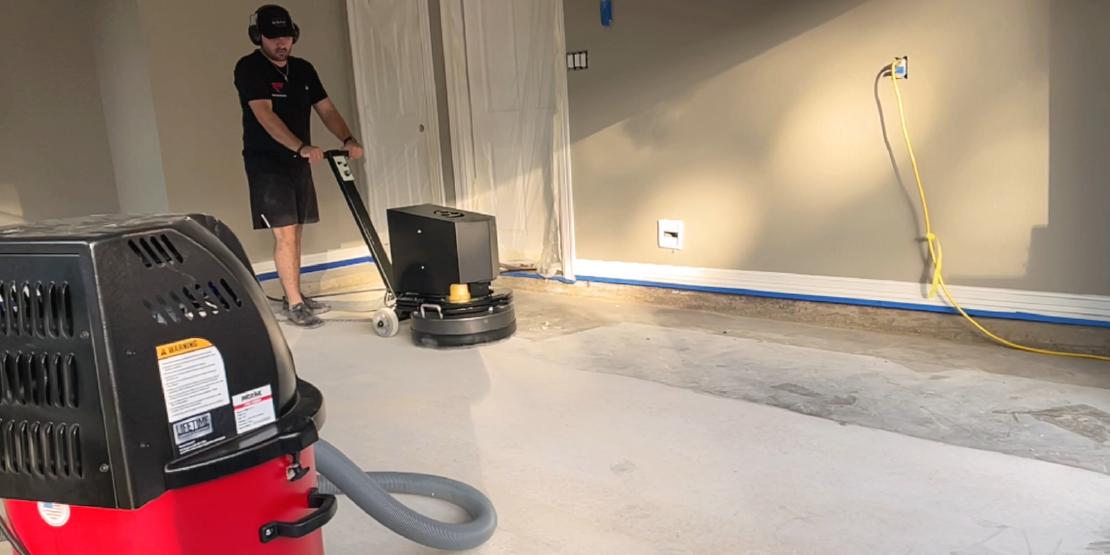
Surface preparation is a critical step that underpins the success of most projects involving the application of coatings or installations of materials. It’s of paramount importance because it enhances the bonding between the substrate and the coating, paving the way for a durable and high-quality finish. Without proper surface preparation, the efficacy of the coating deteriorates, leading to poor adhesion, premature coating failure, and an increased need for maintenance. Therefore, in sectors such as construction and manufacturing, it’s widely acknowledged as the linchpin for yielding the ideal result.
Different surfaces demand different types of preparation. For instance, concrete surfaces may require grinding or shot blasting to make them clean and level while metal surfaces might need sandblasting to remove rust and achieve an appropriate surface profile. Appropriate surface preparation not only ensures that the surface can adequately accommodate the application of the coating but also offers optimal conditions for the coating to perform to its fullest potential.
Types of Surface Cracks and Damages
Surface cracks and imperfections are typically categorized based on their origin, severity, and impact on the overall structural integrity. Various surface flaws or defects are usually categorized into hairline cracks, shrinkage cracks, structural cracks, and alligator cracks. Hairline cracks are narrow, shallow cracks that often occur due to the natural ageing of the surface. Shrinkage cracks are generally wider and deeper, caused by the withdrawal of moisture during drying or settling processes. Structural cracks are severe kinds of cracks that point towards significant defects in the initial construction or design, while alligator cracks have an intricate network of cracks, resembling an alligator’s skin, usually resulting from fatigue or severe weathering.
In addition to cracks, surfaces can harbor a myriad of other damages like peeling, blistering, chalking, efflorescence, and more. Peeling arises when a surface layer is detached from the underlying ones, often resulting due to poor surface preparation or incompatible paint layers. Blistering denotes to raised portions on the surface caused by trapped moisture or heat, while chalking happens when a powdery substance forms on the surface due to UV degradation. Efflorescence is a common defect characterized by a white, crystalline deposit of salts often visible on the surface of concrete or masonry. Recognizing these types of imperfections is crucial for determining the most effective treatment methods.
Tools Required for Fixing Surface Imperfections
Determining the best equipment for repairing surface inconsistencies is crucial for achieving a flawless finish. The assortment typically includes a variety of hand and power tools, which varies based on the extent and type of damage. Such utilities may encompass everything from simple chisels, mallets, and scrapers to more specialized equipment like electric sanders or grinders. For minor imperfections, a fine grit sandpaper or a putty knife may suffice. Remember that safety equipment, including gloves, safety glasses, and masks, are a must-have during such operations.
In addition to mechanical tools, the utilization of certain chemical solutions can also be a significant part of the process. For instance, filler or sealant compounds are often employed to patch cracks or holes effectively, while solvents or degreasers can aid in removing residual oils or contaminants from the surface. On occasions when the inconsistency is too profound or extensive, seeking professional help might be the wisest choice. In any case, comprehensive knowledge and utilization of the apt tools can make all the difference in handling surface imperfections effectively.
Methods to Address Surface Cracks
One of the common methods of addressing surface cracks begins with the identification of the type and extent of the damage. This is extremely crucial as mistaking a hairline crack for a structural one may lead to serious issues in the future. Once identified, hairline cracks can be filled with a filler or sealant. This is a relatively simple process and involves injecting the filler into the crack, and smoothing it down with a trowel. The filler should be allowed to dry for a specified period for optimal results. Filler or sealant application is cost-effective and convenient for addressing minor cracks.
For larger, structural cracks, professionals might opt for a method known as stitching. This process involves drilling holes on both sides of the crack and inserting metal staples coated with epoxy resin to bind the crack together. Another option for larger cracks is routing and sealing where the crack is enlarged along its exposed face and then filled with an adhesive material. This method, along with stitching, can help preserve the structural integrity of things like concrete buildings or roads damaged by such bigger cracks and prevent the crack from getting worse overtime. Regardless of the method chosen, safety should always be the first priority, and the use of proper equipment and materials is essential.
Techniques for Handling Other Surface Damages
While hardness, density, and a smooth top layer are some of the desirable properties of surfaces, they can still sustain different types of damage. Fissures, holes, blisters, and pits are among these damages that can have severe adverse effects if left unaddressed for long. Each of these damages presents a unique situation that necessitates a specific technique to be handled adequately. For example, blisters are typically caused by trapped volatility and can be mitigated through proper ventilation, heat management, and use of appropriate surface coating.
To tackle fissures, the cracks are first cleaned and then filled with a compatible filler material. This procedure must be carried out meticulously to ensure seamless blending with the original surface. The handling technique for holes depends on their size and depth. Shallow holes are typically filled with a patch mixture, while deeper ones may require a multi-step fix involving filler, epoxy, or concrete. Pits, on the other hand, often arise from corrosion and are managed by grinding down the affected area and then applying a protective coating. Therefore, understanding the type of damage on the surface is critical to apply the most efficient and suitable repairing technique.
Effective Ways to Clean the Surface After Fixing
Once the imperfections are fixed, it’s time to deal with the debris. Rummaging through microscopic rubbles, dust, and residual particles from the fixing process is imperative. This is due to the simple fact that any left-over debris could interfere with the adhesion of the new treatment; hence it could affect both aesthetic and durability dramatically. Dry cleaning methods, which include brushing, air blow-off, and vacuuming, excel in removing large, loose debris. Besides, when dealing with stubborn dust and microscopic particles, wet cleaning procedures prove to be effective.
Proceeding to the more vigilant task, chemical cleaning methods are designed not just to get rid of particles, but also to eliminate any residual oil, grease, or other substances that may hinder the coating process. Degreasers and detergents are usually utilized for this purpose. When faced with more stubborn substances, picking and advanced cleaning techniques like acid etching or alkaline cleaning might be necessary. In short, ensuring a clean surface is not just about making it visually spotless, but also making certain that no substance remains that may interfere with the coating process.
Materials Needed for a Successful Coating Process
To ensure a successful coating process, the selection of the proper materials is paramount. The first obvious item is the coating material itself. The choice of coating material depends on the type of surface, intended use, and environmental factors. Each of these variables will dictate whether an epoxy, polyurethane, silicone, polysiloxane or other type of coating will be best. Primer, if necessary, is another product necessary for the coating process. A high-quality primer will improve the adhesion capabilities of your chosen coating.
Apart from the coatings and primers, good quality brushes and rollers are required for the application process. In some cases, a sprayer may be needed. For surfaces that are irregular or that have many cracks and crevices, using a brush enables a more precise control during application. For larger, flat surfaces, rollers can make the application process quicker and more efficient. Finally, the importance of personal protective equipment (PPE) cannot be overstated, safety glasses, gloves, and suitable clothing should always be worn during the coating process. To further ensure the success of your coating process, a number of additional materials may be required.
• Surface Preparation Materials: The surface to be coated should be clean and free from any dust or debris. This might require cleaning solutions or solvents, sandpaper for roughing up smooth surfaces, and scrapers or wire brushes for removing old paint.
• Masking Supplies: To prevent overspray or accidental application on unwanted areas, masking tape and paper are essential. These can also help in creating design elements if you’re planning a more decorative finish.
• Mixing Tools: Depending on the type of coating material chosen, it may need to be mixed before application. A mixing stick or electric mixer could come in handy here.
• Sealers: After the coating is applied and has dried completely, applying a sealer can provide an extra layer of protection against wear-and-tear as well as environmental factors like UV rays and moisture.
• Cleaning Supplies: Post-coating cleanup is just as important as preparation. Paint thinner or mineral spirits will likely be needed to clean brushes and other tools after use; while rags are necessary for wiping off excess paint during the process itself.
Remember that each project will have its own specific needs based on various factors such as surface type, size of area being coated, indoor vs outdoor location etc., so this list isn’t exhaustive but serves rather as a general guideline.
Selecting the Right Coating for Your Surface
Once a surface has been thoroughly prepared and any imperfections have been addressed, the next crucial step is selecting the right coating. This phase in the overall process is critical as it is the coating that will provide much-needed protection to the surface. Hence, one cannot afford to make a wrong choice, as this could lead to further damage or premature wear and tear. The chosen coating must be compatible with the nature of the surface and the environmental conditions where it will be installed.
Different types of coatings offer various advantages and can serve in varying conditions. For instance, epoxy coatings are highly resistant to chemical and physical damage, making them perfect for industrial or commercial settings. On the other hand, polyurethane coatings provide excellent UV resistance, ideal for outdoor surfaces exposed to sun. Other types of coatings include acrylic, silicone, and others which you can choose based on the surface requirements. Always ensure to consult with a professional or carry out thorough research before making the final choice.
Applying the Coating on a Prepared Surface
Once the surface has been thoroughly prepped and all imperfections have been addressed, the next pivotal step is the application of the coating. This task should be approached with precision as the choice of coating, method of application, and even the climate, can significantly influence the outcome. Coatings, such as paint, varnish, or sealers, fulfil not only an aesthetic role but also play a substantial part in safeguarding the surface from the elements and future damages.
Understanding the nature and purpose of the surface assists in deciding the type of coating to apply. For instance, a deck exposed to the weather might require a water-resistant paint or varnish, while indoor wooden surfaces may necessitate a different approach. When applying the coating, it should be evenly distributed, maintaining a uniform layer to achieve optimal results. Doing so will increase the lifespan of the surface and reduce the frequency of maintenance.
Curing Period and Other Coating Considerations
The curing period is a significant phase in the coating process which considerably influences the overall performance of the surface treatment. This process facilitates the hardening of the coating making it capable to withstand environmental stressors. Depending on the specific type of coating used, curing time can vary. It’s crucial to allow sufficient duration for the coating to cure completely hence, rushing this process can lead to undesired results such as compromised durability and surface imperfections.
Attention should also be given to other coating considerations such as temperature, humidity, and ventilation. Optimal temperatures are required to ensure the coating adheres perfectly and evenly. High humidity can affect drying time and can lead to a compromised finish, while good ventilation ensures the emission of any harmful fumes resulting from the application of certain coatings. Hence, for impeccable results, proper timing, an ideal environment, and a quality coating are essential.
Maintaining the Coated Surface for Longevity
Regular cleaning is pivotal to the longevity of your coated surface; it’s one of the simplest yet most effective maintenance methods. Use a mild cleaning solution and a soft brush or cloth to cleanse the surface without scratching the coating. Take care to avoid abrasive cleaners or scrubbing pads which might cause damage. Frequent cleaning will fend off dust, smudges, and other particles, helping maintain the aesthetic appeal of your surface and, at the same time, increase its lifespan.
Moreover, timely repairs play a crucial role in preserving the durability of the coating. Take immediate action if you note any chipping, cracks, or signs of wear and tear on the coated surface. Neglecting these minor imperfections might lead to significant issues in the long run, compromising both the appearance and structural integrity of the surface. Importantly, always use materials compatible with the original coating to ensure a harmonious blend during touch-ups and repairs.
Common Mistakes to Avoid During the Process
Arguably, one of the most vital steps while dealing with surface imperfections is ensuring that mistakes are minimal and avoided. Major errors usually arise from laxity during the process, lack of proper tools, or little knowledge about the specific task at hand. For instance, attempting to fix a crack on a surface without adequate tools required for the task. This not only exacerbates the damage but also consumes valuable time and resources. On the same note, wrongly diagnosing a surface problem also constitutes a common error, as the wrong diagnosis leads to wrong treatment methods.
Another typical mistake is ignoring the importance of thorough surface preparation before the coating. The misconception that coating can cover up surface imperfections often leads to poor results. Surface preparation includes cleaning and leveling the surface; failing to do so leads to an uneven and unappealing finish. Similarly, underestimating the relevance of the curing period after applying a coating is a massive mistake. Moving or using the surface before the full curing period often results in avoidable smudges and scratches. Therefore, patience to wait for the recommended curing period is necessary. These common mistakes could tarnish the final results, whether a grand construction project or a minor DIY fix-up.
What are some common imperfections that can be seen on surfaces?
Common imperfections on surfaces include chips, cracks, bubbles, dents, and scratches. They could be a result of various factors like aging, wear and tear, or improper installation.
Why is surface preparation so important?
Surface preparation is important to ensure a smooth and sturdy finish. It helps in removing dust, oils or any other contaminants that can affect the bonding or adhesion of the coating. It also helps in identifying any imperfections which need to be fixed before the coating process.
What are some tools that can be used for fixing surface imperfections?
Some common tools include sandpaper for smoothing out uneven surfaces, filler and putty knives for filling in cracks and dents, and primer for preparing the surface for paint.
How can I effectively address surface cracks?
Surface cracks can be addressed by cleaning the crack, using a filler to fill it, smoothing it out, and then applying a sealant or paint to finish it off.
Are there any specific techniques for handling other types of surface damages?
Yes, for instance, bubbles can be popped and refilled, while scratches can be sanded down and repainted. Each type of damage requires a specific approach.
What are some effective ways to clean the surface after fixing?
You can use a vacuum cleaner or a soft brush to remove dust. For oils or grease, a degreasing solution can be used.
What materials are needed for a successful coating process?
The materials needed for a successful coating process include primer, paint or sealant, brushes or rollers, and protective gear like gloves and safety glasses.
How do I choose the right coating for my surface?
The choice of coating would depend on the type of surface and the expected wear and tear. It’s best to seek advice from a professional or to research what type of coating suits your surface the best.
What should I keep in mind while applying the coating?
Ensure that the surface is completely dry and free of any dust or debris. The coating should be applied evenly, and it’s best to follow the manufacturer’s instructions regarding application and curing time.
What is the usual curing period for a coating?
The curing period can vary greatly depending on the type of coating used. It can range from a few hours to several days.
How can I maintain the coated surface for longevity?
Regular cleaning and minor touch-ups when needed can go a long way in maintaining the longevity of the coated surface. Avoid heavy impact or scratching the surface.
What are some common mistakes to avoid during the process?
Some common mistakes include not preparing the surface properly, rushing the process, not allowing enough curing time, and using poor quality or inappropriate materials.