
Restoration of Historical Floors with Coatings
Understanding the Significance of Preserving Historic Floors
Preserving historic floors is a crucial aspect of architectural conservation. It not only helps maintain the aesthetic appeal but also aids in preserving the cultural significance of the property. These floors often tell a tale of the property’s history, showcasing the era’s design trends and technological advancements. Traditional flooring materials, designs, and layouts are also a representation of the socio-economic background of the inhabitants, reflecting the rich and diverse cultural heritage of the community.
Preservation of these floors significantly contributes to retaining the historic character of a building or a site. This can be particularly advantageous in terms of tourism, attracting historians, and archaeologists, and other enthusiasts passionate about architectural history and heritage. Failure to preserve these floors could lead to irreversible loss of valuable historic information and deterioration of the property’s intrinsic value. Hence, preserving historic floors holds immense importance in protecting and upholding our shared cultural heritage.
Exploring the Types of Historic Floor Materials
Diving into the array of historic floor materials, one quickly realizes the expansive diversity in textures, patterns, and construction techniques employed throughout history. From the intricate marble mosaics of ancient Greece to the robust wooden planks in Colonial American homes, each material communicates a unique narrative, echoing the cultural, technological, and economic contexts of their respective periods. More common materials include wood, stone, brick, ceramic, and terracotta tiles, each with distinct characteristics that need to be carefully evaluated for appropriate conservation practices.
While wooden floors are often attributed to the 19th Century American homes, they were in fact a popular choice worldwide, prized for their durability, warmth, and accommodating the varied climate conditions. Stone floors, often found in grand palaces and public buildings, are an embodiment of affluence and power, due to their high initial cost and intensive labor requirement. Terracotta tiles, in contrast, were a staple in Mediterranean architecture, valued for their affordability, easy maintenance, and ability to create beautiful, intricate designs. Ceramics and brick floors, on the other hand, appear predominantly in courtyards, outdoor layouts, or areas exposed to substantial wear and tear due to their durability.
The Science Behind Floor Degradation
Historic floors are often subjected to various detrimental factors that lead to their degradation over time. Constant foot traffic is the most common cause, as the weight and movement can wear down the material. Apart from human-induced factors, environmental conditions play a crucial role too, including humidity, temperature, and UV light exposure. These factors can result in chemical reactions, especially for floors made with sensitive materials, such as marble or certain types of wood, leading to discoloration, loss of shine, and even structural damage.
The type of material is a major determinant in the rate and manner of floor degradation. Wooden floors, for example, can attract pests such as termites and beetles, that eat away the wood, causing extensive damage. Marble and other stone floors can suffer from “stone sickness” due to the accumulation of moisture, leading to the formation of salts and eventually resulting in flaking and discoloration. Terracotta tiles can be affected by efflorescence, a process where soluble salts rise to the surface, causing a powdery white deposit. Understanding these different types of degradations gives us insight on appropriate preservation methods and preventive measures. Ceramic tiles, on the other hand, are generally more resistant to degradation due to their low porosity and hard surface. However, they can still chip or crack if subjected to heavy impacts. Concrete floors can suffer from spalling, a process where the top layer peels off due to moisture penetration and subsequent freeze-thaw cycles in cold climates.
To summarize, here are some of the key factors that contribute towards floor degradation:
• Constant foot traffic: The weight and movement of people walking on floors over time can cause wear and tear.
• Environmental conditions: Humidity levels, temperature fluctuations, UV light exposure can all result in chemical reactions leading to discoloration or structural damage.
• Type of material used: Different materials have different susceptibilities towards various forms of degradation. For instance: ◦ Wooden floors may attract pests such as termites. ◦ Marble or stone floors might suffer from “stone sickness” due to moisture accumulation. ◦ Terracotta tiles could be affected by efflorescence. ◦ Ceramic tiles might chip or crack under heavy impact. ◦ Concrete floors could experience spalling because of moisture penetration.
Understanding these factors is crucial for proper preservation methods and preventive measures against floor degradation. It allows us to make informed decisions about what type of flooring material would best suit our needs while considering its longevity and maintenance requirements.
The Importance of Using Coatings in Floor Preservation
Floor preservation is a crucial aspect of maintaining the integrity and beauty of historic buildings. Coatings play a vital role in this process. They act as a protective layer, shielding the antique floor surface from damages related to wear and tear, water exposure, and even UV radiation. These protective layers extend the lifespan of the flooring material, ensuring that the footprints of history etched into these surfaces aren’t easily erased or degraded.
Additionally, coatings also prove beneficial in enhancing the visual aesthetics of historic floors. They can add depth and an inviting sheen to the floor, accentuating its unique texture and pattern. Often, a well-applied coat can accent the natural beauty of the underlying material, creating a visually pleasing contrast that resonates with the structure’s historic ambiance. Against the backdrop of maintaining authenticity, and protecting the structural and aesthetic integrity, the relevance of coatings in floor preservation emerges sharply.
Selecting the Right Coating for Different Floor Materials
Choosing the most suitable coating for historic floor materials necessitates an understanding of the specific material and its unique needs. This is because, despite the wide range of coating options available, they are not all alike in their properties and their interactions with different materials. Some coatings are ideal for hardwoods, for instance, enhancing their natural beauty while providing sturdiness, whereas others may be better suited to stone or tile, offering added resistance against moisture or abrasion.
Certain factors should guide your choice of coating for a historic floor material. First among these is compatibility; the coating must not react negatively with the material’s substrate, as this could lead to impaired aesthetics and durability. Other factors to consider could include the floor’s exposure to traffic or sunlight, the existing colour and texture of the material, and any specific preservation guidelines related to the material or the historic building it is part of. Assessment of these factors combined with consultation from a preservation expert will ensure you make the most appropriate selection for your historic floor.
The Process of Preparing Floors for Coating
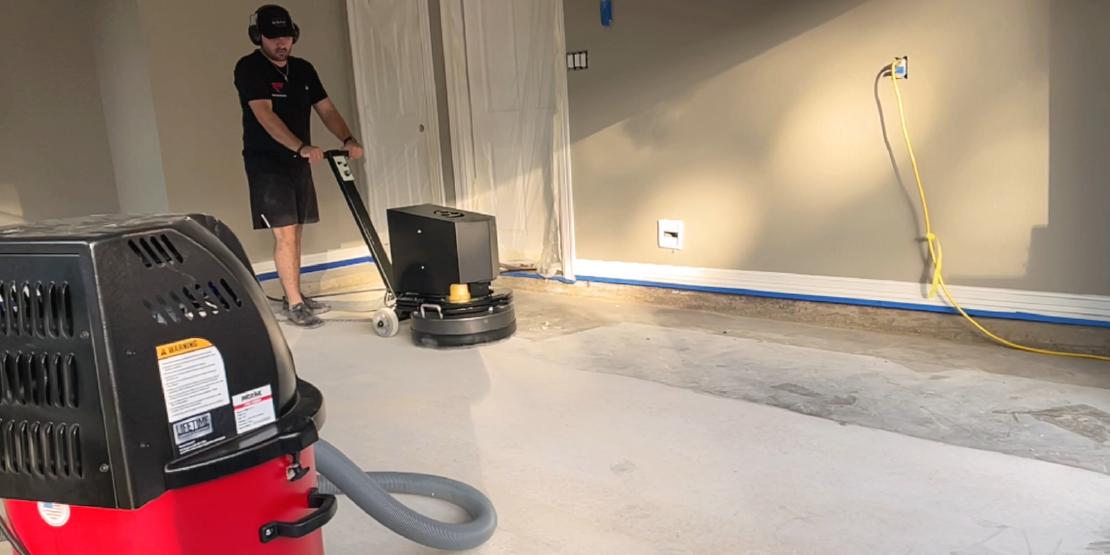
Preparing a historic floor for coating is not a simple task. It involves extensive planning and consideration to ensure that no harm befalls the delicate material. Taking into account the age, condition, type, and original use of the material, adequate steps are taken to safeguard the integrity of the floor. Thus, it is not unusual for the cleaning process alone to take many hours or even days. Intensive treatment with agents specifically designed to preserve the material forms an integral part of this process.
On completion of the thorough cleaning, the material is scrutinized for any potential damage, cracks or inconsistencies. These are meticulously addressed using special fillers and sealants. Care is taken to fill them in a manner that conforms to the original look, as close as possible. It is only after ensuring a sturdy surface free of any debris or dust particles, the floor is ready for the application of the coating. Thus, preparing a historic floor for coating is a diligent process that demands attention to detail.
A Step-by-Step Guide to Applying Coatings on Historic Floors
The application process for coating starts with necessary surface preparation, crucial for long-lasting preservation. Areas that show signs of deterioration or contamination from previous treatments are first addressed. For instance, if the floor contains remnants of paint or sealer, these layers must be efficiently removed. Proactive measures, such as repairing small cracks or holes, also enhance the adhesion of the coating material.
Once the floor is adequately prepared, the actual coating process begins. The specific procedure can vary based on the chosen coating material. Nonetheless, the general approach involves evenly applying a primer coat to provide a stable layer for the subsequent coats. It is typically left to dry for the recommended period. The primer is followed by one or more finish coats, guided mostly by the intensity of the foot traffic anticipated on the floors. After the final coat, it’s essential to allow adequate time for the coating to cure completely before the floor is exposed to use. This prevents immediate wear or failure of the coating.
Addressing Common Challenges in Coating Historic Floors
Coating historic floors is not without unique challenges. Monumental historical flooring materials such as wood, stone, or ceramics each bear their own particular problems during preservative coating processes. Damage from age or wear and tear can lead to an uneven surface, causing complications in achieving a consistent and effective coating layer. Further, because these materials are often porous and breathe naturally, sealing them with synthetic coatings can lead to unintended damage by trapping in moisture or causing chemical interactions.
Specialized knowledge about the diverse range of historical materials and available coating products is essential to address these challenges effectively. For instance, the selection of coating product needs to account for the porous nature of the floor’s materials and the impact of the local environment, such as humidity and sunlight exposure. Additionally, modern coating techniques often have to be adapted to deal with irregularities in the floor level or surface texture. Hence, a careful, meticulous approach in preparation and application is key to ensure a long-lasting, protective, and visually appealing result.
The Role of Professional Restorers in Preserving Historic Floors
Professional restorers play a pivotal role in the preservation of historic floors. With their profound understanding, knowledge and experience in handling different historical materials, they can accurately assess the condition of the floor and determine the best methods of restoration. Their skill set extends beyond mere knowledge of materials and techniques – it also encompasses an understanding of historical contexts and the need to maintain authenticity in preservation works.
Engaging professional restorers ensures the use of techniques that are empathetic to the original floor material and layout. Consequently, they meticulously examine the microscope details of physical properties of the floors as well as the chemical components before suggesting appropriate preservation strategies, ensuring the longevity of the floor. From preempting issues that may arise to systematically addressing them, professional restorers’ role is crucial in safeguarding the integrity and beauty of historic floors.
Maintaining the Coated Floors for Longevity
Preservation of historic floors through a professional coating doesn’t end at the initial application. Just as a well-maintained car might serve you for decades, so will a well-maintained, coated floor. Regular care of these floors is paramount to ensure their longevity, adding years to their lifespan and retaining their aesthetic value. Proper maintenance includes regular cleaning without the use of harsh chemicals, immediate attention to accidental spills and periodic checks for any signs of wear and tear.
Furthermore, it is advised to follow the coating manufacturer’s instructions for floor upkeep. Each coating has individual characteristics that necessitate specific maintenance practices. For instance, some coatings might require a simple dusting and mopping to maintain their sheen, while others might necessitate the application of a special buffer to retain their protective properties. Following these guidelines faithfully will not only ensure the durability of the coating but also its effective function as a preservative barrier.
Impact of Coatings on the Aesthetic Value of Historic Floors
Historic floors have significant aesthetic value, adding allure and depth to structures. Coatings can have a profound influence on this aesthetic, either by enhancing or diminishing it, depending on the type and method of application. Particularly when correctly selected and applied, these protective layers can restore luster, preserve original details, and subtly highlight antique colors and textures. They create an appealing visual continuity that complements the architecture and period decoration of the historic building.
On the other hand, if a coating is not carefully chosen or improperly applied, it can affect the antique floor adversely. An inappropriate coating may alter the natural color, clash with the period aesthetic, or worst of all, irreversibly damage the material underneath. This likelihood underscores the need for expertise in coating selection and application to preserve the timeless beauty of historic floors. Thus, coating is not merely a functional choice for preservation, but also a deliberate aesthetic decision with lasting impressions on the historical property’s appeal.
Case Studies: Successful Historic Floor Preservation Projects
One iconic project illustrating the efficient preservation of historic floors is the restoration work at the Palace of Versailles in France. Known for its opulent and intricate parquet flooring, the palace presented a challenge to restorers due to the extensive wear and tear over centuries. The restorers undertook systematic studies to determine the original materials used and the techniques employed. The work done intricately involved removing the damaged pieces, handcrafting replacements, and piecing them back together, replicating the original design. The outcome was a floor that maintained its historic appearance, thanks to the careful and detailed work of the restoration team.
Another case study focuses on the historic Faneuil Hall in Boston, a structure that dates back to 1742. The centerpiece of the project was the hall’s stunning wide-plank, heart-pine flooring. Despite its resilience, many years of foot traffic had left visible marks on the surface. The restoration strategy involved the use of specialty coatings, selected for their ability to provide protection while retaining the floor’s historical integrity. Multiple layers of coating were applied, each being given ample time to dry, ensuring long-lasting preservation. This case significantly highlights the role of coatings in maintaining the longevity of historic floors.
Future Trends in Historic Floor Preservation and Coating Technology
Historical preservation efforts have always evolved with the advent of time, incorporating innovative techniques and emerging technologies. As we look ahead, significant breakthroughs are anticipated in the way historic floor preservation methods will move beyond traditional practices. Green technology is expected to play a pivotal role in this advancement. New, eco-friendly coating materials, which leave a lower environmental impact while maintaining or even enhancing the floor’s longevity and aesthetics, are making their way into the preservation industry.
In the realm of coating technology, nanotechnology promises to revolutionize the approach. This use of nanomaterials in coatings is predicted to increase resistance to wear and tear, improve durability, and provide better protection against moisture damage – all while preserving the authenticity of historic floors. Similarly, digital technology is expected to simplify the process of floor preservation. Advancements in 3D scanning and imaging will potentially provide a more detailed understanding of floor structure, enabling targeted preservation strategies for each unique floor type and condition.
What is the significance of preserving historic floors?
Preserving historic floors helps to maintain the original craftsmanship and architectural integrity of a historic property. It also protects the floor from further damage and degradation, extending its lifespan.
What are some types of historic floor materials?
Historic floor materials can vary, but they often include hardwood, stone, tile, marble, and sometimes even materials like brick or cobblestone.
Can you explain the science behind floor degradation?
Floor degradation is often due to a combination of factors including wear and tear from foot traffic, exposure to moisture or humidity, and the breakdown of material over time. This process can be exacerbated by other factors like poor maintenance or inappropriate cleaning methods.
Why is coating important in floor preservation?
Coating plays a key role in floor preservation as it provides a protective layer on the surface of the floor. This not only prevents damage and wear but can also enhance the appearance of the material, highlighting its natural beauty.
How do I select the right coating for my historic floor material?
Selecting the right coating will depend on the type of material your floor is made from. Some materials may require specific types of coatings, while others may be more versatile. It’s essential to do your research or consult with a professional to make the best choice.
How are floors prepared for coating?
Coating often involves a multi-step process to ensure that the floor is clean, smooth, and ready for the application of the coating. This can include sweeping, mopping, and sometimes sanding or buffing the floor before the coating is applied.
Can you provide a step-by-step guide to applying coatings on historic floors?
While specifics may vary depending on the type of floor and coating, a general guide would involve cleaning, repairing any damage, applying a primer, applying the coating, and then allowing it to dry.
What are some common challenges in coating historic floors?
Some challenges can include dealing with uneven surfaces, addressing existing damage or wearing, and finding a coating that is compatible with the material of the floor.
What is the role of professional restorers in preserving historic floors?
Professional restorers can provide expert knowledge and skills to effectively preserve and protect historic floors. They can also guide the selection of appropriate coatings and help with their application.
How to maintain the coated floors for longevity?
Regular cleaning with appropriate products, avoiding exposure to excessive moisture, and addressing any damage promptly can help maintain the longevity of coated floors.
Does coating impact the aesthetic value of historic floors?
Yes, a good quality coating can enhance the aesthetic value of a floor. It can bring out the natural beauty of the material and provide a fresh, well-maintained appearance.
Can you provide examples of successful historic floor preservation projects?
The article includes case studies of successful historic floor preservation projects. These projects highlight the methods used and the outstanding results achieved in preserving the floors of these historic properties.
What are the future trends in historic floor preservation and coating technology?
Future trends in this field may include the use of more environmentally friendly materials, advances in coating technology that offer better protection and durability, and greater emphasis on maintaining the authenticity and historical significance of the floors.