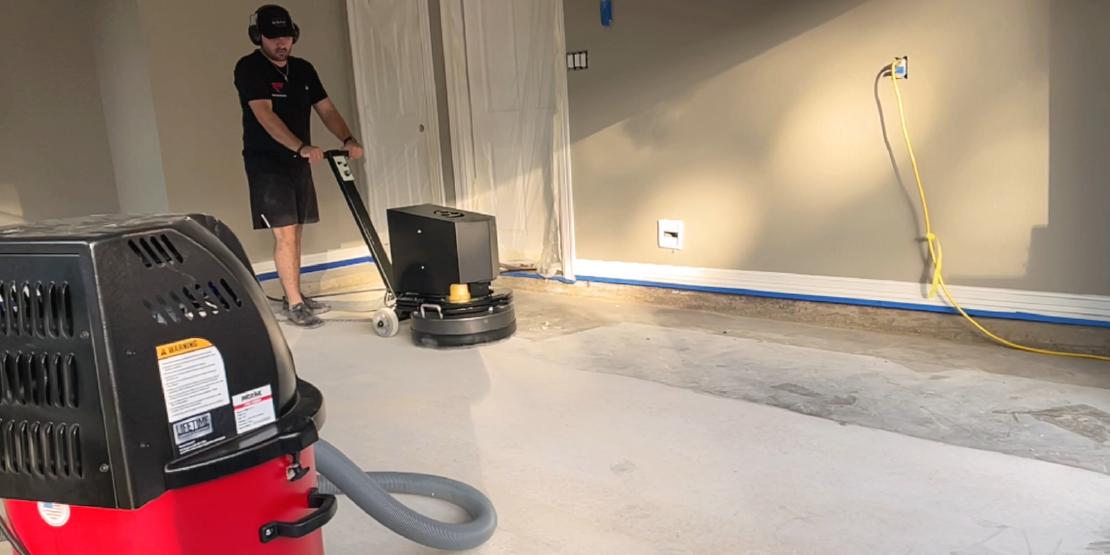

Safe Use of Coating Equipment and Tools
Understanding the Importance of Proper Handling of Coating Equipment
Effective handling of coating equipment is a critical aspect of various industrial processes, particularly in manufacturing and construction sectors. These instruments can include a range of devices, from spray guns and powder coating machines to specialized equipment designed for niche applications. Proper usage not only ensures the production of high-quality, uniform finishes, but also extends the lifespan of these often expensive tools. Aggregate efficiency achieved through correct handling can significantly contribute to a more productive and economically advantageous operation.
On the other hand, improper management can lead to a host of issues. Misuse of coating equipment can accelerate wear and tear, causing malfunctioning or unexpected breakdowns that may disrupt the workflow. Furthermore, incorrect handling can compromise the safety of the workplace. These pieces of machinery, when misoperated, could potentially lead to health risks or even accidents. Hence, adequate understanding and appropriate application of these tools is integral to maintaining safety and operational efficiency.
Identifying Different Types of Coating Equipment and Tools
The world of coating equipment encompasses a wide variety of tools designed for specific tasks. Spray guns are typically used for broad strokes and large surfaces, ensuring a quick and even application. They come in various types, from airless and compressed air to electrostatic spray guns. Meanwhile, brushes and rollers prove effective for detail work and smaller projects. Each category boasts of its specialized designs, such as foam rollers, angle brushes, and nap rollers, to cater to unique coating needs.
Industrial-grade coating tools represent a whole new level of sophistication. Powder coating devices, electrostatic coating tools, dip coaters and vacuum coaters, to name just a few, fall under this category. These tools often necessitate professional handling due to their complex operational requirements and potential risks involved. Understanding the functionalities and proper uses of these coating equipment can significantly improve coating quality and safety in any operation.
Recognizing Potential Risks in Handling Coating Equipment
Handling coating equipment presents a myriad of potential risks that operators must be acutely aware of to ensure their safety, as well as the safety of those around them. The diverse range of coating tools, from spray guns to brush applicators, all carry unique risk factors. Involvement of harmful chemicals, electrical dangers, high operating pressures, and temperature fluctuations are just among the perils one may encounter.
Chemical exposure is a significant risk, as many coating compounds contain toxic, or even carcinogenic substances that can affect the skin, eyes, or be inhaled into the respiratory system. Moreover, electrical hazards are prevalent in coating operations as many of these tools require electricity to function. Mishandling can lead to shocks, burns, or even more severe incidents. High pressures and temperatures used in certain coating procedures like powder coating can cause explosive and burn hazards, highlighting the importance of appropriate handling protocols.
Best Practices for Operating Coating Tools
When operating coating tools, understanding the equipment’s function and method of use is pivotal for efficient results and safety. This understanding curbs misuse, enhances productivity, and improves long-term equipment sustainability. Notably, operators should read the equipment manual thoroughly before operation, familiarising themselves with the integral aspects such as switch controls, pressure adjustments, and cleaning procedures.
Ensuring proper maintenance and regular check-ups is another crucial practice. This boosts the equipment longevity and ensures potential issues are spotted and rectified promptly, avoiding compromise to work quality or workplace safety. Equally important is the proper donning of protective gear such as gloves, eye protectors and respirators designed to shield from harmful chemical exposure or physical mishaps. Effectiveness in operating coating tools therefore, revolves around knowledgeable usage, consistent upkeep, and adherence to safety norms.
Preventing Accidents with Coating Equipment
Mitigating the occurrence of workplace accidents while handling coating equipment hinges on education and meticulous adherence to safety guidelines. Personnel must be trained to understand the potential hazards inherent in the operation of the equipment, as well as the precautions necessary to prevent accidents. Approximately 70% of accidents related to equipment mishandling can be attributed to lack of adequate training or non-adherence to safety measures, reinforcing the indispensability of comprehensive and recurrent safety training.
Safe use of coating equipment extends beyond the operator to include the environment within which the operation is performed. This involves maintaining cleanliness and orderliness in coating workspaces, ensuring no hazardous material or clutter that could precipitate an accident is within reach. Additionally, routine inspection and maintenance of coating tools help to ward off malfunctions that could result in operator injury. In this vein, damaged or faulty equipment should never be used under any circumstances, a ‘When in Doubt, Don’t Use It’ mandate should be strictly enforced.
Maintaining Cleanliness and Order in Coating Workspaces
The condition of a workspace can directly impact the efficiency and quality of operations. It is essential to maintain a high standard of cleanliness, particularly when dealing with coating equipment. Dirt, dust, and other small particles can infiltrate the coating equipment, influencing its performance and the overall quality of the coating process. Cleanliness not only contributes to the accomplishment of uniformly coated product but also prolongs the lifespan of the equipment.
Creating and following a systematic order is equally vital in a coating workspace. This includes organizing tools and materials in a manner that allows for easy access and inventory tracking. Order in the workspace can significantly improve workflow and eliminate the occurrence of hazards due to misplaced items. Proper labeling and allocation of storage spaces for different coating tools and materials are practical ways to ensure an orderly workspace.
Training Requirements for Handling Coating Tools
Operating coating tools demands a considerable degree of familiarity and precision. For novices, it is critical to undergo a comprehensive training program that encompasses the different aspects of handling coating tools. This not only involves knowing how to operate the tools but also understanding their different parts, capacities and limitations. The training program should also delve into the various types of coating equipment, their purpose, and appropriate utilization.
In addition to practical training, a core component of such programs is safety instruction. Workers must be taught about the potential risks in handling coating equipment, the importance of wearing protective gear, and emergency protocols in case of an accidental mishap. Further, meticulous instruction on cleaning, storing, inspecting and troubleshooting is compulsory. Consistent refreshers and assessments can ensure the training stays effective and current, thereby elevating the overall quality of operations.
The Role of Protective Gear in Coating Operations
Protective gear plays a pivotal role in ensuring the safety of individuals involved in coating operations. Its primary goal encompasses safeguarding workers against potential hazards such as chemical burns, eye injuries, respiratory damages, and skin irritations that may occur due to direct exposure to coating materials. Wearing items like safety goggles, face shields, gloves, aprons, and respirator masks are indispensable in these scenarios. This gear forms a barrier between the worker and the hazardous material, thereby significantly reducing the risk of physical harm.
Next, safety footwear is another vital element of the protective gear required for coating operations. Shoes or boots designed specifically for industrial work can prevent crush injuries, punctures, and slips or falls that might occur on a coated surface. These special footwear often have robust soles and reinforced tips to prevent injuries from dropped tools or sharp objects. Similarly, hearing protection such as earplugs or earmuffs should be made available as some coating processes might involve high-decibel noise. It is evident, thus, that comprehensive protective gear is integral to the safety of workers in coating operations.
How to Store Coating Equipment and Tools Effectively
Proper storage of coating equipment and tools is a critical aspect of maintaining their durability and efficiency. Storing them correctly not only prolongs their lifetime but also ensures they are in optimal working condition. This process primarily requires a clean, dry space that protects these pieces of equipment from harsh weather conditions, dust, dirt, and any other potentially damaging elements. Organizing these tools strategically also aids in easy identify and retrieval, which in turn, can significantly decrease the chances of work-related accidents and injuries.
Implementing an innovative storage system will greatly enhance this process. Tools should be safely packed away in their respective cases, while the larger equipment should be securely placed at a designated spot. Coating equipment and tools should be cleaned thoroughly after each use before storage to prevent the build-up of materials that can subsequently affect their operation. It’s essential to store them in a manner that doesn’t expose any sharp parts that could lead to cuts or other injuries. By following these procedures, one would effectively safeguard the lifespan and efficacy of coating tools and equipment.
Proper Disposal Methods for Used Coating Materials
Dealing with used coating materials requires utmost care and consideration. Not only is it essential to respect the environment, but it is also crucial to maintain safety in the work area. Mismanagement of used materials can lead to potential health hazards, pollution, and the inefficient use of resources. Compliance with state and federal regulations is required to ensure that disposal methods are carried out properly.
Disposal of solvent-based products, such as paints and varnishes, involves specific procedures. These materials must never be poured down the drain, rather they need to be collected separately and submitted to a certified waste disposal service. Meanwhile, water-based coatings are typically less hazardous and may be safely washed out under running water after primary treatment processes. Similarly, tools and equipment must be clean and residue-free prior to disposal to prevent contamination. Molded plastic containers and other forms of packaging can be recycled where facilities exist. Remember, proper disposal of used coating materials is not just a matter of environmental responsibility, but it is also a requirement by law.
Routine Inspection and Maintenance of Coating Equipment
Regular assessment of coating equipment is paramount to guaranteeing both the efficiency and safety of operations. This routine analysis should involve visual checks of the machinery, gauging the performance of moving parts and measuring any deviations in output. Any signs of wear and tear should prompt immediate replacements to prevent sudden breakdowns during operations. Bolstered with frequent inspections, such precautionary methods can save time and resources in the long run.
In the realm of maintenance, a systematic and thorough approach works best. Cleaning is an integral part of this routine and should be done with recommended cleaning agents to avoid damage. Corrosion is another common issue that needs addressing; using recommended rust-proofing solutions can extend the life of the equipment. Such practices will not only prolong the service life of tools but also drastically improve the quality of coatings applied.
Troubleshooting Common Problems with Coating Tools
Despite the impressive capabilities of modern coating tools, they are not immune to malfunctions and technical hitches. Common problems usually encountered when working with this equipment include uneven coating, inconsistent flow rate, or operational failures. To meticulously troubleshoot these issues, understanding the nature of the equipment, their functionalities, and possible triggers of breakdown are essential.
The steps to troubleshoot these problems usually depend on the specific type and model of the coating tool. However, some general approaches can be employed. Firstly, always ensure the tool is clean, as dirt or debris can often cause operational issues. This includes checking for any clogs or blockages that might be causing inconsistencies in the flow rate. If the tool is still not functioning properly, consider consulting the user’s manual or reaching out to a professional technician. These techniques can often resolve many of the common problems faced when working with coating tools.
Creating a Comprehensive Safety Protocol for Coating Operations.
To ensure maximum safety during coating operations, it is vital to create a comprehensive safety protocol. The primary element of this protocol should be extensive training, ensuring all personnel involved are familiar with every aspect of both the coating equipment and the use of protective gear. Training not only includes understanding the functions of each piece of equipment, but also identifying and mitigating potential risks, troubleshooting common problems, and maintaining cleanliness and order in the workspace.
Furthermore, a comprehensive safety protocol also includes thorough and regular inspection of tools and equipment for any necessary maintenance or repairs. This proactive approach helps in preventing unexpected equipment failure that might lead to accidents. Additionally, the proper storage and disposal methods for used coating materials should also be an integral part of the safety protocol to reduce environmental hazards and prevent mishaps, thus further enhancing safety in coating operations. • Regularly updating and reinforcing safety training: This should be a continuous process, not just a one-time event. The more familiar the staff is with the equipment and procedures, the lower the chances of accidents occurring. Training sessions should also include emergency response drills to ensure all personnel know how to react in case of an accident.
• Implementing regular inspections: All tools and equipment used in coating operations must undergo routine checks for any signs of wear and tear or malfunction. These inspections can help identify potential issues before they escalate into serious problems that could jeopardize safety.
• Maintaining cleanliness and orderliness: A clean workspace is not only conducive for efficient work but also crucial for maintaining safety. It minimizes risks associated with tripping hazards, chemical spills, or fire incidents due to accumulated flammable materials.
• Establishing clear guidelines on protective gear usage: Every person involved in coating operations must understand when, where, and why personal protective equipment (PPE) needs to be worn. They should also know how to properly don it before starting their tasks.
• Ensuring proper storage and disposal methods: Used coating materials can pose both environmental hazards as well as health risks if not handled correctly. Therefore, implementing strict rules regarding their storage and disposal is essential.
• Encouraging open communication about safety concerns: Staff members should feel comfortable raising any safety-related concerns without fear of repercussions. This will enable management to address these issues promptly thereby reducing potential risks.
In conclusion, creating a comprehensive safety protocol requires meticulous planning combined with consistent implementation across all levels within an organization engaged in coating operations.
Why is it important to understand the proper handling of coating equipment?
Understanding the proper handling of coating equipment is crucial to prevent accidents, maintain efficiency in operations, and prolong the lifespan of the tools.
What are some types of coating equipment and tools?
Some common types of coating equipment and tools include spray guns, rollers, brushes, and coating and spraying machines.
What are the potential risks in handling coating equipment?
Potential risks can include chemical exposure, physical injuries from improper handling, and damage to the equipment due to mishandling or misuse.
What are the best practices for operating coating tools?
Best practices include proper training, using protective gear, following manufacturer’s instructions, regular maintenance, and good housekeeping.
How can accidents with coating equipment be prevented?
Accidents can be prevented by implementing a comprehensive safety protocol, providing adequate training, maintaining cleanliness and order, and regular inspection and maintenance of equipment.
What is the significance of cleanliness and order in coating workspaces?
Maintaining cleanliness and order in coating workspaces can prevent accidents, improve efficiency, and prolong the life of the equipment.
What kinds of training are required for handling coating tools?
Training may include proper use of equipment, understanding potential risks, first-aid responses to accidents, and knowledge on the safe disposal of used coating materials.
How does protective gear play a role in coating operations?
Protective gear can significantly reduce the risk of exposure to hazardous materials, prevent physical injuries and ensure the safety of workers.
What are some effective ways to store coating equipment and tools?
Coating equipment and tools should be stored in a clean, dry place, away from extreme temperatures or humidity. They should also be properly organized for easy access and prevention of accidents.
What is the correct method to dispose of used coating materials?
Used coating materials should be disposed of according to local regulations, potentially as hazardous waste. It is important to not pour them down drains or into the environment.
How often should routine inspection and maintenance of coating equipment be carried out?
The frequency of inspections and maintenance may vary depending on the type of equipment and its usage, but a general rule is to conduct checks regularly to ensure the equipment is in good working condition.
What are some common problems with coating tools and how can they be troubleshooted?
Common problems may include clogging, uneven application, or mechanical faults. Troubleshooting can involve cleaning, adjusting settings, or seeking professional repair.
How to create a comprehensive safety protocol for coating operations?
A comprehensive safety protocol should include proper training, use of protective gear, regular inspections, maintenance schedules, clean workspace standards, proper storage and disposal methods, and a plan for responding to accidents or emergencies.