
Safety and Compliance Standards for Contractors
Understanding the Importance of Regulatory Guidelines for Building Professionals
Regulatory guidelines play an integral role in maintaining safety and lifting professional standards in the construction sector. Building professionals are mandated to adhere to these set principles and ethical codes, thereby ensuring a safe and efficient environment that complies with public and occupational safety norms. The guidelines serve as a roadmap, aiding in the assessment and management of professional practices and worksite hazards. They provide a foolproof mechanism for mitigating potential risks and for streamlining operations through best standards.
Regulations encompass a broad range of areas in construction, including structural design, materials usage, workmanship, fire safety, energy efficiency, and accessibility, among others. Non-compliance to these guidelines can lead to severe consequences, including legal actions and hefty fines. Thus, understanding and execution of these regulatory directives is a key responsibility of building professionals. It not only protects them from liabilities but also helps in maintaining a sustainable and safe construction environment.
Detailed Overview of Occupational Health Measures for Construction Workers
Worksite safety is a paramount concern within the construction industry, and falls under the umbrella of occupational health measures. These measures include a variety of practices and policies designed to maintain the health and safety of every individual involved in the construction process. As part of their duties, it is essential for construction professionals to implement workplace safety training, regular safety audits, and risk analysis assessments.
Access to personal protective equipment (PPE) also falls within the realm of occupational health measures. PPE such as helmets, protective clothing, safety goggles, and boot covers, is invaluable in enhancing workers’ health and reducing potential injuries. Additionally, enforcing practices that limit exposure to hazardous materials like lead, asbestos, and silica can significantly lower disease risk. Regular health check-ups along with swift, appropriate response to health concerns also form integral parts of these measures.
The Role of Personal Protective Equipment (PPE) in Construction
Personal Protective Equipment, often referred to as PPE, is vital to the safety of construction workers. These items create an essential barrier between the worker and potential occupational hazards, reducing the risk of injury or illness. PPE can range from helmets and protective footwear, shielding users from falling debris, to gloves and safety glasses, preventing exposure to harmful substances or environments. Role of PPE thus becomes pivotal in ensuring workers’ safety in a construction setting.
PPE application is not merely about having access to this equipment, but also understanding how to use it properly. Training professionals on the correct use and maintenance of PPE is just as imperative to worker safety. Misuse or failure to maintain PPE effectively can result in compromised safety, leading to potential workplace accidents. This highlights the importance of regular training and awareness sessions about PPE use in construction work, underscoring its importance in creating a safe work environment.
Understanding the Requirements for Safe Machinery Handling
Machinery handling has a significant role in the construction industry and it’s imperative that regulations are strictly adhered to. The Occupational Health and Safety Administration (OSHA) enforces stringent guidelines regarding the safe usage of various machinery and equipment. These comprehensive guidelines are designed to raise awareness and reduce the incidence of injury or even death that could occur due to unsafe machinery handling or usage. Worker safety remains the utmost priority, hence, adherence to these regulations can reduce workplace accidents and save lives.
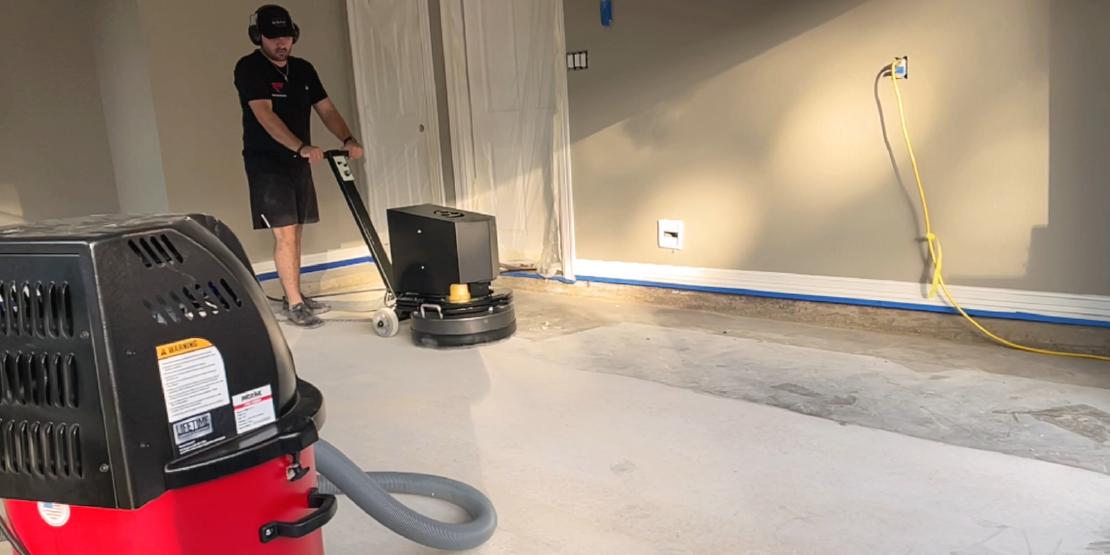
Regulations regarding safe machinery handling cover a wide range of aspects, including but not limited to, the successful operation of the equipment, regular maintenance, and the application of safety measures such as the utilization of Personal Protective Equipment (PPE). Training employees thoroughly on these aspects is an essential part of these requirements. This includes both theoretical knowledge about the machinery and practical hands-on experience under strict supervision. By ensuring safety regulations are met and followed consistently, construction sites can be a safer environment for all workers.
The Necessity of Proper Materials Handling and Storage
In the construction industry, an integral part of ensuring safety and operational effectiveness lies in laying down procedures for materials handling and storage. The layman may perceive these tasks as being merely about moving and placing items, but in actuality, they encompass a wide array of specializations. These range from the management of raw materials, in-process inventory, and finished goods from point of origin to point of consumption. The systems developed to facilitate such tasks are instrumental not only in meeting project timelines but also preventing potential accidents on-site.
Proper materials handling and storage consequently minimize mishaps, streamline operations, and boost productivity. Heavy items should always be stored at ground level to avoid the risk of falling objects. Additionally, ensuring clear paths for the transportation of materials can significantly decrease the chances of collisions and worker injuries. Ergonomic principles too should be incorporated into material handling tasks to reduce worker fatigue and prevent musculoskeletal disorders. Finally, hazardous materials ought to be correctly labelled and stowed in designated areas in accordance to regulatory guidelines, to safeguard the health and wellbeing of all construction personnel.
The Importance of Fire Prevention Strategies in Construction
Fire prevention strategies play a pivotal role in the world of construction, safeguarding projects, personnel, and valuable assets from potential catastrophe. Construction sites, laden with combustible materials and often engaged in operations involving heat or sparks, are highly susceptible to fires. Therefore, the execution of stringent security measures becomes crucial in mitigating potentially disastrous situations.
Initiating and adhering to fire prevention protocols not only protect lives but also significantly reduce the probability of financial loss due to fire related incidents. This involves identifying and controlling fire hazards, implementing and maintaining fire protection equipment, and conducting regular fire safety training for workers. Furthermore, adherence to these strategies demonstrates a company’s commitment to safety, positively influencing its reputation in the industry.
The Role of Environmental Protection in Construction Practices
Environmental protection is not merely an ethical obligation but also a fundamental aspect for any construction project. This is because such practices significantly influence the longevity of the project, as well as the health and well-being of the surrounding ecosystems. They help in conserving natural resources, mitigating the impact on local habitats, and, most importantly, in reducing pollution. This makes the establishment of effective environmental control measures throughout the entire construction process an absolute necessity.
In the implementation of such protection measures, construction professionals are required to consider multiple factors. These include waste and water management, air quality control, and noise reduction. Notably, adherence to established regulations and guidelines can greatly assist in this regard. They provide a comprehensive blueprint on how to incorporate and execute these critical environmental-friendly strategies effectively, ensuring a balance between the project execution and environmental conservation. Moreover, innovative technologies and sustainable materials play a significant role in promoting environmental protection within the construction industry. They offer practical solutions to reduce energy consumption, waste production, and overall carbon footprint while improving project efficiency.
• Utilizing renewable resources: The use of solar panels or wind turbines during construction can significantly reduce reliance on fossil fuels. This not only conserves non-renewable resources but also reduces greenhouse gas emissions.
• Waste management: Proper disposal of construction debris is critical to avoid pollution. Recycling or reusing materials wherever possible can help minimize waste generation.
• Water conservation: Implementing water-efficient systems like rainwater harvesting or greywater recycling helps save fresh water resources and reduces the strain on local water supplies.
• Noise control: Using quieter machinery or implementing noise reduction techniques during operation hours minimizes disturbances to nearby communities.
Lastly, it’s important for all stakeholders involved in a construction project - from architects and engineers to contractors and workers - to understand the importance of environmental protection measures. Regular training sessions should be conducted to ensure everyone is aware of their responsibilities towards maintaining an eco-friendly site environment.
• Training programs: These should focus on current best practices for reducing environmental impact as well as keeping up-to-date with new regulations and guidelines.
• Awareness campaigns: Frequent reminders about the importance of sustainability can reinforce good habits among employees, leading them towards more environmentally responsible behavior.
In conclusion, incorporating effective environmental protection strategies into every stage of construction processes is crucial for achieving sustainable development goals. It ensures that our built environment contributes positively towards preserving natural ecosystems rather than causing irreversible damage.
Understanding the Implication of Building Codes and Regulations
Building codes and regulations represent the basic blueprint for safety and quality control in the construction industry. They provide the necessary guidelines that ensure all construction activities meet a benchmark for quality, safety, and environmental preservation. These acts of legislation promise that buildings will not only be durable, but also safe for habitation while posing no harm to the surrounding environment.
Non-compliance to these codes and regulations bring forth serious repercussions ranging from fines and penalties, to outright closure of construction sites. In extreme cases, contravention of certain regulations may also lead to criminal charges and prison sentences. Therefore, a thorough understanding and adherence to these regulations is not just desirable, but an absolute necessity for all players within the construction industry.
The Relevance of First Aid Training in Construction Work
In the high-risk world of construction, having a strong understanding of first aid measures is not just beneficial, it’s imperative. Construction sites are hotspots for unexpected injuries and accidents, warranting a team well-versed in immediate response methods. First aid training equips workers with the required skills to tackle medical emergencies, potentially saving lives or preventing severe injuries on the worksite. This knowledge can bridge the gap between a minor accident and a life-threatening situation, marking its paramount importance in construction-related careers.
Administering first aid within the ‘golden hour’ - the initial period after an injury - can drastically reduce the repercussions. It is during this critical period that proper first aid can mitigate the severity of the injury, decrease recovery time, and cut down on the probability of permanent disability. Therefore, it is pivotal that each member of the construction crew is equipped with the necessary knowledge and techniques to act decisively and immediately in the face of a medical emergency. Essential first aid training is a powerful tool in the arsenal of any construction worker’s safety measures.
The Vitality of Regular Safety Training for Construction Workers
Regular safety training plays an indispensable role in mitigating potential hazards that construction workers may face on a daily basis. The construction industry is inherently fraught with risks; from operating heavy machinery to handling hazardous materials, the range of potential dangers is vast and varied. Regular safety training equips employees with the knowledge and skills needed to recognize these risks and effectively respond if an accident occurs.
Despite the initial investment in time and resources, the long-term benefits of safety training for construction workers far outweigh the costs. Increased employee confidence and reduced workplace accidents lead to significant improvements in productivity and efficiency. Not only does safety training ensure regulatory compliance, but it also helps to foster a safety-conscious work culture, reducing the likelihood of costly litigation or penalties from non-compliance. Ultimately, maintaining a regular safety training regime is a strategic investment in the overall success and longevity of the construction business.
The Effect of Non-compliance on Construction Business
Non-compliance with construction and building regulations can severely impact a construction business. In an industry that’s meticulously scrutinized and thoroughly regulated, the consequences of non-adherence can range from monetary penalties to stop-work orders and legal consequences which can ultimately mar reputations and hamper the trust clients have in the business. The direct financial implications, such as fines and penalty fees, can have a strong, immediate impact on the bottom line of the business.
The ripple effect of non-compliance can be far more damaging long term. In many jurisdictions, repeated violations of building codes or safety regulations can result in the revocation of professional licenses, ultimately causing business closure. Furthermore, non-compliance can also lead to increased insurance premiums. The incidents, inspections, and investigations caused by non-compliance inevitably delay the project timeline, leading to additional costs and potential contractual penalties. This can also negatively impact relationships with clients, subcontractors, and suppliers. Thus, the effects of non-compliance in construction business are profound, stirring not just financial blows but battering the business stature that can take years to recover.
Strategies for Ensuring Ongoing Adherence to Regulations
In cementing an organizational culture rooted in safety, it’s of essence to institute programs and strategies that ensure ongoing adherence to regulations. Compliance relies heavily on consistent awareness and training interventions aimed at reinforcing the gravity of regulatory measures and their role in maintaining a safe construction environment. It necessitates the inception and application of regular training schedules, efficient communication channels, audits, and assessments - all acting in unison to encapsulate the importance of adhering to rules and procedures. Moreover, the integration of technology can foster a streamlined compliance landscape through automated checking and reporting systems.
Furthermore, accountability escalates the rate of adherence to regulations. A culture that hails accountability while managing non-compliance in a fair but firm manner, can promote a commitment to safety obligations. The power of positive reinforcement and disciplinary sanctions both play pivotal roles. Moreover, the implementation of performance-based rewards linked to compliance demonstrates recognition and encouragement, fostering an environment governed by adherence to safety regulations, practicing caution, and promoting welfare within the construction sector. Now, it is equally important to tailor measures to specific job roles and tasks, an aspect that amplifies the efficacy of these strategies.
Evaluating and Improving Compliance Practices in Construction Industry.
Modern construction practices necessitate the stringent adherence to industry standards and regulations. The evaluation of compliance practices involves analysing the effectiveness of the current safety procedures, use of Personal Protective Equipment (PPE), machinery handling, and adherence to building codes among others. In-depth audits and routine workplace inspections play a pivotal role in this regard, acting as effective tools in identifying areas of non-compliance or potential risks. By implementing these evaluation measures, construction firms can mitigate potential threats to worker safety and also protect themselves from legal repercussions and financial liabilities.
Once the evaluation phase is concluded, improving compliance practices becomes the next focal point. Improvement strategies should be appropriately tailored to address all identified areas of concern. This may include necessary adjustments in safety protocols, enhanced safety training for workers, efficient use of PPE, or revisiting the building codes to ensure maximum compliance. It’s crucial to establish a culture of safety within the construction firm, backed by robust policies and regulations. This not only enhances worker safety but also optimizes overall operation efficiency.
Why are regulatory guidelines important in the construction industry?
Regulatory guidelines set clear standards and requirements for the construction industry to ensure the safety and protection of workers, the environment, and the public. They help to prevent accidents, injuries, and violations of law, and they can also improve the quality of construction projects.
What are occupational health measures in construction?
Occupational health measures in construction encompass a range of safety standards and protocols designed to protect the health of construction workers. These may include guidelines for physical safety, use of protective equipment, proper handling and storage of materials, fire prevention, and provision of first aid.
What is the role of Personal Protective Equipment (PPE) in construction?
PPE plays a critical role in the construction industry in safeguarding workers from various hazards. This can include items such as hard hats, safety glasses, high-visibility clothing, safety footwear, gloves, and harnesses. Effective use of PPE can reduce the risk of injury and illness on construction sites.
Why is safe machinery handling important in construction?
Safe machinery handling is essential in construction to prevent accidents and injuries. It requires proper training, regular maintenance of equipment, and adherence to safety protocols.
Why is proper materials handling and storage crucial in construction?
Proper materials handling and storage in construction is important for preventing accidents, injuries, and damages. It ensures materials are available when needed, maintains the quality of materials, and ensures a safe and organized work environment.
What is the significance of fire prevention strategies in construction?
Fire prevention strategies are crucial in construction to protect workers, the public, and the infrastructure being built. They involve identifying potential fire hazards, implementing measures to prevent fires, and having plans in place to respond to fires if they occur.
How does environmental protection fit into construction practices?
Environmental protection in construction practices involves minimizing the negative impact of construction activities on the environment. This can include waste management practices, pollution control measures, and the use of sustainable materials and methods.
How do building codes and regulations impact construction work?
Building codes and regulations set the standards for construction work. They govern the design, construction, and maintenance of buildings to ensure safety, health, and welfare of the people who use them.
Why is first aid training important in construction work?
First aid training is important in construction work as it equips workers with the skills and knowledge to respond quickly and effectively to medical emergencies on site. This can save lives and minimize the severity of injuries.
What are the consequences of non-compliance in the construction industry?
Non-compliance in the construction industry can lead to serious consequences such as fines, legal penalties, work stoppages, injuries and even deaths. It can also damage the reputation of the business and lead to loss of clients and contracts.
How can adherence to regulations in the construction industry be ensured?
Adherence to regulations can be ensured through regular safety training, strict enforcement of safety rules, maintaining up-to-date knowledge of regulations, conducting regular audits and inspections, and fostering a culture of safety.
How can compliance practices in the construction industry be evaluated and improved?
Compliance practices can be evaluated through regular audits, inspections, and reviews. Improvements can be made by identifying areas of non-compliance, implementing corrective actions, continuous training, and maintaining open communication about safety and compliance issues.