
Safety Considerations in Floor Repair and Renovation
Assessing the Condition of Your Floor
Before embarking on any kind of floor repair or renovation, the existing condition of the flooring is a pivotal factor to consider. This initial evaluation gives a holistic view of the extent of damage, informs the choice of repair approach, and predicts the possible challenges that may arise during the process. One should look out for symptoms such as cracks, warping, discoloration, stains, and other signs of wear and tear. Areas with high traffic usually show faster deterioration.
The assessment should not just skim the surface, the subfloor condition is equally important. This primarily concerns materials like hardwood or tiles that have layers beneath the surface. An unstable or damp subfloor can become a significant problem in the course of repair or renovation. Tools such as moisture meters and infrared thermometers may help evaluate the integrity of the subfloor. This in-depth inspection saves from the threat of unforeseen issues cropping up mid-renovation, ensuring smooth and efficient execution of the renovation project.
Determining the Right Tools for Floor Repair
Choosing the perfect tools for your floor repair project is paramount to achieve a rewarding result. This process starts with understanding the specifics of the flooring material at hand. For instance, hardwood floor repairs call for saws, prying bars, and hammers. A robust staple gun or flooring nailer may also be essential for securing replacement strips or planks. In contrast, tile repairs might necessitate a handheld grout saw, scrapers, and a notched trowel. Equally important is possessing a suitable adhesive or mortar and grout to bind your replacement tiles firmly.
Inexplicably, many overlook the importance of acquiring the correct safety equipment, failing to comprehend that these too are ‘right tools’. Essentials such as heavy-duty gloves, safety glasses, and knee pads can significantly reduce the risk of injury whilst working. Remember, power tools like a wet saw or power drill involve inherent risks that require appropriate protective measures. All in all, a successful floor repair not only hinges on skill but having the right arsenal of tools. Dedicating time to research and acquire all necessary tools beforehand will make your repair work faster, safer, and more efficient.
Understanding the Risks of Working with Various Flooring Materials
Different types of flooring materials present distinct challenges and hazards during repair or renovation. Hardwood floors, for instance, may splinter or crack, posing risk of injuries. Ceramic tiles, on the other hand, are brittle and can easily break into sharp pieces if not handled properly. Furthermore, each flooring type may release different substances when cut or sanded. For example, older vinyl flooring sometimes contains asbestos, a known carcinogen, while some wood varnishes emit toxic volatile organic compounds (VOCs).
Notably, exposure to these risks varies throughout the repair process. Activities like removing old flooring or sanding surfaces often increase the chance of dust inhalation and contact with harmful substances. Moreover, improper handling of power tools can also lead to accidents, particularly when working with tough materials such as concrete or stone tiles. Therefore, it’s crucial for renovation personnel to be aware of the potential hazards associated with different flooring materials, and adopt appropriate safety measures to mitigate these risks.
Recognizing the Importance of Proper Ventilation during Renovation
Proper ventilation during renovation activities is a pivotal aspect of maintaining a safe environment. While undertaking tasks such as floor repair, numerous dust particles and potentially harmful substances can disperse into the air. Prolonged exposure can result in respiratory ailments or other health complications. Therefore, it is essential to ensure effective ventilation systems are in place to circulate clean air and remove harmful particulates.
Appropriate ventilation serves dual purpose: it not only aids in the reduction of air pollutants but also helps keep temperature and humidity under control during renovation activities. This ensures workers are comfortable and their productivity levels remain unaffected. It’s important to remember, however, that ventilation alone may not be capable of eliminating all risks; it should be complemented by proper protective gear and efficient work practices.
Wearing Appropriate Personal Protective Equipment during Floor Repair
When embarking on a floor repair project, the individual’s safety is paramount. The use of appropriate Personal Protective Equipment (PPE) is one critical aspect that should not be overlooked. PPE serves as the first line of defense against potential health hazards and physical injuries. Depending on the specific nature of the floor repair task, various types of PPE may be necessary, including but not limited to safety glasses, respirator masks, hard hats, earplugs, protective clothing, and work gloves.
The selection of the right PPE is not a decision to be taken for granted. Various factors such as the type of flooring material, tools used, the quantum of dust produced should be considered. For instance, safety glasses shield the eyes from debris, while respirator masks protect against inhalation of harmful particles or fumes. In situations where heavy machinery or tools are used, wearing a hard hat and protective boots can prevent potentially severe injuries. Therefore, comprehending and implementing the proper use of PPE not only ensures safety but can also increase productivity by providing the wearer with the necessary comfort and agility during the task.
Implementing Safe Handling of Equipment and Materials
Understanding the correct ways to handle equipment and materials during floor repair is crucial to ensure the safety and success of the project. Both the tools you use and the materials you work with pose different hazards if handled incorrectly. Therefore, it’s essential to closely follow manufacturer’s instructions, particularly when using powerful or specialized equipment such as nail guns and saws. Likewise, when dealing with materials such as adhesives, sealants, or solvents, it’s critical to abide by the recommended usage guidelines.
Proper storage of materials is equally significant. Carelessness may result in accidents like spills, slips, or falling objects that can cause injuries or harm. By implementing safety procedures like keeping workspaces tidy and clear of clutter, properly stacking and storing materials, and ensuring that dangerous substances are securely sealed and correctly disposed of when completed, workers can greatly reduce the risk of accidents and injuries. Safety should always be the ultimate priority, and this is achieved only by conscientious handling and usage of equipment and materials.
Avoiding Slips, Trips, and Falls during Floor Renovation
When embarking on floor renovation tasks, the chance of encountering slips, trips, and falls increases dramatically. Working in a space cluttered with tools, materials and debris can create a myriad of hazards which could lead to potential injuries, or at worst, life-threatening accidents. Therefore, it is essential to maintain an orderly and clean work area at all times. Organized tools and equipment, timely disposal of waste materials, and regular sweeping can remarkably enhance the safety of the site.
Likewise, using protective footwear plays a pivotal role in preventing these accidents. Boots or shoes with a strong grip are recommended to maintain stability even on slippery surfaces. On the same note, awareness and careful movements also contribute significantly in avoiding these hazardous incidents. Refrain from walking or moving hastily, especially on damp or newly cleaned areas. Employing these safety measures can vastly improve the safety of the work site during floor renovation.
Preventing Dust and Debris Hazards in Floor Repair
During the process of floor repair, dust and debris can potentially lead to hazards, with health consequences ranging from minor irritations to serious respiratory conditions. Primary culprits are fine particles from concrete, wood, drywall, or insulation, which can become airborne upon disruption. When breathed in, these particles can exacerbate allergies, trigger asthma attacks, or even lead to permanent lung damage. Dust prevention thus becomes an essential aspect of any renovation project.
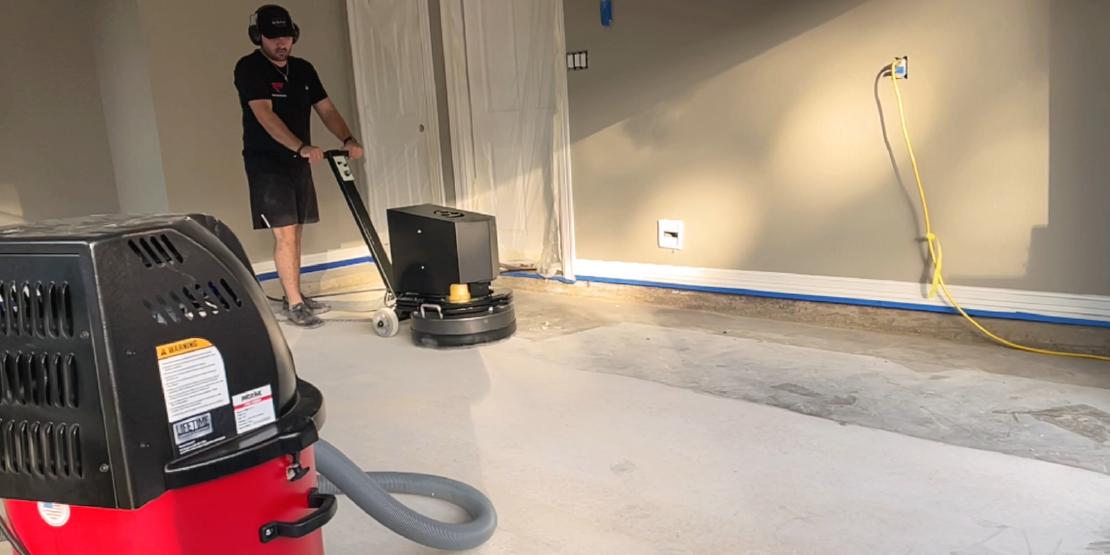
Exposure to dust can be significantly reduced with the use of dust control systems, including portable air cleaners, air scrubbers, or dust extractors. Proper sealing off areas undergoing the renovation to prevent spread of dust particles around the home or construction site and employing wet-cutting or wet-sanding methods when dealing with wood and concrete is advisable. To further minimize inhalation risk, dust masks or high-quality respirators should be worn by those conducting the work, ensuring an added layer of protection against airborne particles.
Managing Noise Levels and Vibration Risks during Renovation
Renovation projects typically involve the use of power tools and machinery that can emit high levels of noise and vibrations. These factors can lead to potential harm if not managed properly. Prolonged or frequent exposure to intensive noise can lead to various health issues, including stress, hearing loss, sleep disturbances, and even cardiovascular problems. Similarly, vibrations produced by heavy construction tools can pose their own risks, from physical discomfort to loss of motor function due to prolonged exposure.
In light of these risks, it’s essential to implement effective measures to manage noise levels and vibrations during a renovation project. One strategy, for instance, can involve using tools and machinery designed to operate with minimal noise and vibration output. Additionally, implementing break schedules can help limit prolonged exposures, while physical barriers and distance can be used to dampen the impact of noise on individuals nearby. Personal protective equipment like earplugs and anti-vibration gloves can also offer significant protection.
Mitigating the Risk of Chemical Exposure in Floor Renovation
When renovating floors, exposure to harmful chemicals is a significant risk that cannot be ignored. Various substances, including adhesives, sealants, and even the materials used in flooring products, may harbor dangerous elements. In fact, certain chemicals used in the renovation process are potentially dangerous when inhaled or come into physical contact. Thus, the proper implementation of safety measures and procedures are absolutely essential to minimize chemical exposure during floor renovation.
The first step in mitigation involves familiarizing oneself with the Material Safety Data Sheets (MSDS). These provide critical information about the chemicals in use, including any associated hazards, protective measures, and proper handling. Personal Protective Equipment (PPE) such as masks, gloves, and safety goggles should be worn whenever handling these substances. Adequate ventilation is crucial in mitigating the risks of chemical exposure. Using fans or opening windows can be effective in displacing airborne chemicals. Lastly, proper storage and disposal methods for these chemicals are vital to maintain a safe renovation site. Diligent adherence to these strategies can significantly reduce the risks associated with chemical exposure during floor renovation.
Strategies for Safe Disposal of Renovation Waste
Floor renovation can generate a considerable amount of waste, including dust, debris, old flooring materials, and chemical substances. The safe and responsible disposal of these materials is critical to protect the environment and meet legal requirements. Renovation waste needs careful sorting, where recyclable and reusable materials are separated from other wastes. Contractors need to identify local waste disposal centers that accept different types of renovation waste, and they should transport the waste in safe and approved styles.
Moreover, hazardous waste, such as asbestos-containing materials or lead-based paints, pose significant health and environmental risks. Workers should seal such waste in robust, leak-proof containers, clearly mark them as ‘hazardous’, and ideally, use a licensed hazardous waste carrier for disposal. It is essential to remember that safe waste disposal is a vital component of any renovation project. In addition to minimizing potential harm, it also safeguards businesses from legal repercussions associated with improper waste management.
Emergency Preparedness and Response during Floor Repair
Emergency preparedness is a crucial component of any successful floor repair project. It includes planning for incidents that could potentially occur during the course of work, thus swiftly reacting and averting significant injuries or more comprehensive damage. Before starting a job, the first line of defense should be clearly outlined procedures for major incidents such as fires, chemical leaks or appearing of unexpected hazardous materials. Creating an evacuation plan, identifying all viable emergency exit routes, and placing appropriate safety equipment, including fire extinguishers and first aid kits at accessible locations, is critical in reducing potential hazards.
Floor repair activities can be quite complex, often involving tools, machinery, and materials that pose a threat if mismanaged. Hence, an effective response mechanism comes into play when unforeseen accidents happen. It can be as simple as training workers on how to respond to minor injuries or as complex as teaching them how to react to potentially life-threatening situations. Coordinating with local emergency services, such as fire and hospital departments, is also beneficial in rapidly addressing significant incidents. In the event of an accident, a proper response could be the difference between a minor inconvenience and a catastrophic event.
Post-Renovation Cleaning: Ensuring a Safe Environment
Regular and diligent cleaning is crucially important after any renovation project, but particularly so after floor repair. This process is not just about returning your reconditioned space to a fresh and inviting state; it plays a key role in eliminating remaining contaminants and hazards that may lurk in dust and debris. Dust, if left unattended, can irritate skin, eyes, and respiratory systems, while uncollected debris may serve as potential tripping risks. Therefore, thorough post-renovation cleaning guarantees a safe and clean living environment.
High importance is placed on the utilization of appropriate equipment such as vacuum cleaners with high-efficiency particulate air (HEPA) filters for dust particles and damp mops for hard surface floors. These tools, combined with the correct cleaning products, ensure comprehensive removal of dust and debris without causing potential damage to the renovated floor. In addition, wearing personal protective equipment like gloves and masks during cleaning protects individuals from potential risks. Ultimately, vigilant post-renovation cleaning is a critical step towards ensuring a safe environment after a floor repair project. The following steps provide a comprehensive guide to effective post-renovation cleaning:
• First, begin by clearing all large pieces of debris manually. It’s important to remove any nails, screws or shards of material that could pose a risk.
• Next, use vacuum cleaners equipped with high-efficiency particulate air (HEPA) filters. These devices are specifically designed to trap dust particles and prevent them from being recirculated into the air.
• For hard surface floors, damp mops should be used after vacuuming. This helps pick up any remaining dust particles and also prevents potential scratching or damage to the floor.
• Use appropriate cleaning products tailored for your specific type of flooring. Certain chemicals may cause discoloration or other forms of damage if not suited for the material in question.
• Ensure personal protective equipment is worn during the cleaning process such as gloves and masks. This will protect individuals from inhaling potentially harmful dust particles and coming into contact with sharp debris items.
After completing these steps diligently, you can rest assured that your renovated space is not only aesthetically pleasing but also safe and clean for occupants.
Remember that failing to thoroughly clean after renovation projects can lead to several problems including:
• Potential health risks: Dust left unattended can irritate skin, eyes, and respiratory systems causing discomfort or even serious health issues over time.
• Physical hazards: Uncollected debris may serve as tripping risks leading to physical injuries.
Therefore it’s clear that thorough post-renovation cleaning plays an integral role in ensuring a safe environment after any renovation project - especially so when dealing with floor repairs due its direct impact on daily movement within the living space.
Why is it necessary to assess the condition of the floor post-renovation?
Assessing the condition of the floor post-renovation is crucial to identify any potential hazards such as protruding nails, loose boards, or unlevel surfaces that can cause accidents. It also helps determine whether further repair or cleaning is needed to ensure a safe environment.
What factors should I consider when choosing tools for floor repair?
When choosing tools for floor repair, consider the type and extent of the damage, the material of the floor, and the safety features of the tools. It’s also important to use tools that you are comfortable and experienced with to minimize risks.
What risks are associated with different flooring materials during renovations?
Different flooring materials can present various risks during renovations. For example, asbestos in old floor tiles can be hazardous if disturbed, and certain wood treatments can be toxic. Therefore, understanding the risks associated with your flooring material is crucial to ensuring safe handling and disposal.
How does proper ventilation contribute to a safe renovation environment?
Proper ventilation during renovation ensures that any harmful dust, fumes, or vapors are diluted and removed from the workspace. This can greatly reduce the risk of respiratory problems, eye irritation, and other health issues.
Why is it important to wear appropriate Personal Protective Equipment during floor repair?
Wearing appropriate Personal Protective Equipment (PPE) such as gloves, safety goggles, and dust masks can protect you from potential hazards like sharp objects, harmful dust, chemicals, and noise that are commonly encountered during floor repair.
What are some strategies for safe disposal of renovation waste?
Safe disposal strategies include segregating waste according to type for recycling or specialized disposal, using authorized waste disposal services, and complying with local regulations regarding waste disposal.
What should I do in case of an emergency during floor repair?
In case of an emergency during floor repair, you should immediately stop work, alert others in the vicinity, and contact the relevant emergency services. Having a pre-prepared emergency response plan can help manage such situations effectively.
How can I ensure a safe environment after renovation cleaning?
After renovation cleaning, ensure all waste materials are properly disposed of, the ventilation is still good, and there are no residual hazards like slippery surfaces or sharp objects. Regularly inspecting the area can also help maintain a safe environment.