
Safety Enhancements with Non-Slip Coatings
Understanding the Importance of Non-Slip Surfaces
In high traffic areas, both indoor and outdoor, the risk of slips and falls is significantly high. It becomes a major concern as such accidents not only cause physical injuries, but may also lead to severe psychological distress to the victims involved. Hence, it is critically important to incorporate non-slip surfaces in all such settings. These surfaces enhance traction and significantly reduce the probability of accidents, fostering a safer environment for all users.
Surprisingly, falls are one of the most common causes of non-fatal injuries. According to reports by the World Health Organization, every year, an estimated 37.3 million severe fall cases require medical attention. However, the severity of such incidents can be mitigated by the use of non-slip surfaces. These specially designed surfaces provide extra grip and decrease potential slipping hazards. They are not only beneficial in personal spaces like homes, but also crucial in commercial and public spaces like factories, hospitals, schools, and offices.
The Science Behind Non-Slip Coatings
Non-slip coatings function based on a simple yet effective scientific principle. Essentially, these coatings increase the coefficient of friction between a surface and the contact point, commonly a foot or a vehicular tyre, improving grip and reducing the possibilities of slipping or skidding. By altering the physical properties of a surface, these specialized coatings disrupt the typically smooth surface, introducing micro-level roughness, thereby reducing the likelihood of slippage.
Surfaces treated with non-slip coatings contain particles of sand or rubber, interspersed with a durable binder. When applied, this mixture creates a fine-gritty, rugged texture, offering more traction than regular, untreated surfaces. The addition of these particles is what makes the surface coarse and rough to the touch, and consequently, increases the level of friction. High-quality coatings also impart additional features like resistance to water, chemicals, and UV rays, amplifying their utility and application in various environments.
Different Types of Non-Slip Coatings Available
When it comes to the variety of non-slip coatings, there is a wide array to choose from, each with distinct properties suited for specific environments. Epoxy resin coatings provide a cost-effective, durable solution that can withstand heavy traffic, making them ideal for industrial settings. Polyurethane coatings, on the other hand, offer greater flexibility and resistance to harsh chemicals and UV radiation, thus preserving their integrity in outdoor applications. Further, these coatings can be augmented with aggregates such as sand or rubber granules to enhance their anti-slip properties.
Expanding the lineup of non-slip alternatives are specialist coatings such as those infused with nanoparticles. These cutting-edge solutions offer superior grip even at a microscopic level and are especially effective in environments prone to oil or other lubricants. Additionally, there are thermoplastic coatings, which are lauded for their ability to bond firmly with a multitude of substrates, providing long-lasting anti-slip protection. Lastly, acrylic coatings present a fast-drying option, convenient for areas that require speedy application and short downtime. Understanding these diverse types empower consumers to select the best non-slip coating that resonates with their unique requirements.
How Non-Slip Coatings Reduce Accidents
Non-slip coatings play a pivotal role in accident prevention across numerous environments. Their primary function is to increase friction and grip on various surfaces, thus reducing the chance of slips and falls, often caused by wet or otherwise slick surfaces. Bursting with tiny particles, these coatings create a rough surface texture that can grip onto footwear and increase traction. This enables safe and secure movement, especially in areas prone to spillages or moisture, such as kitchens, bathrooms, and industrial sites.
Implementing non-slip coatings on the relevant surfaces can significantly mitigate the risk of pedestrian accidents. Many industries, from hospitality to healthcare and construction, have witnessed a substantial decrease in slips, trips, and falls due to the simple application of these coatings. Moreover, by reducing the propensity for accidents, these coatings indirectly contribute to increased productivity and decreased downtime in workplaces. Guided by this understanding, many businesses and institutions continue to leverage non-slip surfaces as a vital component of their safety protocols.
Measuring the Effectiveness of Non-Slip Coatings
Determining the performance of non-slip coatings involves a keen understanding of the science behind friction and adhesion. Slip resistance, a crucial factor in their effectiveness, is typically quantified by their coefficient of friction (COF). This numerical value, ranging from 0 (no friction) to 1 (high friction), translates to the surface’s ability to prevent slipping. The higher the COF, the greater the chance of avoiding accidents caused by slips and falls.
Laboratory testing provides a standardized method of gauging the product’s ability to resist slips. Pendulum testing, a widely used procedure, replicates real-world conditions by dragging a rubber slider, emulating a shoe’s sole, across the coated surface. This test produces a PTV (pendulum test value), which categorizes the coating as low, moderate, or high slip risk. Complementarily, accelerated wear tests gauge the coating’s durability under extreme conditions, like high traffic or repeated cleaning.
The Application Process of Non-Slip Coatings
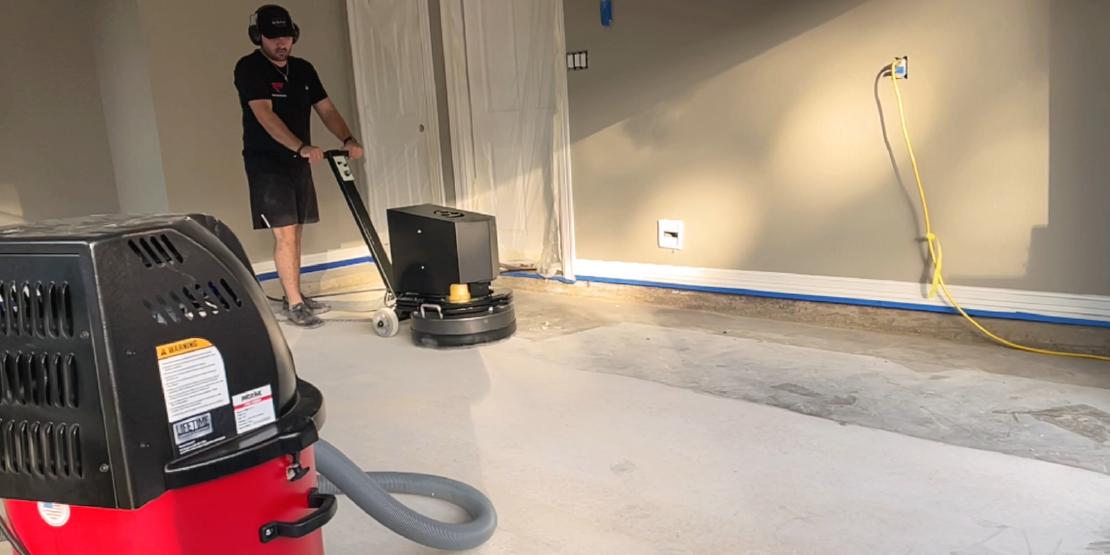
Initiating the treatment, surfaces have to be adequately prepared for the application of non-slip coatings. Grime, algae, residues, rust, or oil must be fully cleared to ensure the coating adheres properly and effectively. Utilizing industrial-strength cleaners and power washing tools while scrubbing and sanding may be required to realize optimal surface preparation. In cases where there are existing coatings, total removal is crucial. If the surface is properly prepped and ready, the application itself may proceed.
The non-slip coating application process majorly involves two methods: spray-on application and paint roller application. Both approaches have unique attributes that make them suitable for specific use-cases. In a spray-on application, typically used for larger surface areas or irregular terrains, the coating is atomized and delivered through a spray gun - ensuring an even distribution. Conversely, a paint roller application method is generally employed for smaller, flat surfaces—delivering thick, regular layers of coating with more precision. Regardless of the method adopted, multiple coatings may be necessary to achieve the desired anti-slip texture and performance.
Maintaining and Cleaning Non-Slip Coatings
Proper care and maintenance are crucial parameters for prolonging the lifespan of any coated surface. This is true for non-slip coatings, whose beneficial properties can remain effective for a more extended period with correct maintenance. Regular cleaning plays a vital role, eliminating the build-up of grime, dirt, or substances that can compromise the non-slip nature of the surface. It’s essential to use cleaning products that are compatible with the coating to avoid destroying its non-slip features unintentionally.
While routine cleaning is essential, periodic checks for signs of wear and tear on non-slip coatings are equally important. If areas showing excessive wear or damage are discovered, swift remedial action can save the coating and its non-slippage traits. In some cases, this may involve the application of a fresh layer of coating. Comprehensive maintenance and cleaning of non-slip surfaces not only enhance the efficacy of the coating but also is a key way to ensure the safety of those using the surfaces.
Durability and Longevity of Non-Slip Coatings
The durability of non-slip coatings is one of their most significant characteristics. These coatings have been meticulously designed to withstand an array of challenging situations, from constant foot traffic to weighty machinery and severe weather conditions. Consequently, such durability renders non-slip coatings a valuable investment for both residential and commercial purposes. This endurance is achievable through the unique combination of adhesive layers and hard particles in the coating formulation.
The longevity of non-slip coatings is a direct outcome of their durability. Resilient non-slip coatings can endure anywhere from several years to even decades, depending on the frequency and nature of use. This longevity is extended through regular maintenance and proper cleaning, which help to preserve the coating’s integrity. Thus, non-slip coatings offer not just immediate, but also long-term safety solutions, making them a prudent choice for a range of environments.
Cost and Affordability of Non-Slip Coatings
Initial expenditures on non-slip coatings can be higher than those of regular floor finishes. Investment in these coatings, however, is generally considered cost-effective in the longer run, given their durable nature and potential for accident prevention. Depending on the supplier and the specific requirements of the project, one can find a wide range of prices. Factors such as quality, thickness, degree of slip-resistance and life expectancy greatly influence these costs.
Nonetheless, the affordability of these coatings cannot only be evaluated in monetary terms. While an upfront investment is required, the resulting decrease in workplace injuries and associated insurance claims significantly offset initial cost. Plus, upkeep costs are commonly lower due to the coating’s ruggedness and longevity. So evaluating the price of non-slip coatings demands a wider perspective - beyond immediate expense and into potential savings.
Choosing the Right Non-Slip Coating for Your Needs
Selecting the optimal non-slip coating for your demands is contingent upon several key factors. Firstly, the area’s nature needs to be considered - is it indoors or outdoors? High traffic or low traffic? These questions not only determine the type of coating required, but they must also factor into your decision. An outdoor, high-traffic area, for instance, might require a more robust and durable coating as compared to an indoor, low-traffic area.
Also important is taking into consideration the environmental effects on your area. Will it encounter frequent water, oil, chemicals, or fluctuating temperatures? Different coatings are designed to handle such varying conditions. Balancing these elements with factors such as cost, longevity, and aesthetic appeal can help in choosing the right non-slip coating. Always remember that a well-chosen coating can considerably reduce accidents, enhance safety, and offer peace of mind.
Case Studies: Success of Non-Slip Coatings in Various Settings
Several industry sectors have seen remarkable improvements in safety due to the application of non-slip coatings. One such instance is the shipping industry. Armed with the understanding that the majority of onboard incidents directly trace back to slips and falls, a leading cruise line plunged resources into the utilization of non-slip floor coatings in pivotal areas like the kitchen, the pool deck, and the loading dock. This significantly minimized the risk of mishaps, providing a safer environment for both the passengers and the crew members.
Hospitality industry has also reaped the benefits, particularly in the kitchen environments. Popular restaurant chains have reported reduced instances of slips and falls after upgrading to non-slip floors. Aging healthcare facilities have applied these coatings as a safety measure to protect elder residents and staff from unwanted accidents. Some coatings also come with the feature of glow-in-the-dark or vibrantly colored to make hazards evident. This further enhances the safety parameters. Hence, non-slip coatings have proven to be a wise investment in myriad settings, improving safety and mitigating potential risks.
The Future of Non-Slip Coatings: Innovations and Improvements
As technology continues to advance at rapid rates, so too does the field of non-slip coatings. Researchers are constantly striving to develop new and improved formulas that offer enhanced slip resistance, greater longevity, and a smaller environmental footprint. Innovations like graphene-infused coatings are now beginning to surface, touted for their superior durability and impressive tensile strength. Additionally, new manufacturing processes are in the works, designed to allow for efficient production and application of these coatings.
Furthermore, anticipation surrounds the introduction of smart coatings that adjust their slip-resistance based on changes in the environment. These technological advances promise to revolutionize the industry by not only improving safety but also aiding the overall user experience. Consider, for example, the prospect of a walkway that becomes more slip-resistant in the face of rainfall. These kinds of tailored responses to environmental conditions present multiple opportunities for the future progress in the realm of non-slip coatings. • The advent of graphene-infused coatings: These new-age non-slip coatings, infused with the revolutionary material graphene, are known for their exceptional durability and impressive tensile strength. This innovation is a significant step forward in the field as it promises to offer superior longevity compared to traditional solutions.
• Efficient manufacturing processes: In addition to developing advanced formulas, researchers are also working on innovative manufacturing processes that make production and application more efficient. This not only reduces costs but also ensures faster delivery times without compromising quality.
• Smart non-slip coatings: Another exciting development is the introduction of smart non-slip coatings that can adjust their slip-resistance based on environmental changes. For instance, a walkway coated with such materials could become more slip-resistant during rainfall or other wet conditions.
• Environmental sustainability: With growing concerns about climate change and environmental degradation, there’s an increasing focus on creating eco-friendly non-slip coating solutions. The aim here is to reduce carbon footprint while still delivering high-performance products.
• Enhanced user experience: By adapting to changing conditions and offering greater safety features, these innovations promise not just improved functionality but also an enhanced user experience overall.
In conclusion, the future looks promising for non-slip coatings industry with continuous advancements being made in both product formulation and manufacturing techniques.
Legislation and Standards for Non-Slip Coatings.
Safety regulations for non-slip coatings or anti-skid surfaces are framed, implemented and governed by various local, national, and international bodies. These legislations and standards, often influenced by research and experience, aim to minimize injuries and fatalities due to accidental slips, trips and falls. To ensure manufacturers adhere to these important guidelines, compliance certifications are often required.
There are several standards directly or indirectly addressing non-slip coatings. ANSI/NFSI B101.1-2009, for instance, provides a guide for measuring the slip resistance of hard-surface flooring, while ASTM International has various standards dealing with anti-slip products, like ASTM C1028 - Standard Test Method for Determining the Static Coefficient of Friction of Ceramic Tile and Other Like Surfaces by the Horizontal Dynamometer Pull-Meter Method. Compliance to these standards confirms the effectiveness of a non-slip coating, thereby serving as a foundational assurance to consumers. Furthermore, these standards regularly evolve to account for new insights and technological advances in the industry.
Why are non-slip surfaces crucial?
Non-slip surfaces are essential to prevent accidents and injuries caused by slipping and falling, especially in wet or slippery conditions. They help to increase safety and compliance with certain safety standards and regulations.
How do non-slip coatings work?
Non-slip coatings work by creating a textured surface that increases friction and reduces the likelihood of slipping. They can be applied to various surfaces, including floors, stairs, walkways, and more.
What are the different types of non-slip coatings available?
There are various types of non-slip coatings available, including epoxy resin coatings, polyurethane coatings, and acrylic coatings. The choice of coating depends on the specific requirements and the surface to which it will be applied.
How do non-slip coatings help reduce accidents?
Non-slip coatings increase the friction between a surface and foot, reducing the risk of slipping and falling. This is particularly beneficial in environments that are often wet or slippery, such as kitchens, bathrooms, and industrial settings.
How can the effectiveness of non-slip coatings be measured?
The effectiveness of non-slip coatings can be measured using slip resistance tests, which quantify the level of grip provided by the coating.
How are non-slip coatings applied?
Non-slip coatings are generally applied using a roller, brush, or spray gun, depending on the type of coating and the surface to which it is being applied.
What are the maintenance requirements for non-slip coatings?
Non-slip coatings should be cleaned regularly to maintain their effectiveness. The cleaning process will depend on the type of coating used and the type of dirt or debris present on the surface.
How durable are non-slip coatings?
Non-slip coatings are designed to be durable and long-lasting, but their lifespan can depend on factors such as the type of coating used, the surface it’s applied to, and the level of foot traffic it experiences.
Are non-slip coatings affordable?
The cost of non-slip coatings can vary widely depending on the type of coating, the size of the area to be covered, and the complexity of the application process. However, when considering the potential cost of a slip-and-fall accident, they can be a cost-effective investment.
How can I choose the right non-slip coating for my needs?
Choosing the right non-slip coating involves considering factors such as the surface material, the environment it will be used in, the level of foot traffic, and your budget.
What are some examples of successful uses of non-slip coatings?
Non-slip coatings have been successfully used in a variety of settings, including industrial facilities, commercial kitchens, public bathrooms, and residential homes.
What does the future of non-slip coatings look like?
The future of non-slip coatings is promising, with potential innovations and improvements in the pipeline. This may include more durable and effective coatings, as well as environmentally friendly options.
What are the legislation and standards for non-slip coatings?
Legislation and standards for non-slip coatings vary by country and industry. They typically outline requirements for slip resistance, durability, and safety. It’s crucial to ensure that any non-slip coating used complies with these standards.