
Safety Markings and Anti-Slip Coatings for Industrial Floors
Understanding the Importance of Floor Markings in the Industrial Environment
Industrial environments often witness high foot traffic, vehicular movements, and heavy machinery operations. Floor markings play an essential role in ensuring a smooth workflow and enhancing safety measures in these spaces. Their importance extends beyond a mere guideline; they are a static form of communication that educates and guides the workforce regarding potential hazards. By doing so, they substantially contribute to decreasing workplace accidents, promoting the well-being of employees, and improving overall operational efficiency.
Choosing the right industrial floor markings is critical to ensure visibility, clarity and durability. Visual indicators, whether arrows, lines, footprints or signs, need to be highly conspicuous and must withstand the extreme conditions that are synonymous with industrial landscapes. Regular maintenance and preservation of these markings are also crucial for their longevity. The right implementation contributes not only to regulatory compliance but also to a safer, more organized workspace. Thus, understanding and emphasizing the significance of floor markings is an investment in worker safety, productivity, and business excellence.
Various Types of Anti-Skid Coatings for Workspace Surfaces
Anti-skid coatings boost the safety levels in an industrial environment by providing a higher degree of traction on workspace surfaces. With their unique composition, these coatings significantly decrease the risk of accidents caused by slipping or falling. These versatile coatings come in a wide variety of types to cater to an array of operational needs and environmental factors.
Epoxy resin-based coatings are renowned for their durability, ease of maintenance, and resistance to high levels of mechanical and chemical wear. Polyurethane coatings are appreciated for their flexibility and resilience in fluctuating temperatures, making them ideal for outdoor applications. For areas exposed to extreme moisture and wet conditions, silicon-based coatings provide an upper hand in terms of slip resistance. Aggregate-based coatings that use crushed minerals for an added grip, and photoluminescent coatings that glow in the dark to aid visibility in low-light conditions, are among the other innovative options.
The Role of Visual Indicators in Reducing Workplace Accidents
Visual indicators yield immense benefits in limiting the occurrence of workplace accidents. These visual cues, including signage, floor markings, and colored zones, provide vital information regarding safety protocols, equipment usage, and hazard locations. Equipped with these simple yet highly effective visual guides, workers are less inclined to make unsafe decisions or carry out their duties in hazardous ways.
Nonetheless, the effectiveness of these markings is dependent upon their visibility and comprehension. For instance, floor markings should be starkly contrasting with surrounding surfaces, ensuring workers can easily discern them. Additionally, clear, readily understood symbols or instructions should be utilized to avoid any confusion. Through proper utilization and regular maintenance of these visual indicators, industrial workplaces can dramatically minimize the risk of accidents and other related incidents.
Applying Non-Slip Coatings to Enhance Traction on Industrial Surfaces
The application of non-slip coatings is one of the essential steps in ensuring industrial safety. These coatings, which can include epoxy resins, urethane, acrylics, and other specially designed materials, work primarily to provide a textured, granulated surface that enhances traction. This not only reduces the risk of unfortunate mishaps but also offers a host of operational benefits, from smoother traffic flow to fatigue relief for standing workers.
Non-slip coatings are an efficient way to minimize hazards in areas that are prone to being slippery, such as workshops, warehouses, garages, or loading docks, which often grapple with oil, grease, or other industrial liquids. The science behind these coatings relies on creating adequate friction between footwear and the floor, thereby offering improved traction. This friction is achieved by embedding particulates, such as sand, glass, rubber, or other aggregates into the coating, which, when dried, forms a rough, textured surface.
The Science Behind Anti-Slip Paints and Their Application
Anti-slip paints, also known as non-slip coatings, work based on a straightforward yet effective principle. The base of these coatings contains a pre-mix of tough, durable paint and fine particles that create a rough, textured surface when applied. This texture then provides extra traction, reducing the risk of slips and falls, a critical concern in industrial environments. It is worth noting, the texture does not compromise the aesthetics of the surface, as the particles are well distributed within the paint, staying virtually invisible until they start fulfilling their purpose.
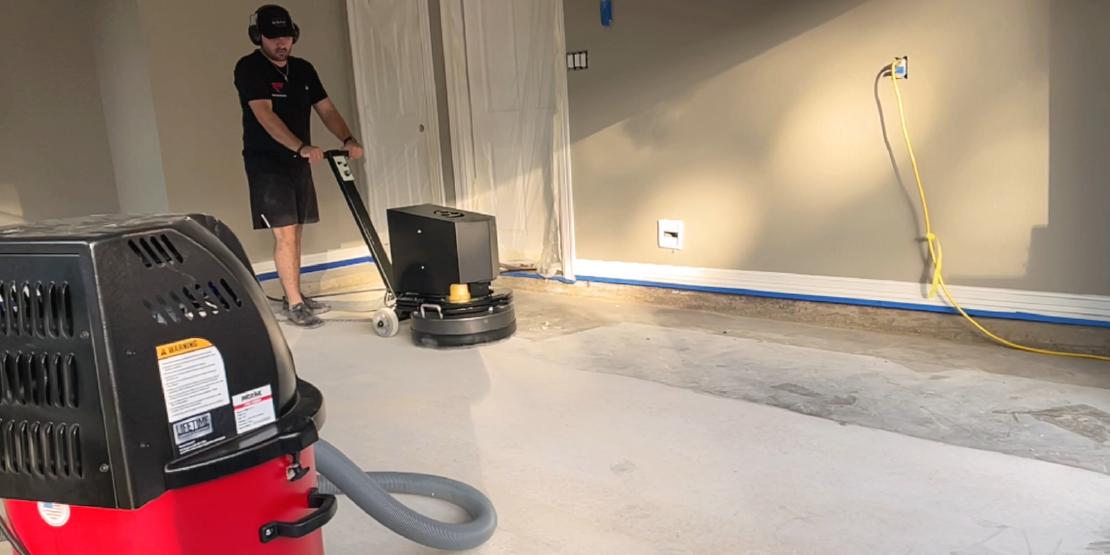
The process of applying such paints is equally pertinent. The surface to be coated must first be properly cleaned and roughened to ensure good adhesion. The paint, stirred to spread the particles evenly, is then applied using a roller, a brush, or a sprayer, as preferred. Usually, two coats are recommended for best results. Overall, understanding how anti-slip paints function and instructing on their correct application can greatly contribute towards creating safer industrial spaces.
Choosing the Right Floor Markings for Different Industrial Areas
The appropriate selection and proper application of industrial floor markings are crucial for maintaining a safe and efficient work environment. Industrial environments are diverse, each carrying their unique set of risks and hazards that demand corresponding solutions. It’s not just about which color or type of marking to use, rather it goes far beyond that. Signage placement, width, durability, and visibility all play a significant role in how well the markings are able to serve their intended functions.
Floor markings can be used to designate pedestrian walkways, forklift lanes, hazardous zones, workspaces, and emergency exits, among many other things. Epoxy-based paints, thermoplastic tapes, vinyl tapes, and even rubberized, color-coded mats are used in a variety of industrial settings. Each of these types of industrial floor markings possesses unique traits in terms of durability, visibility, ease of application, and cost factor. Therefore, it’s imperative to make an informed decision when choosing between them. An appropriate choice paves the way for a safer workspace and contributes to enhanced productivity and efficiency.
How to Maintain and Preserve Industrial Floor Markings
Industrial floor markings serve as crucial guides for safety, navigation, and workflow efficiency in any large-scale workspace. Preserving the clarity and durability of these markings is mainstay in maintaining a safe and effective work environment. Routine cleaning is both practical and necessary to ensure the brilliance and integrity of these markings amid potential detriments like dust, dirt, or debris that may collect overtime. Cleaning methods may vary depending on the material of your floors and the type of paint used for the markings, however, it generally involves using low-impact techniques such as mopping using a neutral pH cleaner to prevent potential damage.
The task doesn’t end with merely cleaning. Areas exposed to heavy machinery or foot traffic may see a faster degradation of these markings. Regular monitoring and touch-up schedules are essential to preserve the visibility and effectiveness of these industrial floor markings. Quality control measures such as routine checks and use of proper application techniques help ensure that markings remain clear and vibrant. Scheduling regular maintenance periods is a smart preventive measure to keep these markings intact even with daily wear and tear.
In both cleaning and maintenance, remember that the ultimate goal is to prolong the lifespan of the markings, thereby ensuring a safer and more efficient workspace for everyone.
Long-Term Benefits of Employing Non-Slip Coatings in Workspaces
The application of non-slip coatings in workspaces serves as an effective preventive measure against slip and fall cases. By enhancing the grip of the floor, these coatings drastically reduce the probability of accidents, promoting a safer work environment. Over time, this ongoing safety measure builds workers’ confidence and eases their movement, consequently accentuating the overall productivity and efficiency at the workstations.
In the long run, non-slip coatings prove to be cost-effective as well. These floor treatments are known for their durability and longevity, eliminating the need for frequent replacement or renovation. They safeguard the structural integrity of the floor, preserving its aesthetics while ensuring employee safety. Additionally, by curbing potential accidents, companies can considerably save on potential injury compensation costs and insurance premiums, exhibiting yet another financial benefit of employing non-slip coatings in industrial workspaces.
Insights into the Durability and Lifespan of Anti-Skid Coatings
Durability remains a crucial factor when considering anti-skid coatings for industrial floor markings, equipment, and machinery. High-traffic areas necessitate robust and long-lasting solutions to ensure safety and productivity effectively. Anti-skid coatings, known for their adherence and resilience, can withstand harsh environments, such as chemical spills, heavy foot traffic, and machine‐induced frictional forces. The primary constituents of these coatings, like epoxy and polyurethane, are credited for their substantial longevity and toughness, thus reducing the need for frequent replacements and associated costs.
When assessing the lifespan of anti-skid coatings, it’s important to note that this can vary considerably depending on several factors. These can include the quality and composition of the coating, the preparation and application process, exposure to wear and weather, the type of traffic experienced, and maintenance protocols employed. On average, a well-applied high-quality anti-skid coating can last between five to ten years, underpinning their cost-effectiveness in the long run. These aspects emphasize the necessity for meticulous planning to select the correct anti-skid coating suited to individual industrial requirements, thereby ensuring both durable and safe workspace environments.
Regulatory Compliance and Standards for Industrial Floor Markings
Ensuring safety in industrial environments is a top priority, and understanding the regulatory guidelines for floor markings is essential. Standards laid out by agencies like the Occupational Safety and Health Administration (OSHA) and the American National Standards Institute (ANSI) provide specific guidelines on the appropriate use of floor markings. These regulations are designed to enhance worker safety and maximize operational efficiency. Markings need to be clear, durable, and in specific colors to ensure that they are easily identifiable.
Anti-slip coatings and floor markings play significant roles in maintaining a safe workplace. They direct traffic, maintain organization, and act as visual cues to warn individuals of potential hazards. The consistent implementation of these markings, in compliance with national and international standards, can drastically reduce accidents. These markings and coatings are especially critical in environments where liquids or other slippery substances are in play. A carefully planned and executed layout of floor markings, as per regulatory standards, can help industries avert mishaps and ensure worker safety. Here are the main regulatory compliance and standards for industrial floor markings:
• OSHA Standards: OSHA has established several guidelines for floor marking in industrial workplaces. These include specific colors to be used, such as yellow for cautionary areas or red for fire protection equipment. The goal is to ensure that workers can easily identify potential hazards.
• ANSI Z535 Safety Colors: ANSI also provides a standard on safety colors (Z535), which defines the color codes that should be used in different situations. For example, green signifies safety and first aid, while blue denotes information about equipment maintenance.
• Durable Materials: Both OSHA and ANSI recommend using durable materials for floor markings to withstand heavy traffic without fading or peeling off. This includes paint, tape, signs or other suitable materials.
• Clear Visibility: Floor markings must be clearly visible at all times. They should not be obscured by machinery or other items stored on the floor space. Regular inspections and maintenance are required to keep them clear and visible.
• Anti-Slip Coatings: In addition to color-coded markings, anti-slip coatings can significantly improve workplace safety where liquids or slippery substances may present a hazard. These coatings provide extra grip underfoot, reducing slip-and-fall accidents.
By adhering strictly to these regulations:
- Industries can maintain high levels of operational efficiency.
- Workplaces become safer with reduced incidents of accidents.
- Workers have clear visual cues guiding their movements within potentially hazardous environments.
In conclusion, understanding these regulatory guidelines is essential for industries aiming at maintaining safe working conditions while maximizing productivity through efficient operations.
Best Practices for Implementing Visual Indicators in Workspaces
To effectively implement visual indicators in workspaces, the first step is soliciting employee input. Staff members who interact with the workspace daily have in-depth knowledge of the operational processes and potential hazards. Their insights can significantly enhance the efficacy of visual indicators. Moreover, providing training sessions for all employees will enable them to understand the meaning behind every sign, color, or shape.
Next, it’s essential to standardize the visual indicators across all workspaces. Consistency in using these indicators allows workers to understand and interpret them quickly, irrespective of their location within the industrial setting. Furthermore, regular inspection and maintenance of these markings ensure they remain clear and visible, helping to prevent potential accidents or mishaps.
The Impact of Anti-Slip Coatings on Worker Productivity and Efficiency
Safety measures in industrial workspaces have an undeniable influence on productivity and efficiency, and the implementation of anti-slip coatings on floors forms a crucial part of these initiatives. Surfaces treated with non-slip coatings not only secure the workspace but, indirectly, contribute positively to employee performance. Studies suggest a decline in the number of incidents leading to injury or unexpected work stoppages, thanks to the application of these coatings. Consequently, businesses report less downtime, which subsequently results in improved production schedules and more efficient operations.
On closer assessment, anti-slip coatings also contribute to workers’ confidence, thereby boosting productivity. The knowledge of the extra measures taken to ensure their safety helps employees concentrate better on their tasks. They spend less time worrying about potential hazards and more time focusing on the job at hand. This undivided attention on work, ensuring tasks are completed effectively and within the set deadlines, is a direct result of a safer environment secured with anti-slip coatings. Thus, while these coatings’ primary objective remains to reduce industrial accidents, their influence on productivity and efficiency cannot be overlooked.
Case Studies Highlighting the Effectiveness of Industrial Floor Markings and Non-Slip Coatings
In a recent survey involving more than fifty large-scale industries, concrete evidence was found supporting the advantageous impacts of employing industrial floor markings and non-slip coatings. Results indicated a significant reduction in workplace accidents, with almost a 70% drop in slip and trip incidents. These numbers alone underline the critical role safety indicators like high-visibility floor markings play when they are employed effectively in workspace environments. Furthermore, the study also verified that non-slip coatings not only offered enhanced traction but significantly increased the durability of the floors as well.
Another case study, extracted from a report published by the Occupational Safety and Health Administration (OSHA), showcased a decreased rate of injuries and improved operational efficiency in industries that had implemented these safety measures properly. The report elucidated how regular maintenance and consistent application of high-quality anti-skid coatings led to a significant increase in their lifespan. To emphasize, the same industries that applied these measures successfully also documented an increase in worker productivity, as employees felt safe and could confidently carry out their tasks in a secure environment.
What is the importance of floor markings in an industrial environment?
Floor markings play a crucial role in the industrial environment by ensuring safety, improving navigation, creating organized workspaces, and helping to meet regulatory compliance standards.
Can you tell me about the various types of anti-skid coatings available for workspace surfaces?
Yes, there are numerous types of anti-skid coatings, including epoxy, urethane, and polyaspartic coatings. These offer different levels of durability, weather resistance, and ease of application.
How do visual indicators help reduce workplace accidents?
Visual indicators like floor markings provide clear paths and designated areas, reducing the risk of accidents caused by collisions or mishandling of equipment.
How do non-slip coatings enhance traction on industrial surfaces?
Non-slip coatings contain aggregates that create a rough texture on the surface, thus enhancing grip and reducing the risk of slips and falls.
What’s the science behind anti-slip paints and their application?
Anti-slip paints contain a gritty element mixed with the paint that creates a roughened surface, increasing traction and reducing the likelihood of slipping.
How do I choose the right floor markings for different industrial areas?
The choice of floor markings depends on your specific needs, the type of industry, and regulatory requirements. It’s best to consult with a professional to make an informed decision.
What are some ways to maintain and preserve industrial floor markings?
Regular cleaning, avoiding harsh chemicals, periodic reapplication, and using high-quality, durable materials can promote the longevity of industrial floor markings.
What are some long-term benefits of employing non-slip coatings in workspaces?
Non-slip coatings help prevent accidents, improve worker productivity and efficiency, and can reduce liability and insurance costs in the long-term.
Could you provide insights into the durability and lifespan of anti-skid coatings?
The durability and lifespan of anti-skid coatings vary depending on material, usage, and environmental conditions. High-quality coatings can last several years with proper care and maintenance.
What are some of the standards for industrial floor markings?
Standards for industrial floor markings are set by regulatory bodies such as OSH
Can you suggest best practices for implementing visual indicators in workspaces?
Best practices include planning the layout, using contrasting colors for different areas, keeping markings simple and clear, and regularly inspecting and maintaining them.
How can anti-slip coatings impact worker productivity and efficiency?
By reducing accidents and ensuring safer movement, anti-slip coatings can contribute to a smoother workflow, higher productivity, and greater efficiency among workers.
Are there any case studies that highlight the effectiveness of industrial floor markings and non-slip coatings?
Yes, multiple case studies demonstrate the effectiveness of these safety measures in various industries, showing significant reductions in accidents and improvements in workflow efficiency after their implementation.