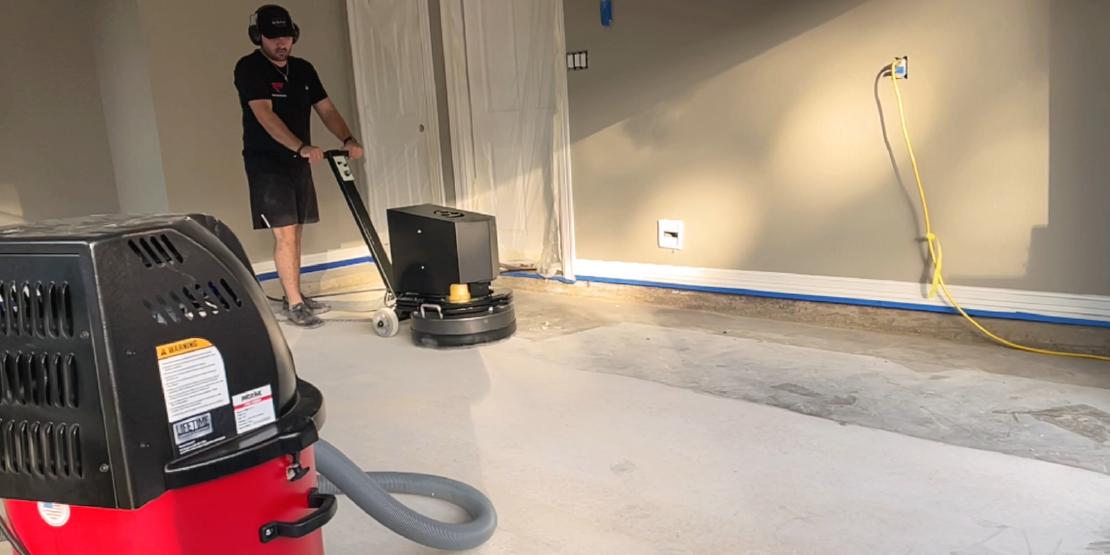

Safety Measures During Floor Coating Application
Understanding the Importance of Protective Measures
Before embarking on any flooring project, it’s paramount to give special consideration to protective measures. Protective measures not only ensure the safety of the workers engaged in the task but also contribute to the effectiveness and longevity of the floor coating. Without adequate safety procedures, there’s a high risk of accidents and damage to the floor material during the coating process. Mistakes may also be made that could compromise the overall quality and durability of the floor.
Safety gear such as respirators, goggles, gloves, and suits shield from potential hazards like dust, harsh chemicals, and sharp objects. Proper training further equips workers with the knowledge and skills necessary to handle equipment correctly, prepare surface materials, mix coating substances, and apply them safely and efficiently. In essence, protective measures save lives, improve work outcomes, and minimize exposure to liabilities.
The Relevance of Proper Training
The process of applying floor coating material is met with complexities that require skilled handling and careful maneuvering. Hence, proper training acts as a bedrock for ensuring successful, efficient, and safe execution of tasks. Trained personnel not only possesses the technical know-how but also understands the potential hazards and techniques to prevent them, underlining the relevance of strongly integrated training programs.
Building on this, proper training enables workers to make informed decisions such as choosing suitable personal protective equipment and applying correct mixing procedures. These choices, dictated by a strong understanding of safety guidelines and best practices, directly influence the end result and longevity of the coated floors. Thus, the emphasis on proper training cannot be overstated for sustaining a safe workspace and ensuring the quality outcome of floor coating applications.
Choosing the Right Personal Protective Equipment
Personal Protective Equipment (PPE) plays an indispensable role in reducing workplace accidents. These tools, when chosen correctly and used properly, can greatly decrease the risk of injury while performing tasks such as floor coating applications. Safety helmets, goggles, respirators, gloves and protective clothing are among the essential instruments which safeguard users from various hazardous elements and substances. Workers’ safety is paramount and PPE acts as a final line of defense against possible dangers.
Selecting the right PPE is a crucial task, requiring adequate knowledge about potential hazards that could occur in a working environment. The determined risks will guide the type and level of protection needed. For instance, when dealing with hazardous substances such as floor coating materials, the use of gloves, goggles and respirators will be indispensable in preventing irritations and harmful exposure. Remember, the effectiveness of a piece of PPE heavily depends on its suitability to the specific task and working condition. Therefore, always ensure to conduct a comprehensive assessment of the workplace and the tasks at hand before making the final selection.
The Essential Role of Ventilation
In a workspace where floor coating applications are performed, the value of an effective ventilation system cannot be overstated. Proper ventilation serves as a crucial line of defence against the potential hazards of toxic fumes, dust particles, and volatile organic compounds (VOCs) that can be emitted during the application process. This underscores the need for a well-planned, well-executed ventilation setup that can expeditiously evacuate these hazardous elements, thereby safeguarding the health and wellbeing of workers and preventing serious physical effects such as dizziness, respiratory troubles, or even poisoning.
Even beyond the immediate health concerns, ventilation plays a pivotal role in ensuring the success of the floor coating project itself. Adequate air circulation aids in the curing process of the floor coatings, helping achieve a smooth, even finish and preventing any air pockets or inconsistencies on the surface. It also helps in managing the temperature and humidity levels within the workspace, both crucial factors that could potentially affect the overall application process and the longevity of the finished coating. Indeed, a good ventilation system is essential not just for safety, but also for efficiency and quality in every floor coating endeavor.
Understanding Material Safety Data Sheets
Material Safety Data Sheets (MSDS) are integral to workplace safety, particularly when handling hazardous substances or equipment. These comprehensive documents provide in-depth information about the potential risks and protective measures associated with a specific material or product. This includes, but is not limited to, the substance’s chemical properties, potential health and environmental hazards, protective equipment recommendations, first-aid procedures, and proper handling and storage protocols. The accurate interpretation of these data sheets is crucial in the establishment of effective safety practices for employees.
The value of proper MSDS comprehension extends beyond immediate personal protection. It can also shape the protocols for emergency response, waste disposal, and transportation of these materials. By translating this technical data into practical, clear, and actionable instructions, organizations can reduce accidents, increase employee safety, and ensure compliance with occupational safety and health regulations. Every employee should be trained in interpreting and utilizing Material Safety Data Sheets, becoming a vital part of the collective responsibility of workplace safety.
Selecting the Right Floor Coating Material
In the realm of floor coatings, material choice plays a critical role. The right floor coating protects the base surface, enhances its aesthetic appeal, reduces maintenance costs, improves safety, and extends the lifespan of the floor. Therefore, it is crucial to select the material that best suits the specific environment and requirements.
Epoxy, polyurethane, acrylic, and polyaspartic are some common types of floor coating materials. These materials offer varying levels of durability, resistance characteristics, and finish options. Epoxy, for instance, excels in heavy-duty industrial settings due to its exceptional resistance to wear and chemicals. Polyurethane is a popular choice for high-traffic commercial spaces owing to its durability and versatility. Understanding these differences is essential to making an informed choice aligning with the project’s objectives and constraints.
The Impact of Proper Surface Preparation
Surface preparation is a cornerstone of floor coating procedures and its impingement on the final outcome cannot be overstated. Oftentimes, the longevity and durability of a coating system hinge on the quality of surface that has been prepared. In essence, the success of the application and its long term performance can be directly traced back to how well the surface was prepared—a poorly prepped surface can lead to premature failure, while a thoroughly prepped one ensures maximum adhesive strength and longevity.
Many professionals consider surface preparation as the most important part of any coating operation. Proper preparation involves removing contaminants such as dust, dirt, oil, and grease which would hinder the adhesion of the coating to the surface. It further entails surface roughening, a strategy used to create microscopic crevices where the coating can secure a more tenacious grip. Thus, skipping this step, cutting corners or doing it haphazardly can significantly diminish the quality of your coated floor.
The Significance of Correct Mixing Procedures
In the realm of floor coating applications, the correct mixing procedures hold pronounced significance. The performance and longevity of the coating are heavily influenced by this critical preparatory phase. Ensuring the proper mix ratio and thorough amalgamation of the components not only guarantees a uniform and high-quality application but also avoids potential risks and hazards associated with incorrect mixing such as excessive heat generation, improper curing, and formation of hazardous byproducts.
One cannot underestimate the importance of utilizing the correct tools and equipment for mixing. Employing agitators or stirrers that are designed to handle specific materials can dramatically increase the consistency, effectiveness and safety of the mix. It’s also essential to comply with the manufacturer’s instructions for mixing duration, order of mixing and recommended speed to ensure that the final product delivers its expected performance. This exactness underlines the foundational role that correct mixing procedures play in a successful floor coating application, making it an indispensable part of the process.
Applying the Floor Coating in a Safe Manner
A safe application of floor coating requires not only a thorough understanding of the product being used, but also keen attention to detail and an adherence to recommended procedures. It’s crucial that these products be handled with care, given the potential for harm associated with improper use. Always ensure that you’re using the correct tools for application, and that these tools are in good working order. Make it a point to perform a patch test of the product to ensure it behaves as expected and to avoid potential issues on a larger scale.
Moreover, the importance of personal protective equipment cannot be understated when applying floor coatings. Eye protection, gloves, and respiratory masks serve as shields from potential harm caused by splashes, spills, or fumes. Never rush the application process, and always follow manufacturer instruction for best results. Remember, safety should always be at the forefront when handling these materials, so it’s essential to approach the task meticulously and in a prepared manner.
Addressing Potential Risks and Hazards
While applying floor coating materials, it is critical to consider potential risks and hazards to ensure safety. Even with the right protective gear and proper training, accidents and injuries can occur if hazards are not addressed in time. It is always recommended to conduct a risk management assessment before starting any work involving chemical substances. This evaluation helps identify possible threats like spills, chemical reactions, other accidents and establish preventive measures.
Precise handling of the floor coating material is crucial, as it helps mitigate inherent risks associated with the process. Handling instructions mentioned on the Material Safety Data Sheets should be strictly adhered to. Additionally, clarity in understanding the nature of the coating material, and its potential effects on human health and the environment are also critical aspects. Remember, safety doesn’t end with just identifying risks, taking appropriate actions to minimize them is equally important.
The Importance of Proper Cleanup and Disposal
In any construction or renovation project, the process isn’t complete when the last layer of paint is dry or the final screw is turned. Unnecessary surplus material, debris, and waste left behind pose not only organizational issues but also potential health risks. Cleanup and disposal require as much attention as the core tasks of the project.
When dealing with hazardous materials like floor coating substances, the need for the proper disposal of waste is paramount. Responsible disposal methods ensure that harmful substances are not leaked into the environment, causing harm to ecosystems and human health. Furthermore, it reduces clutter and potential accidents at the workspace, fostering a safer and more efficient environment for workers.
Maintaining a Safe Workspace Post-Application
Once the application of floor coating is complete, it’s integral to keep the workspace environment safe and secure to ensure the longevity of the newly coated floor. Certain measures and precautions must be taken to uphold this safe environment, which not only helps in maintaining the flooring but also ensures the safety and comfort of the workspace occupants.
Routine floor inspections should be conducted to monitor the condition of the flooring post-application. Premium quality floor sealing and high-performance coating systems can provide superior durability, but they also demand regular maintenance to sustain their best performance and visual appeal. Regular cleaning with appropriate cleaning agents is essential to preserve the coating’s aesthetics and integrity. Proactive identification of any signs of wear and tear, and timely repair or recoating, can ensure that the floor remains in optimal condition for a longer period.
Continued Monitoring and Maintenance for Coated Floors
The routine upkeep and constant monitoring of coated floors is pivotal for their longevity and safety. Over time, wear and tear, along with spillages and contaminants, can erode the coating, decreasing its protective capabilities, and may even render the material hazardous. Thus, it is essential that these surfaces are frequently checked for signs of damage, such as scratches, chips, discoloration, or any visible deterioration. Regular inspections will not only ensure the ongoing safety of your workspace but also help in spotting and addressing any problematic areas immediately, thereby reducing potential costs for major repairs.
Equally significant is the role of consistent maintenance in preserving the floor’s functionality and aesthetic appearance. This involves basic cleaning practices like sweeping and mopping, using non-abrasive cleaning methods and products to prevent damage to the coating. In industrial settings, the floors may be subjected to harsh conditions like extreme temperatures and constant mechanical stress; thus, additional protective measures such as periodic re-coating may be necessary. Regular maintenance practices, partnered with a quick response to any identified issues, can greatly enhance the lifespan and performance of coated floors. In summary, the following points highlight the importance of continued monitoring and maintenance for coated floors:
• Regular inspections can identify signs of damage early: Scratches, chips, discoloration or any visible deterioration are clear indicators that your floor coating may need attention. By conducting frequent checks, you can spot these issues before they escalate into major problems.
• Maintenance ensures safety: Over time, wear and tear along with spillages and contaminants can erode the coating on your floor. This not only decreases its protective capabilities but could also render it hazardous. Consistent upkeep helps to maintain a safe workspace.
• Preservation of functionality and aesthetics: Basic cleaning practices like sweeping and mopping using non-abrasive methods help to preserve both the function and appearance of your coated floor.
• Cost-effectiveness: Regular maintenance prevents minor damages from turning into major ones that might require costly repairs. Thus, investing in regular upkeep is more cost-effective in the long run.
• Adaptability to harsh conditions: In industrial settings where floors are subjected to extreme temperatures or constant mechanical stress, additional protective measures such as periodic re-coating may be necessary.
By adhering to these guidelines for continued monitoring and maintenance of coated floors, their lifespan can be greatly enhanced while ensuring ongoing safety standards are met.
Why are protective measures important for coated floors?
Protective measures are essential to prolong the lifespan of coated floors. They prevent damage from wear and tear, maintain the floor’s appearance, and ensure safety for the users.
What is the role of proper training in maintaining coated floors?
Proper training equips individuals with the necessary knowledge and skills to apply, monitor, and maintain coated floors efficiently and safely. This can prevent errors that may damage the floor or pose a risk to safety.
How to select the right personal protective equipment (PPE) for this task?
The right PPE will depend on the specific tasks and potential hazards involved. Typically, it may include gloves, safety glasses, and protective clothing. A professional can provide guidance based on the Material Safety Data Sheets (MSDS) of the products used.
Why is ventilation important when dealing with coated floors?
Ventilation is crucial to maintain air quality, especially in the installation and maintenance stages. It helps disperse fumes and dust, protects the health of individuals working in the space, and aids in the drying process of the coating.
What are Material Safety Data Sheets and how are they relevant?
Material Safety Data Sheets provide information about a product’s properties, potential hazards, safety precautions, and emergency procedures. These sheets guide professionals in safely handling, using, and disposing of floor coating materials.
How to select the right floor coating material?
Factors to consider when selecting the right floor coating material include the type of floor, the area’s usage, environmental factors, and the desired aesthetic. Professionals can provide advice based on these factors.
What is the impact of proper surface preparation on coated floors?
Proper surface preparation ensures that the coating adheres correctly to the floor, improving its durability and appearance. It involves cleaning, repairing, and priming the surface.
What are the correct mixing procedures for floor coating materials?
Correct mixing procedures ensure that the coating has the right consistency and properties for application. Mixing instructions can differ based on the manufacturer’s guidelines, so it’s essential to follow them closely.
How should one apply the floor coating safely?
Follow manufacturer’s instructions, use appropriate PPE, ensure good ventilation, and avoid skin or eye contact with the material. Additionally, make sure the area is free from flammable materials to prevent ignition of fumes.
What are some potential risks and hazards when dealing with coated floors?
Potential risks include exposure to harmful fumes, skin or eye irritation, slip and fall hazards, fire hazards from flammable materials, and damage to the floor if not properly maintained.
How should one cleanup and dispose of materials after applying floor coating?
Cleanup should involve safely removing any leftover materials and ensuring the workspace is free from any potential hazards. Disposal of materials should be in accordance with local regulations and manufacturer’s guidelines.
How to maintain a safe workspace after applying floor coating?
Regularly monitor and maintain the floor to prevent wear and tear, keep the area well-ventilated and clean, and follow safety measures such as using slip-resistant mats and maintaining a clutter-free space.
How to continue monitoring and maintenance for coated floors?
Regular inspections, prompt repair of damages, appropriate cleaning, and re-application of coatings as needed are crucial for the continued upkeep of coated floors. Regular monitoring helps identify potential issues early, before they become significant problems.