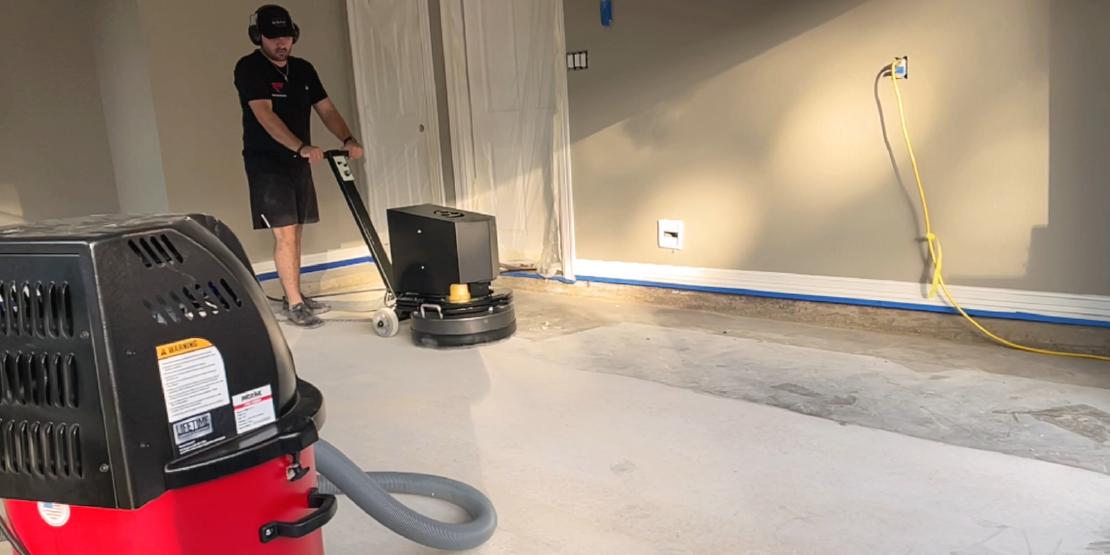

Safety Training for Floor Coating Professionals
Understanding the Importance of Protective Measures in Floor Coating
As one embarks on the task of floor coating, it becomes imperative to recognize the inherent risks and potential hazards associated with the task. Although considered a menial chore, this task entails handling volatile substances that can jeopardize one’s health and safety to a significant degree. Therefore, the incorporation of appropriate protective measures is far from being optional – it’s a chief priority.
Firstly, employees need to don proper Personal Protective Equipment (PPE) categorically designed to shield their skin, eyes, and respiratory system from direct contact or inhalation of hazardous chemicals. Secondly, factors such as adequate ventilation within the workspace also become crucial in ensuring a safer working environment. The adherence to these protective measures can dramatically reduce the risks and also boost the efficiency of the workers.
Identifying Potential Hazards in the Floor Coating Process
The floor coating process, while seemingly straightforward, can present numerous health and safety risks unless proper precautions are taken. One of the primary hazards lies in the potent fumes produced by many coating substances. These fumes can lead to respiratory discomfort and, in severe cases, can cause serious lung conditions when proper ventilation and personal protective equipment are not used.
Another glaring hazard within the floor coating process is physical injury resulting from slips and falls. Newly coated floors can be extremely slippery before drying fully, paving the way for potential accidents. Furthermore, repeated or prolonged skin contact with specific coating materials can cause irritation, rashes, and other dermatological conditions. Therefore, wearing appropriate personal protective equipment, such as gloves and safety boots, is non-negotiable during all stages of application.
Broad Overview of Personal Protective Equipment (PPE) Use
Personal Protective Equipment, often abbreviated as PPE, is a crucial component of safety in the floor coating process. These items serve as barriers, shielding the wearer from potential hazards in their work environment. Ranging from hard hats, gloves, and safety glasses to more specialized equipment like respirators, the use of PPE is often dictated by the nature of the tasks, substrates, and materials used in floor coatings. The selection of suitable PPE requires a thorough understanding of the risks involved in each specific task.
The first step in maximizing protection through the use of PPE is to conduct a risk assessment. This process identifies potential hazards present in the floor coating process, which can include skin and eye irritants, toxic fumes, slippery surfaces, and more. After identifying these hazards, it’s possible to select the most appropriate and effective PPE. This not only helps to ensure worker safety but also complies with regulatory requirements governing floor coating operations. • Conduct a risk assessment: This is the first and crucial step in ensuring maximum protection through PPE. It involves identifying potential hazards present in the floor coating process, such as skin and eye irritants, toxic fumes, slippery surfaces, among others.
• Select appropriate PPE: After conducting a thorough risk assessment, it becomes possible to select suitable personal protective equipment. The selection should be based on the identified risks and nature of tasks involved in floor coating operations.
• Ensure worker safety: The primary purpose of using PPE is to ensure worker safety. By shielding them from potential hazards at their work environment, workers can perform their duties without fear or worry about health risks.
• Compliance with regulations: Use of appropriate PPE not only ensures worker safety but also helps businesses comply with regulatory requirements governing floor coating operations. Non-compliance could lead to penalties or legal actions against the business entity.
The next important aspect after selecting suitable PPE is proper use and maintenance.
• Proper usage of PPE: Workers need training on how to correctly wear and adjust each piece of protective gear for optimal protection. Incorrect usage might render even the most robust equipment ineffective.
• Regular inspection and maintenance: Like any other tool or equipment used at work sites, Personal Protective Equipment needs regular checking for damages or malfunctions that may compromise its effectiveness.
In conclusion, Personal Protective Equipment plays an integral role in maintaining safe working conditions during floor coating processes by reducing exposure to various hazardous substances and situations that employees might encounter during their daily tasks.
Essential PPE for Floor Coating Tasks
When dealing with floor coating tasks, the right personal protective equipment (PPE) becomes paramount to maintaining a safe work environment. Broadly, these safeguards can be grouped into four main categories: respiratory, skin, eye, and body protection. Each category serves as a distinct barrier against a specific type of possible hazard, collectively ensuring the safety of the worker handling corrosive materials and unhealthy fumes.
Respiratory protection, often in the form of masks or respirators, is crucial to prevent inhalation of harmful chemicals found in coating substances. Similarly, skin protection, such as gloves and coveralls, offer a shield against potential skin irritants or burns. Eye protection like safety glasses can defend from splashes and spills, while body protection in the form of steel-toe boots and hard hats provide added safety against physical hazards. Altogether, the use of PPEs is a fundamental aspect of risk mitigation in floor coating tasks.
Proper Handling and Use of Floor Coating Materials
In the process of floor coating, careful treatment of materials is of paramount importance. This not only ensures the best outcome for the projects but also safeguards the health and safety of the individual involved in the task. Proper handling of these substances entails wearing the appropriate protective gear like gloves to prevent skin contact, and goggles to shield the eyes from potential splashes. Workers should also make use of forceps or similar tools to handle the materials, instead of direct contact.
Moreover, the correct use of floor coating materials plays a critical part in the overall process. One must be well-versed in the manufacturer’s instructions for each product, which often include details on the correct ratios for mixing, the suitable application methods, and the recommended drying time. Negligence in following these instructions can lead to an undesired finish or potentially hazardous scenarios. Thus, an understanding of these aspects is key to the successful and safe completion of floor coating tasks.
Mitigating Risks of Chemical Exposure during Floor Coating
Floor coating tasks inevitably involve working with a range of potent chemicals. These can include, but are not limited to, sealers, paint thinners, epoxy resins, and other potentially hazardous substances. These materials, although crucial for creating durable, high-gloss finishes, can pose significant health risks to unprotected individuals. Prolonged or repeated exposure can cause respiratory issues, skin irritation, eye problems, and even systemic toxicity. Therefore, it is of utmost importance to implement protocols to reduce and manage the risk of chemical exposure.
One key strategy is the consistent use of suitable Personal Protective Equipment (PPE). This can include items such as gloves, eye protection, and respiratory masks. The exact type of PPE required will vary based on the specific chemicals in use. Additionally, safe handling and storage of the coating materials, as well as meticulous cleaning of tools and equipment, will further help to minimize accidental exposure. In every case, the priority should be to safeguard the health and well-being of all people involved in the floor coating process.
Importance of Ventilation in Indoor Floor Coating Jobs
The ventilation process plays a pivotal role in indoor floor coating tasks. Good ventilation strategies can mitigate various potential hazards, particularly those associated with the inhalation of toxic fumes. Various floor coating substances such as paints, solvents, and primers emit volatile organic compounds (VOCs), which may lead to different health issues. Therefore, by facilitating optimal air circulation, these risks can be significantly reduced, enhancing the safety and wellbeing of the workers involved in the process.
Not only does ventilation help in removing harmful fumes, but it also ensures the proper drying and curing of the coating materials. A well-ventilated area will help the solvents in the coating to evaporate evenly, thus resulting in a better quality of finish. Poor ventilation, on the contrary, may lead to an uneven finish with blotches and dull patches. Simple methods such as opening windows and doors or using exhaust fans and industrial blowers can create a comfortable work environment, thereby optimizing the overall results of floor coating tasks.
Safe Procedures for Mixing and Applying Floor Coating Substances
In the realm of floor coating tasks, meticulous attention should be paid to the process of mixing and applying coating substances. It starts at the very beginning with correct measuring of each component as per the product guidelines. The mixing should ideally be done using automatic mixers to ensure uniformity and reduce potential for error. Further to this, safeguards should also be implemented to prevent contamination, which can compromise the efficiency and safety of the end product.
Amidst the application of floor coatings, the usage of appropriate tools and technique cannot be overemphasized. Specialized rollers, brushes or sprayers should be wielded depending on the type of coating and desired finish. During application, care must be taken to maintain a consistent thickness throughout the surface area. Moreover, direct skin contact with these substances should be avoided to minimize the risk of dermatological issues. Constant vigilance and adherence to safety guidelines are pivotal in achieving a quality result while keeping hazards at bay.
Addressing the Risk of Slip-and-Falls in Floor Coating Operations
Slip-and-fall accidents are a serious concern within the floor coating industry. With the use of liquid and semi-liquid substances as part of the process, the risk for these incidents is considerably elevated. It is imperative to have preventive measures in place to ensure that such risks are minimized. These precautions not only protect the workers from injury but are also fundamental in preventing costly delays in project completion and potential legal complications.
Safety protocols should include procedures for efficiently cleaning up spills and wet surfaces. A well-maintained, clean job site is vital to the reduction of slip-and-fall incidents. Similarly, quality non-slip footwear is a crucial piece of Personal Protective Equipment (PPE) that workers should utilize. Flooring specialists should assess the floor regularly to identify potential hazards, like wet spots and loose materials, and take immediate steps to address them. Following these protocols is central to maintaining a safe working environment.
Dealing with Emergency Situations during Floor Coating Tasks
In the dynamic environment of floor coating tasks, unexpected emergency situations can arise at any moment. Preparedness and fast response are key in these situations to protect both the individual and productivity. Each worker must be well-versed with emergency response procedures, certified first-aid protocols, usage of emergency safety equipment, evacuation routes, and contact information of emergency services. Emergency Situations can range from sudden illness or injury of a worker, unexpected chemical spills, fires, or failure of crucial safety equipment. Hence, maintaining an updated and extensive emergency response plan is vital in this industry.
Correct identification and swift response to hazardous Floor Coating Tasks greatly decrease the risk of severe injuries and the potential fallout in productivity. This typically includes immediate isolation of the area, appropriate response actions according to the nature of the emergency, and notifying the relevant emergency services. Following this, an on-site team can conduct a professional assessment, execute suitable decontamination procedures, replace faulty safety equipment, and identify any updates required in safety procedures. Thus, well-executed emergency responses can convert potential disasters into manageable situations, proving the pivotal role they play in maintaining consistent operations.
Regular Check and Maintenance of Equipment Used in Floor Coating
Maintenance and proper functionality of equipment are integral factors that play a significant role in the efficient operation of floor coating tasks. The equipment used in floor coating, be it mixers, rollers, sprayers, or scraper tools, should all undergo regular check cycles to catch any worn-out parts, malfunctions, or potential hazards. Keeping a routine check ensures that the equipment is in good working condition which, in turn, promises an effective and quality output.
The maintenance of equipment should not be overlooked as it contributes significantly to the longevity of the tools. Detailed inspections of equipment parts, timely replacement of worn-out components, and regular cleaning can prevent any unexpected breakdowns during operations. Service records should be maintained to track maintenance history and help plan for future inspections. Equipment maintenance is an assurance of safety, efficiency, and time-saving in the floor coating process.
Importance of Continuing Education on Safety Protocols in Floor Coating
In the fast-evolving world of floor coating, keeping abreast with the latest safety protocols is crucial. By staying updated, workers can adapt to new techniques and trends whilst maintaining safety in their environments. Continuing education empowers workers, giving them the knowledge to recognize hazards, use proper protective equipment, and correctly handle coating materials. Not only does it improve worker safety, but it also enhances work quality and efficiency.
Engaging in regular seminars, workshops, or online courses dedicated to industry-specific safety protocols can be an effective form of continuing education. This continuous learning journey engrains safety procedures into everyday work habits, minimizing the risk of accidents. The benefits extend past the individual, creating safer workplaces, and contributing to the overall professionalism of the floor coating industry.
Promoting a Culture of Safety in the Floor Coating Industry
Inherent in every aspect of industrial work is the concept of safety. Within the floor coating industry, this notion should not be a mere afterthought, but rather integral to every process. Consistent education and adherence to safety protocols will instil a sense of responsibility in workers, resulting in a safer work environment. It is crucial that industrial companies prioritize this.
Employees should be guaranteed an environment where safety, health, and wellness are always emphasized. This includes regular training sessions, usage of Personal Protective Equipment (PPE), and the establishment of safe work procedures. When safety is perceived as a shared responsibility among the team, it forms the basis of a healthy work culture in the floor coating industry.
Why is it important to prioritize safety measures in the floor coating industry?
Safety measures are crucial in the floor coating industry to protect workers from potential hazards such as chemical exposure, physical injuries, and health complications. They also ensure that the process is carried out efficiently and effectively.
What are some potential hazards in the floor coating process?
Potential hazards can include chemical exposure, slips and falls, improper use or handling of materials and equipment, as well as inadequate ventilation during indoor projects.
What is the role of Personal Protective Equipment (PPE) in floor coating tasks?
PPE plays a fundamental role in protecting workers from potential risks and hazards. This equipment can include items such as gloves, safety glasses, respirators, and protective clothing.
How can risks of chemical exposure during floor coating be mitigated?
The risks can be mitigated by using PPE, ensuring proper ventilation, correctly handling and storing chemicals, and training workers on safe procedures for mixing and applying floor coating substances.
How important is ventilation in indoor floor coating jobs?
Ventilation is extremely important in indoor floor coating jobs. It helps to minimize the risk of chemical exposure and maintains a safe and comfortable working environment.
How can slip-and-fall risks be reduced in floor coating operations?
Slip-and-fall risks can be reduced by keeping work areas clear and clean, using appropriate footwear, and applying non-slip floor coatings.
What are some emergency protocols during floor coating tasks?
In case of emergencies, workers should immediately contact the appropriate emergency services. They should also be trained in first-aid procedures and know the location of emergency exits and safety equipment.
Why is the regular check and maintenance of equipment important in floor coating?
Regular checks ensure that the equipment is functioning properly. This prevents potential accidents caused by malfunctions or breakdowns and ensures the efficiency of the coating process.
Why is continuing education on safety protocols in floor coating important?
Continuing education ensures that workers are up-to-date with the latest safety procedures and technologies. This helps to avoid accidents and promotes a culture of safety within the industry.
How can a culture of safety be promoted in the floor coating industry?
A culture of safety can be promoted by prioritizing worker safety, providing regular training and education, using appropriate PPE, maintaining equipment, and enforcing safety protocols at all times.