
Selecting the Right Coating for Retail Spaces
Understanding the Importance of Coating in Retail Spaces
Coating solutions in the retail environment play a crucial role beyond mere aesthetic purposes. Acting as the first line of defense against wear and tear, coatings help preserve the original appearance and integrity of retail spaces. They protect the underlying surfaces from scratches, moisture, dust, and fading caused by daily usage or exposure to the elements. In fact, in high-traffic retail areas, the layer of coating proves valuable in extending the lifespan of the surfaces, thereby contributing to cost savings in the long run.
Aside from their protective feature, coatings can significantly enhance the visual appeal, atmosphere, and branding of a store. Various textures, colors, and finishes of coatings can be manipulated to either set off or complement key merchandise displays, making them more enticing for customers. They may also play a part in reinforcing your brand image, creating a unique and memorable shopping experience for consumers. Therefore, careful selection and thoughtful application of coatings are crucial aspects to consider when designing retail spaces.
Analyzing Different Types of Coatings
With numerous types of coatings available, it is crucial to understand their unique attributes and functions. One of the commonly preferred types is epoxy coating. Known for its resilient nature, this coating is resistant to chemicals, heat, and heavy impact, making it an ideal choice for heavy-duty retail environments. It offers a sleek, glossy finish enhancing retail spaces aesthetically. Epoxy coating’s durability contributes to its widespread usage, particularly in stores stocking heavy items or where heavy machinery mobility is routine.
On the other hand, there are polyurethane coatings that possess excellent UV resistance, preventing color fading and dulling of the coated area. Another advantage of polyurethane is its flexibility, which secures the coating against scratches or peel-offs from heavy impact, thus ensuring longevity. Meanwhile, for spaces seeking an environmentally friendly option, there are water-based coatings. These coatings are low in volatile organic compounds (VOCs), making them safer for the environment, while also providing a durable and attractive finish. Each coating type carries its own set of unique characteristics, making it crucial to evaluate and determine the most suitable solution in congruence with individual retail environments. Moving forward, there is the acrylic coating which has a quick-drying property and offers excellent color retention. It’s also known for its resistance to yellowing and superior gloss, making it an ideal choice for retail spaces that require a visually appealing finish. Acrylic coatings are also resistant to water damage, ensuring the longevity of the coated surfaces.
• Epoxy Coating:
- Resilient nature
- Resistance to chemicals, heat & heavy impact
- Glossy finish enhancing aesthetics
- Ideal for heavy-duty environments
Polyurethane Coatings:
- Excellent UV resistance preventing color fading
- Flexibility securing against scratches or peel-offs from heavy impact
- Ensures longevity
Water-Based Coatings:
- Environmentally friendly option (low in VOCs)
- Provides durable and attractive finish
Acrylic Coating:
- Quick-drying property with excellent color retention
- Known for its resistance to yellowing & superior gloss.
Lastly, we have ceramic coatings which offer incredible hardness and can withstand high temperatures. This makes them perfect for areas exposed to intense heat or friction. Additionally, they provide an impressive level of protection against corrosion and chemical reactions.
Ceramic Coatings: • Incredible hardness capable of withstanding high temperatures. • Perfect for areas exposed to intense heat or friction. • Protection against corrosion & chemical reactions.
In conclusion, when choosing a coating type it is essential not only consider aesthetic appeal but also practicality based on individual needs such as durability under certain conditions like exposure to sunlight/UV rays or potential physical impacts.
Considering the Aesthetic Appeal of Various Coatings
In the competitive world of retail, the importance of aesthetics cannot be overstated. Store owners now move beyond merely presenting merchandise, but aim to create an exciting, visually stimulating environment that reflects the brand identity and also appeals to the customer’s senses. Simplistic as it may sound, the choice of coating or paint plays a significant role in achieving this. Different types of coatings, like matte, gloss, satin, and eggshell, alongside an extensive palette of colors, can significantly impact the look and feel of a retail space.
Matte coating, with its non-reflective finish, provides a sophisticated and contemporary appeal. It has the ability to enhance spatial dimensions and is favored for its tranquil ambiance. Gloss or semi-gloss coatings, on the other hand, reflect light and inject a sense of energy and vibrancy into space. These are often used in areas intended to attract customer attention or for showcasing high-end merchandise. Similarly, the color of the coating can echo the brand’s persona - bold hues for a dynamic, youthful brand, or neutral tones for a more refined, classic image. Not forgetting, specialty coatings with textures or effects that provide a unique touch and significantly elevate a store’s aesthetic appeal. Regardless of type, the coating chosen should evocatively communicate the brand’s identity and resonate with its desired customers.
Evaluating the Durability of Different Coatings
The durability of coatings used in retail environments is directly linked to their long-term performance and financial viability. High-quality, resilient finishes protect surfaces from wear and damage, thereby extending the lifespan of the underlying substrate. Variances in durability can be found across different types of coatings. Polyurethane coatings, for instance, are widely reputed for their superior strength and resistance to weathering, impacts, chemicals, and UV radiation. Similarly, epoxy coatings also exhibit high durability owing to their outstanding resistance to chemical spills, heavy traffic, and abrasive cleaning.
The evaluation process of coating durability involves thorough examinations via standard testing methods. For example, the taber abrasion test measures the wear resistance of a coating under constant stress, while adhesion tests establish the bond strength between the coating and the substrate. Corrosion resistance tests further render insights into the durability of coatings in harsh environments. Therefore, specifying the most durable coating is not a one-size-fits-all solution. It requires taking into account the unique conditions and challenges of each retail space, such as traffic levels, exposure to sunlight, humidity levels, and potential chemical spills.
Importance of Maintenance and Cleaning for Coatings
Regular upkeep and thorough cleaning are vital factors that play into the longevity and visual appeal of coatings used in retail spaces. Coatings inevitably accumulate dust, debris, and scuffs from high volumes of foot traffic. This can lead to an unappealing aesthetic and eventually degrade the quality and durability of the coating over time. Moreover, particular stains or substances can react negatively with the coating, leading to discoloration, cracks, or peeling.
Quality maintenance goes beyond simple cleaning. It involves regular inspections to identify areas of wear and tear, damage, or potential risks. It is best to resolve these issues promptly and skillfully to avoid enduring damage or the need for costly repairs. Training staff appropriately on the proper maintenance methods based on the coating type can largely enhance the coating’s lifespan and maintain the store’s overall appearance. Furthermore, utilizing professional cleaning services periodically may be highly beneficial in maximizing the coating’s durability.
Assessing the Cost-Effectiveness of Coatings
When considering various coating options in a retail context, cost-effectiveness forms a significant parameter for decision-making. The initial investment made in high-quality, durable coatings often yields substantial long-term savings. Not only that, these selections tend to require less frequent replacements, ultimately resulting in reduced downtime for the retail environment.
Looking at coatings from an overall investment perspective involves more than just the initial purchase and installation costs. Equally pertinent are the maintenance costs and the lifecycle of the products. More durable coatings may come with higher price tags but they also tend to last longer and can resist wear-and-tear more effectively. Thus, the total cost of ownership (TCO) should calculate both initial and ongoing expenses to offer a more wholesome view of cost-effectiveness. By adhering to this holistic approach, retail space owners can ensure they select a solution that provides the best value for money over time.
Coating Considerations for High-Traffic Retail Areas
High-traffic areas in retail stores such as entrances, walkways, and checkout lanes require extra consideration when it comes to coating selection. Coating durability becomes paramount in these situations, as these surfaces need to withstand continual wear and tear without degrading in quality or appearance. In addition to durability, the coating should be non-slip to enhance the safety of customers and employees, while simultaneously being easy to clean and maintain.
A range of coating options exists for these demanding retail environments. One popular choice is epoxy due to its hard-wearing properties, making it highly resistant to heavy foot traffic and potential impacts. Other sturdy options include polyurethane and thermoplastic. Despite the robustness required in high-traffic areas, aesthetic appeal should not be overlooked. The chosen coating should align with the store’s overall design and branding, promoting a cohesive and captivating shopping ambience.
The Role of Coating in Branding and Retail Identity
When creating an immersive retail experience, coating plays a critical role not only in making a space visually pleasing but also in enhancing the brand’s identity. The choice of coating could either subtly enhance or significantly distort the overall atmosphere of a retail store, thus influencing customers’ perception of the brand. From color and texture to durability, each aspect of the coating contributes to shaping consumers’ impressions, giving a richer, more consistent sense of the brand.
Simultaneously, retailers should capitalize on the ability of coatings to tell their brand story. Coatings that showcase a company’s brand colors, or ones that evoke their stylistic sentiments, establish a powerful, instantaneous connect with customers. From big conglomerates to small businesses, many are turnings to coatings as a part of their branding strategy. Ultimately, an effective coating strategy enhances brand recall value, creates consistency, and strengthens a retail brand’s identity.
Environmental Impact of Different Coatings
The environmental footprint left by various coatings cannot be understated. From the manufacturing process to their eventual disposal, coatings play a significant role in environmental conservation. Epoxy, often used for its resilient and glossy finish, has been scrutinized for its high Volatile Organic Compounds (VOC) content. These compounds, released during and after application, contribute to air pollution and may pose health risks. Consequently, the industry has seen a shift towards coatings with lower VOC content, which are less harmful to the environment.
On the other hand, water-based coatings have risen to prominence for their environmentally friendly qualities. They lower VOC emissions and typically have a faster drying time, reducing energy consumption. Moreover, these coatings can be easily cleaned with water, eliminating the need for chemical solvents used to clean up oil-based alternatives. However, the impact of coatings on the environment does not only rest on their composition. Considerations must also be made for the usage and disposal of the coating materials, and efforts should be taken to recycle or properly dispose of waste to mitigate environmental harm.
Safety Considerations for Choosing Coatings
When selecting coatings for retail spaces, a paramount concern should be safety. These coatings, often applied to floors, walls, and fixtures, can potentially contribute to accidents if they do not meet safety standards. Non-slip coatings on floors can significantly reduce the risk of falls and injuries, imperative in areas prone to wet conditions such as bathrooms or kitchens within the retail establishment. Besides, coatings used on walls and fixtures need to be fire-resistant to act as a barrier against potential fire outbreaks.
In addition to these direct safety measures, it is important to consider the health implications of various coatings. Many coatings can emit volatile organic compounds (VOCs) which can trigger allergies, respiratory issues, and other potentially dangerous health conditions. It is therefore essential to opt for low-VOC or no-VOC coatings. Additionally, coatings should be certified to be free from hazardous substances such as lead or asbestos, ensuring a safe shopping environment for customers and a healthy work environment for employees.
Coating Solutions for Specific Retail Environments
Retail environments vary considerably, reflecting an assortment of merchandise types, audience demographics, and brand aesthetics. Consequently, the perfect coating solution for a gourmet food store may be drastically different from that of a high-end fashion boutique or a bustling toy store. Crucial factors to contemplate in this regard include the nature of products, expected footfall, and the need for specialized displays or features that demand unique finishes. For instance, an earthy, organic finish might be ideal for a store that emphasizes sustainable products and eco-friendly practices, while brighter, glossier coatings may prove more suitable for a youthful, trendy fashion outlet.
Various technological advancements are now accessible that allow customization and adaptation for singular retail environments. For instance, antimicrobial coatings can ensure a more hygienic environment in food retail spaces, helping to maintain excellence in health and safety standards. Contrarily, more resilient coatings may be utilized in high-traffic areas prone to wear and tear, massively augmenting their longevity and protecting the retailer’s investment. Further, some coatings feature properties that reduce glare from harsh lighting, therefore, improving visibility and overall aesthetics. This is principally beneficial in retail spaces where high-quality, high-value merchandise is displayed, and customer perception is vital. As a result, the right selection and application of specific coatings can have a tangible effect on a retail environment’s functionality, durability, aesthetic appeal, and, eventually, its bottom line.
How to Install and Apply Retail Space Coatings
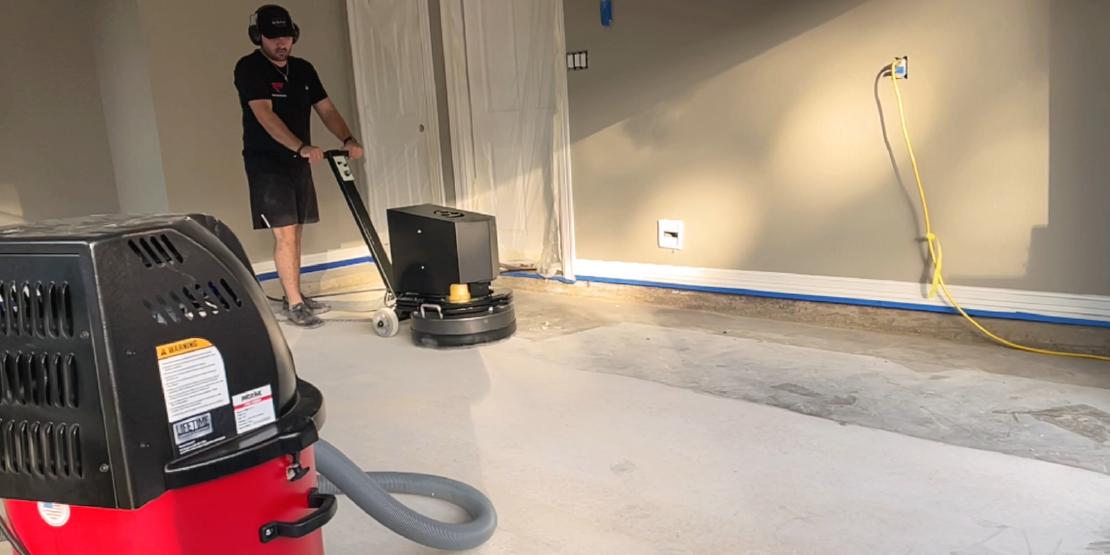
The process of installing and applying coatings to retail spaces varies according to the type of coating being used. Primarily, the surface that is to be coated needs to be properly prepared. This typically involves cleaning the area to remove any dust, dirt, or grime, and making sure it is dry and level. Often, a primer or a surface conditioner is applied to ensure better adhesion of the coating. Surface preparation and usage of primer significantly influence the longevity and performance of the coating.
For the physical application of the coating, there are several methods that can be utilized, including spraying, rolling, and brushing. The chosen method usually depends on the type of coating, the size of the area to be coated, and the desired finish. It is crucial for coats to be evenly applied for consistent coverage. After the initial application, it often requires a specific period for curing and drying. Lastly, a sealant may be applied for extra protection and durability. It’s advisable to always adhere strictly to the manufacturer’s instructions when installing and applying coatings.
Tips for Maintaining and Upkeeping Your Chosen Coating
Once a coating has been applied in your retail space, regular maintenance is integral to ensure its prolonged life and maintain its visual appeal. Delicate cleaning methods are necessary to prevent scratches or other forms of damage. In instances of stubborn dirt or stains, it is wise to resort to professional cleaning services. Ensuring a clean, dust-free surface daily enhances the coating’s ability to resist wear and tear, especially in high-traffic areas.
Another key aspect of upkeep revolves around timetable scheduling. Regular waxing, depending upon the coating type, might be necessary to preserve the floor’s sheen. Similarly, certain coatings require re-application after a set period, to keep the surface from appearing worn out. Retail businesses should understand the specifics of their chosen coating, and schedule services accordingly. Furthermore, it’s paramount to attend to any minor damages immediately, as these could potentially lead to significant issues affecting the entire coated area, incurring higher repair costs.
Why is the coating in retail spaces important?
Coating in retail spaces is important because it protects the underlying material from damage, enhances the aesthetic appeal of the space, and can even contribute to the branding and retail identity.
What are some common types of coatings used in retail spaces?
Some common types of coatings include epoxy, polyurethane, acrylic, and latex. The choice of coating is often determined by factors such as durability, aesthetic appeal, cost-effectiveness, and environmental impact.
How does the aesthetic appeal of a coating impact its selection?
The aesthetic appeal of a coating can significantly impact its selection. A coating that complements the retail space’s design and branding can enhance the overall customer experience.
What factors should be considered when evaluating the durability of a coating?
When evaluating the durability of a coating, consider its resistance to wear and tear, its ability to withstand high-traffic areas, and its longevity.
Why is regular maintenance and cleaning important for coatings?
Regular maintenance and cleaning are essential to maintain the coating’s appearance and extend its lifespan. It also helps to prevent any damage or deterioration.
How can I determine the cost-effectiveness of a particular coating?
To determine the cost-effectiveness of a coating, consider its initial cost, its durability, and the expenses associated with its maintenance and cleaning.
How does the coating contribute to branding and retail identity?
The choice of coating can enhance the brand image and retail identity by complementing the overall design, colors, and theme of the retail space.
What environmental impacts are associated with different coatings?
Some coatings may emit volatile organic compounds (VOCs) that can harm the environment. It’s essential to choose eco-friendly coatings with low VOC content.
What safety considerations should I bear in mind when choosing a coating?
Safety considerations include the coating’s resistance to slips and falls, its ability to withstand fire, and its impact on indoor air quality.
Are there specific coating solutions for different retail environments?
Yes, specific coating solutions are available for different retail environments. For instance, epoxy coatings are often used in high-traffic areas due to their durability.
What tips can you give for maintaining and upkeeping my chosen coating?
Tips for maintaining your chosen coating include regular cleaning, immediate repair of any damage, re-coating when necessary, and using proper cleaning products and methods.