
Self-Leveling Coatings: Benefits and Installation Tips
Understanding the Concept of Leveling Coatings
Leveling coatings, a type of paint or finish product, have a unique ability to self-level, resulting in a smooth, flawless finish. On application, these coatings distribute themselves evenly over the surface, placating the roughness or imperfections. This concept, embedded within their formulation, makes them an essential tool for both industrial and domestic applications where aesthetics and durability are as important as the speed and ease of application.
An essential component of these coatings is their unique composition that includes a mix of resins, solvents, additives and pigments. Together the components create a solution that flows well over the surface but doesn’t drain or drip. Thus, providing a finish that is easy to achieve, uniform, and requires minimal touch-ups. On a microscopic level, this results in even distribution of pigments and resins, ensuring consistent color, gloss, and protection across the coated surface.
The Unique Composition of Leveling Coatings
The fascinating blend that makes up leveling coatings contributes significantly to their functionality and effectiveness. These coatings are typically made from a mix of polymer resins, solvents, and some additives. Polymer resins are primarily responsible for the durability and adhesion of the coating to the substrate, while solvents facilitate the easy application of the mixture.
Importantly, incorporating additives into the solution enhances the coatings performance in several ways. These may include improving the coating’s resistance to UV rays, boosting its hardness and gloss, or increasing its resilience against chemical attack. Furthermore, these additives can imbue the leveling coating with self-leveling properties, enabling it to smooth out uneven surfaces on its own. Therefore, the unique composition of these coatings serves as the base for their various benefits and applications.
How Do Leveling Coatings Work?
Leveling coatings possess an exceptional self-spreading property that ensures their smooth, even application across different surfaces. This inherent characteristic is often attributed to their unique composition, embodying a fine balance of resins, solvents, and other additives. Therefore, upon application, the cohesive and adhesive forces in these components interact, leading to an even and smooth distribution of the coating.
The other critical factor in the working of leveling coatings is the phenomenon of ‘flow’. After the initial application of the coating, it continues to flow for a short duration until it starts drying up. During this flow period, gravity affects the liquid coating and helps it shift towards areas with less material, filling up dents and depressions. This ensures an even, leveled surface after the coating has completely dried; thus, justifying the term ’leveling coatings’. Let’s delve deeper into the key components and processes involved in the working of leveling coatings:
• Resins: These are essentially polymers that form a hard, clear surface once they dry. In leveling coatings, resins play an integral role by providing the necessary adhesive strength for the coating to stick firmly onto surfaces.
• Solvents: Solvents act as carriers for the resins and other additives in a leveling coating. They help maintain an ideal viscosity level which is crucial for achieving a smooth application. As solvents evaporate after application, they leave behind a layer of resin and additives on the surface.
• Additives: These ingredients enhance specific properties of leveling coatings such as drying time, glossiness or resistance to certain elements like UV rays or moisture.
• Cohesive & Adhesive Forces: The cohesive forces ensure that molecules within the coating stay together whereas adhesive forces allow it to bond with different surfaces effectively. Both these forces work hand-in-hand during application to create a uniform layer of coating.
• Flow Phenomenon: This refers to how liquid materials behave under gravity post-application before they start drying up. For leveling coatings, this phenomenon helps them spread evenly across all areas including dents and depressions on surfaces ensuring complete coverage.
Understanding these factors can provide valuable insights into why certain types of paints or finishes perform better than others in specific applications; thus helping users make informed decisions about their selection.
Advantages of Using Leveling Coatings
Leveling coatings offer numerous benefits to both residential and industrial applications. Despite being a simple premise, their application can significantly enhance the durability of surfaces. These robust coatings withstand extensive use, harsh environments, and the wear and tear of heavy foot or vehicle traffic, providing an extra layer of protection to the underlying surface. As a result, surfaces treated with these specialty coatings require less frequent repairs and replacements, making them a cost-effective solution in the long term.
Additionally, leveling coatings enhance the overall aesthetic appearance of surfaces. They create a smooth, uniform, and flawless finish, masking imperfections and unevenness. This feature is particularly valuable in places where visual appeal is as important as functionality, like retail spaces, homes, or showrooms. Moreover, these coatings are versatile and can be used on different surfaces ranging from concrete, wood, metal to plastic. Thus, the use of leveling coatings delivers not only practical benefits but also visual ones.
Increasing Durability with Leveling Coatings
Leveling coatings stand out for their effectiveness in enhancing the durability of surfaces. Unlike traditional finishes, these coatings provide a shield against a variety of physical damages which can degrade the surface over time. From scratches and stains to water damage and heat marks, leveling coatings deliver a robust layer of protection. So surfaces treated with these formulations are able to withstand high-traffic and rigorous use better than untreated ones, indirectly contributing towards a prolonged lifespan.
Leveling coatings also contain additives that protect surfaces from UV degradation. They seep deep into the surface grain, ensuring the detrimental effects of sun exposure are severely mitigated. Another merit is their superior resistance to chemicals, making them ideal for environments exposed to harsh cleaning agents or corrosive substances. Hence, the structural integrity of coated surfaces is preserved longer, ensuring continued functionality and fewer replacements or refurbishments. The strength and resilience provided by leveling coatings allow surfaces to maintain their finish and quality for a substantially extended period.
Improving Aesthetics with Leveling Coatings
One of the greatest benefits of leveling coatings is their ability to enhance the visual appeal of any surface. Even on surfaces that are uneven, cracked, or chipped, these specialized coatings can create a smooth and uniform finish. This effectively eliminates unsightly defects and elevates the overall aesthetics of the space. The wide range of available colors and finishes further contributes to this aesthetic enhancement, offering the freedom to customize according to individual preference or design requirements.
Additionally, leveling coatings can mimic the look of more expensive materials such as marble or granite, without the associated costs or maintenance requirements. This imbues an air of sophistication and luxury, lending spaces an elevated aesthetic at a fraction of the cost. The coatings also reflect light in a way that gives surfaces additional depth and luster, enhancing their visual appeal even more. Thus, leveling coatings prove to be an affordable and effective solution for aesthetic enhancement.
Ease of Maintenance with Leveling Coatings
Leveling coatings are well known for the simplicity they bring to the maintenance process. With their unique properties, they form a smooth surface that is easy to clean and isn’t prone to dust accumulation. This makes it an ideal choice for spaces that demand high levels of hygiene, such as healthcare facilities, commercial kitchens, and laboratories. Consequently, with these coatings, the time and effort typically dedicated to routine cleaning activities are considerably reduced, making it a more efficient way to manage surfaces.
Moreover, the durability of leveling coatings eliminates the necessity of frequent reapplications, adding to their low maintenance feature. Unlike other finishes which may flake, chip, or peel over time, leveling coatings maintain their integrity, cutting back on both repair and replacement costs. They are also resistant to a variety of damaging factors, including chemicals, abrasion, and UV light. This resistance further simplifies maintenance, requiring no specialized cleaning agents or practices. Thus, using leveling coatings allows for an easy upkeep while preserving their aesthetic appeal and functional quality.
Guide to Installing Leveling Coatings
Proper application of leveling coatings is crucial in achieving optimum durability and aesthetics. This process demands precision, adherence to specific procedures, and the use of appropriate tools. As a preliminary step, surface preparation plays a pivotal role in ensuring the coating adheres correctly. This step may involve cleaning the area thoroughly, removing any residual coatings, rust, or debris and smoothing out any rough patches.
The actual process of applying the leveling coating stirs next. Using a suitable tool such as a roller, brush, or spray, the application should begin from one edge, moving consistently to the other. The method used will depend on the area being covered and the type of coating employed. Remember, the coating should be applied evenly to avoid any ridges or inconsistent thickness. It’s better to apply multiple thin layers rather than a single thick one, giving ample time between layers for drying. Further specifications for each coating type can usually be found on the product label or within the manufacturer’s instructions.
Required Tools for Applying Leveling Coatings
Before diving into the actual process of applying leveling coatings, it is important to arm yourself with the essential tools. Particular attention should be given to the quality of these tools as they can significantly influence the final outcome. A notched trowel is at the top of the list for spreading the coating evenly. Sizes may vary depending on the specific surface needs. An industrial-grade roller with decent size nap is also critical to ensure a thorough and uniform application of the coating.
In addition to a notched trowel and roller, essential safety fixes like protective eyewear, gloves, and a respirator should not be overlooked. Also, a measuring tool or gauge is handy for ensuring the right thickness of the applied coating. Finally, a stirring tool, usually a drill with mix paddle attachment, is required for proper mixing of the coating before application. Always remember, the right tools can make or break the success of your project. Using suitable, high-quality tools can streamline the coatings process and give you a professional finish.
Preparation Steps for Coating Application
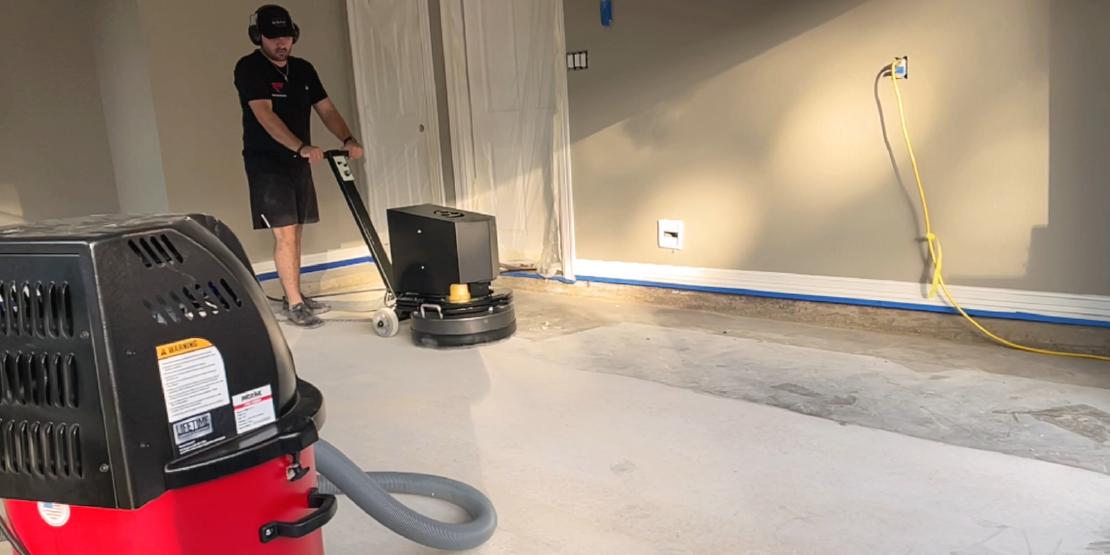
Before diving into the application of leveling coatings, preparation of the surface is pivotal. Cleanliness is the key to peak performance. To ensure a smooth and clean surface, all dirt, dust, grime, existing coatings and loose materials need to be removed. Use sandpaper or a power sander for the removal of any stubborn elements. This creates a surface that helps in achieving a uniform spread and adhesion of the coating, enhancing its effectiveness.
The moisture content in the surface to be coated should also be verified. It should ideally be below 4% as higher moisture levels might hinder the adhesion process. Next, use a primer that complements your specific coating. Primers are crucial in enhancing the adhesion capabilities of the leveling coating, contributing to the durability of the coat. Not just that, primers also assist in preventing problems such as peeling and cracking, resulting in a smooth and visually appealing finish.
Procedures for Applying Leveling Coatings
Before initiating the application process, ensure the surface to be coated is clean, dry, and free from grease or dust particles. Priming the surface is also recommended to increase the adherence of the leveling coating and prevent absorption of the coating by the material underneath. After priming, the surface should be sanded to create an optimal surface profile for the leveling coating.
The actual application of the leveling coating starts with thorough mixing of the coating material. It has to be stirred properly to guarantee homogeneity and avoid the formation of bubbles. Once stirred, the coating can be applied onto the prepared surface using a brush, roller or spray. The number of coating layers to apply depends entirely on the manufacturer’s guidelines or desired finish quality. Allow each layer to dry completely before applying the next.
Troubleshooting Common Issues in Leveling Coatings
Like any other procedure, the application of leveling coatings can encounter certain issues. Common problems may include uneven surfaces, bubbling, or curing times that are either too quick or too slow. Each of these issues has a specific cause, and understanding them will facilitate smooth application of the coating.
The irregularity of surfaces can largely be attributed to improper preparation. Perhaps the existing surface wasn’t thoroughly cleaned, or the primer wasn’t allowed to fully dry. Bubbling is another challenge, often the result of applying the coating too thickly or poor ventilation during the curing process. Curing-related problems, on the other hand, can be attributed to factors such as ambient temperature or inconsistent mixing of the leveling coating components. In understanding these problems, solutions and preventive measures become clearer.
Care and Maintenance Post Application of Leveling Coatings
Regular care post application of leveling coatings plays a pivotal role in ensuring longevity and optimum performance. Adherence to a stringent and methodical maintenance routine extends the life of the applied surfaces while ensuring a prolonged aesthetic appeal. The maintenance process, though straightforward, necessitates cautious observation and regular upkeep, routinely checking for damages or wear and tear. Small issues, if noticed in the nascent stages, can prevent the need for extensive repairs.
Tools and cleaning agents used for maintenance should suit the texture and properties of the specific coating. Additionally, households or industrial spaces may have unique cleaning needs influenced by the level of usage and exposure to damaging factors. For instance, a high-traffic area might need more frequent cleaning compared to low-traffic zones. Always refer to the manufacturer’s guidelines or consult a professional for targeted care and maintenance tips. Regular care and attentive maintenance will ensure that your leveling coatings continue to perform and look their best for years to come.
What exactly are leveling coatings?
Leveling coatings are special materials that are applied onto surfaces to make them smoother and more uniform. They are designed to fill in any uneven areas and provide a flat, level surface.
What is unique about the composition of leveling coatings?
The unique composition of leveling coatings often consists of an epoxy or polyurethane base that enables them to bond efficiently with various surfaces while offering strength and resistance to wear and tear.
How do leveling coatings work?
Leveling coatings work by filling in the uneven areas on a surface when applied. They then harden to create a smooth, consistent, and level layer.
What are the advantages of using leveling coatings?
Leveling coatings offer a range of advantages, including enhanced durability, improved aesthetics, and easy maintenance. They can extend the lifespan of surfaces and can significantly upgrade their appearance.
How can leveling coatings increase the durability of my surfaces?
Leveling coatings can provide an additional layer of protection to your surfaces, making them more resistant to wear, tear, and damage, thereby increasing their durability.
Can leveling coatings enhance the aesthetics of my surfaces?
Yes, leveling coatings can significantly enhance the aesthetics of your surfaces by providing them with a smooth, uniform, and polished appearance.
How can leveling coatings make maintenance easier?
Once applied and fully cured, leveling coatings create a smooth and impermeable surface that is easy to clean and maintain, reducing the need for frequent touch-ups or repairs.
What tools will I need to apply leveling coatings?
The specific tools required might differ based on the product, but generally, you would need a roller or trowel for application, a mixer for mixing the coating, and safety equipment like gloves and goggles.
What are the steps involved in preparing for coating application?
Preparation steps include cleaning the surface, removing any old paint or coatings, repairing any cracks or damages, and ensuring the surface is dry.
Are there specific procedures to follow when applying leveling coatings?
Yes, specific procedures should be followed when applying leveling coatings, including proper mixing of the product, applying a primer if required, and applying the coating in a uniform manner.
What common issues may arise with leveling coatings and how can I resolve them?
Some common issues may include bubbling, peeling, or uneven application. These can often be resolved by ensuring proper surface preparation, using the correct mix ratio, and applying the coating in the right conditions.
How should I care for and maintain my surfaces after applying a leveling coating?
After applying a leveling coating, it is important to clean the surface regularly and avoid any activities that could cause damage. In case of any damage or wearing out of the coating, a touch-up or re-coating may be required.