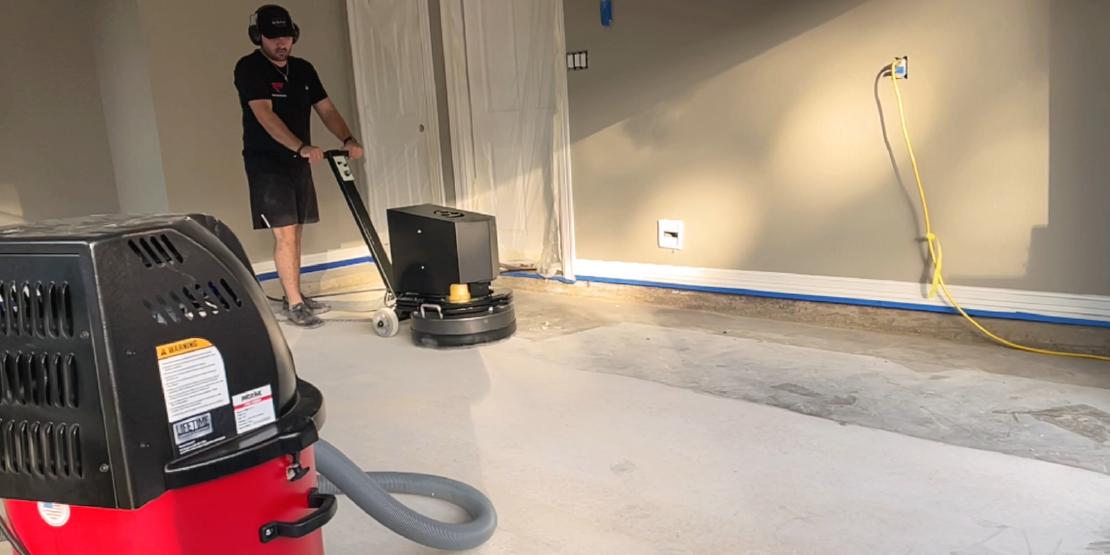

Showcase of Residential Floor Coating Projects
Understanding the Importance of Residential Floor Coatings
Floor coating is a crucial element in every residential construction or remodeling project. This is not just for enhancing the aesthetic appeal of the dwelling but also for ensuring the floor’s longevity and durability. As a barrier against wear and tear, a suitable coating can keep the structure of the floor intact for an extended period, saving homeowners from frequent and costly repairs.
Undeniably, residential floor coatings bear the brunt of all the indoor activities - from high foot traffic to spills and drops - hence the need for a reliable protective layer. Its benefits go beyond mere protection. It can vastly change the look and feel of a room, create a less slippery surface, provide easier clean-up, and even improve indoor air quality by reducing the number of allergens. Acknowledging these advantages, homeowners can make informed decisions when choosing floor coatings and thereby, contribute to a more comfortable and valuable living space. The importance of residential floor coatings can be understood through the following points:
• Enhances Aesthetic Appeal: Floor coatings play a significant role in improving the overall look and feel of a home. With various designs, patterns, and colors available, homeowners can choose one that best suits their taste and complements their interior décor.
• Increases Durability: Floor coatings act as a protective barrier against wear and tear caused by high foot traffic, spills, drops or furniture movement. This ensures longevity of the floors thereby saving on frequent repair costs.
• Creates Safer Spaces: Certain types of floor coatings provide slip resistance which is crucial for households with children or elderly people. It reduces accidents caused due to slipping on wet surfaces.
• Facilitates Easier Cleaning: Coated floors are usually resistant to stains making them much easier to clean compared to uncoated ones. They also repel dust particles reducing allergens in indoor air thus contributing towards healthier living spaces.
• Adds Value To Property: Well-maintained floors with good quality coating can significantly increase property value during resale.
In conclusion, understanding these benefits will help homeowners make an informed decision when choosing residential floor coatings; not just based on aesthetics but also considering factors like durability, safety, maintenance ease and property value enhancement.
Exploring Different Types of Residential Floor Coatings
One of the most popular types of residential floor coatings is Epoxy. Epoxy floor coating is a thermosetting resin that is known for its durability and adaptive aesthetics. It blends concoctions consisting of a polyepoxide resin and a hardening agent, forming a robust surface that can withstand heavy loads and high foot-traffic. Moreover, epoxy’s high-gloss finish and array of color options cater to a multitude of design preferences, making it a preferred choice for many homeowners.
On the other hand, Polyurethane floor coating is another effective application that boasts resistance to chemicals, abrasions, and ultraviolet light. Compared to epoxy, it offers a higher flexibility level, accommodating the natural movements of the substrate without cracking. Polyurethane coating presents a sleek, high-gloss, or matte finish, enhancing the overall aesthetic value. Its UV stability prevents discoloration over time, thus preserving the original appearance of the floor, irrespective of sun exposure. Furthermore, the ease of cleaning and maintenance associated with polyurethane floors adds to their alluring features.
Evaluating the Durability of Various Floor Coatings
Diverse floor coatings must be vigorously evaluated for their durability as incoming heavy traffic, falling objects, and exposure to weather elements can test its wear and tear. Most notably, epoxy coatings have gained popularity for their strong resistance to stains, chipping, and surface abrasions. Constructed from resin and hardening chemicals, this particular coating has a reputation for lasting up to 20 years with proper care and maintenance. Tile coatings, made from urethane, acetone, and water, also boast excellent durability. They resist both high impacts and temperature changes, making them suitable for households located in extreme climates.
Conversely, acrylic coatings, while providing a glossy finish to your floors, tend to have a shorter lifespan. They demand a frequent reapplication of coats and may not withstand heavy foot traffic as robustly as epoxy or tile. Polyurethane, a plastic-based product, is well-praised for its ability to resist scratches and it ensures your flooring looks new for years to come. Therefore, comparing and understanding the durability of various coatings is of paramount importance while deciding the right fit for your residential floor needs.
How to Choose the Right Floor Coating for Your Home
Determining the ideal floor coating for your home can seem like a daunting task. However, by analyzing specific parameters, one can simplify this decision-making process. One of the key aspects to consider is the primary use of the room. High traffic areas like living rooms or entry hallways may benefit from highly durable coatings such as epoxy or polyurethane, which exhibit excellent resilience to wear and tear. Similarly, for garage floors or workshops, where there’s potential exposure to chemicals, oil, or heavy tools, concrete coatings are a viable option due to their superior hardness and penetration resilience.
The aesthetic appeal of the floor is another significant consideration. The chosen coating should seamlessly fit in with the overall decor of the room to ensure a visually pleasing setup. Materials like stained concrete and terrazzo maintain an undeniable charm and come in a variety of hues to match individual preferences. Moreover, bear in mind the maintenance needs of the chosen coating. Natural stone floors may require periodic sealing, while wood may necessitate regular waxing to maintain their original luster. Last but not least, consider the cost –initial installation expense and future maintenance costs–to make a prudent choice.
The Process of Applying Residential Floor Coatings
Applying residential floor coatings requires careful preparation and execution. To start, the floor needs to be thoroughly cleaned, and any existing coatings or contaminants must be removed. Often, this involves cleaning the surface with specialized equipment and neutralizing chemical residues, if any, with a pH balancing solution. Major imperfections, cracks, and holes need to be filled and smoothed. After the preparation stage, a primer is typically coated on the floor which serves to promote adhesion of the subsequent coating.
Application of the actual residential floor coating is the next step. Depending on the type of coating, this might involve mixing multiple components together just before application. Many floor coatings, such as epoxy and polyurethane, are applied in multiple layers to achieve the best finish and durability. Each layer must be allowed enough time to dry before the next one is applied. Once the final layer has been applied, it also needs a set amount of time to cure completely. This curing period is crucial in obtaining a hard, durable surface that can withstand daily wear and tear.
Benefits of Using Professional Services for Floor Coating
Opting for professional services to apply residential floor coatings comes with a host of advantages. First and foremost, professionals are well-versed in the proper techniques for each type of coating, ensuring a flawless application. They are also familiar with the intricacies of the pre-application prep work, such as repairing chips or cracks, cleaning the surface, and creating optimal conditions for the coating to bond with the floor.
Another significant benefit of contracting professional services is the additional assurance of durability for your floor’s new layer of protection. Professionals use high-quality products and equipment to guarantee maximum longevity and wear resistance. Furthermore, they can provide expert post-application advice on maintenance and care to further enhance the lifespan of your floor coating. The added cost of professional service is often offset by reduced repair or replacement expenses in the future.
Case Study: Transforming a Kitchen Floor with Epoxy Coating
The transformative potential of epoxy coating was showcased when a homeowner decided to renovate his old, worn-out kitchen floor. Initially, the floor presented various challenges, including numerous stains, cracks, and outdated tiles that detracted from the overall aesthetic of the room. Furthermore, this kitchen floor’s condition had degraded over the years due to the high traffic and frequent spills typical in such areas. Epoxy coating was deemed a fitting solution due to its renowned durability, resistance to chemical damage, and easy maintenance.
The application process involved a thorough cleaning of the floor, removal of old tiles, and smoothing out uneven areas. Once prepared, the base layer of the epoxy coating was applied, followed by a more colourful top layer to create a stylish, modern effect. A finishing coat was then added for added gloss and longevity. Needless to say, the epoxy floor makeover dramatically uplifted the kitchen’s look, transforming it from outdated and worn to sleek, modern, and highly durable. The homeowner was pleased with the cleanability, durability, and aesthetics, marking the project as a resounding success.
Case Study: Enhancing a Living Room Floor with Polyurethane Coating
After living in their home for over ten years, the Johnson family decided it was time for a change. Their hardwood living room floor had seen better days, showing the scars of scratches, dents and faded areas from years of daily utilisation. Wanting a solution that wasn’t just attractive, but also durable, they opted for a polyurethane coating.
This choice wasn’t made lightly. The Johnsons researched different types of floor coatings, and polyurethane consistently stood out due to its superior durability and resilience. They wanted a floor that could withstand the heavy foot traffic, dropped toys, spills, and more that come with having three children. Despite a bit of sticker shock at the initial cost, the long-term benefits of a polyurethane-coated floor outweighed the upfront investment.
Case Study: Garage Floor Upgrade with Acrylic Coating
The Ethan family had a thirty-year-old garage floor which was visibly deteriorating. The concrete surface was pitted, stained and chipped in several areas. Seeking a more appealing and durable solution, they decided to explore acrylic floor coatings. Acrylic coatings are known for their fast-drying properties and resilience to harsh weather conditions, particularly suitable considering the garage is directly exposed to the driveway.
The professionals were called, and after thoroughly priming and patching the floor, an acrylic coating was applied. The transformation was instant; the garage floor achieved a shiny, clean and polished look, with greatly enhanced durability. The family’s satisfaction was evident with the stunning result. However, they were furthermore thrilled to discover how effortless cleaning became with the new acrylic coating, making it a highly recommended floor upgrade solution by them. A yearly resealing is all it takes to preserve this pristine condition. The Ethan’s garage floor upgrade by acrylic coating overwhelmingly proves the value and impact of residential floor coatings.
Proper Maintenance and Care for Coated Residential Floors
New-age floor coatings have no doubt uplifted the aesthetic appeal and functionality of residential floors significantly. However, proper maintenance is a quintessential aspect to ensure its longevity and preserve its stunning appearance. A well-maintained floor coating not only imparts a sophisticated and visually appealing look to your living space but also prevents signs of premature wear and tear. Regular cleaning using a damp mop and a mild cleaning agent is usually sufficient to keep dust and debris at bay from your coated floor.
High-traffic areas in your home may require additional care and maintenance to keep the floor coatings intact. Each type of residential floor coating has its unique set of maintenance guidelines. Epoxy coatings, for instance, are easy to clean and can resist water, oil, and grease stains. However, they may require a re-coating every few years, especially in areas that experience high wear and tear. Polyurethane coatings, conversely, are known for their high durability and require less frequent touch-ups, but harsh chemical cleaners can dull their shine. Hence, always refers to specific manufacturers guidelines to ensure proper care and maintenance. Careful practices can extend the life of your floor coatings remarkably, making it an investment of both aesthetics and durability for your home.
Common Mistakes to Avoid When Applying Floor Coatings
In the world of residential floor coatings, even minor errors can bring significant repercussions. Overlooking small details might cost homeowners not only aesthetically but also financially in the long run. One of the most frequent blunders is inadequate preparation of the existing floor. It’s crucial that the surface is clean, free of debris, and dry before adding any layer of coating. The application of coatings without proper preparation may lead to bubbling, peeling, or poor adhesion, significantly reducing the lifespan of the coating.
Furthermore, selecting the wrong type of coating is a common mistake that homeowners need to sidestep. Floor coatings are designed with different characteristics and functions, each tailored to suit a variety of floors and conditions. For instance, using an epoxy coating intended for garages on interior hardwood floors would not yield favourable results. Hence, face-to-face or online consultation with professionals can help homeowners choose the most suitable coating for their floors, taking into account the specific flooring material, expected foot traffic, and intended end appearance.
The Impact of Residential Floor Coatings on Home Value
Residential floor coatings offer more than just an aesthetic upgrade or damage protection; they significantly contribute to the overall value of your home. Properly applied, high-quality floor coatings tend to increase a home’s appraisal value due to their longevity, easy maintenance, and the sophistication they add to the interior. Houses with professionally installed floor coatings attract potential buyers, helping the property stand out in the saturated real estate market.
Special floor coatings like epoxy, polyurethane, and acrylic not only boost the durability of your floors, but they also present an investment that pays off when you decide to sell. Studies show that homes with these superior floor finishings often have higher market prices compared to others with standard flooring. Therefore, investing in superior residential floor coatings can render a significant profit in any future home sale.
Future Trends in Residential Floor Coatings
Today’s residential floor coatings are moving beyond function. Homeowners not only want a floor coating to protect and maintain the longevity of their flooring, but they are also seeking appealing aesthetics and environmentally friendly alternatives. With advancements in technology comes the rise of more cost-effective, sustainable, and aesthetically pleasing flooring solutions, leading to a shift in consumer preference towards eco-friendly options. The trend is for substances that are environmentally friendly, low-maintenance, and resilient, such as waterborne epoxy resins and natural plant-based resins.
Another buzzword in the residential floor coatings industry is “smart coatings.” These are coatings infused with technology to respond to changes in their environment, such as temperature and pressure, making them more adaptable and durable. The idea of self-healing coatings, which can repair themselves when slightly damaged, is also revolutionary. These smart coatings not only prolong the life span of a floor but also detract from the extensive maintenance otherwise required. Technological advancements are allowing these smart coatings to become more mainstream, providing residential spaces with an innovative flooring solution that is taking the industry by storm.
Why are residential floor coatings important?
Residential floor coatings are crucial as they not only enhance the aesthetics of the floor but also improve its durability. They can protect the floor from scratches, spills, and other kinds of damages, thus prolonging its lifespan.
What are some types of residential floor coatings?
The different types of residential floor coatings include epoxy, polyurethane, and acrylic. Each of these coatings has unique properties that make them suitable for different purposes and environments.
How can I determine the durability of a floor coating?
The durability of a floor coating can be evaluated based on several factors such as its resistance to wear and tear, its ability to withstand heavy traffic, and its resistance to chemicals, stains, and moisture.
What factors should I consider when choosing a floor coating for my home?
When choosing a floor coating, you need to consider factors like the type of floor, the amount of traffic the floor sees, the climate and environmental conditions, and your aesthetic preferences.
Can I apply residential floor coatings myself?
While it’s possible to apply residential floor coatings yourself, it’s often best to hire a professional. Professionals have the required skills, experience, and equipment to ensure a smooth and durable finish.
What are some benefits of using professional services for floor coating?
Using professional services for floor coating ensures a high-quality finish. Professionals are experienced and knowledgeable about the process and can provide advice on the best type of coating for your specific needs.
How does a floor coating affect the value of a home?
A well-applied, high-quality floor coating can significantly increase the value of a home. It enhances the aesthetics of the floor, improves its durability, and makes it more appealing to potential buyers.
What are some future trends in residential floor coatings?
Future trends in residential floor coatings could include the use of eco-friendly materials, the introduction of more durable and resilient coatings, and the use of advanced technology for precision application.
What are some common mistakes to avoid when applying floor coatings?
Some common mistakes to avoid include not properly preparing the surface before application, applying the coating in unsuitable weather conditions, and not allowing enough time for the coating to properly dry and cure.
How do I maintain and care for my coated residential floors?
To maintain and care for your coated floors, regular cleaning is essential. Additionally, avoid dragging heavy objects across the floor to prevent scratches and repair any damages promptly to preserve the coating’s durability.