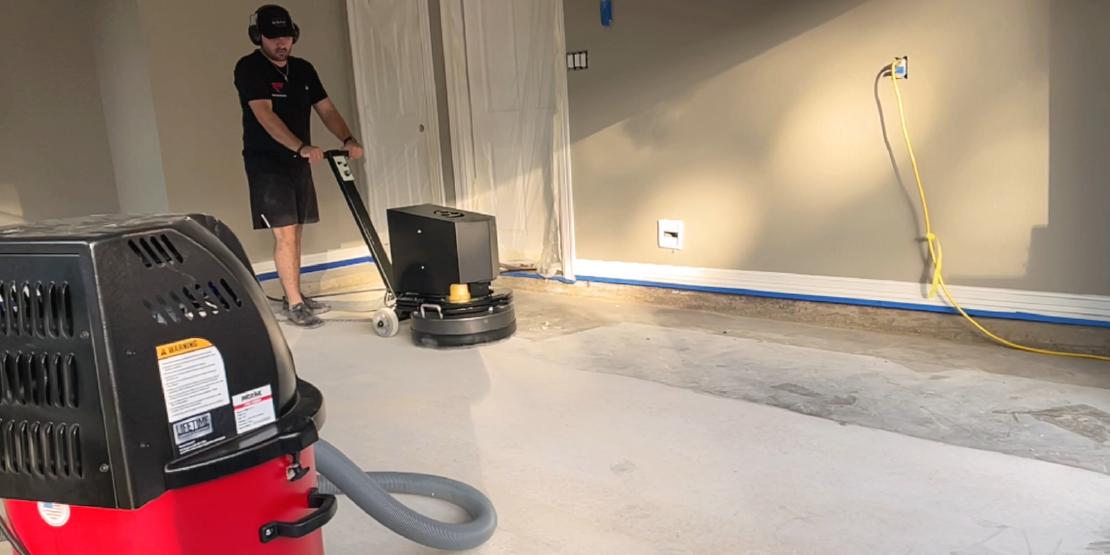

Slip-Resistant Coatings in Action
Understanding the Concept of Anti-Skid Finishes
Anti-skid finishes are a type of surface treatment application specifically designed to create traction and minimize the risk of slips and falls. These finishes, commonly used in both industrial and domestic settings, function by creating a coarse layer on the surface, thereby increasing the friction and ensuring safe movement. Emphasis is placed on aesthetics, durability, and slip resistance when developing these applications to offer an ideal balance of function and design.
Various materials, including resins, aggregates, and adhesives, are employed in the production of anti-skid finishes. The science behind their effectiveness lies in the interplay between these components that form a rough texture, subsequently enhancing grip. Different types of anti-skid coatings cater to a variety of uses, from bathroom floors and kitchen tiles, to decks, ramps, and industrial flooring. The technology and science behind these coatings are continually improving, making them an integral part of safety initiatives in various spheres of daily life.
Exploring the Importance of Non-Slip Applications
The value of non-slip applications is pronounced in many facets of our daily lives. They serve a vital role in promoting safety in settings such as industrial facilities, residential buildings, and commercial structures. The core aim of these applications is to reduce incidences of slip-and-fall accidents, which constitute a significant percentage of workplace-related injuries. Interestingly, these applications are not limited to floors alone but are also crucial for items such as tools, machinery, and even clothing, where a good grip is an essential safety requirement.
Several industries have taken advantage of anti-skid technologies, given the multifaceted benefits they provide. From the automotive sector, where non-slip applications help improve tyre grip on roads, to the marine industry, where they prevent accidents on wet and slippery decks— the importance of these applications cannot be overstated. Even in the hospitality sector, non-slip applications help prevent mishaps in areas like kitchens and bathrooms, where surfaces tend to be frequently wet. Further, in the sporting world, non-slip surfaces are used to enhance performance by providing better friction between sports equipment and the playing surface. The benefits of non-slip applications are numerous, and they can be broadly grouped into four categories:
• Safety: Non-slip applications significantly reduce the risk of accidents caused by slipping or falling. This is particularly important in high-risk environments such as factories, construction sites, and commercial kitchens. In residential settings too, these applications can help prevent accidents on slippery floors or stairs.
• Performance Enhancement: In sports and other physical activities, non-slip surfaces provide better grip for players and equipment alike. This not only reduces the risk of injury but also enhances performance by allowing better control over movements.
• Cost-Effectiveness: By reducing the number of slip-and-fall accidents, non-slip applications indirectly save money that might otherwise have been spent on medical bills or compensation for injured workers.
• Versatility: These anti-skid technologies can be applied to a wide range of materials including concrete, tile, wood etc., making them suitable for use in multiple industries.
In conclusion:
- The importance of non-slip applications extends beyond just preventing workplace injuries.
- They play a crucial role in various sectors including automotive industry where they improve tyre grip; marine industry where they prevent mishaps on wet decks; hospitality sector where they ensure safety in kitchens & bathrooms; sporting world where they enhance performance.
- Their versatility allows their usage across different materials which makes them highly beneficial from both safety & cost perspective.
Different Materials Used for Creating Anti-Skid Surfaces
When manufacturing anti-skid surfaces, a range of materials come in handy. One such material is thermoplastics which are widely applauded for their durability and resistance to fading. This attribute extends their application to high traffic areas such as ramps, loading docks, and industrial flooring. Thermoplastics offer a flexible option for anti-skid solutions, standing out as a preferable choice for surfaces needing wear and corrosion resistance.
In addition to thermoplastics, epoxy resins also find extensive use in creating non-slip surfaces. They demonstrate excellent adhesion characteristics, enabling them to bond securely with a variety of surfaces. By adding aggregates such as sand, aluminum oxide, or crushed walnut shells, the slip resistance of the epoxy flooring increases, enhancing its safety. Epoxy resins cater incredibly well to environments needing sanitary and chemical resistant flooring, like hospitals and food processing plants.
The Science Behind Anti-Skid Coatings
Anti-skid coatings function based on a simple, yet effective principle of increasing surface roughness. They contain chunky aggregates suspended in a carrier medium, providing a textured surface which generates friction underfoot. When pressure is applied, such as a footstep, the foot makes contact with the rough surface and the friction generated prevents slipping. Diamond, silica, rubber are examples of aggregates popularly used due to their high friction coefficients. Aggregates size contributes to the level of roughness and subsequently, the non-slip property of the coating.
Inherently, the performance of anti-skid coatings relies on the science of tribology, the study of friction, wear and lubrication between interacting surfaces. The coatings make it more difficult for a surface to become lubricated by water or any other slipping hazards, upholding friction even in damp or wet conditions. Moreover, they are usually combined with binders or adhesive agents to ensure high durability, allowing the coatings to sustain heavy foot traffic and environmental conditions without losing their anti-skid properties. Additionally, the use of UV-resistant materials in the formulation adds to the life span and effectiveness of these coatings.
How Anti-Skid Coatings Enhance Safety
The application of anti-skid coatings on surfaces greatly elevates the safety standard of any facility, be it a commercial, industrial, or residential setting. The underlying science is the creation of a high friction surface that profoundly reduces the chance of slipping accidents. Anti-skid coatings are specifically designed and employed to provide a gritty texture which increases traction, drastically decreasing the likelihood of falls and slips, especially in wet or oily conditions.
Implementing these anti-skid finishes safeguards not only physical health by preventing injuries but also significantly contributes to the mental well-being of the occupants or workers. The knowledge of having a secured environment reduces the stress and anxiety tied to potential accidents, thereby promoting a more relaxed and productive atmosphere. This protective element is particularly vital in high-risk industries such as oil rigs, commercial kitchens, or healthcare facilities where the floor surface often encounters spillage of various substances.
The Process of Applying Non-Slip Paints
The application of non-slip paints involves a step-by-step process that ensures proper adhesion and longevity of the coating. Initially, the surface is prepared thoroughly to remove dust, dirt, oil, and any loose paint. This is usually done using various techniques such as pressure washing, sand blasting, or even simple scrubbing, depending on the surface material. Surface preparation is a vital component in the process, ensuring that the anti-skid paint has a clean, suitable surface to adhere to, which in turn enhances its overall performance and durability.
The next step involves the actual application of the non-slip paint. There are various methods available, such as rolling, spraying, or brushing, again dependent on the surface type and the specific requirements of the project. A primer coat is often applied first, followed by the non-slip paint itself, which contains anti-skid additives. These anti-skid additives are the key factor in providing grip and traction, thereby enhancing the slip resistance of the surface. It often requires several layers to achieve the desired level of slip resistance, with each layer needing to dry fully before the next is applied.
Various Industries Benefiting from Anti-Skid Applications
Anti-skid applications have found widespread usage across numerous industries due to their significant safety enhancement attributes. The pivotal roles these coatings play cannot be overstated, offering considerably needed skid-resistance, especially in potentially hazardous areas. Industrial settings such as manufacturing plants, warehouses, and construction sites are primary beneficiaries of this technology. The nature of the work in these environments often involves heavy machinery, high-traffic areas, and rainy or snowy conditions, which can trigger accidents due to slipping.
In the hospitality industry, including restaurants, hotels, and resorts, the need for anti-skid finishes has risen. The surfaces in such establishments often become slippery due to frequent spills, creating hazardous conditions for both employees and visitors. Similarly, the healthcare sector also utilizes these applications extensively. The safe movement of staff, patients, and visitors within the premises is of paramount importance, making anti-skid coatings an invaluable resource. Furthermore, shipping and marine industries benefit from non-slip applications, as decks and walkways are continuously exposed to water and adverse weather conditions, which can lead to dangerous slip-and-fall accidents.
Benefits of Using Non-Slip Coatings in Domestic Settings
In the sphere of domestic settings, the application of non-slip coatings provides a multitude of benefits. These range from the enhancement of safety to the improvement of overall aesthetic appeal. Particularly in areas of a residence prone to water spillage or dampness, such as bathrooms or kitchens, these coatings significantly reduce the risk of accidental slips and falls. Anti-skid finishes when incorporated into floor design can impart a sleek and modern look, thereby elevating the aesthetic appeal of the space.
Furthermore, the durability and easy maintenance aspects of non-slip materials contribute to their increased popularity in contemporary homes. These anti-skid surfaces are designed to withstand wear and tear over years, thereby offering long-term cost efficiency. Routine cleaning methods are sufficient for their upkeep, which is a crucial factor for most homeowners when considering flooring options. Additionally, various materials and colour choices are available to seamlessly blend non-slip coatings into the existing decor.
Insight into the Durability of Anti-Skid Finishes
Durability plays a crucial role in the effectiveness and longevity of anti-skid finishes. These coatings are subjected to varying loads and conditions, such as foot traffic, vehicular movement, weather, chemicals, and even regular cleaning processes. Therefore, they are specifically formulated to resist wear and tear, abrasions, and other forms of physical damage. High-quality anti-skid coatings are generally characterized by their strong adhesion properties, surface toughness, and resilience against impacts and stress.
However, it’s essential to note that the durability of these coatings can fluctuate depending on the materials they’re applied upon and their maintenance. For instance, areas with heavy traffic would require more frequent reapplications compared to less utilized spaces. Environmental conditions are also a determining factor. While these coatings are designed to uphold extreme climates, excessively damp or freezing conditions can potentially compromise their effectiveness. Regular inspection and prompt response to apparent wear can prolong the lifespan of anti-skid finishes.
Maintenance and Care for Non-Slip Surfaces
Maintaining non-slip surfaces largely revolves around routine cleaning to keep them in optimum condition. It is advisable to sweep or vacuum these surfaces on a regular basis to remove dirt and other debris. High-traffic areas should be cleaned more often to minimize the build-up of grime that could potentially reduce the floor’s anti-skid properties. Always utilize non-abrasive tools and a mild, pH-neutral cleaner to safeguard the finish.
The use of harsh chemicals or abrasive cleaning tools can damage the surface of the floor, leading to reduced functionality over time. Severe scratches or damage may potentially compromise the non-slip finish, necessitating resurfacing or even replacement. Therefore, proper care procedures should be followed as recommended by the manufacturer. Regular inspection for signs of wear or degradation is key to effective maintenance, ensuring sustained safety and longevity for these essential surfaces.
Challenges and Solutions in Implementing Anti-Skid Coatings
One major setback in the application of anti-skid coatings is the need for right atmospheric conditions during the application. Ideal temperatures and humidity levels are crucial to the proper curing and adhesion of the coating. The surfaces to be coated also need to be thoroughly cleaned and free of contaminants. Any form of dust, debris, or oil on the surface can hinder the adherence of the coating. For indoor applications, the process becomes more cumbersome and time-consuming as proper ventilation is necessary to avoid the harmful fumes.
A practical solution to focusing on the necessary conditions for the application is utilizing weather-resistant, or temperature-flexible formulas. These innovative formulas can withstand varying atmospheric conditions and can be applied under a broader range of temperatures. Moreover, advances in technology have introduced eco-friendly, low VOC (Volatile Organic Compounds) anti-skid coatings that emit minimal harmful substances during the application. The utilization of professional cleaning services before the application is also a key step. These services ensure the readiness of the surface and guarantee the maximum efficacy of the anti-skid coatings.
Case Studies of Successful Anti-Skid Coating Implementations
In the maritime industry, the case of a global shipping company stands out. The company identified an increased risk of accidents due to slippery decks and chose to implement anti-skid coatings. The coating used was highly resistant to harsh weather and constant wear and tear. Not only did the company improve safety levels onboard, but they also found the coating to be cost-effective, reducing maintenance demands and extending the lifespan of the decks.
In another instance, a renowned hospital in a tropical city integrated these specialized coatings into their infrastructure. The common ceramic tiles used in hospital flooring were proving to be quite slick due to high humidity and the frequent cleaning processes. The hospital integrated anti-skid coatings on the floors throughout the facility. This proved to be beneficial in preventing slips and falls, thereby increasing safety for both patients and staff. The durability of the coatings also ensured a reduced frequency of reapplications, thereby proving to be cost-effective.
Future Trends in Non-Slip Surface Technology.
The demand for non-slip or anti-skid surfaces, particularly in industries such as construction, automotive, and marine, along with domestic environments, has fueled intensified research and innovation in this area. Advanced materials, incorporating nano-technology and cutting-edge composites, are rapidly evolving. Novel anti-skid coatings using silica nano-particles and ceramic composites have been scientifically proven to provide enhanced friction, even in moist and oily conditions. Such breakthroughs promise to revolutionize the non-slip surface technology.
Meanwhile, the development of smart anti-skid systems is gaining momentum. These systems can detect the level of friction between a surface and an object, enabling automatic adjustment of surface properties to prevent slippage. Engineers are continually testing these intelligent, adaptable non-slip surfaces with the expectation that they will soon become commonplace in various sectors, including transportation and health care, where the safety stakes are high. Sustainability is also an important factor, with many project leaders focusing on eco-friendly, non-toxic, and recyclable anti-skid materials. By continually embracing technological advancements, anti-skid finishes are ensuring the heightened safety of surfaces everywhere.
What are anti-skid finishes?
Anti-skid finishes, also known as non-slip coatings, are surface treatments that increase friction and reduce the chances of slipping. They are often applied to floors and other surfaces in both industrial and residential settings.
Why are non-slip applications important?
Non-slip applications are crucial to enhancing safety. They reduce the risk of accidents caused by slippery surfaces, particularly in wet or oily conditions.
What materials are typically used in creating anti-skid surfaces?
A variety of materials can be used to create non-slip surfaces, including rubber, vinyl, metal, and various types of specialized paints and coatings.
How do anti-skid coatings work?
Anti-skid coatings work by increasing the surface roughness of the material they are applied to. This increases the friction between the surface and any object or person coming into contact with it, reducing the likelihood of slipping.
What industries benefit from anti-skid applications?
Several industries benefit from anti-skid applications, including construction, manufacturing, marine industry, hospitality, healthcare, and even residential settings.
How is non-slip paint applied?
Non-slip paint can be applied using a brush, roller, or spray, depending on the specific product and the surface to be coated. The surface should be clean and dry before application.
What are the benefits of using non-slip coatings in domestic settings?
In domestic settings, non-slip coatings can enhance safety in areas such as bathrooms, kitchens, and staircases. These coatings also add to the durability of the surfaces and are easy to maintain.
What are the challenges in implementing non-slip coatings?
Challenges in implementing non-slip coatings include ensuring an even application, dealing with environmental conditions during application, and balancing the need for safety with aesthetics.
How durable are anti-skid finishes?
The durability of anti-skid finishes can vary greatly depending on the type of material, the coating used, and the conditions the surface is exposed to. However, generally, they are designed to be long-lasting and resistant to wear and tear.
What are the future trends in non-slip surface technology?
Future trends in non-slip surface technology include the development of environmentally friendly coatings, improvements in durability and friction control, and the integration of technology for enhanced functionality, such as self-cleaning or color-changing properties.