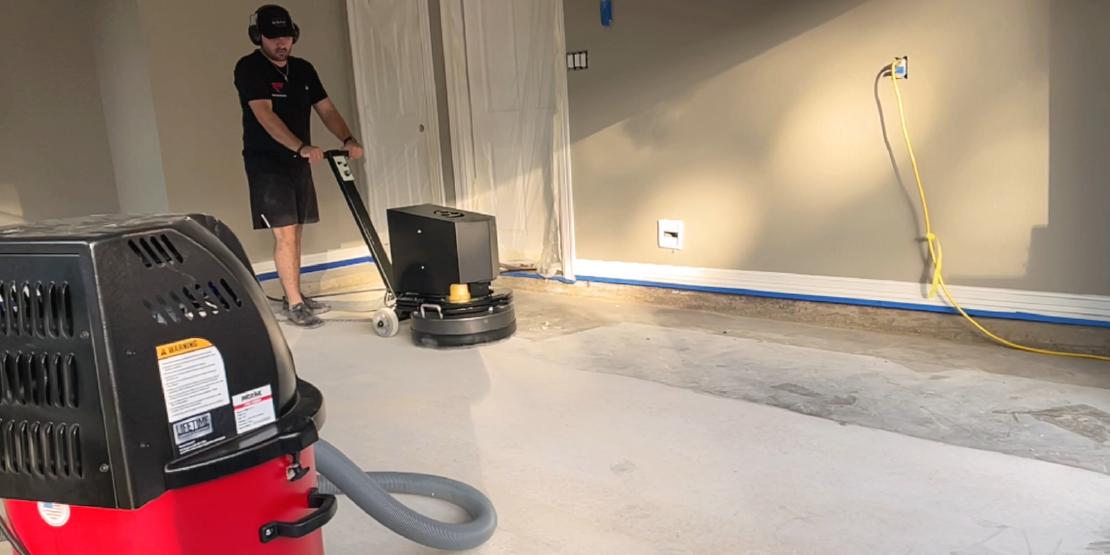

Solutions for Cracked or Damaged Garage Floors
Understanding the Causes of Garage Floor Damage
Garage floor damage is primarily a result of mechanical stresses and environmental factors. Mechanical stress can be derived from heavy loads, such as cars, heavy tools, and other pieces of large equipment that exert pressure on the surface. Long term exposure to such pressures can cause the concrete to crack. On the other hand, frequent dropping of heavy tools may cause noticeable chips and dents on the floor.
Environmental factors like moisture, temperature fluctuations, and the age of the concrete all play a significant role in the deterioration of garage floors. Moisture can infiltrate the concrete, expand and contract with temperature changes causing fractures over time. Additionally, older concrete may be more susceptible to damage due to its wear and tear over the years. Understanding these causes, is the first step towards maintaining a well-kept garage floor.
How to Assess the Severity of Garage Floor Cracks
The initial assessment of garage floor cracks begins with a detailed examination. This involves physically scrutinizing the length, width, and depth of the cracks, along with any signs of moisture penetration or discoloration. Digital measuring tools such as calipers and depth gauges can provide accurate measurements. It’s equally important to note whether the cracks have resulted in concrete flaking or if they extend all the way through the slab.
The subsequent stage is a structural analysis, where the possibility of the garage floor’s instability is scrutinized. Larger cracks, typically wider than 1/8-inch, can pose serious concerns that may extend beyond just the aesthetics. The direction and pattern of the cracks can also indicate potential underlying issues, such as soil subsidence or excessive load. An unusual crack pattern or widespread cracking suggests a more severe problem requiring immediate attention.
The Importance of Quick Repair for Garage Floor Damage
Delay in addressing garage floor damage can often lead to costly repercussions. Quick repair of these damages is essential as minor cracks and chips, if neglected, can expand or multiply, ultimately weakening the underlying concrete base. Not only does this compromise the overall integrity of the floor, but can also pose safety concerns. Moreover, moisture seeping through these crevices can lead to hazardous mould growth and even affect the durability of your vehicle over a prolonged period.
Performing a quick repair as soon as damage is noticed is not merely economical but also adds to the longevity of the garage floor. It can effectively curb issues like dusting, where small concrete particles get dislodged from the surface. Unrepaired garage floor damage may also invite intrusion by pests, especially in a residential setting, thereby magnifying the gravity of the situation. Undeniably, the rapid remedy of garage floor problems is indispensable in avoiding escalated issues and preserving its functional and aesthetic appeal.
Preparation Steps Before Repairing Garage Floor Cracks
Careful and meticulous preparation is paramount before embarking on the task of repairing garage floor cracks. First and foremost, the entire flooring area must be thoroughly cleaned. This is to ensure that debris, dust, and any detached concrete particles are wholly removed. Sweeping might not suffice for this purpose; therefore, consider using a vacuum or pressure washer for a more effective cleaning. Also, the use of a wire brush can significantly enhance the surface’s readiness for the repair, specifically the cracks’ internal walls.
Once the cleaning process is complete, it is crucial to pinpoint the exact locations of the cracks and assess the severity of each one. Keep in mind that not all cracks are the same; some may require a simple filler, while others involving structural damage might need a more substantial solution like epoxy injection or polyurethane sealants. Mark these cracks appropriately to have a clear plan of action during the repair. Any underlying moisture issues should be addressed as well, since ignoring them can create unfavorable conditions for the applied repair materials. For a more thorough diagnosis, consider investing in a moisture test kit. It can greatly contribute to understanding the actual condition of your garage floor.
Utilizing Concrete Fillers for Minor Garage Floor Cracks
Concrete fillers serve as an effective solution to minor garage floor cracks caused by regular wear and tear. They are surface sealants that not only fill the cracks but also restore the balance and aesthetic appearance of the floor. While their application might seem daunting to the uninitiated, they are relatively easy to use, even by a novice home repair enthusiast.
One can purchase concrete fillers in pre-mixed tubs or in powder form which need to be diluted with water before application. After the application, it’s important to leave the fillings to cure for a duration specified by the manufacturer. After the filler has thoroughly dried and hardened, it forms a solid, durable surface ready for normal garage use. Despite the easy use, safety precautions should always be observed during the application to avoid accidental contact with eyes and skin.
Resorting to Epoxy Injection for Major Garage Floor Cracks
Epoxy injection is often considered the best method for addressing major cracks in garage floors. This repair method is specifically designed to restore the structural integrity of damaged concrete. Epoxy is a high-strength adhesive that can penetrate deeply into cracks and bind the broken sections together. Once cured, the epoxy offers durability and resistance that can often exceed that of the original concrete.
Using epoxy injection requires meticulous preparation of the crack area to ensure successful, long-lasting repair. The crack must be thoroughly cleaned of dust, debris, and loose concrete. It’s also crucial to inject the epoxy correctly. The material should fill the entire length and depth of the crack, reinforced by a sealant on the surface to prevent future damage. Improper application may lead to incomplete filling of the crack, resulting in less effective repair.
Polyurethane Sealants: A Solution for Expanding Cracks
When facing expanding cracks in garage floors, one of the most effective solutions available in the market involves the use of polyurethane sealants. Composed of urethane polymers, these sealants are renowned for their superior flexibility, durability, and resistance to harsh weather conditions. The inherent elasticity of polyurethane allows it to shift with the movement of the concrete, effectively accommodating the continuous expansion and contraction of the floor. As a result, the sealant keeps the crack sealed and prevents further deterioration caused by water penetration or freeze-thaw cycles.
In application, polyurethane sealants are incredibly user-friendly. They come in a variety of forms, including pourable mixtures and self-leveling formulations. Regardless of the chosen forms, the application process generally involves cleaning the crack, applying the sealant, and allowing it to dry naturally. Once set, the polyurethane imparts water-resistant and protective features to the treated floor, effectively preventing additional moisture infiltration and expansion. With such benefits, it’s no wonder that many homeowners and professionals alike consider polyurethane sealants a preferred choice for maintaining garage floors.
Overhaul: When to Consider a Complete Garage Floor Replacement
There are certain instances where minor repairs might not offer the most economical and efficient solution for your garage floor issue. Often, the extent of damage is beyond repair and continuing with fillers, sealants, or injects can be like putting a bandaid on a much greater problem. The more prudent action, in these cases, would be to consider an overhaul or complete replacement of the garage floor. This process involves the removal of the existing floor and the installation of a new one. Factors such as the age of the floor, the severity, and frequency of cracks, damage from previously failed repairs, and structural issues play a key role in making this decision.
Garage floor replacement can seem like an extreme measure. However, it’s important to remember that it offers an opportunity to correct any underlying issues that might be causing continual surface problems. Furthermore, going for an overhaul could potentially result in a longer-lasting and more durable floor, reducing the need for constant repairs. A new garage floor also gives the vehicle owner the chance to choose a modern, tough material created with today’s technology and could add to the resale value of the home. Thus, a garage floor replacement might be more beneficial in the long run, despite the initial cost and disruption.
Preventative Measures: Keeping Your Garage Floor Crack-Free
Preventing garage floor damage starts with choosing high-quality concrete and proper installation. It’s crucial to prepare the ground thoroughly, compact it, and add a layer of gravel before pouring the concrete. Builders should ensure the mixture is of appropriate consistency and use steel reinforcements in the concrete to enhance its stability and strength. Regularly applying concrete sealant may protect your garage floor from water damage, the primary culprit that leads to cracks.
A sensible approach to preserving garage floors is practicing careful usage. It’s best to avoid dragging heavy items across the floor and clean up oil spills immediately to prevent staining and deterioration. Practicing regular cleaning by sweeping or scrubbing can help remove harmful substances. Similarly, controlling the environment around your garage can be instrumental in preventing damage. Make sure gutters and downspouts direct water away from the garage and ensure there’s sufficient drainage since pooling water can lead to cracks and pits.
Materials and Tools Required for DIY Garage Floor Repair
To undertake DIY garage floor repair, identifying the right materials is integral. This involves acquiring concrete fillers, epoxy injections, or polyurethane sealants depending on the crack’s severity. Furthermore, a wire brush is vital for cleaning debris around the crack and creating a surface that the filling agent can bond to. If the crack is large, a chisel or jackhammer might be required for further broadening to ensure full exposure. Additionally, a paint roller or brush is essential for applying a membrane-forming curing compound and covering the filled crack to promote bonding.
Among the crucial tools for DIY garage floor repair falls the protective gear. Safety glasses, gloves, and protective clothing are a must to minimize the chance of injury during the repair process. A trowel or a putty knife is necessary to fill minor cracks and smooth out the sealant or filler. In the case of bigger cracks, a caulking gun is used for epoxy injection. Last but not least, a measuring tape helps ascertain the cracks’ depth and width to gauge the required amount of filling material accurately. Regular cleaning materials such as a mop and bucket are equally critical for post-repair clean up. Remember, a successful repair is not only about fixing the visible damage, but also ensuring a neat and clean finish.
Safety Precautions When Repairing a Damaged Garage Floor
Ensuring personal safety during the repair process of a damaged garage floor is of utmost importance. It cannot be stressed enough how crucial it is to wear appropriate protective gear. This includes gloves, safety goggles, and sturdy footwear to prevent any physical injuries. Use of respirators or masks is also recommended especially when dealing with concrete dust or harmful chemicals found in repair materials.
Apart from physical safety, one should also be aware of proper handling and disposal of materials. Many repair substance like epoxy injections and polyurethane sealants can be hazardous if not handled with care. Always refer to the manufacturer’s safety and proper handling guidelines. Proper ventilation is also a key aspect during the repair work, as breathing in fumes from chemical reactants may pose a health risk. While working with power tools, ensure they are in good condition to eliminate chances of accidents.
Maintenance Tips for a Long-lasting Garage Floor
Maintaining the quality and longevity of your garage floor requires frequent cleaning and immediate attention to any visible damages. Regular sweeping will remove abrasive dirt and debris that could slowly degrade the surface over time. Optimal care necessitates frequent, thorough washing to eliminate potential stains and harmful chemicals which often spill from parked vehicles onto the floor. Furthermore, avoid dragging heavy equipment across the garage floor as it may scratch the protected surface causing serious damages.
To bolster the protective layer of the floor, an annual resealing is often recommended. Quality sealers create a barrier that resists water, chemical penetration, and dusting. They also offer improved durability, making it easier to clean and maintain. The use of concrete densifiers as a part of your maintenance routine further solidifies the concrete, increasing its resistance to wear and tear. Additionally, repairing minor cracks promptly prevents them from escalating into greater issues in the future.
When to Call a Professional for Garage Floor Repair
There are certainly instances when a DIY approach just can’t suffice, and professional help is required to rectify serious garage floor damage. If the floor has extensive damage, numerous large or expanding cracks, shifting, or major foundational problem, then these are situations best managed by a skilled contractor. It’s crucial to remember that a damaged garage floor is not merely an aesthetic issue, but it might also present a safety hazard, and could have underlying issues that require expert detection and repair.
Yet another circumstance that warrants professional assistance is if you notice water seepage through the cracks. This could suggest that the water is exerting upward pressure, which could lead to more serious damage if not appropriately addressed. In such cases, a professional contractor can provide an effective waterproofing solution. In addition, if you have attempted DIY repairs but find the damage keeps recurring, it may signal deeper, structural issues that a professional can help identify and rectify.
What causes garage floor damage?
Damage can occur due to several reasons including the natural aging process, heavy vehicle weight, exposure to chemicals, or temperature fluctuations which can cause the concrete to expand and contract.
How can I determine the severity of garage floor cracks?
It depends on the size and depth of the crack. If the cracks are less than 1/4 inch wide, they are usually not too severe. However, if the cracks are wider or if the floor is uneven, it might indicate serious issues which require professional intervention.
Why is it important to repair garage floor damage quickly?
Delaying repair can lead to further deterioration of the floor, making it unsafe and more costly to fix later. It can also allow water and harmful chemicals to seep into the concrete, causing additional damage.
Can I use concrete fillers to repair minor garage floor cracks?
Yes, concrete fillers are a common solution for minor cracks. They can easily fill the crack and blend with the existing floor.
What is epoxy injection and when should it be used?
Epoxy injection is a method used to fill major cracks in the garage floor. It is a strong, long-lasting repair solution that seals the crack completely preventing further damage.
Should I consider a complete garage floor replacement?
Complete replacement is usually the last resort when the floor is extensively damaged or if the repairs have not been effective.
How can I keep my garage floor crack-free?
Regular maintenance, avoiding heavy loads, cleaning spills promptly, and protecting the floor from harsh chemicals can help in keeping the garage floor in good condition.
What are the necessary tools for DIY garage floor repair?
You will need a broom or vacuum cleaner, concrete filler or epoxy, a putty knife, wire brush, and a sealant.
What safety precautions should I take while repairing a garage floor?
Ensure you are wearing protective clothing, including gloves and eye protection. Also, make sure the area is well-ventilated when using chemicals.
When should I call a professional for garage floor repair?
If the cracks are large, if the floor is uneven, or if you are unsure about the severity of the damage, it’s a good idea to call a professional. They can accurately assess the situation and provide an effective solution.