
Solutions for Cracks and Chips in Coated Floors
Understanding the Causes of Flooring Damage
Flooring damage can be caused by a host of factors, leading to a multitude of issues such as aesthetic degradation, compromised structural integrity, and safety hazards. High traffic areas or spaces inhabited by pets and small children are often subject to increased wear and tear, resulting in scratches, dents, or general dullness. Other factors including improper installation and lack of maintenance contribute significantly to the deterioration of floors. Prolonged exposure to direct sunlight can cause discoloration, while water ingress due to spills or humidity can lead to warping and buckling.
In addition to these, specific kinds of floors demand various types of care, the lack of which can engender damage. For instance, wooden floors are susceptible to termites and rot, while stone and tile floors might crack under severe impact. Incorrect cleaning methods or using the wrong cleaning agents can also lead to harmful chemical reactions that degrade the coating, diminishing the floor’s appearance and longevity. Furthermore, environmental conditions such as extreme temperatures or abrasive materials dragged across the surface can impose considerable harm. Recognizing these potential causes is crucial in preventing flooring damage and ensuring long-lasting, durable surfaces.
Identifying Different Types of Floor Coatings
The dynamic world of floor coatings offers myriad options, each with its own pros, cons, and aesthetics. Epoxy coatings are a popular option due to their durability, resistance to chemicals, and wide range of available colors. Polyurethane coatings are celebrated for their resilience, high resistance to UV light, and their ability not to yellow over time. Acrylic coatings, while not as robust as epoxy or polyurethane, are known for their quick drying times and relative ease of application.
Let us not forget Polyaspartic coatings, a relatively new entrant in the floor coating market, but quickly gaining favor for their extremely quick curing times and superior chemical resistance. Innovative Nano hybrid coatings blend different materials to create a finish that combines the best properties of each. Similarly, the use of decorative chips or quartz in conjunction with another coating offer both aesthetic appeal and increased slip resistance. Each floor coating serves a unique purpose and the choice often hinges on the specific needs of the space. • Epoxy Coatings: These coatings are renowned for their durability and resistance to chemicals, making them a popular choice in industrial settings. They also come in a wide range of colors which can be customized to match any aesthetic needs.
• Polyurethane Coatings: Known for their high resilience and excellent UV light resistance, these coatings do not yellow over time like some other options might. This makes them an ideal choice for outdoor applications or areas exposed to direct sunlight.
• Acrylic Coatings: While they may not be as robust as epoxy or polyurethane coatings, acrylics dry quickly and are relatively easy to apply - factors that often make them the go-to option for DIY enthusiasts.
• Polyaspartic Coatings: A newer entrant into the market, Polyaspartic coatings have gained favor due to their extremely quick curing times and superior chemical resistance. Their ability to cure at varying temperatures also adds flexibility during application.
• Nano Hybrid Coatings: These innovative solutions blend different materials together at a microscopic level creating a finish that combines the best properties of each component material. They offer increased durability compared with traditional coating options while maintaining an aesthetically pleasing finish.
• Decorative Chips/Quartz : Often used in conjunction with another type of floor coating, decorative chips or quartz add both visual appeal and increased slip resistance – making this combination especially useful in commercial spaces where safety is paramount but aesthetics cannot be compromised.
In conclusion, selecting the right floor coating involves understanding your specific needs including considerations around durability, aesthetics, chemical exposure levels, UV light exposure levels etc., before making a decision.
Common Types of Damage in Coated Floors
One common type of damage is surface scratches and dents. This often occurs in high-traffic areas where there is constant movement of people or heavy objects. Surface scratches may appear minor initially, but if ignored, they can deteriorate the surface quality over time, leading to more severe types of damage like pitting or cracking. This damages the visual appearance of the floor and diminishes its aesthetic appeal, along with potentially affecting the floor’s stability or Intensity.
Another common type of damage seen in coated floors is discolouration. Factors such as continuous exposure to sunlight, harsh cleaning chemicals or spillage of staining substances can fade the color or cause uneven coloring. This type of damage doesn’t affect the functional properties of the floor, but can significantly change the aesthetic aspect as well as perceived cleanliness of the environment. Discolouration gives the coated floor an old and worn-out look that is not appealing to the eye.
How Weather Conditions Can Affect Coated Floors
Extreme weather conditions can significantly impact the integrity of coated floors. Under high humidity levels, the moisture content in air can seep into the floor coatings, causing them to swell and lose their adhesive properties. This results in bubbling, cracking, or even delamination of the coating from the substrate. Vigorous heat can cause similar disruptions, leading to the formation of cracks or causing the coating to become brittle and easily fractured.
Even low temperatures pose a threat to coated floors. Frigid conditions can lead to the contraction of the floor coating, promoting cracks and other forms of physical damage, and diminishing the overall protective quality of the coat. Furthermore, constant exposure to sunlight may lead to fading of the original coat color due to UV radiation. Various weather conditions indeed play a crucial role in the lifespan and aesthetic appeal of coated floors.
The Role of Proper Installation in Preventing Floor Damage
To stave off damage, a correctly implemented floor installation holds key importance. This process not only involves laying down the chosen flooring material, but also preparing the underlying surface, applying the correct type of adhesive, and ensuring the floor coating is applied evenly and thoroughly. Failure in any one of these steps can result in a host of potential problems, including blistering, peeling, cracks, and an overall decrease in the lifespan of the floor.
Appropriate installation techniques vary depending on the type of floor coating used. For example, epoxy coatings require a different application method compared to urethane coatings. The wrong method can lead to poor adhesion and coverage, eventually resulting in damage. For this reason, it is crucial to follow the manufacturer’s instructions exactly. When implemented properly, a correctly installed floor can maintain its appearance and function for many years, saving homeowners significant time and money in repairs.
Techniques to Limit Physical Damage to Coated Floors
In order to keep coated floors durable and pleasing to the eye, judicious and smart steps ought to be employed. Regular maintenance and cleaning are key procedures that can limit physical damage to floor coatings significantly. Sweeping and vacuuming can help remove dirt, dust, and other abrasive particles that may erode the floor’s protective coating. Maintaining cleanliness not only preserves the aesthetic appeal but also bolsters the floor’s resistance to wear and tear.
The use of suitable cleaning materials is also pertinent in protecting the integrity of the coating. Not all cleaning agents are suitable for all types of floor coatings. Some chemicals can be harsh and may end up causing more harm than good. Utilizing coating-compatible cleaning products can help maintain the coating’s luster while ensuring that it remains intact over time. Additionally, placing rugs and mats in high-traffic areas may help in reducing the impact of foot traffic, one of the primary causes of physical damage to coated floors.
Repairing Minor Floor Damage: A Step-by-Step Guide
Minor floor damage can often be handled with a little know-how and a few specific tools. Given the multitude of flooring types and finishes available on the market, it’s always wise to first identify your flooring material and finish before embarking on any repair work. Hardwood, vinyl, tile, and coated concrete each have their own unique repair methods and products best suited for the task. Alongside, the type of finish applied to your flooring may also determine the proper approach and tools necessary for minor repairs.
The first step to repairing minor floor damage involves cleaning the affected area thoroughly. Be it scratches, small holes, or cracks, ensuring the damaged area is free from dust and debris is critical. A clear, clean area provides the best surface for binding repair materials, such as wood filler or putty. Once the area is prepared, applying a matching floor filler according to the product’s instructions can mend the damage effectively. After the filler has dried, sanding the area gently will blend the repair with the adjacent floor. Lastly, applying a layer of protective floor coating can help conceal the repair and offer some resistance against future damage.
Dealing with Major Damage: When to Call a Professional
When encountered with significant flooring damage, understanding when to opt for professional help is critical. The type of damage that requires expert intervention can range from deep gouges to extensive surface peeling. It’s also necessary to reach out to a specialist if there’s substantial discoloration or staining that can’t be fixed with a standard clean or chemical treatment. Seeking professional help ensures the damage will be assessed correctly, and an appropriate repair plan will be implemented.
It’s not just about visible damage, understanding the potential for hidden issues is another key reason to engage a professional. Subfloor damage often goes unnoticed but can lead to critical problems if left untreated. Similarly, a coating failure can compromise the integrity of the floor, leading to more significant, long-term damage. A professional service guarantees thorough inspection and repair, ensuring peace of mind and reducing the risk of future flooring problems.
Tools and Materials Needed for Floor Repair
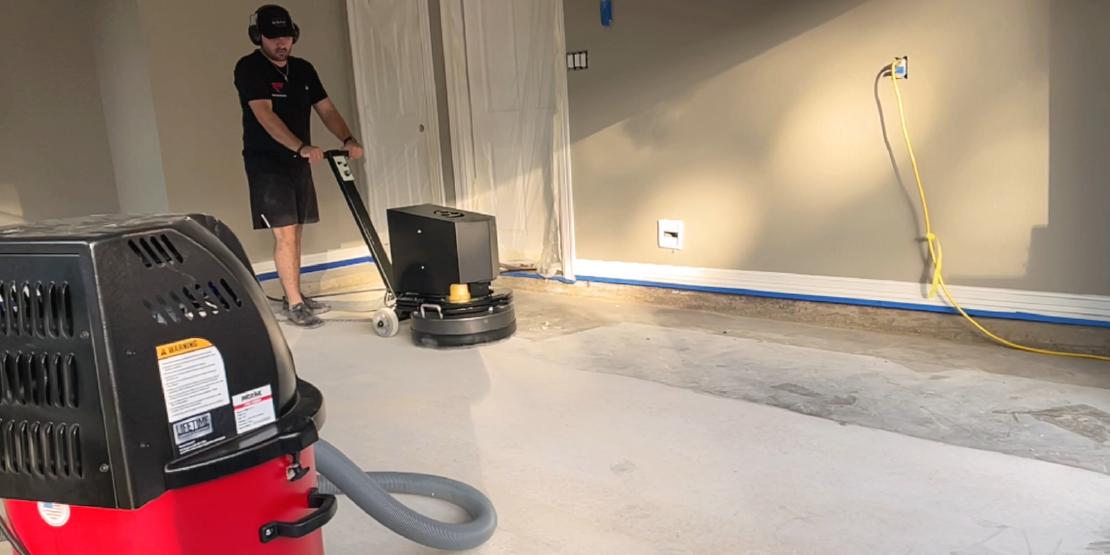
The process of floor repair demands a careful selection of proper tools and materials. The most basic toolkit should include a putty knife, a scraper, a floor buffer or sander, a vacuum cleaner, a mop, and a bucket. Personal protective equipment (PPE) such as gloves, safety glasses, and a dust mask are equally essential. The putty knife and scraper serve to remove old coating or peeling paint while the floor buffer or sander aids in smoothing the surface. On the other hand, the vacuum, mop, and bucket ensure cleanliness by eliminating dust particles before applying a new coating.
Selecting materials for floor repair depends mainly on the type of floor coating. Epoxy, urethane, and acrylic coatings are some of the common ones. Epoxy delivers a highly resistant and durable view, favoured for high-traffic areas. Urethane, though similar to epoxy, provides superior resistance to UV light and chemicals. Acrylic coatings dry quickly and offer excellent colour and gloss retention. Besides these, concrete sealers can be used on concrete floors to provide a protective layer against moisture and stains. It’s crucial to mix these materials as per the manufacturer’s instructions to achieve the best results. Keeping these tools and materials handy can make the floor repair process much more manageable and efficient.
Preventative Measures to Protect your Coated Floor
The longevity and appearance of any coated flooring largely hinge on the level of preventive measures taken. Continuous care is key to maintaining the floor’s durability while amplifying its aesthetic appeal. The former is crucial to sustain the floor’s strength and immunity against scratches, spills, symbolizing its resilience. On the other hand, the latter influences the overall appearance and attractiveness of the indoor space. Predominantly, basic preventive steps involve daily sweeping, avoiding the use of harsh detergents, and immediate spill cleanup, thereby ensuring minimal abrasion and surface discoloration.
Moreover, care extends beyond regular sanitation. It includes adhering to particular usage etiquette that guarantees the floor’s safety. Implementing the use of protective pads on furniture legs, for one, contributes significantly to the reduction of scuffs and unwanted indentations. Equally essential is controlling foot traffic, namely, keeping away heavy boots and high heels that pose a threat to the floor’s surface integrity. Ultimately, comprehensive preventive measures facilitate a flourishing lifespan and foster the radiance of the coated floor.
Maintaining Your Coated Floor: Tips and Tricks
Regular maintenance is an integral aspect of ensuring that your coated floor retains its original appeal and durability. This process requires attention to the type of floor coatings used and the specific care they need. Exercise consistency in your cleaning schedule, opting for daily sweeping and dusting to remove sand. Filaments and other forms of debris, especially those that might lead to surface scratches. Use soft-bristled brooms or damp mops to avoid causing abrasion to the floor coat.
Various coated floor types respond differently to employed cleaning methods. For instance, water-based coated floors are best cleaned using pH-neutral cleaning detergents. This ensures the floor’s finish is not compromised. On the other hand, solvent-based coated floors can stand up to harsher detergents. Avoid ammonia and vinegar-based cleaners, as they can damage the floor’s coating. Additionally, applying appropriate sealants and wax can also significantly extend your floor’s lifespan. Regular inspection and maintenance by professional service providers can also help identify minor damages before they escalate. In all this, ensuring you follow manufacturer’s care guidelines is critical in maintaining the quality and longevity of your coated floor.
The Importance of Regular Floor Inspections
Carrying out regular floor inspections is an essential component of maintaining the integrity and longevity of your floor. This regular check ensures the early detection of any flaws or damages that could worsen over time if left unattended. In the case of coated floors, inspections can be particularly important, as coating damage can often be subtle and difficult to spot with an untrained eye.
Floor inspections typically involve a thorough check for signs of visible damage such as cracks, chips, discolouration or warping. Additionally, a good inspection assesses the general condition of the floor, its texture and shine, and whether the coating is intact and performing its protective role properly. Therefore, floor inspections shouldn’t be taken lightly, as they play a pivotal role in preserving your investment. Regular inspections can save you hefty amounts in repair costs and significantly extend the life of your floor.
Long-Term Care for Your Coated Floor: Keeping It Like New
To ensure the longevity of your coated floor, one key aspect to consider is a consistent cleaning routine. Regular sweeping or vacuuming can systematically remove dirt and other abrasive particles that may accumulate over time. The use of cleaning products must be chosen carefully. Non-abrasive and pH-neutral floor cleaners are highly recommended to prevent discoloration and preserve the coating’s integrity.
Additionally, periodic deep cleaning procedures are equally crucial in the long-term maintenance of your floor. One effectual method involves scrubbing the surface with a soft brush or pad, followed by mopping with a microfiber pad to pick up any remaining residue. Be careful to avoid using excessive water as it may seep into the crevices and cause damage over time. Always remember, long-term care goes hand in hand with proper installation, daily cleaning, and timely repair of any damage for your coated floor to remain as good as new.
What are common causes of flooring damage?
Common causes of flooring damage include physical impact, wear and tear, exposure to harsh chemicals, and extreme weather conditions.
What are the different types of floor coatings?
There are various types of floor coatings including epoxy, polyurethane, acrylic, and polyaspartic coatings. Each type has its own advantages and disadvantages.
What are common types of damage in coated floors?
Common types of damage in coated floors include cracks, chips, discoloration, dulling of the finish, and peeling.
How do weather conditions affect coated floors?
Extreme weather conditions can lead to contraction and expansion of the floor material, causing cracks or deformities. Moist conditions can cause mold or mildew growth.
How important is proper installation in preventing floor damage?
Proper installation is crucial in preventing floor damage. Incorrect installation can lead to premature wear and tear, uneven surfaces, and even structural damage.
What techniques can limit physical damage to coated floors?
Techniques to limit physical damage include using furniture pads, regularly sweeping and cleaning the floor, and avoiding dragging heavy objects across the floor.
How can one repair minor floor damage?
Minor floor damage like small cracks or chips can be repaired using a suitable filler or putty, then sanding the area smooth before applying new coating.
When should a professional be called to deal with floor damage?
In cases of major damage, such as large cracks, structural damage, or extensive wear and tear, a professional should be called to assess and repair the damage.
What tools and materials are needed for floor repair?
Basic tools for floor repair include a putty knife, sandpaper, and a paintbrush. Additional materials will depend on the type of damage; common materials include filler, sealant, and floor coating.
What preventative measures can protect a coated floor?
Regular cleaning, using furniture pads, avoiding dragging heavy furniture, and regular inspections can help prevent damage to a coated floor.
What tips and tricks can help in maintaining a coated floor?
Regular sweeping and mopping, immediate cleaning of spills, and the use of gentle, non-abrasive cleaning products can aid in maintaining a coated floor.
How important are regular floor inspections?
Regular floor inspections are vital for early detection of potential issues and damage, allowing for timely repairs and prevention of further damage.
How can I keep my coated floor looking like new in the long term?
Consistent care, including regular cleaning, inspections, immediate repairs, and use of protective measures can keep your coated floor looking like new for a long time.