
Step-by-Step Application Process for Epoxy Coatings
Understanding Epoxy Coatings
Epoxy coatings have revolutionized the world of paint applications and protective measures for different surfaces. Known for their unparalleled durability and strength, they offer a retinue of benefits, including chemical resistance, high gloss, and exceptional adhesion. As a two-part system that consists of an epoxy resin and a hardener, they form a tough, rigid, high-gloss finish once cured.
The versatility of epoxy coatings is apparent in its vast utility areas - from industries to garages, to residential floors. Their thickness and ability to resist wear and tear make them an ideal choice for high-traffic and high-impact areas. Though they have a significantly longer drying and curing time compared to most paints, the eventual result is a high-performance coating that lasts for many years.
The Importance of Surface Preparation
When it comes to applying epoxy coatings, success largely depends on the meticulousness of surface preparation. Before beginning any coating project, it becomes paramount to thoroughly clean, repair, and leave the surface well-prepared. It fundamentally influences the adhesion between the epoxy and the surface, directly impacting the durability, look, and lifespan of the epoxy coating. Thus, meticulous surface preparation can never be overemphasized.
Even for the highest quality epoxy, poor surface preparation can cause bubbling, peeling, or complete failure of the coating. Foreign substances such as grease, dust or existing loose paint interfere with the adhesion of the epoxy to the surface, thereby reducing its effectiveness significantly. Concrete surfaces additionally require profiling— a process of opening up the pores of the concrete — to enable better absorption of the epoxy. Hence, to attain the optimal results from an epoxy coating, comprehensively prepping the surface is a critical and non-negotiable step.
Materials Required for Epoxy Application
To execute a successful epoxy coating project, careful attention to the materials utilized is paramount. The most fundamental need is the epoxy resin itself, usually composed of two parts — a resin and a hardener. These two components, once mixed, result in a durable and resilient coating that protects the underlying material. Furthermore, the color, transparency, and glossiness of the finish are also influenced by the specific type of epoxy resin chosen.
On top of the epoxy resin, various ancillary materials are essential for the task. Application tools such as paint brushes, rollers, or squeegees ensure smooth and even distribution of the epoxy. Depending on the surface area and volume of epoxy, a mixing pot and stir stick may also be needed to accurately combine the resin and hardener. Next, surface preparation materials like cleaners, degreasers, and sandpaper are critical for achieving proper adhesion between the epoxy and the substrate. Safety equipment such as gloves, goggles, and respirators protect the applicator from potential harm from epoxy fumes and skin contact.
How to Prepare the Surface for Epoxy Coating
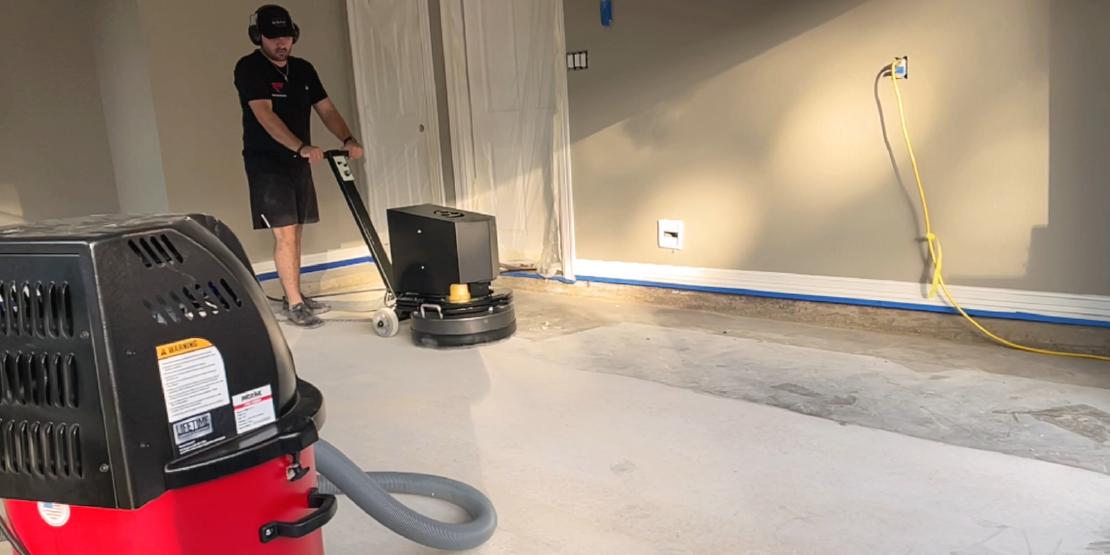
Surface preparation lies at the heart of an effective epoxy coating. Dirt, oil, and grease are common contaminants that must be removed from the surface prior to applying the epoxy coating. Old paints or coatings should also be stripped off to ensure a smooth and clean surface. Both mechanical and chemical methods are used for this purpose. Sandblasting is a popular mechanical method effective for larger surface areas, while chemical strippers are often used to tackle stubborn old paints or coats.
Once the surface has been stripped off its old coating and contamination, it’s needed to check if it’s dry and free of moisture. Moisture poses a real challenge to epoxy coatings as it hampers proper adhesion. A moisture meter can be used to assess surface moisture. In addition, the surface may need to be leveled using a grinder to eliminate any bumps and irregularities. After a thorough cleaning, it must be confirmed that the surface pH is neutral to ensure optimal results. For this, a pH-neutral cleaner can be used.
Mixing the Epoxy Coating Solution
Before jumping into the physical application, an important step is preparing the epoxy coating solution. This process involves combining two components: resin and hardener. It’s a significant step because the resultant chemical reaction gives epoxy its strong adhesive properties and robust resistance to harsh conditions. Care must be taken to mix these parts carefully, too much or too little of either component might impair the functionality of the coating.
There’s also a critical timing component to the mixing process. Once combined, the epoxy solution starts a cure process. If the mixture sits for too long before being applied to the surface, it begins to harden and can become unmanageable. Therefore, it’s imperative to apply the mixed solution promptly, within the designated ‘pot life.’ Following the manufacturer’s instructions will deliver the best results and ensure the longevity of the applied epoxy coat.
Applying the Primer: A Crucial Stage
Primer application plays a significant role in ensuring the successful adhesion of epoxy coating on the surface. It is often overlooked, yet, it serves as the backbone of the entire epoxy application process. The primer helps in sealing the pores of the concrete, provides additional built and makes it easier for the epoxy to bond with the surface, leading to a durable, long-lasting coating.
The process starts by mixing the primer according to the manufacturer’s instructions. Using a roller or brush, the primer should be applied evenly on the entire surface. Care should be taken to ensure no area is left out as this can compromise the final quality of the epoxy coating. After application, it is generally recommended to allow the primer to dry for about 12-24 hours before proceeding with the epoxy application.
How to Apply the Epoxy Coating
After mixing the epoxy coating solution, the application process begins. It requires both skill and precision to ensure a uniform, glossy finish. Begin this task by loading a roller cover with your mixed epoxy solution. This tool should be damp but not too saturated, making sure the epoxy is not dripped during application. The goal is a smooth, even distribution.
Begin applying the epoxy coating by pressing the roller onto the surface gently and then utilizing a back-and-forth motion. Roll the epoxy onto the surface as if painting a wall, working in manageable sections. It is important to overlap the edges of each section to ensure seamless continuity in the final appearance. Always remember not to rush the process to maintain the quality and durability of the coating. A well-applied epoxy coating results in a robust and visually appealing surface.
Ensuring Proper Thickness of Epoxy Coating
The overall effectiveness and durability of an epoxy coating heavily rely on achieving the correct thickness. It is crucial to note that the thickness of the coating isn’t merely a matter of esthetics but also of functionality and lifespan. An improperly thick layer can result in premature peeling, unevenness, and other detrimental issues.
Measuring coating thickness during application can be done using a thickness gauge, providing real-time data to ensure optimal coating. The readings on the gauge can guide the applicator on whether there is a need for additional coating. Once the epoxy coating has cured, a dry film thickness (DFT) gauge can be employed to check if the applied coating complies with the specifications in the manufacturer’s data sheet. This process is crucial as it facilitates identification of potential problems and allows for corrections before an entire batch of work needs re-doing.
Drying Time and Curing Process of Epoxy Coating
Once the epoxy coating has been applied to the desired surface, it enters a stage called the initial set. This stage can last anywhere from 6 to 24 hours, depending on the specific type of epoxy used and the environmental conditions. During this period, the epoxy coating should not be disturbed as it is still vulnerable to dents, scratches, and contamination. The epoxy takes on its hardened state in this phase, but it has not yet reached its full strength or durability.
Following the initial set period, the epoxy then enters the curing process. The curing process is a chemical reaction where the epoxy coating achieves its superior hardness and durability characteristics. Curing times can range from 24 hours to several days, dependent upon product formulation and environmental conditions. During the curing process, it is vital to prevent contact with water or chemicals as it can negatively impact the finish. The full potential of epoxy coating’s resilience and lifespan is realized after the complete curing process.
Possible Problems and Solutions During Epoxy Application
Epoxy application, while straightforward, can have its share of challenges. One common issue is bubbling or pinholing, where small bubbles form on the surface of the coating. This often happens due to improper mixing, excessive heat, or too rapid curing. Moreover, blushing, a condition in which a waxy, usually white layer forms on the surface during the curing process, can be a concern. It mostly occurs when the epoxy is applied in high humidity or low temperature. These problems can affect the durability and appearance of the epoxy coating.
Resolution for these problems lies in proper techniques and conditions during epoxy application. For avoiding bubbles, ensure the epoxy mixture is stirred slowly and adequately, and the environmental temperature is maintained within the recommended range during application and curing. A heat gun can be used to remove bubbles that have already formed. In case of blushing, applying a thin layer of denatured alcohol can help remove the waxy layer. Applying epoxy when humidity levels and temperatures are within the ideal range can prevent the occurrence of blushing. Regular maintenance of epoxy coatings also goes a long way in mitigating these issues. Always remember that the perfect epoxy coating installation is a mix of science, technique, and patience.
Maintaining Your Epoxy Coating
Once a surface has been coated with epoxy, a few preventive steps can ensure its longevity. Routine cleaning is one of the most effective ways to keep your epoxy surface in top shape. Use a mop and a gentle cleaner to remove dirt, dust and any spills that can erode or stain the coating over time. Always avoid using abrasive cleaning tools or harsh chemicals, as they can damage the epoxy coating.
Even with excellent maintenance, epoxy can sometimes develop minor scratches and wear over time due to high traffic or heavy equipment. Regular inspection of the coated surface can help detect any early signs of wear and tear. Small damages can typically be repaired with a patch kit, seamlessly restoring the original look of the epoxy surface. However, larger or more severe damages may require professional intervention. Regular maintenance and prompt repair when necessary, keep the epoxy coating looking glossy and new for years to come.
Safety Guidelines for Epoxy Application
Epoxy application, like any other chemical-based project, requires a set of safety protocols for a risk-free procedure. Wearing personal protective equipment (PPE) is paramount for safeguarding practitioners. This may include, but is not limited to, industrial safety glasses, dust masks or respirators, and protective clothing to shield against potential skin irritation or other health hazards. Also, ensuring proper room ventilation helps control and minimize fumes that may arise during the application process.
Handling and calculation of epoxy components also demands caution. Be extra vigilant while mixing the epoxy and hardener; an error in proportions can compromise the final result and lead to potential safety risks. It’s advisable to utilize gloves when mixing, to prevent direct skin contact with the solution. Lastly, safe disposal of leftover epoxy material should not be overlooked. Errant disposal can be hazardous, therefore, meticulously following the product’s disposal instructions is both safe and environmentally responsible. In addition to these safety measures, there are several other guidelines that should be followed while working with epoxy:
• Always work in a well-ventilated area: This can help control and minimize the fumes that may arise during the application process. It’s also advisable to use an exhaust fan or open windows for better airflow.
• Use protective clothing: Wearing clothes that cover most of your skin is important when handling epoxy. This includes long-sleeved shirts, pants, and closed-toe shoes.
• Wear eye protection: Industrial safety glasses can protect your eyes from accidental splashes or exposure to epoxy fumes.
• Use gloves: Using disposable gloves can prevent direct skin contact with the solution, reducing the risk of irritation or allergic reactions.
• Follow mixing instructions carefully: An error in proportions between the epoxy and hardener can compromise the final result and lead to potential safety risks.
• Dispose of leftover materials properly: Errant disposal of leftover epoxy material can be hazardous. Therefore it’s crucial to follow product-specific disposal instructions closely.
Remember, by adhering strictly to these safety guidelines you not only ensure personal health but also contribute positively towards maintaining a safe environment for everyone around you.
Tips for a Successful Epoxy Coating Project
For a successful epoxy coating project, meticulous planning and preparation are vital. It is important to evaluate the condition of the surface prior to application. Any cracks, chips, or other irregularities should be addressed beforehand to ensure a smoother application. Furthermore, selecting an epoxy coating solution of high quality can significantly impact the longevity and durability of the coating.
Following safety guidelines during the process is another crucial factor. Using proper personal protective gear such as gloves, safety goggles, and a mask can protect the applicator from potential health risks. Paying attention to the atmospheric conditions and temperature can also greatly influence the application and curing process of the epoxy coating. It is beneficial to avoid application during damp or excessively hot conditions.
What are epoxy coatings?
Epoxy coatings are a type of protective coating that consists of an epoxy resin and a hardener. When these two components are mixed together, they form a strong, durable, and resistant coating that can be applied to a variety of different surfaces.
Why is surface preparation important for epoxy coating?
Surface preparation is important because it helps to ensure that the epoxy coating adheres properly to the surface. If the surface is not prepared properly, the coating may not stick well, leading to cracking, peeling, or other issues.
What materials are required for epoxy application?
Some of the materials required for epoxy application include the epoxy resin and hardener, a squeegee or roller for application, a mixing stick or drill attachment for mixing the epoxy, and protective gear such as gloves and goggles.
How should I prepare the surface for epoxy coating?
The surface should be clean, dry, and free of any dust or debris. Any cracks or holes should be filled and the surface may need to be sanded or etched to ensure proper adhesion of the epoxy.
How do I mix the epoxy coating solution?
The epoxy resin and hardener should be combined in the ratio specified by the manufacturer. Once combined, the solution should be mixed thoroughly until it is a uniform consistency.
What is the role of the primer in epoxy application?
The primer serves as a base coat that helps to ensure strong adhesion of the epoxy coating to the surface. It can also help to seal the surface and prevent any moisture or contaminants from affecting the epoxy coating.
How do I apply the epoxy coating?
The epoxy coating can be applied using a squeegee or roller. It should be spread evenly over the surface, ensuring to cover all areas.
How can I ensure the proper thickness of the epoxy coating?
The thickness of the epoxy coating can be controlled by the amount of pressure applied during the application. Using a gauge or other measurement tool can also help to ensure the coating is the correct thickness.
What is the drying time and curing process for epoxy coating?
The drying time for epoxy coating can vary based on the specific product and environmental conditions, but generally it takes around 24 hours to dry. The curing process, which is when the epoxy hardens and becomes fully set, can take several days to a week.
What are some possible problems that can occur during epoxy application and how can they be solved?
Possible problems during epoxy application can include bubbles or fisheyes in the coating, uneven application, or the coating not hardening properly. These issues can often be solved by ensuring the surface is properly prepared, the epoxy is mixed correctly, and the coating is applied evenly.
How do I maintain my epoxy coating?
Epoxy coatings can be maintained by regularly cleaning the surface with a mild detergent and water, avoiding use of harsh chemicals, and repairing any cracks or damage promptly.
What are some safety guidelines for epoxy application?
Safety guidelines for epoxy application include wearing protective gear such as gloves and goggles, ensuring the workspace is well-ventilated, and avoiding contact with the epoxy solution.
Do you have any additional tips for a successful epoxy coating project?
Make sure to follow all manufacturer instructions carefully, take your time to prepare the surface properly, and don’t rush the application process. If you’re unsure or uncomfortable applying the epoxy yourself, consider hiring a professional.