
Step-by-Step Guide to Preparing Floors for Coating
Understanding the Importance of Proper Floor Coating Preparation
The preparation stage is often deemed the most critical aspect in the entire floor coating process. Preparation is essentially the groundwork that dramatically influences the durability, aesthetics, and overall performance of your floor surface. A properly primed floor ensures that the applied flooring material adheres correctly, preventing premature wear, chipping, or peeling. This initial step goes beyond mere cleaning, it requires needed attention to detail to ensure an optimal outcome in the subsequent stages of coating.
Even the finest floor coating may not perform as expected without sufficient preparation. This detail-oriented undertaking encompasses different processes such as identifying and rectifying prevalent floor damage, stripping old coatings and sealers, dealing with moisture issues, and smoothing out the surface. All are essential to guarantee a pristine floor canvas ready for the new coating. Neglecting this crucial phase could lead to an array of problems, including lower-quality finish, shorter lifespan, and possible costly repairs in the future.
Choosing the Right Floor Coating
There are multiple factors to consider when selecting the ideal floor coating. It’s crucial to understand the conditions and pressures the floor will encounter, the desired look, and the long-term maintenance requirements. The many types of floor coating available include epoxy, polyurethane, acrylic, and polyaspartic coatings, each with their unique characteristics and advantages.
Epoxy coatings are known for their durability, resistibility, and longevity, making them an excellent choice for industrial settings. Polyurethane is renowned for its flexibility and high resistance to impacts and abrasions, ideal for places with heavy machinery and footfall. Acrylic coatings are generally used for outdoor spaces due to their UV resistance ability, while polyaspartic coatings offer quick curing times, making them suitable for fast-paced projects. Balanced consideration of the aesthetics, strength, and functional needs of the floor will guide you choosing the most effective floor coating for your application.
Gathering the Necessary Tools and Materials
Before diving into the floor coating process, assembling the required tools and equipment is a crucial step. It ensures smooth operation and limits unnecessary interruptions. Some of the primary tools needed include a broom or vacuum cleaner for dust removal, a mop or any cleaning tools for floor surface cleaning, and a paint roller or brush for applying the floor coating.
To comprehensively address floor irregularities and previous coatings, a floor grinder or sander might be required. For personal safety, always remember to include protective gears like safety goggles, gloves, and respiratory masks. Additional materials include the primer, base coat, and top coat materials, which generally come in large buckets. The focus should be on quality; therefore, avoid substandard materials which may compromise the longevity and effectiveness of the floor coating.
Safeguarding the Surrounding Areas
Protecting the areas around your workspace before you start the floor coating process is essential to ensure a clean and efficient job. This entails using a wide variety of covering materials to shield the walls, fixtures, and any adjacent flooring from possible splatters, stains, or dust. Protective sheets made of plastic or canvas, adhesive painter’s tape, and cardboard are among the commonly used materials for this purpose. These can be strategically placed and secured to create a barrier that will prevent any spread of mess beyond the intended work area.
The process involves meticulous planning and careful execution. First, one needs to evaluate the workspace, identifying potential risk areas that might be affected during the floor coating process. Following this initial assessment, the protective materials are then cut into needed dimensions and applied onto these identified areas. This could be a painstaking task, especially for larger spaces, but it pays off by saving cleanup time and efforts. Ensuring that the surrounding areas are well protected is a crucial step that sets the stage for a successful floor coating application.
Cleaning the Floor Surface
Prior to the application of any coating, the floor surface must be impeccably clean. Accumulated grime, dirt, and dust can interfere with the adhesion of the coating and its overall performance. Cleaning is non-negotiable and it needs to be comprehensive; it is not simply a matter of sweeping or wiping the surface. Commercially available floor cleaning products or a mixture of water and mild detergent should be used. It’s important to guarantee that no soapy residue remains, as it might also disrupt the coating’s adherence.
In the case of industrial locations or garages where oil and grease stains are prevalent, a degreasing product is key to properly remove these residues from the surface. Stubborn stains may necessitate a more assertive approach such as scrubbing with a brush or using a high-pressure washer. Absorbent materials like kitty litter or sawdust may also be beneficial in removing deep oil stains. Whatever method is employed for cleaning, the floor must be completely dry before proceeding to the next phase of preparation.
Identifying and Repairing Existing Floor Damage
Before any new floor coating process is embarked upon, it is supremely important to thoroughly inspect the existing condition of the floor surface for any visible signs of damages like cracks, divots, breaks, chips, or other imperfections. These issues should not be ignored as they can greatly affect the adherence, appearance, and longevity of the new floor coating. Therefore, making the effort to identify these flaws significantly reduces the chance of subsequent maintenance issues, thus leading to a more professional and efficient application of the new floor coating.
Once the floor damage is properly identified, the second pivotal step is repairing these imperfections. It is emphatically crucial to remember that only a well-prepared and fortified surface is capable of successfully holding the new coating, leading to increased durability and an exceptional finish. For minor damages like small holes or cracks, there are numerous patching mixtures available that are competent to handle these repairs. Larger damages, however, could require more extensive repairs or even possible floor replacement. The correct choice and implementation of repair materials safeguard the floor’s structural integrity, further paving the way for a superior and successful floor coating application.
Stripping Old Coatings and Sealers
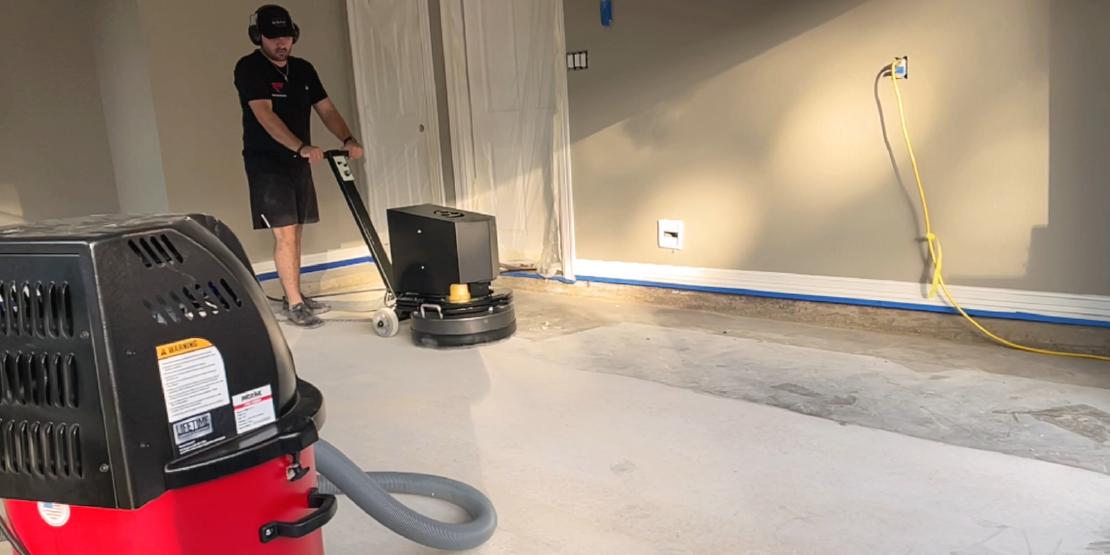
In the process of floor coating, a crucial step involves the removal of old coatings and sealers. Their presence on the floor surface can impact the adherence of the new coating and the ultimate outcome of the project. Therefore, to help the new coating bond well with the floor surface, the previous layers of coatings or sealers must be efficiently stripped off. The process requires considerable care and the right tools or materials, such as a solvent-based stripper or a mechanical grinder, to ensure that the old layers are thoroughly eliminated without causing damage to the surface underneath.
The removal of old coatings or sealers is no easy task. However, its successful completion can make a significant difference to the longevity and the appearance of the new floor coating. Depending on the type of coating or sealer used previously, as well as the material of the floor, there are several methods to carry out this task. Some may opt for a chemical stripper, which can break down the old coating for easy removal, while others may prefer mechanical stripping methods like sanding or grinding. Each of these methods has its advantages and drawbacks, and a clear understanding of the specifics of the project can contribute to making an informed decision.
Smoothing Out the Surface: Sanding and Grinding
For an immaculate floor coating, a smooth and even surface is non-negotiable. Sanding serves as an excellent technique to address minor surface irregularities, fillings, bumps, and ridges. By utilizing a high-quality sandpaper, the layering process can be enhanced, providing the floor an improved level to work with, resulting in a more professional and finished appearance.
Conversely, grinding is typically used for more substantial surface leveling. This method involves the use of heavy-duty machines suitable for large areas and severe irregularities. While grinding might require professional assistance due to the technicalities involved, its effect on floor leveling for coating applications is second to none. It’s critical to remember that dust generated from sanding and grinding must be thoroughly removed before proceeding to the next step to ensure a pristine and defect-free final coating.
Dealing with Moisture Issues in Floors
Moisture issues in floors can wreak havoc on any type of floor coating installation. The presence of moisture can lead to peeling, bubbling, or blistering of the coating, severely impacting the lifespan and functionality of the flooring system. Therefore, it is crucial to tackle any existing moisture issues before proceeding with floor coating preparation and application.
There are several ways to detect the presence of moisture in flooring. One such method is the plastic sheet test, where a clear plastic sheet is taped to the floor and left undisturbed for 24 hours. If condensation appears on the underside of the sheet, it indicates the presence of moisture in the floor. Besides the plastic sheet test, there are other methods like the calcium chloride test and the use of moisture meters. Once any moisture issues have been identified, steps including proper drying of the floor, application of moisture barrier products, or repair of any foundational leaks should be carried out to resolve these issues, ensuring a successful and durable floor coating.
Priming the Floor for Coating
Applying primer is a pivotal step in floor coating procedure. As the middleman between the base material and the coating, the primer serves an incredibly essential role in assuring adhesion and durability of the finished floor. Before a base coat is applied, the primer must be carefully applied to create the perfect path for strong bonding of the coating to the bare floor surface. This improves the longevity of floor surface by augmenturing resilience against external conditions such as moisture, traffic and impact.
Primer application requires careful execution. Start off by wearing appropriate safety gear to protect your skin, eyes and lungs from harmful fumes and chemicals. Ensure a well-ventilated workspace for proper evaporation of solvents. A long-handled roller with a medium-nap roller cover works best for primer application. As you apply, make sure to systematically distribute the primer across the floor surface, leaving no bare spots. To eradicate unwanted bubbles or uneven spots, use a spiked roller. Keep the coat thin, as heavier coats can take longer to cure and potentially interfere with adhesion. Remember, correct primer application eventually leads to a smoother, more durable finish.
Applying the Base Coat
The application of a base coat plays a critical role in the floor coating process. This crucial step ensures that the subsequent top coat adheres properly, ultimately leading to more durability and longevity of your floor. This layer adds rigidity, provides additional strength, and forms a solid foundation for the next steps. It is essential to make sure that your floor is completely dry and free of any debris or dust before this application, as cleanliness significantly impacts the final outcome.
The application process typically involves spreading a thick layer evenly across the entire floor. Using a roller or a floor squeegee can aid in achieving a smooth and consistent finish. It is imperative not to rush this step; the base layer should be allowed ample time to cure before proceeding with the top coat. Ideally, the base coat should be left to dry for a minimum of 12-24 hours, depending on the product used and the conditions of the environment. The importance of a perfect base coat cannot be overstated; it lays the groundwork for all subsequent layers and plays a substantial role in the overall success of your floor coating project.
Adding a Top Coat for Extra Protection
The application of a top coat is a highly recommended step in the floor coating process. This layer acts as a shield, providing extra strength and durability to the base layer. Its primary role is to protect the surface from extreme conditions such as high foot traffic, industrial operations, and harsh chemical spillages. It also imparts a high-gloss finish to the floor, enhancing its overall aesthetic appearance.
Preparation before applying the top coat is equally as important as the application itself. Ensuring that the base coat is entirely dried and is free of dust and debris are critical steps that must not be overlooked. When ready, a thick layer of top coat is usually applied using a brush or a roller, but it is essential to follow the manufacturer’s directions carefully in terms of recommended thickness and drying time for gaining optimal results. Moreover, gaining proficiency in coating techniques can significantly improve the life and finish of the floor’s protective layer.
Maintenance Tips After Floor Coating
The durability and longevity of your newly coated floor significantly depend on the thoroughness of your maintenance routine. Regular and mindful care preserves the luster and protects your floor from wear and tear. The following tips offer critical guidance for maintaining your coated floor effectively.
Sweeping or vacuuming the floor daily is essential to remove dirt and grime. Accumulated grit could scratch and diminish coating’s appearance. For deeper cleaning, use a damp mop with a pH-neutral cleaner, as harsh detergents can deteriorate the coating’s integrity. Equally important is attending to spills immediately to prevent them from seeping into the coating and causing stains or damage. Lastly, remember that the longevity of your floor coating also relies on periodic professional resealing, which restores the floor’s protective layer over time. Avoid dragging heavy objects across the coated floor to prevent scratches or gouges. Thus, mindful day-to-day care and regular professional maintenance can ensure your coated floor’s looks and durability for years to come.
Why is proper floor coating preparation important?
Proper floor coating preparation is crucial because it ensures the coating adheres correctly to the floor surface, enhancing durability and longevity.
How do I choose the right floor coating?
Choosing the right floor coating involves considering the type of floor, the kind of traffic it experiences, and its exposure to elements like water or chemicals. Professional advice may be beneficial.
What tools and materials are necessary for floor coating?
The necessary tools and materials can include sandpaper, a grinder, a primer, the chosen floor coating, and protective gear, like gloves and goggles.
How can I safeguard the surrounding areas during floor coating?
Using masking tape, plastic sheets, or drop cloths can help protect the surrounding areas from accidental spills or drips during the floor coating process.
How should I clean the floor surface before coating?
The floor surface should be thoroughly cleaned to remove dust, dirt, and grease using a suitable cleaning solution and then allowed to dry completely.
What should I do with existing floor damage before coating?
Any existing floor damage like cracks, chips, or holes should be identified and repaired using a suitable patching compound before applying the floor coating.
How can I remove old coatings and sealers?
Old coatings and sealers can be removed using a floor grinder or a chemical stripper, depending on the type of existing coating.
How do I deal with moisture issues in floors?
Moisture issues can be tackled by using a suitable moisture barrier product or employing a dehumidifier to dry out the area before applying the floor coating.
What is the purpose of priming the floor before coating?
Priming the floor helps to seal the surface, improve adhesion of the coating, and enhance the final appearance of the coated floor.
How do I apply the base coat?
The base coat is typically applied using a roller or a brush, starting from one corner and moving towards the exit to avoid stepping on the wet coating.
What is the purpose of a top coat?
The top coat adds an extra layer of protection to the base coat, enhancing the floor’s resilience to wear and tear and prolonging its lifespan.
Can you provide some maintenance tips for coated floors?
Maintenance tips can include regular cleaning using a soft broom or a damp mop, prompt removal of spills, and avoiding the use of harsh chemicals or abrasive cleaning tools.