
Step-by-Step Guide to Repairing Epoxy Coated Floors
Understanding Epoxy Coated Floors
Epoxy coated floors stand as a testament to both architectural brilliance and functional practicality. An ingenious blend of resin and hardener, epoxy forms a robust, tightly bonded coating when applied to various surfaces. The notability of this material lies in their immense durability, resistance to wear and tear, and ease of maintenance. Furthermore, they also offer an appealing aesthetic sheen that can spruce up the look of any space, commercial or residential.
Regular maintenance is pivotal to the longevity of epoxy coated floors. Despite their toughness, they are not impervious to scuffs, stains, or cracks over prolonged use. However, the beauty of these surfaces lies in their capacity for rapid and efficient repairs. Thus, not only does an epoxy coated floor offer visual charm and durability, but it also ensures that upkeep and repair can be conducted with minimal hassle and downtime. Certainly, this presents a viable option for those seeking a long-lasting flooring solution that balances attractiveness with practicality.
The Importance of Regular Maintenance for Epoxy Flooring
Regular maintenance is a crucial factor in ensuring the longevity and enhancing the aesthetic appeal of epoxy-coated floors. Not only does it prevent undue wear and tear, but it also plays a significant role in detecting minor damages early. When these damages are promptly repaired, it saves both time and money for the homeowner or the facility manager.
Proper maintenance of epoxy flooring involves routine cleaning, inspection for damages, and timely repairs. Routine cleaning removes the dirt, dust, and chemical substances that can potentially harm the floor’s top coat. Inspections can help identify areas of concern like blisters, chips, or peeling that might rapidly deteriorate if not addressed in time. This level of proactive care helps to preserve the functionality and aesthetic quality of the epoxy floors, preventing extensive repairs down the road.
Identifying Common Issues with Epoxy Coated Floors
Epoxy coated floors are remarkably resistant to wear and tear, however, they are not entirely invulnerable. Over time, a number of challenges may emerge, ranging from minor discolorations to significant cracks and chipping. These common issues generally result from prolonged use, subpar initial installation, or exposure to harsh substances. It’s imperative to be cognizant of these potential flaws so as to take timely remedial action.
Stains and discoloration are among the most frequently encountered issues. They can occur as a result of spillage of corrosive substances such as oils or certain cleaning chemicals that react with the epoxy coating. Another common problem is peeling or chipping of the floor, which usually traces back to poor adherence of the coating to the underlying surface or due to heavy impact. Furthermore, bubble formation signals that air or gas got trapped under the floor coating during installation, which may, in turn, lead to peeling. Lastly, the development of cracks could signify an issue with the underlying concrete, caused by substrate movement after the coating was applied.
Tools and Materials Needed for Epoxy Floor Repair
In undertaking epoxy floor repair, various tools and materials come into play. Commencing the list is a quality epoxy repair kit, which usually includes epoxy resin and hardener. Part of this must-have starter pack is a mixing bucket, usually of a plastic or metal make. This serves the purpose of blending the hardener and resin sufficiently. Moreover, a well-sized trowel becomes advantageous for spreading the mixture over the damaged areas.
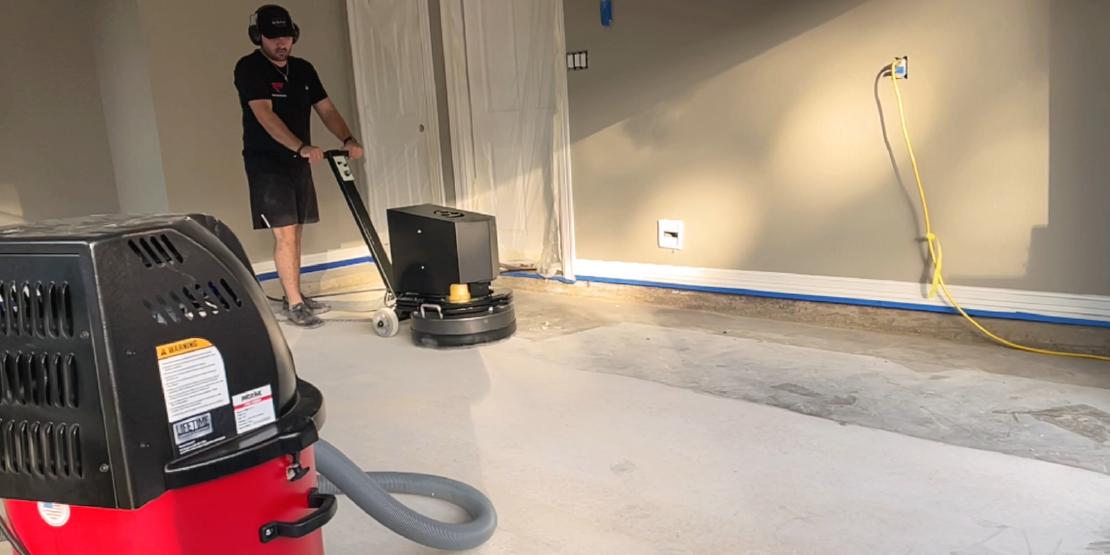
Safety tools are equally as essential to execute the repair procedure smoothly and more importantly, safely. Key among these are protective goggles and gloves to shield of splashes of the potent epoxy mixture. A dust mask or respirator is also critical - Epoxies often release harmful fumes that can irritate the respiratory system. Last but not least, sandpaper and a variable-speed grinder come to the rescue in the post-application stages. The former aids in smoothing and the latter in polishing the repaired floor.
Safety Precautions to Take When Repairing Epoxy Floors
Repairing epoxy floors demands a certain level of caution as it involves using chemicals and tools that, if mishandled, could lead to accidents. Personal Protective Equipment (PPE) such as goggles, gloves, and a dust mask should be worn at all times to protect oneself from dust and harmful epoxy fumes. Furthermore, it is crucial to maintain a well-ventilated workspace while handling epoxy substances. Ventilation helps disperse chemical fumes, limiting the risk of inhalation hazards.
Accidental spills or splashes of the epoxy mixture can damage surfaces and pose a slip risk on the floor. Therefore, all work surfaces need to be covered properly with an appropriate material such as a drop cloth or plastic. Another crucial precaution is proper handling and use of tools involved in the repair process, such as sanding machines and drills. Misuse or mishandling of these tools could lead to potential accidents causing injury. Keep the workspace tidy and free from clutter to prevent unintentional slips or trips, enhancing overall safety during the repair operation.
Preparing the Damaged Area for Repair
When dealing with a damaged epoxy-coated floor, initial preparation is vital to successful repairs. Start off by thoroughly examining and cleaning the affected area. Get rid of any loose epoxy chips or cracked sections using a chisel or scraper. Ensure all dirt, grease and oil are eliminated, as these culprits might hinder the adhesion of the new epoxy. Secure the area around the damage by placing barrier tape or cones, keeping traffic away to prevent further damage.
Upon ensuring the removal of all debris, proceed to using a high-pressure washer or an epoxy solvent on the damaged region. This guarantees any residual substances that may be embedded within the capillaries of the concrete are flushed out. Subsequently, the surface should be dried completely prior to commencing repair work. An industrial dryer or simple air-drying method can be employed depending on the scope of the damage. Remember, a dry, clean surface guarantees the durability and aesthetics of your epoxy floor repair.
Making the Epoxy Repair Mixture
To create the epoxy repair mixture, crucial precision and care are vital. Begin by pouring the epoxy resin into a clean mixing container, taking care to accurately measure according to the manufacturer’s instructions. Next, the hardening agent is combined. It’s crucial to understand that the amount of hardener directed by the manufacturer must be strictly adhered to, as any deviation could impact the integrity of the final product.
Now, mix the epoxy resin and the hardening agent adequately. Aim for thorough blend, which reflects a consistent color throughout and appears free of streaks. Make sure to stir slowly and carefully to avoid air bubbles, which can compromise the well-mixed solution. Lastly, allow the mixture to rest for a few moments prior to applying it to the affected surface — this step, known as induction time, contributes to an optimal curing process.
Applying the Epoxy Repair Mixture
With the repair mixture ready, the actual application process commences. Begin at one edge of the damaged area, using a putty knife or trowel to spread a generous layer of the epoxy mixture. The technique should deliver an even, smooth application, much akin to frosting a cake. The objective is to completely cover the damaged area while keeping the application as level as possible with the surrounding flooring.
Work steadily but also at a manageable pace to ensure the mixture does not begin to harden before it is completely applied. Precision is critical to do the task correctly. As such, take care to avoid spreading the epoxy mixture past the borders of the damaged area. Excess application can create new issues such as a ridge or bump in the flooring. A neat, clean application will expedite subsequent stages of the repair and yield an optimal final outcome. Prioritize getting a smooth, level application over rushing to beat the epoxy’s cure time.
Smoothing and Leveling the Applied Mixture
After applying the epoxy repair mixture, proper smoothing and leveling are absolutely crucial. This critical step ensures a professional finish and maintains a uniform surface that mirrors the rest of the floor. A clean, high-quality trowel is recommended for the process. It should be held at a 45-degree angle to aid in the proper distribution and adhesion of the epoxy.
Leveling and smoothing the mixture requires patience and a keen eye for detail. The process should be performed in good lighting to identify any inconsistencies immediately. It is important to regularly wipe off excess epoxy from the trowel to prevent unintentional build-up or lumps on the surface. After the entire damaged area has been covered and leveled, double-check the work to ensure uniformity and flawlessness. Any peaks or valleys created during repair will be clearly visible once the epoxy hardens.
Allowing Adequate Time for Curing
It is of paramount importance that the epoxy repair mixture is given ample time to cure once it has been applied. This curing process is a critical phase in epoxy floor repair. It helps the mixture to solidify and adhere strongly to the existing floor. This ensures that the repair made is long-lasting and robust, capable of withstanding the frequent foot traffic and heavy loads that are the hallmarks of an industrial and commercial environment.
During the curing process, the physical and chemical properties of the epoxy repair mixture undergo transformation, resulting in a higher level of hardness and strength. A thin layer of the newly applied mixture might take about 24 hours to cure thoroughly, while a thicker application might need 72 hours or more. Therefore, it is recommended that the repaired area be sectioned off and left undisturbed during this period to ensure complete solidification of the epoxy. This patience and attention to detail are instrumental in preventing future flooring issues.
Sand and Polish the Repaired Area
Once the epoxy repair mixture has adequately cured and hardened, the process of sanding begins. This step is crucial in achieving a smooth floor surface and enhancing the aesthetic appeal of the repaired area. Ideally, a fine-grit sandpaper or a floor polisher with a sanding disk should be used for this process. The aim is to gently strip away any unevenness, bumps, or roughness that might have occurred during the application of the repair mixture, ensuring that the surface is flush with the rest of the flooring.
After a thorough sanding, polishing comes in to give the flooring a lustrous, glossy finish. Polishing not only improves the look of the floor but also extends its lifespan by adding another layer of protection. For this process, a high-quality floor polisher or a buffer should be used, following the grain of the epoxy for maximum results. When polishing, care should be taken not to over-buff areas as this can cause dips or uneven surfaces in the repaired area. With the combination of careful sanding and diligent polishing, the epoxy coated floor will return to its original beauty and durability.
Sealing the Repaired Area for Long-lasting Protection
Post epoxy repair, it is imperative to seal the fixed area to ensure the longevity of the protective epoxy coating. This sealing process adds an extra layer of protection and helps maintain the aesthetic appeal of the flooring. It guards against future damage from heavy traffic, abrasions, chemical spills, stains, and other common threats. This additional step also enhances the durability and life expectancy of the flooring, promising a more stable and reliable surface for years to come.
There are several options available for floor seals, ranging from water-based sealers to solvent-based ones. However, choosing the right sealant depends on the type of epoxy flooring and the environment in which it is installed. It is also critical to apply the sealant properly for optimal results. Following the manufacturer’s instructions is crucial for achieving a seamless finish. In general, sealants are simply rolled onto the floor using a paint roller or brushed onto smaller surfaces, ensuring every inch of the repaired area is covered. • The first step in sealing the repaired area is to select an appropriate sealant. This decision should be based on the type of epoxy flooring and its surrounding environment. For instance, a water-based sealer might be suitable for indoor use, while a solvent-based one could provide better protection outdoors.
• Once you have chosen your sealant, prepare the floor by cleaning it thoroughly. Any dust or debris left on the surface can interfere with the adhesion of the sealant, reducing its effectiveness.
• Next, follow the manufacturer’s instructions carefully when applying your chosen product. These guidelines will typically suggest using a paint roller for larger surfaces or a brush for smaller ones.
• Ensure that every inch of your repaired area is covered by evenly spreading out your sealant across it. Pay particular attention to corners and edges where damage is more likely to occur again if not properly sealed.
• After application, allow ample time for drying before reusing this space. Rushing this process may result in an uneven finish or compromised durability of your protective layer.
In conclusion, sealing post-epoxy repair works effectively protects against future wear and tear from heavy traffic and other common threats such as spills and stains; thus extending longevity of flooring aesthetics and functionality.
Tips for Maintaining Epoxy Coated Floors Post Repair
Proper maintenance is key to ensuring the longevity of epoxy coated floors. Regular cleaning is one of the simplest yet most effective ways to keep these floors in top-notch condition. Sweeping and mopping should be conducted routinely to remove dirt, dust, and other debris that could scratch the surface. In case of spills, it is essential to clean up immediately to prevent staining or chemical damage. Non-abrasive cleaning tools and mild, pH-neutral cleaning products should be utilized to avoid damaging the protective epoxy coating.
Another key aspect of epoxy floor maintenance is immediate attention to any visible signs of damage. Minor chips, cracks, or peels can result in more significant issues if left unattended. Protective measures such as using furniture pads and limiting heavy equipment or vehicle traffic can prevent potential damage. Regular inspections of the floor for any signs of damage or wear can help catch issues early and prolong the lifespan of your epoxy coating.
What is an epoxy coated floor?
An epoxy coated floor is a type of surface that’s coated with a layer of epoxy, which is a type of synthetic resin. This coating makes the floor more durable, resistant to wear and tear, and easier to clean.
Why is regular maintenance important for epoxy flooring?
Regular maintenance of epoxy flooring is essential to prolong its lifespan and to maintain its glossy and clean appearance. It also helps to protect the floor from damage and ensures it remains resistant to chemicals and other potentially harmful substances.
What are some common issues with epoxy coated floors?
Some common issues with epoxy coated floors include blisters or bubbles, peeling or flaking, discoloration, and cracks or chips. These are often caused by improper installation, exposure to harsh chemicals, excessive heat, or heavy traffic.
What tools and materials are needed for epoxy floor repair?
Common tools and materials needed for epoxy floor repair include a scraper or putty knife, a wire brush, epoxy repair mortar or epoxy resin, and sandpaper. A sealant may also be necessary for the final step.
What safety precautions should I take when repairing epoxy floors?
When repairing epoxy floors, make sure to wear protective clothing, including gloves and eye protection. Ensure the room is well-ventilated to avoid inhaling any dust or fumes.
How do I prepare the damaged area for repair?
The damaged area should be thoroughly cleaned and any loose or flaking epoxy should be removed. Then, the surface needs to be sanded to create a rough surface for the repair mixture to adhere to.
How long should I allow the repaired area to cure?
The curing time can vary depending on the specific product used, but typically, you should allow at least 24 hours for the repair to fully harden.
How can I maintain my epoxy coated floor after repair?
To maintain your epoxy coated floor post repair, avoid heavy traffic on the repaired area for at least 24 hours. Clean the floor regularly with a mild detergent and avoid using harsh chemicals. Regularly inspect the floor for signs of damage and address any issues promptly.