
Techniques for Applying Polyurethane Floor Coatings
Understanding Polyurethane Floor Coatings
Initially developed in the mid-20th century, polyurethane is a type of polymer that is commonly used in various industrial applications due to its exceptional durability and versatility. The use of polyurethane as a flooring coating material has surged in popularity in recent years, both in commercial settings and residential homes. The material provides a robust and hard-wearing finish that can sustain high levels of wear and tear, making it ideal for floors that are exposed to heavy foot traffic.
Polyurethane floor coatings offer not just strength, but also aesthetic appeal. They give floors a high-gloss finish that can significantly improve the overall visual appeal of a space. In addition, they also offer resistance to water, chemicals, and UV radiation, making them suitable for a wide range of environments. Despite their durability, polyurethane floor coatings are flexible, enabling them to withstand impacts and vibrations without cracking. This unique combination of durability, versatility, and aesthetic appeal has made polyurethane floor coatings a popular choice among homeowners and businesses alike.
Benefits of Using Polyurethane Coatings on Floors
The robust nature of polyurethane floor coatings contributes immensely to their popularity. This type of coating is highly durable and resistant to damage, maintaining its glossy appearance for a long period. It can withstand heavy foot traffic, rough and constant usage, making it ideal for places like industrial settings, commercial areas, and residential homes. Polyurethane floor coatings also hold well against moisture, stains, and chemical spills. Consequently, cleanliness and maintenance become less cumbersome tasks, a major benefit for businesses and homeowners alike.
Another essential advantage of polyurethane coatings on floors is their aesthetic appeal. Available in a variety of finishes, from high-gloss to matte, they enhance the look and feel of the flooring. The clear finish renders the inherent beauty and uniqueness of the wooden floors more visible. Furthermore, this coating offers UV protection, which helps to prevent discoloration and retain the original color of the floor. Additionally, polyurethane provides not only surface protection but also fundamentally strengthens the floor surface, thus increasing the floor’s lifespan. The combination of durability, beauty enhancement, and easy maintenance makes polyurethane coatings a cost-efficient option for flooring.
Choosing the Right Polyurethane Coating for Your Floor
When undertaking any home improvement project, the first crucial step to ensure success is choosing the right materials. For floors, you might want to consider polyurethane coatings. They are typically categorized into two types: oil-based and water-based. Each has its unique set of characteristics that make them suitable for different applications and requirements.
Oil-based polyurethane offers a warmer, richer finish and is particularly ideal for high-traffic areas because of its superior durability and resistance to scratches. However, it tends to yellow over time, takes longer to dry, and emits a strong odor. On the other hand, water-based polyurethane dries faster, has a clear finish, and emits less odor. Yet it might not be as durable as the oil-based counterpart. Your choice should be guided by factors like the area of usage, aesthetic preferences, and sensitivity to odors.
Necessary Tools and Materials for Application
Applying a polyurethane coating to your floors requires a certain set of tools and materials. First of all, you will need the polyurethane finish itself. This comes in various forms, from water-based to oil-based versions, each with its unique advantages and considerations. Additionally, a high-quality paint brush is necessary for the even application of the finish, though some prefer a foam applicator or a lambswool applicator for larger surface areas. A sanding block or an orbital sander will also be handy in the preparation stage, to smooth out the existing floor surface. You’ll also need mineral spirits for cleanup, and a couple of lint-free cloths for applying them, besides a vacuum cleaner or broom to remove any dust and debris.
Along with these basic items, there are a few materials that could potentially enhance the application process and the final result. A compatible primer can promote better adhesion between the coating and the floor, thereby prolonging the lifespan of the finish. Painter’s tape is necessary to protect areas not intended for finishing while a paint tray will prove useful for holding the polyurethane finish during application. Lastly, personal protective equipment like gloves, safety glasses, and a mask are indispensable. The polyurethane fumes can be harmful if inhaled directly, hence prioritizing safety is paramount.
Preparation Steps Before Applying Polyurethane Coating
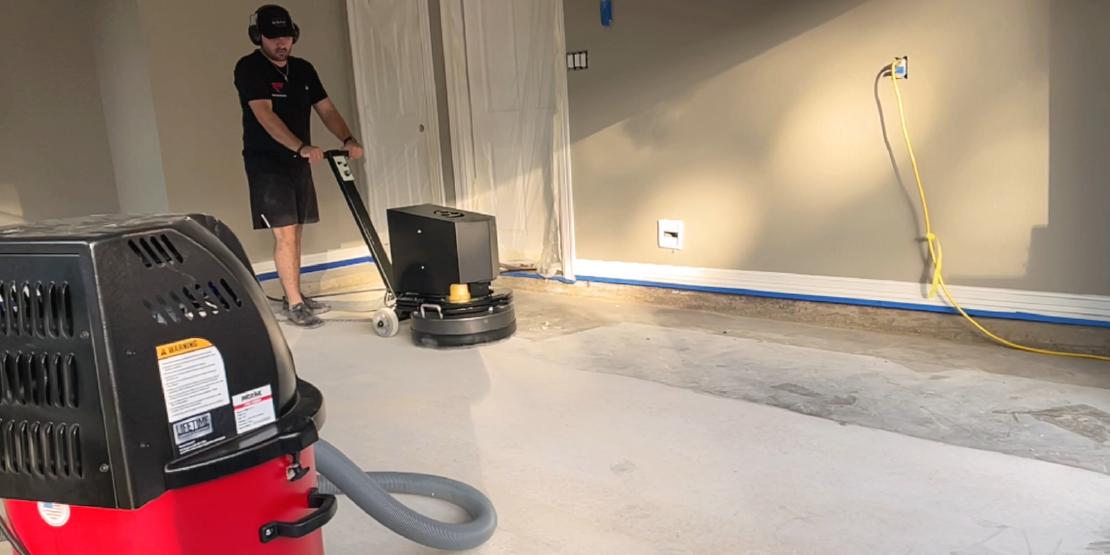
Proper and detailed preparation is essential for a successful outcome when applying any type of coating, including polyurethane. Surface preparation is a vital first step in this process. The floor must be thoroughly cleaned to get rid of all the dust, oils, and existing finishes that might interfere with the adhesion of the polyurethane coating. Squeegees, brooms or vacuum cleaners are commonly used tools for the cleaning process. After cleaning, the floor should be left to dry completely.
After ensuring the floor is dry, the next step involves abrasion, also known as sanding. This process helps in smoothening the area, ensuring better coating adhesion and enhancing the mechanical bond between the coating and the floor. The type of sanding equipment and grade of sandpaper selected depends largely on the floor’s size and condition. After sanding, the floor should again be properly cleaned to remove any residual dust. Post these steps, the floor is adequately prepped for a polyurethane coating application.
The Importance of Safety When Handling Polyurethane
Polyurethane, while being an invaluable tool in enhancing the aesthetics and durability of floors, demands a prime emphasis on safety during its handling. The chemical properties of polyurethane release toxic fumes during application, calling for the mandatory use of personal protective equipment (PPE), such as respirators, gloves, and safety goggles. Ensuring adequate ventilation in your workspace is crucial to disperse these harmful vapors, thereby reducing the risk of inhalation. Reminiscing the adage “safety first”, it is prudent to understand the inherent safety hazards associated with polyurethane and to take necessary precautions to safeguard yourself from these risks.
The significance of appropriate disposal after use cannot be understated in the realm of maintaining safety standards. Polyurethane residues, rags, or containers should never be incinerated or improperly discarded since they pose threats of fire outbreak or environmental contamination. Proper disposal methods for used materials should be strictly followed in line with local regulatory laws and environmental guidelines. Moreover, before embarking on the DIY journey, it behooves one to gain comprehensive awareness about the precise safety guidelines and procedures pertaining to the application and handling of polyurethane.
Step-by-Step Guide to Applying the First Layer of Polyurethane Coating
Before diving into the application process, ensure that all preparation steps have been appropriately carried out. All objects should be cleared from the work area, the floor needs to be thoroughly cleaned, and any cracks or dents in the surface should be properly repaired. You’ll also need to outfit yourself with the appropriate safety gear, including gloves, a respirator, and protective clothing, to keep you safe from potentially harmful polyurethane fumes.
Now you’re ready to begin applying the first layer of polyurethane coating. Using a high-quality, synthetic brush or a lamb’s wool roller, evenly apply a thin layer of polyurethane to the floor. Move in the direction of the wood grain to minimize visible stroke lines and to ensure a smooth finish. Work your way across the entire floor, ensuring that no section is left uncoated. Aim to keep a wet edge at all times to avoid lap marks caused by overlaying semi-dried polyurethane. Beyond this, be sure to carefully catch and smooth out drips or puddles before they dry. Remember that achieving a sleek, glossy finish is about precision and patience more than speed.
How to Apply Additional Coating Layers for Optimal Protection
After the first layer of polyurethane coating has thoroughly dried, it’s time to proceed with additional protective layers. Prior to application, lightly sand the surface with a fine-grit sandpaper. Removing imperfections and rough areas is crucial to achieving an even and smooth finish. Thoroughly remove any dust or debris created by the sanding process as it could interfere with the adhesion of subsequent layers.
Using a high-quality brush or roller, apply the second layer of polyurethane in the same manner as the first. Ensure that the layer is uniform, avoiding pooling or excessive thickness in any area. Allow the second coat ample drying time, then repeat the process for any additional coats your floor may require. Remember, multiple thin layers often provide better protection and longevity than a single thick layer.
Curing Process of Polyurethane Floor Coatings
The curing process of polyurethane floor coatings is a crucial stage that determines the overall quality and durability of the finished floor. Typically, this process occurs naturally over time once the coating has been applied and involves a complex chemical reaction triggered by humidity and air temperature. Throughout curing, the coating transforms from a liquid form into a hardened, protective layer. This remarkable transformation is what gives polyurethane its long-lasting and highly resistant qualities.
It is important to note that different types of polyurethane coatings have different curing times. Fast curing polyurethane formulations can solidify within just a few hours, whereas other varieties may require a period of 24 to 48 hours to fully cure. Patience during this phase is key, as premature use of the floor can compromise the strength of the coating, leading to poor surface quality and reduced lifespan. Additionally, factors such as ambient temperature, humidity levels and thickness of the applied layer can further influence the curing time.
Maintenance Tips for Polyurethane Coated Floors
Keeping polyurethane-coated floors in good condition demands regular maintenance, essential for extending the life of the floor and maintaining its lustre. Sweeping and vacuuming are the preliminaries; removing dust, dirt and debris prevents them from scratching the surface. Clean spills instantly to stop potential staining or damage due to prolonged contact with moisture on these surfaces. Always use cleaning substances that are safe for polyurethane-coated floors.
Avoid using harsh chemicals or abrasive materials as they can harm the surface. Instead, opt for specialized cleaners formulated for polyurethane coatings. These specialized cleaners won’t strip off the finish or cause unnecessary dulling. It is also important to refrain from waxing or using oil-based products. They are unsuitable for polyurethane, as they may result in a greasy film or excessively glossy finish that can be slippery and unsafe. Lastly, consider reapplying a coat of polyurethane every few years to preserve the floor’s durability and shine. The frequency of reapplication strictly depends on the level of floor traffic and wear.
Common Mistakes to Avoid During Application
Applying polyurethane coatings to your floors can be a tricky affair if not done properly, leading to a myriad of potential issues. A significant oversight during the application process involves improper floor preparation. Neglecting to thoroughly clean and dry the surface allows dust, debris, or moisture to get trapped under the coating, resulting in an uneven finish and potentially reduced lifespan of the coating. Moreover, using inappropriate tools could influence the smoothness of the coating, and hence, must be meticulously chosen and handled.
Not understanding the correct quantity of polyurethane required is another common pitfall during application. Overloading your brush or roller could lead to drips and pools that take longer to dry and affect the overall appearance of the floors. Conversely, using too little polyurethane may result in inadequate protection, requiring more frequent re-coating. Incorrect timing of coating layers is yet another mistake. It is crucial to allow each layer to dry fully for the recommended time before application of the next, ensuring optimal bonding and durability of the finish. To avoid these common mistakes during the application of polyurethane coatings, it is important to keep in mind the following points:
• Always prepare your floors properly before applying any coating. This includes thorough cleaning and drying to prevent dust, debris or moisture from getting trapped under the finish. • Choose your tools wisely. Using inappropriate tools can affect the smoothness of your coating. It’s recommended to use a high-quality brush or roller for best results. • Understand how much polyurethane you actually need for your project. Overloading your tool could lead to drips and pools that not only take longer to dry but also negatively impact the overall appearance of your floors. • Don’t skimp on material either as using too little may result in inadequate protection and more frequent re-coating. • Pay attention to timing when applying multiple layers of coating. Each layer needs enough time (as per manufacturer’s recommendations) to fully dry before you apply another one for optimal bonding and durability.
Avoiding these common pitfalls will help ensure a smoother application process, resulting in beautiful, long-lasting polyurethane coated floors.
Troubleshooting Issues with Polyurethane Floor Coating Application
One common issue often encountered with polyurethane floor coating application is the appearance of bubbles. These can be caused by a variety of factors, but often result from improper application technique or the use of a roller that’s not shedding-resistant. Shaking the can excessively before use can also introduce air into the formula, leading to bubbles during the application. To rectify this, ensure application is done in a controlled and careful manner. It’s also recommended to stir, not shake, the polyurethane prior to use. Using a high-quality, shedding-resistant roller can also minimize this issue.
Another frequent problem arises from inconsistent sheen, which often results from uneven application or failing to maintain a ‘wet edge’ during application. This can lead to over-application in certain areas and under-application in others, resulting in inconsistent gloss levels across the floor. To avoid this, users should ensure they are applying the coating in a uniform manner, maintaining a steady pace while covering the entire surface evenly. It might be helpful to apply the product in sections to maintain the ‘wet edge’, which refers to applying a new stroke before the previous one dries fully. The right technique can often mitigate these common issues, leading to a more successful polyurethane floor coating application.
Professional Services vs DIY: Making the Right Choice.
When it comes to applying polyurethane floor coatings, a pivotal decision is choosing between professional services and taking a DIY approach. Contracting professional floor coaters often promises a seamless finish, thanks to their broad experience and specialized equipment. They are also well-versed in handling the safety issues associated with the use of polyurethane, ensuring a hazard-free application process. Choosing a professional service can offer a level of convenience and assurance that results will be up to high industry standards.
On the other hand, a DIY approach can be rewarding both financially and personally. The cost of purchasing the polyurethane coating and application tools can be significantly lower than hiring professionals. Moreover, doing the job yourself provides an opportunity to learn a new skill, bringing a sense of accomplishment once the floor is complete. However, it’s imperative to thoroughly understand the process and safety measures necessary to avoid any mishaps or below-par outcomes.
What are polyurethane floor coatings?
Polyurethane floor coatings are a type of protective layer that can be applied to floors to enhance their durability, aesthetic appeal, and resistance to various types of damage.
What are the benefits of using polyurethane coatings on floors?
Polyurethane coatings offer numerous benefits such as improved durability, enhanced aesthetic appeal, resistance to scratches, spills, and other types of damage, and reduced maintenance needs.
How do I choose the right polyurethane coating for my floor?
The right coating depends on various factors, including the type of your floor, traffic levels, and your aesthetic preferences. It is important to conduct proper research or seek professional advice before making a decision.
What tools and materials are needed for applying polyurethane coating?
The necessary tools and materials include a polyurethane coating of your choice, roller or brush, sandpaper, cleaner, and a protective gear.
What safety measures should I take when handling polyurethane?
Polyurethane coatings can be harmful if not handled properly. Always use protective gear including gloves, masks, and eye protection. Ensure good ventilation in the work area to minimize inhalation of harmful fumes.
How do I apply the first layer of polyurethane coating?
Start by preparing the floor, following the manufacturer’s instructions for mixing the polyurethane, apply the first coat thinly and evenly using a roller or brush, then allow it to dry before applying the next coat.
How many layers of polyurethane coating should I apply?
The number of layers depends on the specific product and your particular needs. However, most floors benefit from at least two coats for optimal protection.
What is the curing process for polyurethane floor coatings?
The curing process refers to the time it takes for the coating to fully harden. This period can vary depending on the product but can take anywhere from a few hours to several days.
How should I maintain a floor coated with polyurethane?
Maintenance tips include regular sweeping or vacuuming, prompt cleaning of spills, using furniture pads to prevent scratches, and reapplying the coating when necessary.
What common mistakes should I avoid during the application process?
Common mistakes include not properly preparing the floor, applying the coating too thickly, not allowing sufficient drying time between coats, and neglecting safety measures.
What should I do if I encounter issues with my polyurethane floor coating application?
If you encounter issues, it may be best to consult a professional. They can help troubleshoot the problem and provide advice on how to correct it.
Should I hire professional services or do the floor coating myself?
This depends on your comfort level with DIY projects, the size and complexity of the project, your budget, and the amount of time you can dedicate to the task. Both options have their pros and cons, and it’s up to you to decide which is the best fit for your situation.