
Techniques for Seamless Repair of Coated Floors
Understanding Coated Floor Damages
To comprehend the factors leading to coated floor damages, it’s crucial to delve into what these coatings are and how they function. Floor coatings, often used on concrete surfaces, comprise epoxies, polyurethanes, acrylics, or polyaspartic materials. They are applied for the dual purpose of improving the surface’s durability and aesthetics. However, constant exposure to physical impact, chemical spills, heavy loads, temperature fluctuations, or poor maintenance can cause visible deterioration, including cracking, chipping, or discoloration.
Determining the cause of the damage is an essential first step towards addressing it. For instance, coated floors in commercial or industrial premises are more likely to experience heavy load-induced fractures. In contrast, floors located in areas with fluctuating temperatures may exhibit symptoms of thermal shock damage. This process of identification will guide the type of repair required, ensuring that the solution effectively handles the root cause.
The Importance of Regular Coated Floor Maintenance
Maintaining your coated floors on a regular basis is not merely about keeping it clean and aesthetically pleasing. It goes beyond aesthetics, directly affecting the lifespan and condition of the flooring material. Regular maintenance may involve sweeping, dusting, moping, and other custodial tasks to keep the floor free from dirt and grime. These seemingly insignificant substances can cause considerable damage over time. They may scratch the surface, create dull patches, and seep into the small crevices - damaging the coating and leading to disrepair.
By conducting regular inspections and taking immediate action upon detecting minor damages, you can prevent their escalation into serious threats. These could be small scratches that may lead to cracks if left unattended, or fading coat which needs reapplication. Regular maintenance also includes addressing these issues promptly. Thus, regular maintenance of coated floors not only preserves its visual appeal, but also extends its durability, safeguards your investment, and preempts potential safety hazards.
Identifying the Type of Coating on Your Floor
The first step to successfully repairing a damaged coated floor lies in correctly identifying the type of coating applied to your floor. There are several types that you may encounter which include polyurethane, epoxy, and acrylic, among others. This vital piece of information shapes the whole repair process, guiding the choice of repair materials, tools, and techniques. Without this critical identification, you run the risk of compounding floor damages or simply wasting your effort on ineffective repairs.
Keeping your floor’s warranty documents is essential as they often contain data about the type of floor coating used. However, if you no longer have this paperwork, a careful visual examination of your floor can provide much-needed clues. Polyurethane coatings often appear in clear or amber tones while epoxy coatings are generally more glossy. On the other hand, if your floor has a matte finish, it may have been coated with acrylic. Remember, correct identification is paramount for successful repairs.
Gathering Essential Tools for Coated Floor Repair
When setting the stage for an extensive coated floor repair, the right tools become your key to a smooth and efficient process. Emphasis is not just on the structural repair alone, but also in upkeeping the aesthetics of the floor. Therefore, it is crucial to ensure your tool kit comprises the fundamental materials, alongside a few additional items that cater to the specific type of coating on your floor.
Start by considering your floor’s repair needs and choose your tools accordingly. A utility knife may be handy for lifting damaged segments, while a putty knife will ease the process of spreading the repair material uniformly. Sandpaper and power sanders make for an impeccable smoothing process, and a paint brush or roller will effortlessly apply the finish coat. Additionally, gloves, eye protection, and a high-quality respirator mask are indispensable to ensure your safety while undertaking the task. Remember, the right tools significantly mitigate the chances of causing further damage to your coated floor during the repair task.
Preparing the Damaged Coated Floor for Repair
The initial step in this process requires a thorough cleaning of the damaged area. Any dust, grime or loose particles should be removed prior to proceeding, ensuring no hurdles in the repair process. Special attention should be given to the area’s periphery making sure to eliminate any concealed dirt that may later disrupt the course of the repair. The use of a stiff brush or a soft cloth may prove beneficial for this task, giving way to a clean and clear surface.
Next, the identification and removal of loose coating is vital for a sturdy repair job. Whether the floor has a coating of epoxy, polyurethane, or any other material, this phase calls for a cautious and patient effort. All peeling or cracked coating needs to be detached from the floor with the help of a putty knife or paint scraper. After extractment, use a vacuum cleaner or soft cloth to remove residual dust or coating fragments. Thus, the floor is aptly prepped for the subsequent step of sanding.
Guide to Sanding the Damaged Area
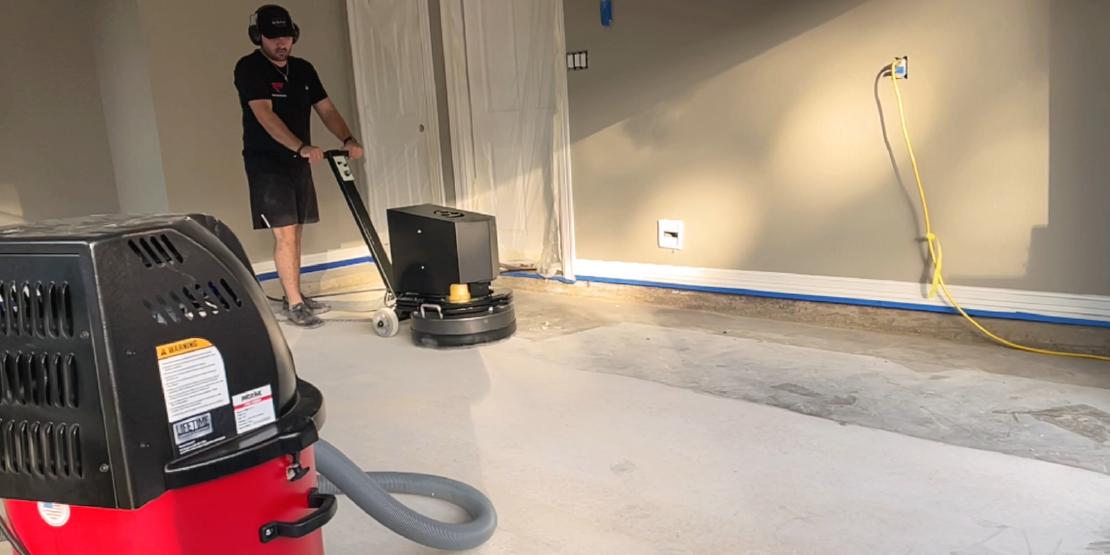
Before diving into the repair process, proper preparation of the affected area is crucial. This begins with the sanding process, which serves to level the surface and remove any loose or deteriorated coating. The sanding tool plays a critical role here. It should be a high-grit, fine sandpaper for hardwood coated floors or a concrete grinder for concrete coated floors. The goal is to lightly abrade the surface without causing further damage.
One cannot overlook the necessity of safety measures during this stage. Safety goggles, gloves, and a dust mask are primary essentials to protect oneself from the dust produced in this process. Additionally, the room should be well ventilated. After the sanding, any remaining dust or debris should be thoroughly cleaned using a cloth dampened with mineral spirits. Your floor is then ready for the application of repair materials.
Mixing and Applying the Repair Material
The foundation of any quality repair work lies in the effective mixing of repair materials. Depending on the original coating used on your floor, the repair material will vary. Epoxy, polyurethane, or acrylic might be suitable, and each has a different mixing process. It necessitates the meticulous combination of resin and hardeners according to the manufacturer’s guidelines. Consider factoring in variables that could affect the homogeneity of the mix, such as temperature and quantity.
Upon successful mixing of the repair material, turn your focus to its application. For this step, patience and precision are critical. Using appropriate tools like a trowel or a spatula, the compound should be evenly distributed over the affected area. Aim for a smooth consistency to ensure a uniform layer. Removing excess material as you apply can prevent bumps and uneven areas, which can significantly enhance the aesthetic appeal and functionality of the repaired surface.
Ensuring a Smooth Finish for Coated Floor Repair
Once the repair material has been applied to the damaged area of the coated floor, focus should be shifted towards achieving a smooth finish. This is a critical step that can significantly impact the overall appearance and longevity of the repair work. It’s advisable to use a high-quality floor scraper or trowel to evenly spread out the repair material. This takes a steady hand and patience to slowly and carefully flatten against the floor, ensuring there are no bumps or ridges. Precision in this step is key to achieving a truly seamless repair.
After the repair material is spread and well settled, the next step towards obtaining a smooth finish involves delicate sanding. This process will inevitably create some dust and debris, thus it is imperative to protect surrounding areas, perhaps with a dust sheet, to prevent particles from scratching the rest of the floor. The sanding process not only rids the repaired patch of any remaining unevenness, it also helps in creating a surface that the finish coat can easily adhere to. Constantly clean off the sandpaper to prevent the build-up of material that could potentially leave a scratch. With careful attention and diligent work, one can ascertain a smooth finish for their coated floor repair.
Drying and Curing Process of the Repaired Area
Once the repair material is skillfully applied to the damaged area of your coated floor, it is crucial to allow ample time for drying and curing. This is the phase where the repair material gradually hardens and sticks firmly to the floor, ensuring the longevity of the repair. The duration for this process can widely vary depending on the type of repairing material utilized and atmospheric conditions. While some materials may dry within a few hours, others might take up to a full day or, in some cases, even longer.
During this waiting period, it’s of utmost importance not to disrupt the drying process. This means avoiding walking on or placing any objects on the repaired area. This ensures that the repair material cures properly resulting in a seamless repair. Using a fan or dehumidifier can accelerate the drying process, but care should be taken not to direct these too close to the area as this may cause uneven drying. Always remember: a successful repair is dependent on a proper drying and curing process, so patience is essential.
Applying the Finish Coat on the Repaired Area
After the repaired coated floor has undergone the drying and curing process, it is crucial to provide the final touch - applying the finish coat. This crucial step restores the aesthetic appeal of the floor, while also ensuring a smooth, uniform surface. The finish coat, when applied correctly, forms a protective layer on the floor surface, helping to prevent future damages and prolong the life of the coating.
Start by thoroughly mixing the finish coat material as per the manufacturer’s instructions. It’s crucial to ensure no air bubbles are formed during the stirring process, as these can lead to a rough and uneven finish. Once the material is well-mixed, apply it evenly over the repaired area using a roller or brush, spreading it out carefully to attain a smooth surface. Remember to move in one direction when applying the material to maintain a consistent texture and appearance.
Pro Tips on Preventing Future Floor Damages
The consistent maintenance of coated floors can significantly reduce the chances of future damages. Good housekeeping practices such as sweeping, dusting, and damp mopping can keep the floor free from dust and debris that may scratch or dull the coated surface. Utilization of floor mats and protective pads under furniture can also be an effective measure in preventing floor scratches and dents. Regularly move rugs and furniture slightly to avoid discoloration of the floor under these items caused by exposure differences. This maintenance routine helps maintain the floor’s protective coating integrity and prolongs its life.
Ensure that any spills or stains on the floor are cleaned up immediately to prevent them from setting into the coating. Using approved cleaners and polishers for your specific floor coating type is crucial, as improper cleaning products can lead to coating deterioration. The right products not only clean the floor but also maintain the floor’s finish and shine. When noticing any signs of damage like peeling, flaking, chipping, or cracking, it’s essential to undertake repair immediately. A small damage if left untreated can quickly spread, causing more harm to the floor. Remember, prevention is the best practice when it comes to coated floor care.
Maintaining the Aesthetics of Your Coated Floors Post Repair
Taking good care of your coated floors will ensure they retain their initial appeal long after repairs have been completed. This maintenance requires consistent attention, recognizing the specific needs of your coated flooring, and putting in the necessary effort to see that those needs are met over time. If done correctly, these steps will not only preserve but possibly enhance the aesthetic appeal of your flooring, making it a consistent highlight of your indoor space and increasing its longevity.
Choosing suitable cleaning products should be done meticulously, as certain products may degrade the coating and dull its shine over time. Sweeping regularly to remove grit and debris also reduces chances of scuffing. Occasionally, it may be necessary to strip off the old finish and reapply a new one to maintain that factory-fresh appearance. Also, being mindful of possible damage sources such as high heels, pet claws, or heavy furniture can prevent additional wear and keep your floor looking its best. This preventive approach to floor care is crucial for maintaining the aesthetics of your coated floors post-repair.
When to Seek Professional Help for Coated Floor Repair
While it can be a point of pride to handle home maintenance and repairs on your own, certain situations call for a professional touch. Coated floors, with their protective layers providing both aesthetic and practical benefits, can be challenging to repair. It requires knowledge of different coating types, access to necessary tools, and a keen understanding of the repair process. Certain damages may fall beyond the purview of DIY fixes, thereby necessitating professional assistance.
For instance, extensive coated floor damage encompassing a large surface area or penetration damage that compromises the subfloor are typical cases where professional help might be prudent. Again, when damages persist even after your attempts at repair, it’s advised to turn to a professional. Recognizing the limit of one’s abilities not only prevents further damage but also ensures the longevity of the floor. Delegating such tasks to professionals, who have comprehensive training and experience, guarantees top-notch repair and restoration of your coated floors.
What are some common damages that can occur to coated floors?
Common damages to coated floors can include scratches, dents, discoloration, and peeling of the coating.
Why is regular maintenance of coated floors important?
Regular maintenance can prolong the life of your coated floors, keep them looking their best, and prevent minor damages from escalating into major repairs.
How can I identify the type of coating on my floor?
The type of coating can usually be identified by its appearance and texture. If uncertain, it may be best to consult with a professional for accurate identification.
What tools are essential for coated floor repair?
Essential tools for coated floor repair generally include a scraper, sandpaper, a mixing stick, a trowel, and repair material.
How do I prepare a damaged coated floor for repair?
Preparing the floor involves cleaning the damaged area, removing any loose pieces of the coating, and sanding the area to create a smooth surface for the repair material.
Can you guide me through the sanding process of a damaged area?
Sure, firstly, you need to select the right grit sandpaper. Use it to sand the damaged area in a circular motion until the surface is smooth and even. Wipe away any dust before proceeding.
How do I apply the repair material?
After mixing the repair material according to the manufacturer’s instructions, apply it to the damaged area with a trowel, smoothing it out as you go.
How long does the repaired area take to dry and cure?
The drying and curing time can vary depending on the type of repair material used, but it typically ranges from a few hours to a couple of days.
How can I prevent future floor damages?
Regular maintenance, using furniture pads, cleaning spills immediately, and avoiding dragging heavy objects across the floor can help prevent future damages.
How can I maintain the aesthetics of my coated floors post repair?
Regular cleaning and maintenance, using the right products for your type of floor coating, and periodic recoating can help maintain the aesthetics of your coated floors.
When should I seek professional help for coated floor repair?
It’s recommended to seek professional help when the damage is extensive, the floor is heavily worn, the type of coating is unknown, or if you’re unsure about doing the repair yourself.