
The Advantages of UV Resistant Coatings in Homes
Understanding UV Resistant Coatings
UV resistant coatings are a remarkable innovation that play a vital role in protecting surfaces from the damaging effects of ultraviolet (UV) radiation. Essentially, these coatings are made up of a proprietary blend of resins and additives which are capable of absorbing. Once applied to a surface, the coating blocks the UV rays, preventing them from penetrating and causing harm.
The effectiveness of these innovative solutions significantly relies on their method of functionality. By interacting chemically with the UV light, the coatings transform the rays into a benign form of energy, typically heat, which then dissipates into the environment. As such, the underlying material remains unscathed, maintaining both its aesthetic and structural integrity despite prolonged sun exposure.
Exploring the Science Behind UV Resistant Coatings
At the heart of UV resistant coatings is the science of how ultraviolet rays interact with matter. Ultraviolet (UV) rays, a type of electromagnetic radiation, have a powerful propensity to breakdown chemical bonds. This mechanism is problematic when materials, like paints and plastics, are exposed to sunlight over time. UV resistant coatings are engineered to significantly mitigate this destructive process through a variety of physical and chemical mechanisms.
UV resistant coatings work in a twofold manner, by either absorbing the harmful UV radiation or reflecting it away. Absorptive coatings function by incorporating particles or molecules that absorb UV light, transforming it into a less harmful form of energy such as heat. Reflective coatings, on the other hand, utilise particles that have the ability to reflect UV radiation back, thus safeguarding the material’s surface. Together, these two fundamental approaches equip UV resistant coatings with the capacity to range in their degree of protection, thereby serving a multitude of diverse applications. • The first step in the process of UV resistant coatings is understanding how ultraviolet rays interact with matter. This interaction can lead to a breakdown of chemical bonds, especially in materials such as paints and plastics that are frequently exposed to sunlight.
• UV resistant coatings are specifically designed to counteract this destructive process. They do so by employing various physical and chemical mechanisms that help protect the material from damage.
• These protective coatings work primarily in two ways: they either absorb harmful UV radiation or reflect it away from the material’s surface.
◦ Absorptive coatings function by incorporating particles or molecules capable of absorbing UV light and transforming it into less harmful forms of energy like heat.
◦ Reflective coatings utilise particles able to reflect back the UV radiation, thus protecting the surface of the material they cover.
• Together, these two fundamental strategies provide UV resistant coatings with varying degrees of protection.
• As a result, these innovative solutions serve numerous diverse applications across different industries due to their ability to safeguard materials against damaging ultraviolet rays while prolonging their lifespan and preserving their aesthetic appeal.
In conclusion:
◦ Understanding how ultraviolet rays affect materials at a molecular level is crucial for developing effective UV-resistant solutions.
◦ Both absorptive and reflective coating techniques play an essential role in offering comprehensive protection against harmful solar radiation.
◦ Owing to their versatility, these protective measures find wide-ranging applications across several sectors including construction, automotive industry, marine sector among others.
How UV Resistant Coatings Work
UV resistant coatings function by absorbing or reflecting the harmful ultraviolet rays of the sun. These advanced coatings contain special chemicals known as UV absorbers and UV reflectors. When applied to a surface, they form a protective shield, preventing the UV rays from directly hitting the underlying material. Both UV absorbers and reflectors work in tandem to provide the highest possible resistance to UV radiation. While UV absorbers soak up the majority of the ultraviolet rays, UV reflectors bounce back the remaining rays, minimizing the chance of harm to the protected surface.
The science behind UV resistant coatings is based on the understanding of how UV rays affect different materials. Prolonged exposure to UV rays can cause deterioration of the material, resulting in undesirable effects such as fading, cracking, chalking or even structural damage. The UV resistant coatings, with their unique properties, counteract these effects. By blocking out significant amounts of UV radiation, these coatings essentially slow down the aging process of the material, thus increasing its lifespan and preserving its original aesthetics.
Benefits of UV Resistance in Interior Applications
When considering interior design or renovation, one might not immediately think of the damaging effects that UV rays can pose. However, even though they may not be as intense as outdoor exposure, UV rays can still infiltrate the home through windows and cause damage. UV resistant coatings used on furniture, flooring, and textiles can dramatically reduce this damage. They work by reflecting and absorbing the UV rays, thus preventing them from reaching the surface of the item.
Besides extending the lifespan of your interiors, UV resistant coatings can also improve energy efficiency. By blocking the UV rays, the coatings help in maintaining a consistent and comfortable temperature inside your home. This lessens the burden on air conditioning systems during hot days, subsequently reducing energy consumption and costs. Additionally, it protects the inhabitants of the house from the harmful effects of UV rays on skin, helping to decrease instances of skin aging and skin cancer. Thus, UV resistant coatings don’t just protect your belongings, but they also offer health benefits.
Outdoor Uses of UV Resistant Coatings
UV resistant coatings serve an invaluable purpose in outdoor settings, especially in regions with high sun exposure. They are widely applied on various surfaces including exterior walls, outdoor furniture, vehicles, and marine crafts to preserve color integrity and structural integrity. These coatings inherently possess the ability to reflect and absorb UV radiation thereby minimizing potential damage. Advantageously, they also prevent the harmful effects of weathering, chalking, cracking and other physically induced damages associated with UV radiation.
In the field of construction, UV resistant coatings are a growing trend. Their use extends to protective finishes on wood, metal, and cementitious materials. Roofs, for instance, can benefit greatly from the cooling effects induced by these coatings aiding in reductions of interior temperatures. The marine industry also utilizes these coatings to guard against the severe weather conditions and continuous exposure to UV rays to prevent fading and material degradation. Significantly, the use of UV resistant coatings offers promising potential in increasing the durability and lifespan of outdoor materials, ultimately contributing to sustainability efforts.
Protecting Your Home’s Exterior with UV Resistant Coatings
There is an increasing need to make homes and other structures more resistant to weather conditions, particularly the harmful effects of Ultra Violet (UV) rays. This is where UV resistant coatings play a crucial role. These coatings are designed to provide a protective shield against UV radiation, which not only reduce the surface temperature but also help in maintaining the aesthetic appeal of the external structure.
The application of UV resistant coatings to the exterior surfaces of a house — be it the roof, walls, doors, or windows — can significantly decrease the deterioration rate caused by prolonged exposure to UV rays. The coatings work by either reflecting the UV radiation away from the surface, absorbing them, or transforming them into a less harmful form. These preventive measures drastically enhance durability, reducing the need for regular repairs and repainting. Additionally, UV resistant coatings can stave off discoloration, peeling, cracking, and other forms of damage that are often associated with UV exposure. The result is a longer lifespan of the building material and ultimately, a sustained curb appeal.
Long-term Effects of UV Rays on Unprotected Surfaces
Ultraviolet (UV) radiation, an invisible component of sunlight, possesses significant destructive capabilities. Over time, these rays can cause severe deterioration to a variety of surface materials such as paint, plastic, rubber, and wood. They infiltrate the molecular structure of these materials, leading to their breakdown. This is evident in the faded colors, cracking, chalking and blistering that are commonly witnessed.
Additionally, UV rays pose a threat to interior surfaces as well. They can permeate through windows, weakening and discoloring your valuable furniture, carpets and artwork. Prolonged exposure to UV radiation accelerates the aging process of these materials, greatly reducing their aesthetic appeal and lifespan. Therefore, protection against UV damage becomes paramount for both interior and exterior surfaces of every home.
Increasing the Lifespan of Your Property with UV Resistant Coatings
UV resistant coatings greatly contribute to the longevity of your property. They work by creating a tough, protective barrier that effectively shields the coated surfaces from the destructive effects of ultraviolet rays. Over time, harmful UV radiation can degrade various materials, leading to fading, peeling, warping, and even structural damage. By applying UV resistant coatings, this wear and tear can be significantly reduced. This, in turn, means less frequent replacement of damaged materials, which effectively prolongs the lifespan of your property.
Moreover, UV resistant coatings are not just about preventing physical deterioration—they can also play a significant role in maintaining the aesthetic value of your property. Fading and discoloration caused by UV radiation can make even the most stunning properties appear drab and worn out over time. By resisting UV-induced fading, these coatings allow surfaces to maintain their original appearance for much longer, contributing to the long-term visual appeal of your property. Add in the fact that these coatings can be applied to a wide range of surface types—everything from wooden deck boards to metal roofing—it’s clear that UV resistant coatings are an invaluable component of sustainable property maintenance and preservation.
UV Resistant Coatings and Energy Efficiency
UV resistant coatings not only protect surfaces from the harmful effects of ultraviolet rays, but also contribute to energy efficiency. By reflecting UV rays, these specialized coatings help maintain a desired interior temperature, thereby reducing the need for air conditioning or heating. They act as a shield, curbing energy waste by mitigating the heat gain or loss that commonly occurs in properties without such protection.
This energy conservation aspect makes UV resistant coatings an appealing solution for homeowners and businesses aiming to reduce their carbon footprint. In the face of growing environmental concerns and rising energy costs, these coatings stand out as a practical way to promote sustainability while saving on utility bills. Their effectiveness and resulting energy savings over time further underline their importance in modern construction and renovation projects.
Cost-Effectiveness of UV Resistant Coatings
While implementing UV resistant coatings may seem like an expensive venture at the outset, it is essential to consider the long-term value. Applying these protective coatings can prevent the harmful effects of UV rays, a common cause of degradation and deterioration. As Your property retains its aesthetic value over time, the need for regular maintenance and repair costs diminishes. Additionally, due to the coating’s protective nature, the lifespan of the applied surfaces extends, making the cost per use decrease over time.
Another aspect of cost-effectiveness to consider is the coating’s potential to improve a property’s energy efficiency. UV resistant coatings can effectively reflect sunlight and keep surfaces cooler. This phenomenon extends to the internal environment of a building, creating a more favorable temperature balance, reducing the need for excessive air conditioning and heating. Over time, these energy savings can add up significantly, offsetting the initial investment in the UV-resistant coating and resulting in a cost-saving outcome.
Choosing the Right UV Resistant Coating for Your Home
When you’re saddled with the decision to select a UV-resistant coating for your home, there are several factors to take into account. First and foremost, the material of your home’s exterior surfaces. Materials such as wood, metal, or concrete each have their unique traits, and each necessitates a special kind of UV-resistant coating. For instance, acrylic-latex formulations are specifically designed to endure harsh elements and prolonged sun exposure, therefore proving suitable for wooden surfaces.
On the other hand, understanding the climatic conditions, such as the amount of sunlight your property is exposed to, is also significant in deciding on the right UV-resistant coating. If your area is known for exceedingly high UV index levels, choosing a coating with superior UV-blocking capabilities should be prioritized. Irrespective of your specific circumstance, detailed consultation with an industry professional can provide valuable insight into the most effective types of UV-resistant coatings available on the market.
Professional Application vs DIY: What to Consider
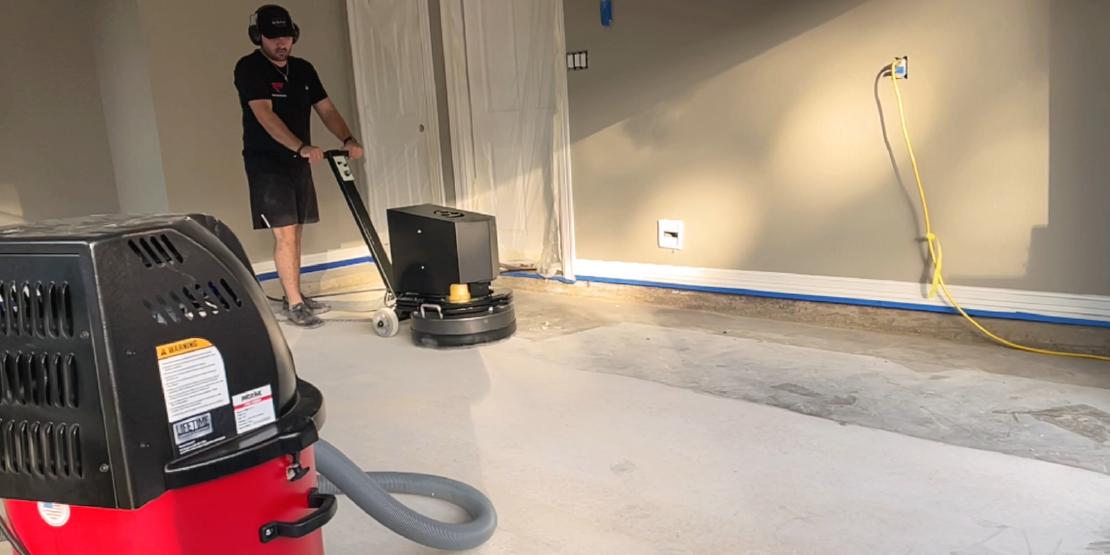
The debate between professional application and Do-It-Yourself often surfaces when considering UV resistant coatings. Professional application ensures optimal results with a thicker, more uniform layer and longer-lasting UV protection. Experts in application have the knowledge and experience to correctly apply the coating for maximum efficiency. They are also skilled in avoiding overspray, drips, and uneven surfaces that can diminish the coating’s effectiveness. Additionally, they utilize professional-grade equipment and materials that ensure a better and more durable finish.
On the other hand, DIY application offers the apparent advantage of cost-saving. However, homeowners should consider the potential hidden costs, such as time, effort, and the potential need for reapplication if not conducted properly. The lack of professional equipment may also lead to more patchy and uneven results, potentially requiring more frequent maintenance. While instructions and demonstration videos may aid in the process, the learning curve can be quite steep, and small errors may lead to compromised UV resistance. Therefore, one must carefully weigh the potential cost savings against the potential for diminished effectiveness when contemplating DIY application of UV resistant coatings.
Maintenance and Care for UV Resistant Coatings
Taking care of a UV resistant coating is of utmost importance to safeguard its longevity and maintain its efficiency. Regular cleaning is essential to prevent the build up of dirt and grime. Dust can act as an abrasive, gradually wearing away the surface of the coating and reducing its effectiveness. Therefore, timely and proper cleaning can go a long way in maintaining the integrity of the UV resistant coating.
In addition, regular inspection for peeling, blistering, chalking or other visible damage is critical to maintain the performance of UV resistant coatings. If any damage is noted, immediate repair and re-application of the coating may be necessary. Ultimately, by practicing diligent maintenance measures, the UV resistant coating can continue to provide reliable protection against harmful sun rays, thereby prolonging the lifespan of the surfaces it covers.
What are UV resistant coatings?
UV resistant coatings are special types of finishes that are designed to withstand the harmful effects of UV radiation. They are used in various applications, both indoors and outdoors, to protect surfaces from fading, peeling, cracking, and other types of damage caused by UV rays.
How do UV resistant coatings work?
UV resistant coatings work by absorbing, reflecting, or scattering the UV radiation that comes into contact with the coated surface. This prevents the UV rays from penetrating the surface and causing damage.
What are the benefits of using UV resistant coatings indoors?
UV resistant coatings can help to protect your indoor surfaces from fading and other types of UV damage. This can be particularly beneficial in rooms with large windows or skylights that let in a lot of natural light.
Can UV resistant coatings be used outdoors?
Yes, UV resistant coatings are commonly used in outdoor applications. They can help to protect your home’s exterior from the damaging effects of UV rays, which can extend the lifespan of your property and reduce maintenance costs.
What are the long-term effects of UV rays on unprotected surfaces?
Over time, UV rays can cause unprotected surfaces to fade, peel, crack, or otherwise deteriorate. This can lead to a loss of aesthetic appeal and potentially decrease the value of your property.
How can UV resistant coatings contribute to energy efficiency?
UV resistant coatings can help to reduce the amount of heat that is absorbed by a surface, which can help to keep your home cooler in the summer. This can potentially lead to lower energy costs.
Are UV resistant coatings cost-effective?
While the upfront cost of UV resistant coatings can be higher than traditional paints or finishes, they can be more cost-effective in the long run due to their durability and the potential for lower maintenance and energy costs.
How do I choose the right UV resistant coating for my home?
When choosing a UV resistant coating, you should consider factors such as the type of surface you want to protect, the intensity of the UV exposure, your budget, and your aesthetic preferences.
Should I hire a professional to apply UV resistant coatings or can I do it myself?
While it is possible to apply UV resistant coatings yourself, it may be beneficial to hire a professional to ensure a high-quality, even application. However, this will depend on your level of comfort and expertise with DIY projects.
How do I maintain and care for UV resistant coatings?
Maintenance and care for UV resistant coatings typically involve regular cleaning to remove dirt and debris, and re-coating as needed to maintain the UV resistance. It’s also important to inspect the coating regularly for signs of damage or wear.