
The Benefits of Epoxy Resin in DIY Projects
Understanding Epoxy Resin
Epoxy resin, a type of thermosetting adhesive, is made of two components - epoxy and hardener. When these two components are mixed together, they form a tough, rigid material that is resistant to heat and chemicals. As a result of these features, epoxy resin is used extensively in a wide range of industries, including construction, marine, aerospace, and electronics. This versatile material is also favoured by hobbyists and DIY enthusiasts for its strength, durability, and capacity to adhere to various surfaces.
The reactive polymers in the epoxy resin set it apart from other types of resins. When the epoxy and hardener are mixed, the resulting chemical reaction creates a cross-linking process, leading to a high molecular weight and a three-dimensional network. This gives epoxy resin its distinguished features, its high resistance to mechanical and thermal stress, corrosion, and excellent electrical insulation properties. Moreover, they can be easily modified to meet specific requirements or achieve desired characteristics, thus enhancing their versatility and application range. So, when it comes to DIY tasks or professional applications, the epoxy resin offers unparalleled benefits.
Exploring the Features of Epoxy Resin
Epoxy resin is a high-performance material known for its superb mechanical properties and excellent dimensional stability. Often referred to as polymerized epoxide, this thermosetting compound exhibits extraordinary chemical resistance, high-temperature endurance, and superior adhesive capabilities. It can withstand harsh environmental conditions without cracking, peeling, or chipping, thus ensuring longevity of the projects it’s used in.
A striking feature of epoxy resin is its versatility. It can be tailored to meet various requirements of different applications. When combined with additives or filled with materials such as glass, metal, or fibers, the properties of epoxy resin can be significantly enhanced. This feature makes it a preferred choice for various DIY applications ranging from decorative pieces to protective coatings and adhesive binding. Furthermore, due to its low shrinkage and excellent electrical properties, epoxy resin is also widely used in the electronics industry.
Why Choose Epoxy Resin for DIY Tasks?
Epoxy resin is a popular choice among DIY enthusiasts due to its unique characteristics and performance under varied conditions. It’s a high strength adhesive product, renowned for its ability to bond diverse materials such as wood, metal, glass, fiberglass, stone, and some plastics. The versatility of epoxy resin bolsters its credentials as a reliable, go-to material for different DIY tasks, from creating stunning craft projects to conducting heavy-duty home repairs.
Not only is epoxy resin known for its robust adhesion and durability, but it is also celebrated for its resistant nature. Whether it is resistance to heat, chemicals, or even moisture, this adhesive stands strong against various damaging elements. These features make it a suitable choice for projects exposed to different environmental conditions, thereby enhancing the lifespan of DIY projects. Epoxy resin also boasts superior clarity and remarkable gloss retention, which make it an ideal material for aesthetic applications.
Epoxy Resin: A Versatile Material for Creativity
Epoxy resin is a testament to unlimited creative possibilities and an ultimate choice for DIY enthusiasts. Its versatility lies not just in its reinforcement qualities, but also in the various ways it can be manipulated to bring artistic concepts to life. Epoxy resin can be used to create stunning decorative pieces, from encapsulating objects within clear layers for tabletops or jewelry to devising intricate designs mimicking oceans or galaxies. Its flexibility allows it to merge aesthetics and functionality artfully.
Another reason epoxy resin emboldens creativity is the vast array of coloring options available. It can accommodate varied pigments, allowing crafters to play with colors and experiment endlessly. White, neon, metallic, and even glow-in-the-dark shades are just a few examples of what one can achieve. They can easily be mixed into the resin before the curing process, offering a beautiful, glossy finish. So, whether it’s about crafting intricate jewelry, eclectic furniture, or eye-catching art pieces, epoxy resin offers a canvas for one’s imagination.
How Epoxy Resin Enhances Durability in DIY Projects
One remarkable feature of epoxy resin is its commendable durability. Notably, it possesses a unique blend of hardness and flexibility, making it a highly desirable material for various DIY tasks. Its notable hardness grants the finished project the maximum resistance against physical impacts and abrasive forces. Add to this, it is remarkably resistant to water, heat, and most chemicals. These properties ensure that DIY projects created using epoxy resin can withstand harsh conditions, maintain their original form and aesthetic appeal over an extended period.
Moreover, the longevity of epoxy resin is unmatched, offering users a long-lasting solution for their DIY projects. The resin creates a strong, resilient bond that effectively seals surfaces, making it ideal for applications such as coating furniture, creating jewellery, encapsulating objects, and much more. The epoxy coating acts as a barrier against potential damage, shielding the base material from potential wear and tear. Therefore, by providing both protection and strength, epoxy resin significantly enhances the durability of DIY projects.
Epoxy Resin’s Role in Aesthetics and Design
In the realm of aesthetics and design, epoxy resin has carved a significant niche for itself. This versatile material offers an opportunity to create a wide array of diverse effects, from glossy finishes to mesmerizing swirls of colors. It has gained considerable popularity among DIY enthusiasts and professional designers mainly due to its transparency that allows embedded objects to become striking visual elements. Furthermore, its glossy surface adds a high-end, professional feel that makes epoxy resin projects stand out.
The design impact of epoxy resin is also noticeable in larger applications. Craftsmen utilize this material not only for surfacing countertops and tables but also for creating stunning flooring designs. With the advantage of integrating varying pigments, epoxy resin enables replicating natural stone patterns like marbles or more abstract artsy designs. In sum, epoxy resin acts as a powerful tool for creators aiming to blend function with aesthetic flair.
Safety Precautions When Using Epoxy Resin
While epoxy resin is a favorite among DIY enthusiasts and craftspeople for its versatility and stunning results, it is a chemical compound that requires careful handling. It is crucial to respect the safety precautions to prevent any unnecessary mishaps or health issues. Personal protective equipment (PPE) such as gloves, goggles, and respirator masks are necessary when working with epoxy resin. Avoid direct skin contact as it might lead to irritation, allergies, or more severe reactions in some individuals.
The workspace should be well-ventilated to ensure that the fumes emitted during the curing process are adequately dispersed. While these fumes aren’t typically dangerous, long-term exposure or high concentration can result in conditions like respiratory distress. Also, ensure the workspace is free from flammable material, as epoxy resin is highly flammable, particularly in its uncured state. Finally, after completion of the project, dispose of any waste materials responsibly, following local regulations related to chemical waste. To ensure safety when working with epoxy resin, follow these precautions:
• Always wear Personal Protective Equipment (PPE) - This includes gloves to protect your skin from direct contact with the epoxy resin, goggles to shield your eyes from any accidental splashes and a respirator mask to prevent inhalation of potentially harmful fumes.
• Avoid Direct Skin Contact - Epoxy resin can cause irritation or allergic reactions in some individuals. In severe cases, it may lead to more serious health issues. Therefore, always use protective gloves while handling this compound.
• Work in a Well-Ventilated Area - The curing process of epoxy resin produces fumes that need proper ventilation for dispersion. Long-term exposure or high concentrations can lead to respiratory distress.
• Keep Workspace Free From Flammable Materials - Epoxy resin is highly flammable, especially in its uncured state. To avoid accidents caused by fire, keep your workspace clear of any combustible materials.
• Dispose Waste Responsibly – After finishing your project, dispose off any waste materials as per local regulations related to chemical waste disposal. Improper disposal can harm the environment and pose risks for public health.
Remembering these guidelines will help you work safely with epoxy resin and enjoy its many benefits without risking unnecessary mishaps or health problems.
Easy Application Process of Epoxy Resin
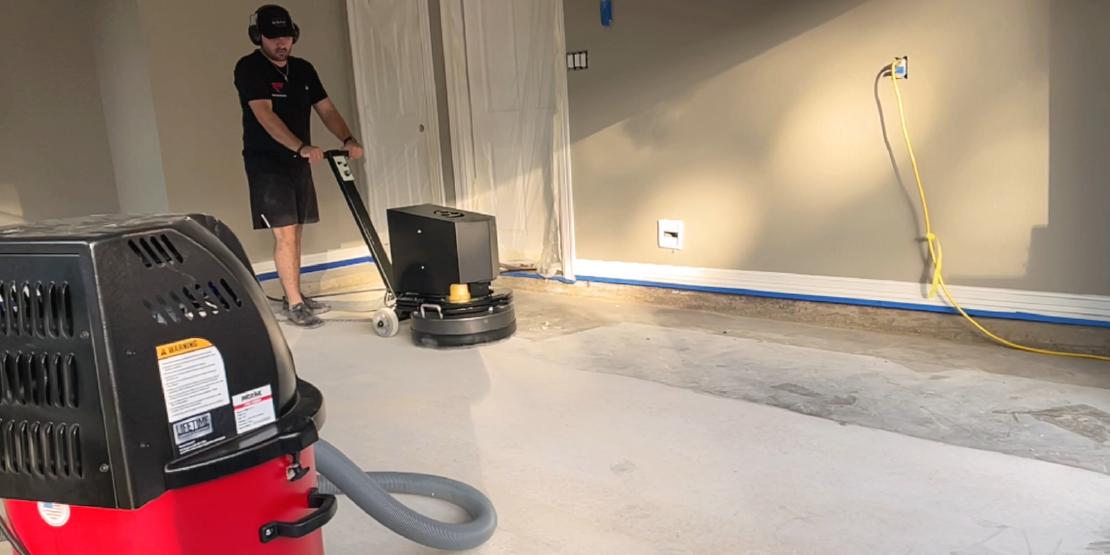
One of the striking features of epoxy resin that makes it a favorite among DIY enthusiasts is its easy application process. Essentially, the process involves mixing two components, the resin and the hardener, in a precise ratio. This mixture is then applied onto the chosen surface, be it wood, concrete, or any other material. Before application, ensure that the surface is cleaned to perfection, as dirt or dust can hinder the bonding process. Ideally, use a brush or roller for application, yet for smaller, intricate projects, a simple spatula or even a popsicle stick would suffice.
The potency of the application process lies in its simplicity yet versatility. Precise measurements of resin and hardener guarantee a smooth, envious finish that is not only pleasing to the eye, but also highly durable. Interestingly, pigments or dyes can be added to the mixture before application to achieve an array of vibrant colors, allowing for greater creative freedom. After application, the surface is left to cure or dry. Of paramount importance is ensuring there is no dust or debris within reach that can settle onto the wet epoxy, potentially ruining the finished product.
Epoxy Resin: An Environmentally Friendly Option
Epoxy resin has emerged as a more sustainable choice for various DIY projects. It’s a thermosetting polymer that curbs wastage because of its zero to minimum volatile organic compound (VOC) emission. This property gives it an edge over traditional materials that release harmful chemicals into the atmosphere, posing serious environmental risks. Made from a blend of epichlorohydrin (ECH) and bisphenol-A (BPA), this resilient material does not degrade quickly into the environment, leading to a lesser carbon footprint.
Furthermore, the longevity of epoxy resin reduces the demand for frequent replacement, contributing to less manufacturing, transportation and eventual waste. When used in renovation or repairs, epoxy resin can extend the life of the existing infrastructure, postponing the need for its disposal into a landfill. This, in turn, saves valuable resources that would otherwise be spent in producing and disposing of replacement materials. Its characteristic of forming a hard and durable surface requires fewer resources for maintenance, contributing significantly to environmentally friendly practices.
Epoxy Resin for Budget-Friendly DIY Projects
Preferred for its versatility and durability, Epoxy Resin has also offered a cost-effective solution for countless do-it-yourself (DIY) projects. This durable material expands the range of potential projects without breaking the bank. The wide array of applications extends from large scale tasks like floor coating and furniture building to smaller, intricate designs like jewelry making and craft projects. The functionality and cost-effectiveness of epoxy resin are achieved with minimal waste, making it an ideal component in the budget-conscious DIY enthusiast’s toolkit.
Moreover, epoxy resin has the potential to mimic the look and feel of more expensive materials such as glass or ceramic, granting an impression of luxury without the associated costs. You can achieve these finished effects even on a restrictive budget. The key lies in knowledge and creativity, with a clear understanding of the material’s properties and a well-thought-out execution. Through employing epoxy resin, you open the door to a world of budget-friendly DIY projects that do not compromise on aesthetics or durability.
Examples of DIY Projects Using Epoxy Resin
Epoxy resin, with its versatility and durability, is increasingly becoming the go-to material for a variety of Do-It-Yourself (DIY) projects. From decorative items to practical pieces and even furniture, the use of this robust material are only limited by one’s innovation. For a striking piece of home decor, an epoxy river table is a popular choice. This involves creating stunning tables with epoxy resin poured between two slabs of wood, imitating the look of a flowing river. Often embedded with objects like stones, leaves or shells, these tables serve not only as functional furniture but an astonishing piece of art.
In the domain of jewelry and small trinkets, epoxy resin holds a prime position. A bevy of jewelers and crafters use transparent epoxy resin to encapsulate items like flowers, glitter, or mini sculptures into pendants, rings, bracelets, and much more. The end result is unique, wear-resistant and personalizable jewelry that is not only eye-catching but rich with personal sentiment. On a larger scale, DIY enthusiasts use epoxy resin for crafting resistance surfaces on wooden countertops, preserving the wood’s natural beauty while providing a hard-wearing, easy-to-clean surface. With epoxy resin, the possibilities are nearly endless.
Maintenance and Longevity of Epoxy Resin Projects
Epoxy resin projects offer outstanding resistance to wear, making them an excellent choice for durable applications in your do-it-yourself ventures. The material is impervious to water, rust, heat, and common household chemicals once it’s fully cured. This makes epoxy resin ideal for creating hard-wearing countertops, furniture, or flooring. Additionally, epoxy doesn’t crack, peel, or chip, which ensures that your projects maintain their luster and functionality for years to come.
From a maintenance standpoint, epoxy resin projects require minimal effort. It is important to remember to clean the surface regularly with mild soap and water to sustain the sheen, preventing it from becoming dull or cloudy. For outdoor projects, an annual resealing may be necessary to protect the epoxy from prolonged UV exposure. However, the ease of cleaning and minimal maintenance requirements are part of what makes epoxy resin a popular choice for a range of DIY projects.
Getting Started: Your First DIY Project with Epoxy Resin
Starting your first DIY project with epoxy resin can be quite fascinating yet daunting. But fret not, with the right understanding and approach, it’s worth the excitement. Epoxy resin is versatile and offers boundless opportunities for creativity. You can create various projects, from stunning artwork, home décor items, to countertops and floorings.
Remember to plan well before you begin. Firstly, ensure you have your epoxy resin kit handy; having all the required tools and materials is crucial. Carefully measure and mix your epoxy resin and hardener, following the manufacturer’s instructions. Any mistake in the measurements could lead to undesired results. Pour the mixed solution onto the designated area and let it cure. Remember, safety should be your top priority. Always work in a well-ventilated area and use protective gear such as gloves, goggles, and an apron.
What is the main purpose of using epoxy resin in DIY projects?
Epoxy resin is a versatile material used in DIY projects for its durability, aesthetic design possibilities, and easy application process.
How much does it cost to use epoxy resin in DIY projects?
The cost of epoxy resin varies depending on the size and scope of the project. However, it is considered a budget-friendly option for many DIY tasks.
Are there any safety precautions I should be aware of when using epoxy resin?
Yes, when using epoxy resin, it’s essential to ensure proper ventilation, wear protective clothing, and avoid skin and eye contact. Always follow the manufacturer’s instructions and safety recommendations.
What are some of the features of epoxy resin?
Epoxy resin is a highly durable material that can be used on various surfaces. It’s resistant to heat, chemicals, and moisture. It’s also glossy and can enhance the aesthetics of the projects.
Can epoxy resin be easily applied to different materials?
Yes, one of the advantages of epoxy resin is its easy application process. It can be applied to various materials like wood, concrete, metal, and more.
Is epoxy resin environmentally friendly?
Yes, epoxy resin is known to be an environmentally friendly option as it produces minimal waste and is free from volatile organic compounds (VOCs).
Can you give some examples of DIY projects that can be done with epoxy resin?
Epoxy resin is highly versatile and can be used in numerous DIY projects. Some examples include crafting jewellery, creating artworks, custom furniture, floor and countertop coatings, and more.
How do I maintain and ensure the longevity of my epoxy resin projects?
Regular cleaning with mild soap and water can help maintain the shine and durability of your epoxy resin projects. Avoid using harsh chemicals or scrubbers that can scratch the surface.
How do I get started with my first DIY project using epoxy resin?
Start with a simple project to understand how to work with the material. Gather the necessary supplies, prepare your workspace, mix the resin as per instructions, apply it to your project, and let it cure. Always remember to follow safety guidelines.